Central America & Caribbean
Guadeloupe
The butterfly island: volcanic Basse-Terre and jungle on one wing, flat Grande-Terre and Caribbean beaches on the other, with Marie-Galante, Les Saintes and La Désirade as satellites — France at eight hours from Paris, set in extraordinary tropical biodiversity.
- Capital
- Basse-Terre
- Currency
- Euro (EUR)
- Languages
- Français, Créole guadeloupéen
- Budget
- Mid-to-upper range — from €105/day/person; budget travel from €60-80, comfort from €150-200
Guadeloupe at a glance
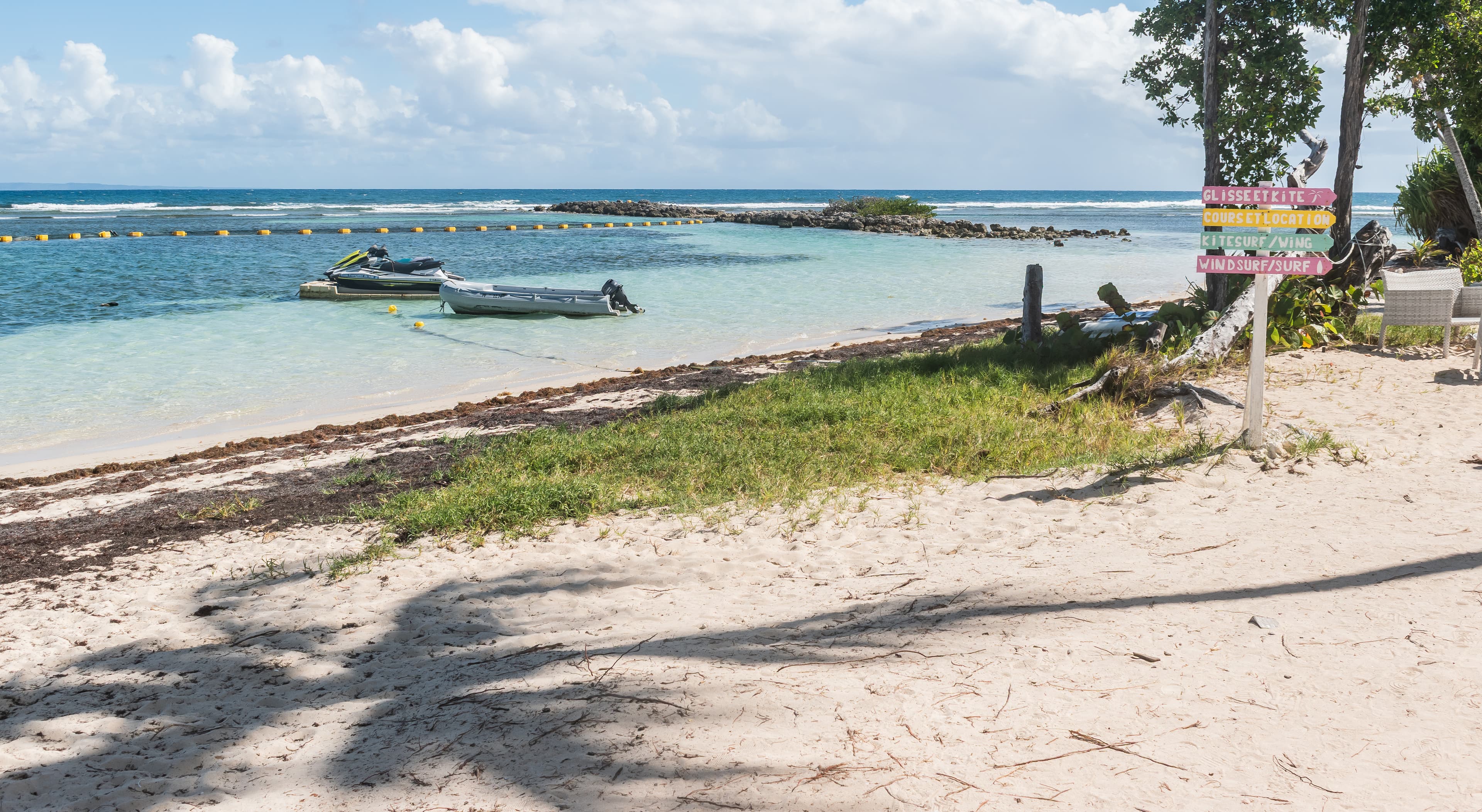
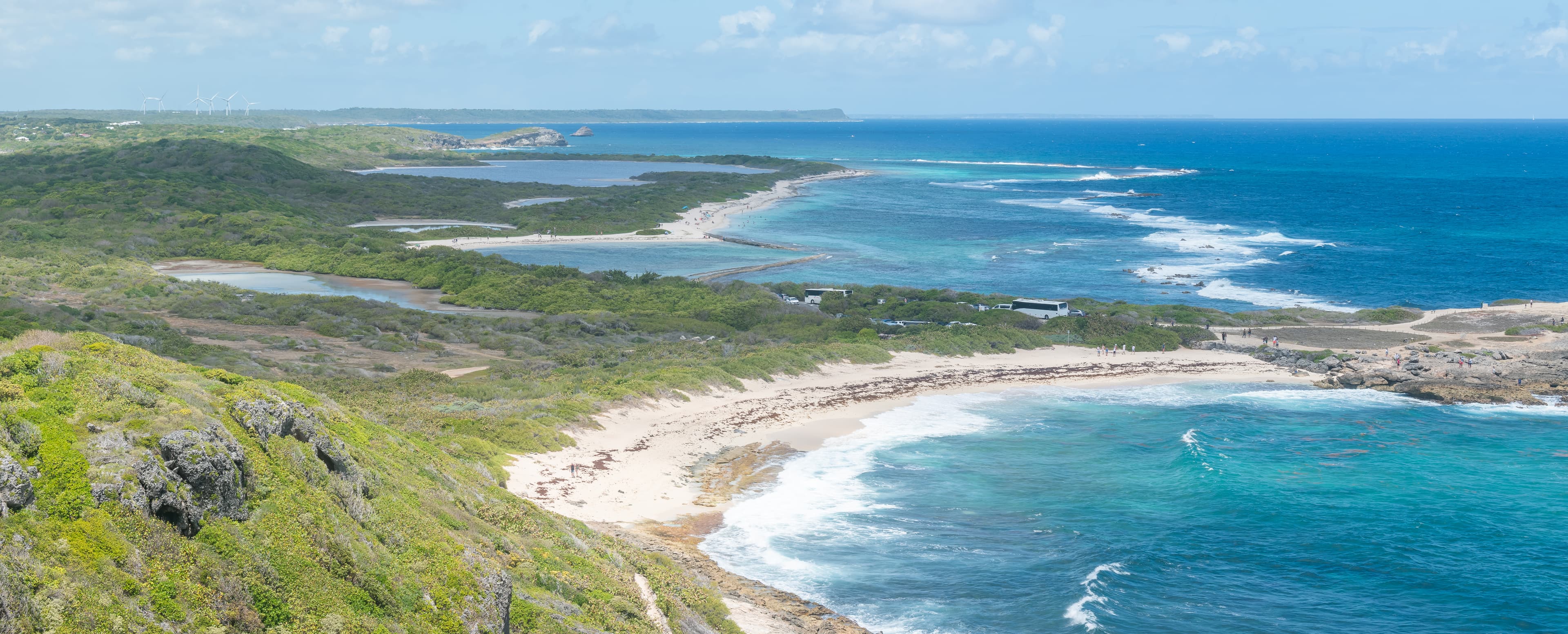
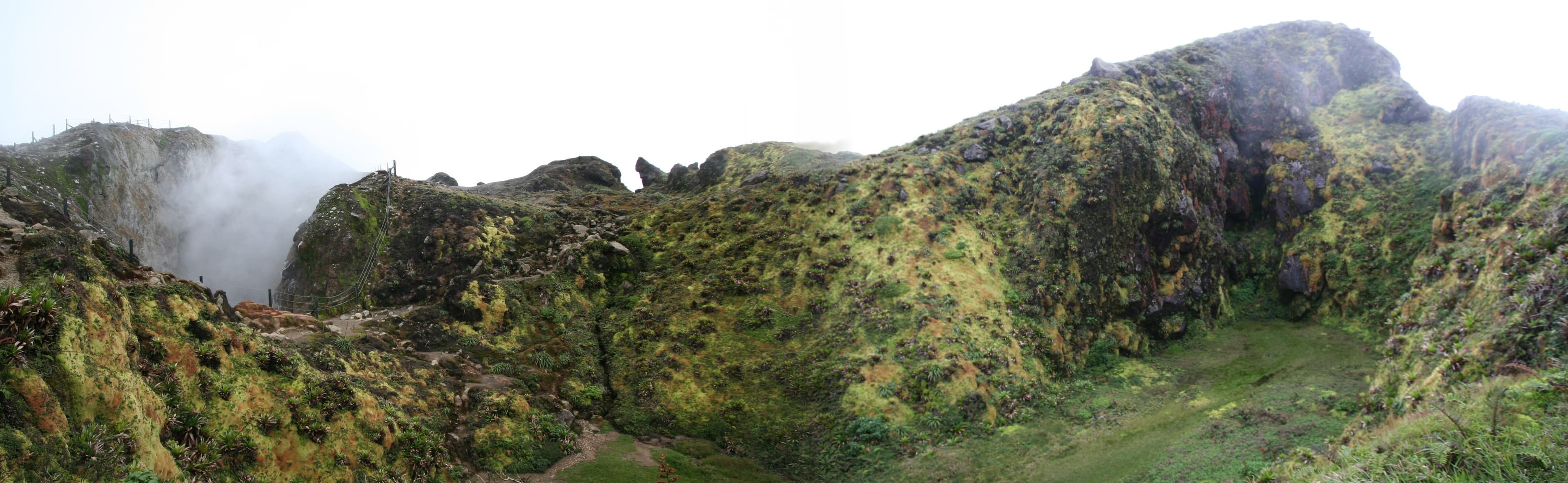
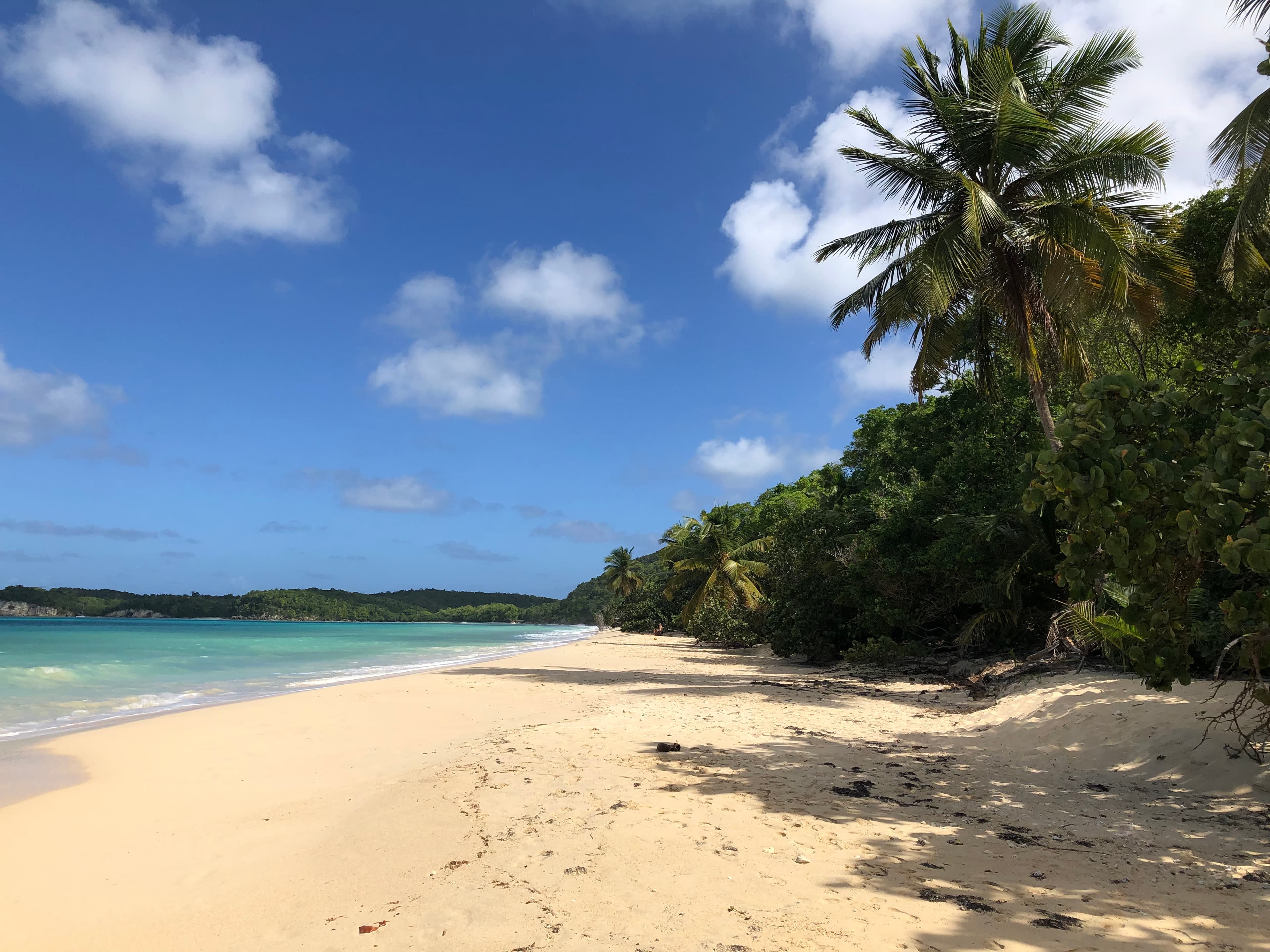
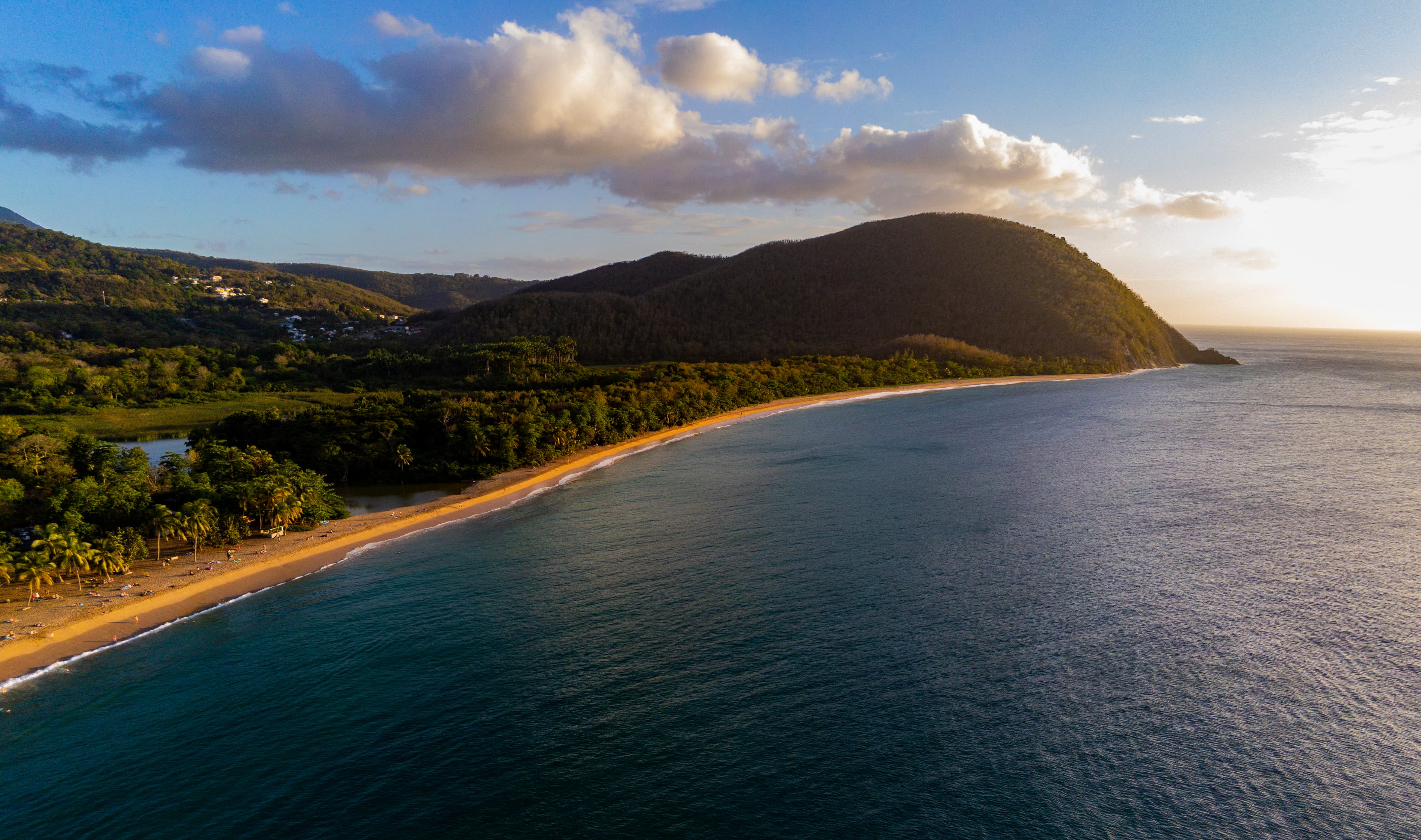
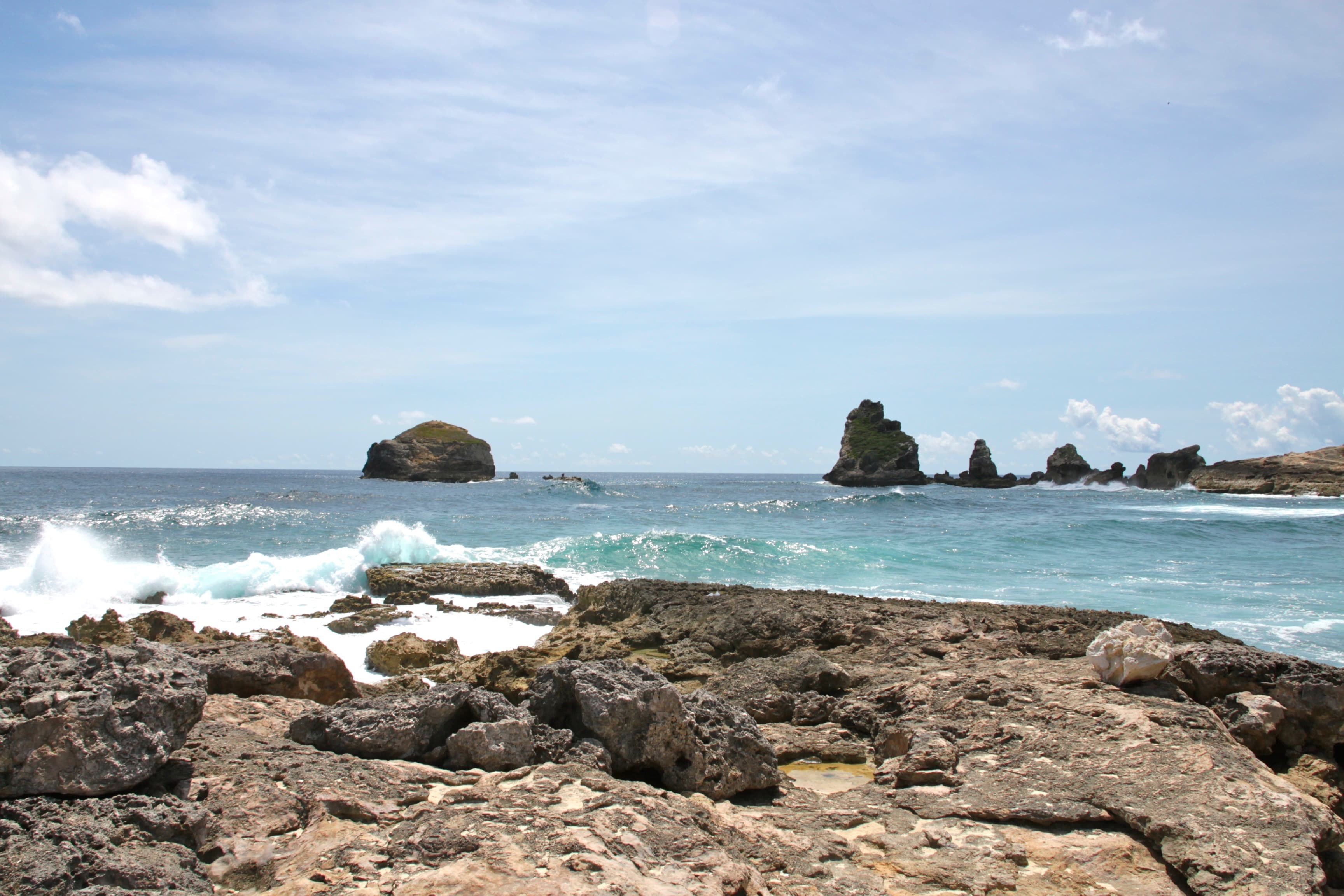
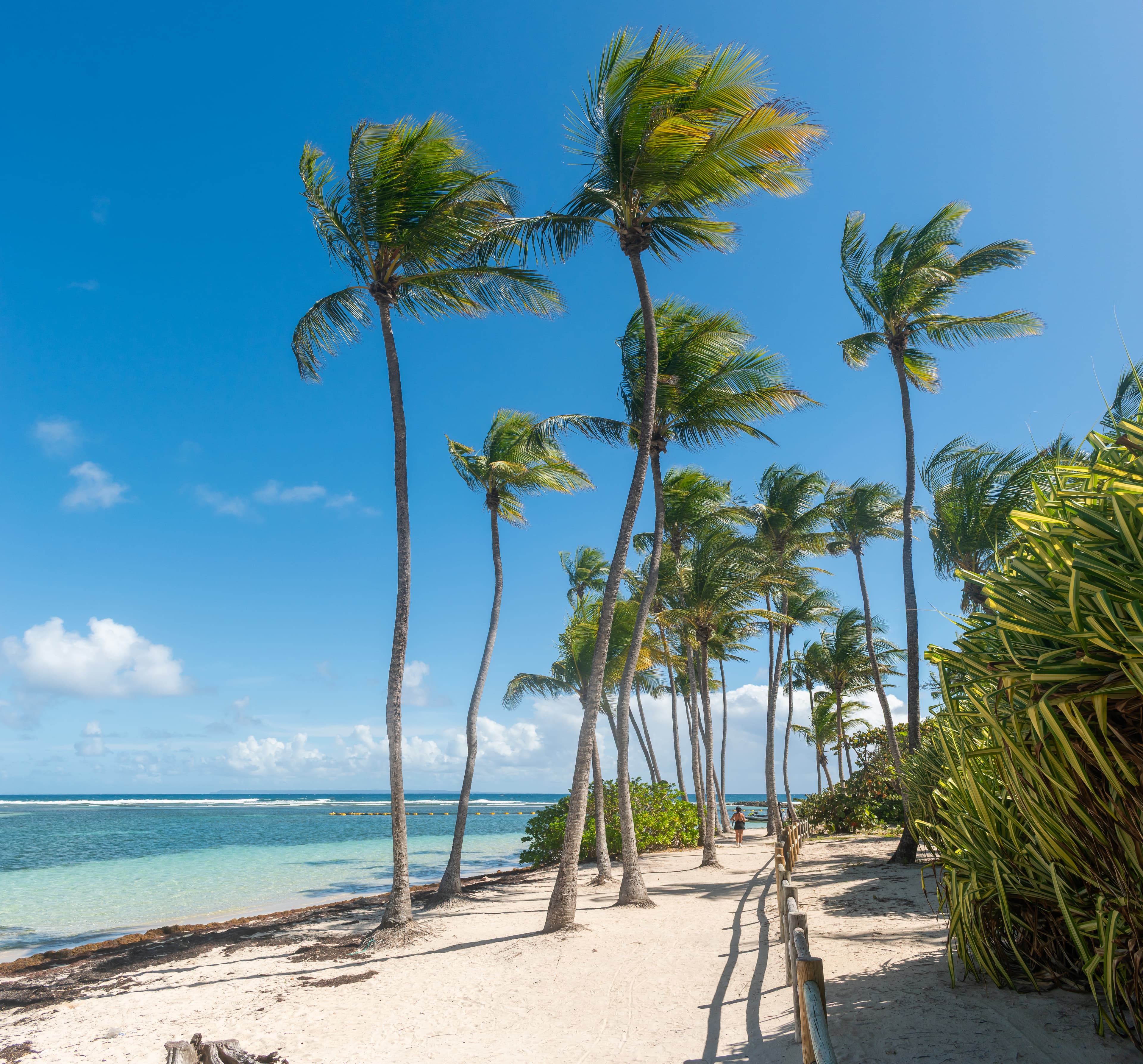
Guadeloupe is an archipelago of five main islands — Basse-Terre, Grande-Terre, Marie-Galante, Les Saintes and La Désirade — nestled at the heart of the Lesser Antilles, between the Caribbean Sea and the Atlantic Ocean. Its distinctive shape — two main islands joined by a narrow isthmus, nicknamed the 'butterfly island' — sums up its dual personality: Basse-Terre, the western wing, is a volcanic land of jungle dominated by La Soufrière (1,467 m) and carpeted with primary tropical rainforest; Grande-Terre, the eastern wing, is a flat limestone plateau lined with the archipelago's finest Caribbean beaches — Sainte-Anne, Saint-François, Le Moule.
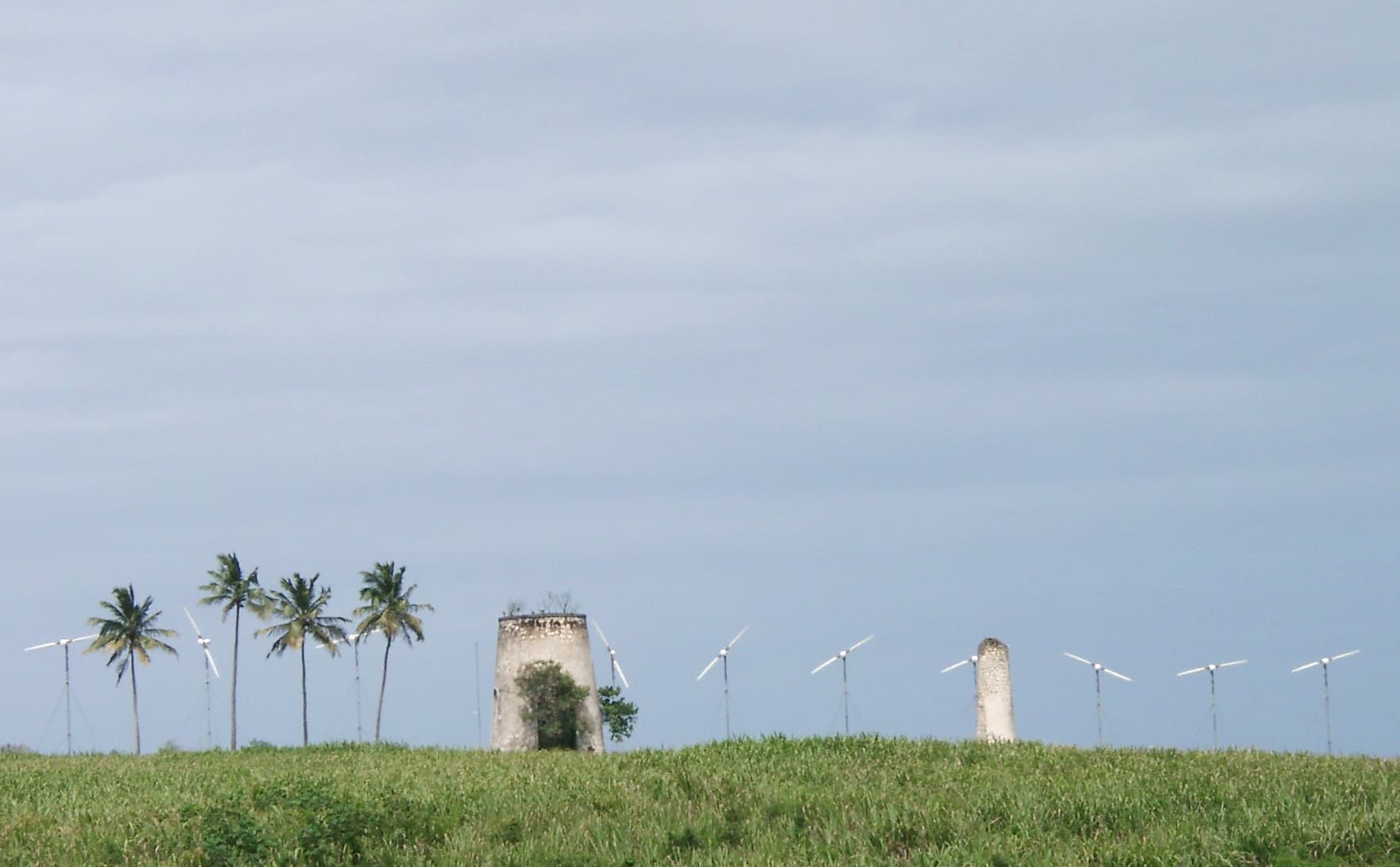
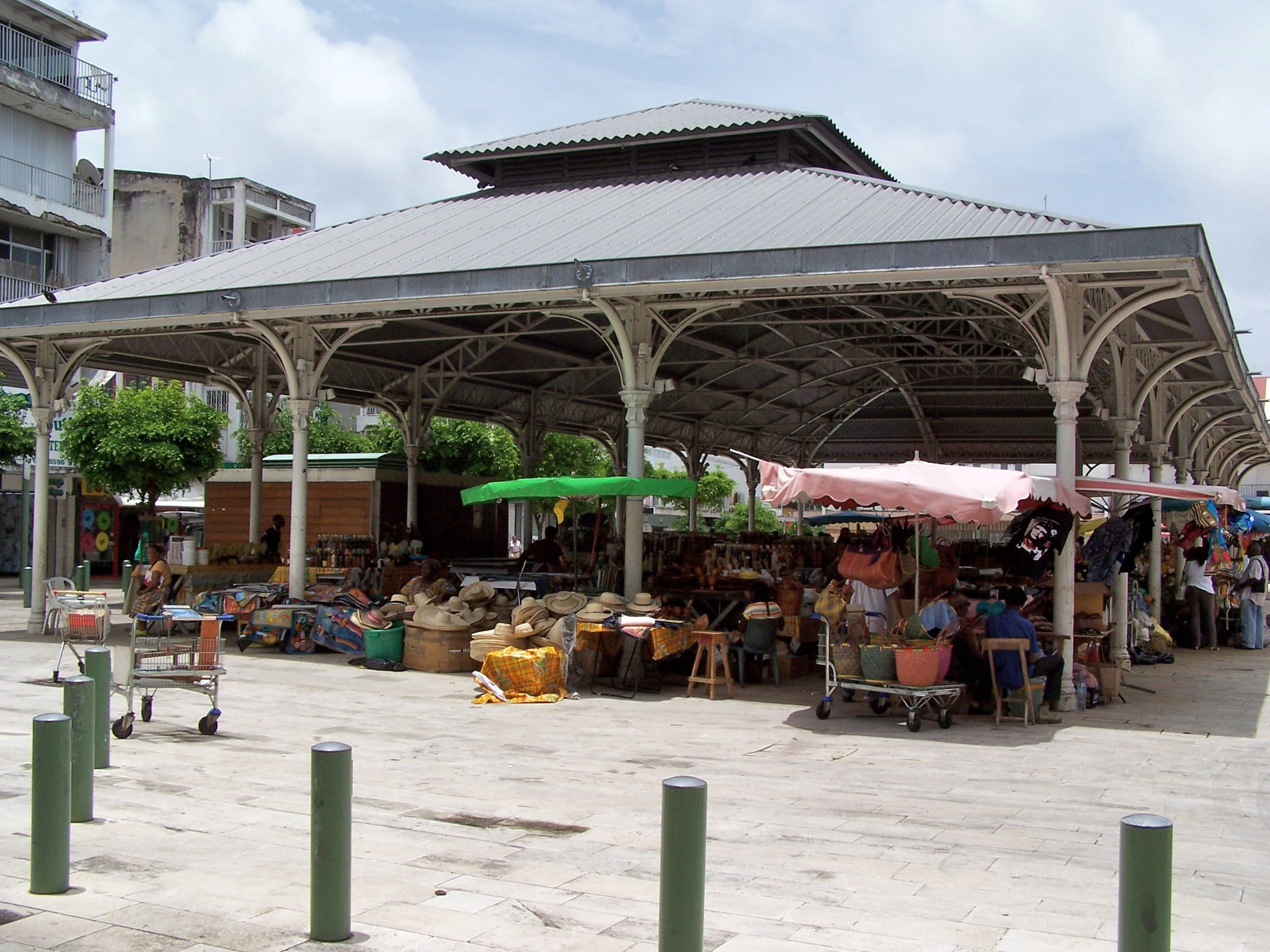
A French overseas department and an ultra-peripheral region of the European Union, Guadeloupe offers European travellers the rare privilege of a tropical destination with no visa, no currency change and no administrative shift. The euro is used everywhere, EU roaming applies, and driving is on the right under standard French road rules. And yet, the moment you step out of Pôle Caraïbes airport, the change of scene is total: tropical heat envelops you instantly, Guadeloupean Creole mingles with French, the smell of bokits and saltfish accras drifts from the markets, and the first sugar-cane plantations announce the AOC rum distilleries that have made the island world-famous.
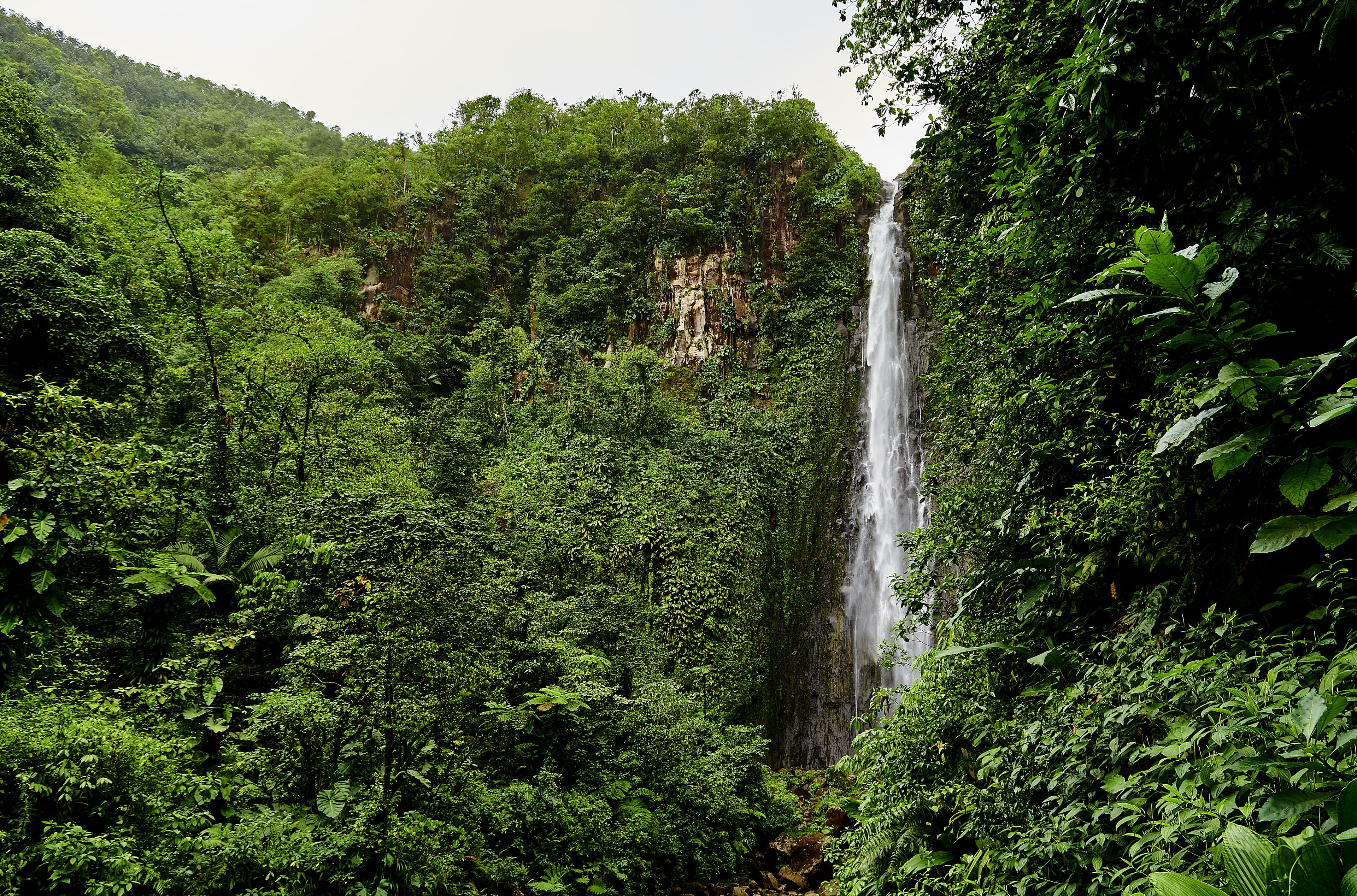
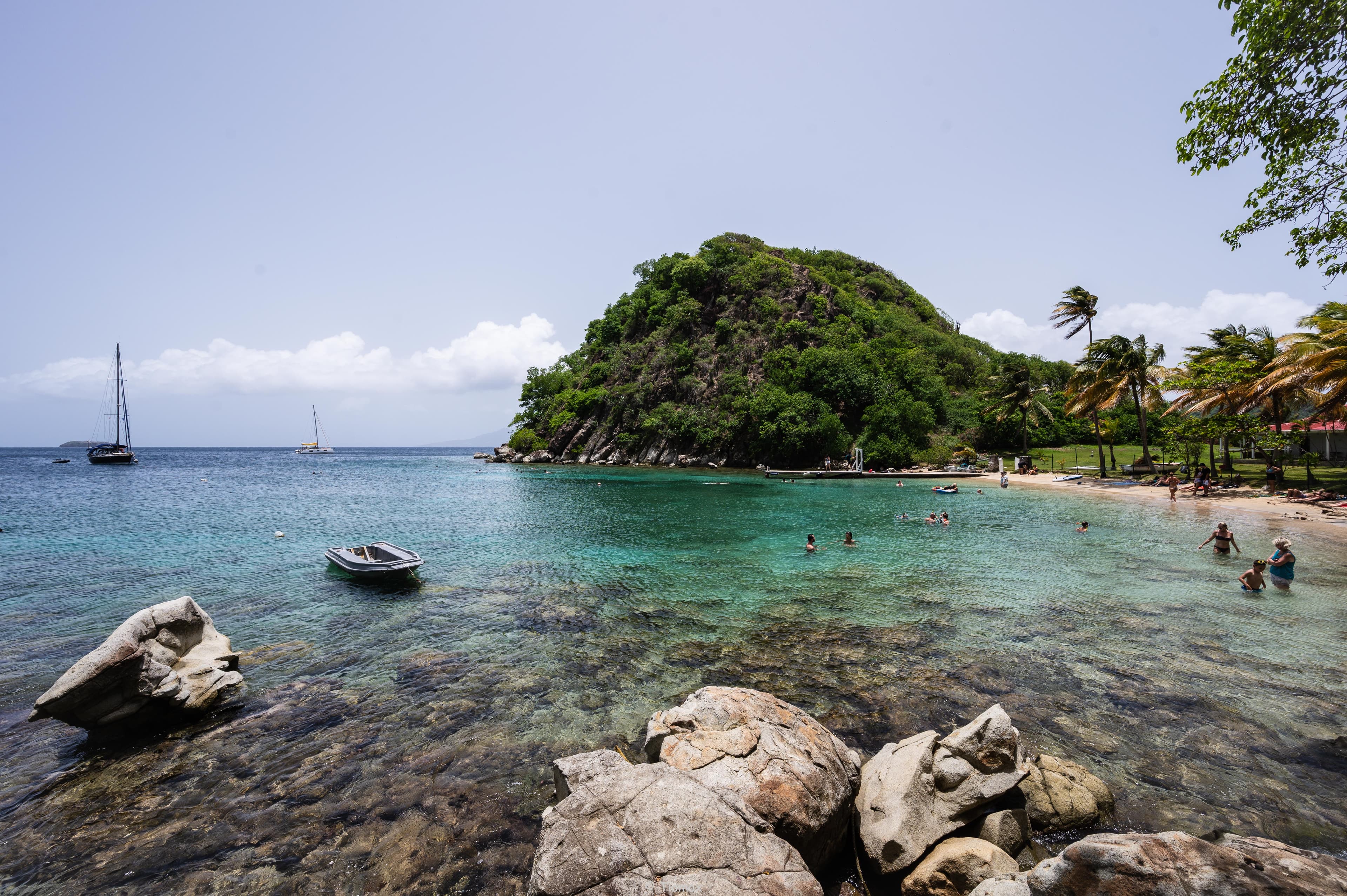
Guadeloupe is also a biodiversity sanctuary. Its National Park (created in 1989, the first French overseas national park) covers nearly 22,000 hectares of humid tropical forest, shelters over 800 plant species and is one of the last refuges of the Antillean raccoon, emblem of the archipelago. The Carbet Falls (three cascades, the second reaching 110 metres), the white sand banks of Petite-Terre nature reserve, and the Saintes Bay listed by UNESCO among the world's most beautiful bays complete a natural heritage of rare density for a 1,628 km² territory. The archipelago is ideally explored over two weeks: one in Basse-Terre for nature and the volcano, one in Grande-Terre for beaches and culture, with at least one excursion to Marie-Galante or Les Saintes.
What we love
- ✅Tropical destination without visa or currency change for Europeans: euro, roaming, French law — full change of scenery, zero paperwork
- ✅Exceptional landscape diversity on a small territory: volcano, jungle, Caribbean beaches, mangroves, satellite islands
- ✅Authentic, living Creole culture: food (bokit, colombo, accras), music (UNESCO-listed gwoka), world-renowned AOC rum
- ✅National Park and remarkable tropical biodiversity: Soufrière, Carbet Falls, primary forest, Petite-Terre lagoons
- ✅Direct flights Paris–Pointe-à-Pitre in 8 hours, several competing airlines, controlled prices outside peak season
What to know
- ❌Paris-PTP flights expensive in peak season (€800-1,200 return in December-March)
- ❌Hurricane season from June to November — real if moderate risk for Guadeloupe
- ❌High cost of living on island (imports): restaurants and hotels at mainland French prices
- ❌Car essential to explore Basse-Terre and the hinterland — public transport limited
Explore Guadeloupe
Our itineraries
Regions
Popular spots
Situation
Où se situe Guadeloupe ?
Ouvrir la carte en grand sur OpenStreetMap →Frequently asked questions
Do I need a visa or passport for Guadeloupe?+
When is the best time to visit Guadeloupe?+
How much does a Guadeloupe trip cost from Paris?+
Which island of the Guadeloupean archipelago should I choose?+
Is Guadeloupe dangerous because of hurricanes?+
Our verdict
Guadeloupe is one of the most rewarding tropical propositions for a European traveller: Caribbean warmth, the depth of a vibrant Creole culture, the biodiversity of an outstanding National Park — all within the administrative and legal framework of mainland France. No visa, no currency change, no major health surprise: the simplicity of a domestic destination with the change of scene of a long-haul trip. The constraints are real — expensive flights in peak season, high cost of living on island, hurricane season from June to November — but they never undermine an experience that brings together Caribbean beaches, volcanic hiking and exceptional rums. Prioritise January to April for perfect weather, May for the best value for money, and devote at least two weeks to exploring both wings of the butterfly island and at least one satellite island.
Similar destinations

Expert on Guadeloupe · 1 contributions
 Africa & Americas Desk — Mowando·Editor