Mowando

Region

Basse-Terre

The western wing of the butterfly island: the active Soufrière volcano, the three Carbet Falls, 22,000 hectares of primary tropical forest and the legendary underwater world of the Cousteau Reserve off Bouillante.

4.70

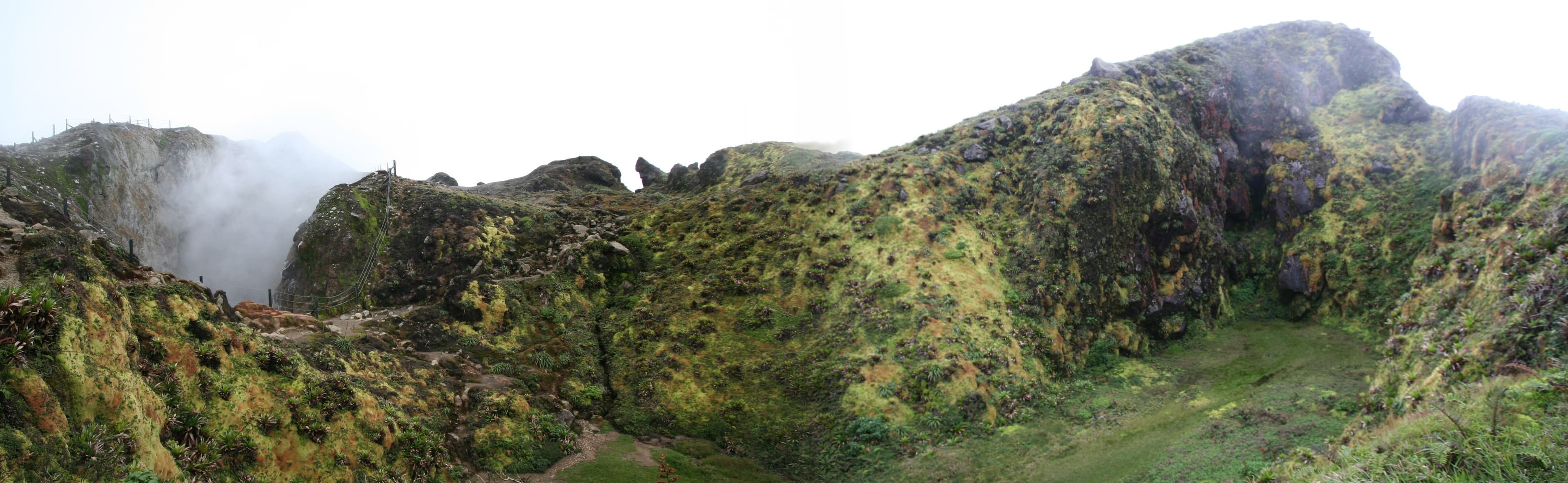
Basse-Terre is the volcanic and jungle half of Guadeloupe — the western wing of the butterfly island, paradoxically the highest in altitude despite its name (which refers to wind orientation). This 848 km² land is dominated by La Soufrière (1,467 m), an active volcano under permanent surveillance by the Guadeloupe Volcanological and Seismological Observatory, and carpeted by 22,000 hectares of primary tropical forest classed as a National Park since 1989 — the first French overseas National Park.

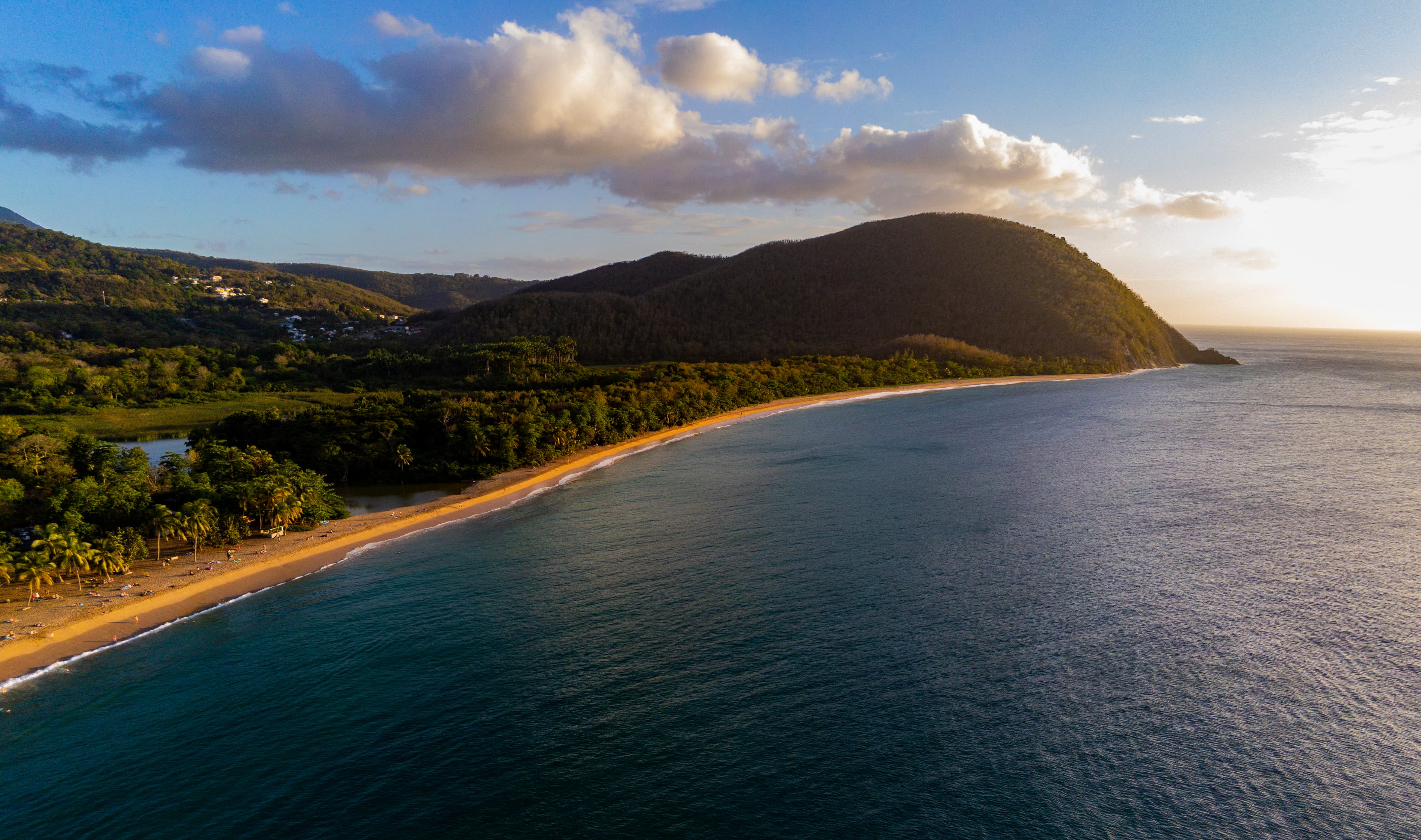
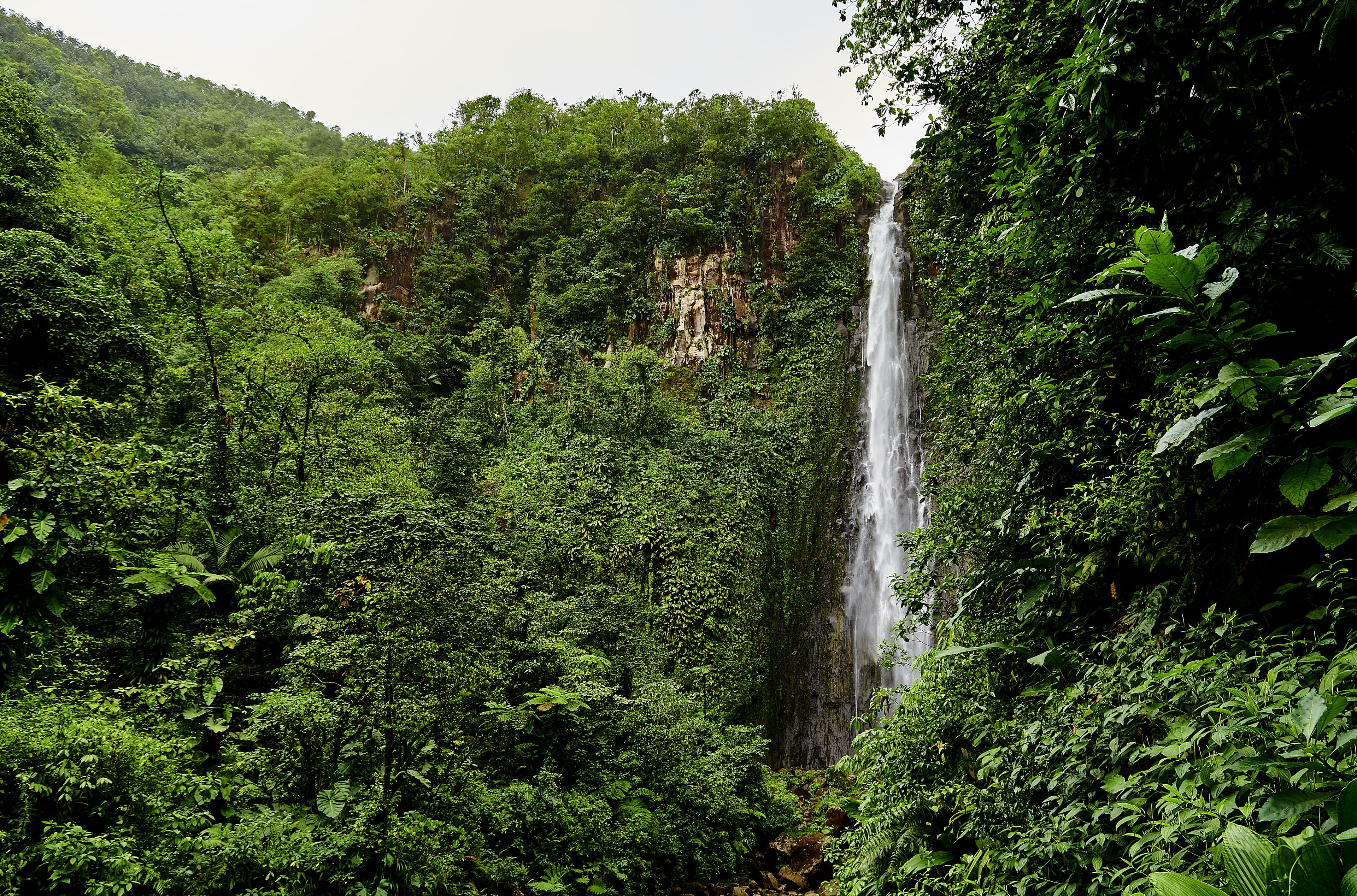
The landscape diversity on this small territory is remarkable. The leeward coast (Caribbean coast to the west) unrolls beaches of black volcanic sand (Malendure, Petite Anse) and golden sand (Grande Anse in Deshaies, one of the archipelago's most beautiful beaches), facing the clear Caribbean Sea that holds the Cousteau Reserve — one of the most beautiful diving sites in the Lesser Antilles, inaugurated by Commander Cousteau himself in 1986. The windward coast (Atlantic coast to the east) is wilder and wetter, punctuated by the Carbet Falls (three cascades, the second reaching 110 metres, among the highest in the Caribbean). The interior is dominated by the Soufrière massif and the Route de la Traversée (D23) that crosses the National Park from east to west, opening the best access to the Bains Jaunes, the Cascade aux Écrevisses and the trails of the Maison de la Forêt.

The main towns — Basse-Terre (prefecture, 11,000 inhabitants, at the foot of the volcano), Saint-Claude (gateway for the Soufrière hike), Capesterre Belle-Eau (windward coast, banana plantations and access to the Carbet Falls), Sainte-Rose (north, Reimonenq distillery and rum museum), Deshaies (north-west, botanical garden and filming location of the BBC series Death in Paradise) and Bouillante (centre-west, Malendure beach and Cousteau Reserve) — make up a string of authentic Creole villages where life remains deeply linked to cane, fishing and, now, nature tourism.

Explore Basse-Terre

Spots in the region
Situation

Où se situe Basse-Terre ?

Ouvrir la carte en grand sur OpenStreetMap →

Frequently asked questions

How many days do you need to visit Basse-Terre?+
Minimum 5 to 7 days for a balanced visit: 1 day for the Soufrière hike from Saint-Claude, 1 day at the Carbet Falls and the Route de la Traversée, 1 to 2 days diving and Caribbean coast beaches (Malendure, Cousteau Reserve, Deshaies), 1 day for the Deshaies botanical garden and La Perle Beach, 1 day for the south (Fort Delgrès, Trois-Rivières, Vieux-Fort). With 10 days you add the windward coast (Capesterre Belle-Eau, banana plantations, Allée Dumanoir) and a night in a forest eco-lodge.
Is the Soufrière hike accessible to everyone?+
Yes for walkers in good physical condition. The classic hike starts at the Savane à Mulets car park (alt. 1,140 m, reached by car from Saint-Claude via the D11): 3 hours round-trip for 1.5 km of positive elevation, on a rocky trail. The summit (1,467 m) culminates through a lunar landscape of fumaroles and sulphur — set off EARLY (before 7:30 am) as the summit is often wrapped in clouds from 10 am. Walking shoes, a windbreaker, water and a mask (sulphur smell) are essential. Avoid in rainy weather, the trail becomes slippery and dangerous.
How do I visit the Carbet Falls?+
Three waterfalls structure the site, accessible from Capesterre Belle-Eau (windward coast). The 1st fall (115 m) is the highest but also the most demanding: 2h round-trip walking in dense forest, access from Saint-Sauveur. The 2nd fall (110 m) is the most accessible and the most spectacular: 30-40 minutes walk one-way from the car park (entry €2.30), with a swimming area at the foot (deep pool, beware of currents). The 3rd fall (20 m) is the most discreet, 1h30 round-trip. For a first visit, prioritise the 2nd fall — the most accessible and visually striking.
What is the Cousteau Reserve?+
The Cousteau Reserve is a marine sanctuary created in 1986 by Commander Jacques-Yves Cousteau facing Malendure beach (Bouillante commune, west coast of Basse-Terre). It covers 1,200 hectares around the Pigeon islets — two small islands with exceptional underwater life. It's one of the finest diving spots in the Lesser Antilles, with outstanding biodiversity (parrotfish, turtles, rays, corals). Several diving centres in Malendure offer try-dives (€60-80) and exploration dives (€50-70/dive). For snorkelling, shuttle boats leave from Malendure (€15/person return) — you can also swim directly from Pigeon beach.
Which beach to choose in Basse-Terre?+
The finest beaches are on the leeward (Caribbean) coast, to the west. Grande Anse in Deshaies: the most famous, golden sand, 800 m long, view of Montserrat on a clear day. La Perle Beach (Deshaies): quieter, golden sand, crystal water, more local feel. Malendure Beach (Bouillante): black volcanic sand, departure point for the Cousteau Reserve. Anse à la Barque: small wild cove. On the windward (Atlantic) coast, beaches are more battered by waves — Sainte-Marie and Anse Bertrand are the most accessible. Avoid swimming at the Carbet Falls without a life jacket: the current is dangerous.
What to do in Deshaies besides the beaches?+
Deshaies is a fishing village classed among the most beautiful in Guadeloupe — unmissable for anyone visiting north-west Basse-Terre. The Deshaies Botanical Garden (former Coluche estate, 7 hectares laid out) is one of the most beautiful tropical gardens in the Antilles: pink flamingos, parrots, a thousand plant species, panoramic view over the bay. Plan minimum 2 hours (entry €16). The village also served as the set for the BBC series Death in Paradise — the commissioner's house, the beach, Catherine's bar are recognisable on screen. Take the chance to lunch on the quayside with a view of the colourful fishing boats.
Where to stay in Basse-Terre?+
Deshaies (north-west) is the most popular option: village atmosphere, Grande Anse and La Perle beaches nearby, restaurants and sea activities. Bouillante (centre-west) suits divers with direct access to the Cousteau Reserve. Sainte-Rose (north, facing Grande-Terre) offers forest eco-lodges and easy access to the D23 for the National Park. For the Soufrière hike, Saint-Claude (south coast, 700 m altitude) is closest to the trailhead. Avoid Basse-Terre town for tourism — the prefecture is administrative and not particularly pleasant for staying. Plan €60-100/night for a quality Creole guesthouse, €120-180 for a boutique-hotel or eco-lodge.

Our verdict

Basse-Terre is the wild, tropical heart of Guadeloupe — the ideal destination for travellers seeking more than beaches, who want to touch the power of an active volcano, the density of a primary forest and the richness of Caribbean underwater life. Hiking to the Soufrière crater (3h round-trip), swimming below the second Carbet Fall, diving the Cousteau Reserve and watching the sunset on Grande Anse beach in Deshaies are the founding experiences of a successful stay. Devote at least 5 to 7 days to this wing of the butterfly island, alternating nights between Deshaies (Caribbean coast) and Sainte-Rose or Capesterre Belle-Eau (tropical interior), and hire a car for full freedom of movement.

Mowando Letter

Once a month: the right destinations for the right season + the best booking windows.

No spam. One-click unsubscribe. Your data is never shared.