Mowando

Central America & Caribbean

Cuba

The most singular island in the Caribbean — four centuries of Spanish colonial architecture, the Castro revolution, Afro-Cuban music, cigars and mojitos: Cuba is a total experience like no other destination on earth.

4.50Capital : La HavaneCUP
Capital
La Havane
Currency
Peso cubain (CUP)
Languages
Espagnol
Budget
Mid-range — around €70/day/person; budget travellers can manage on €50-60, all-inclusive resorts in the Cayos €150-400/night

Cuba at a glance

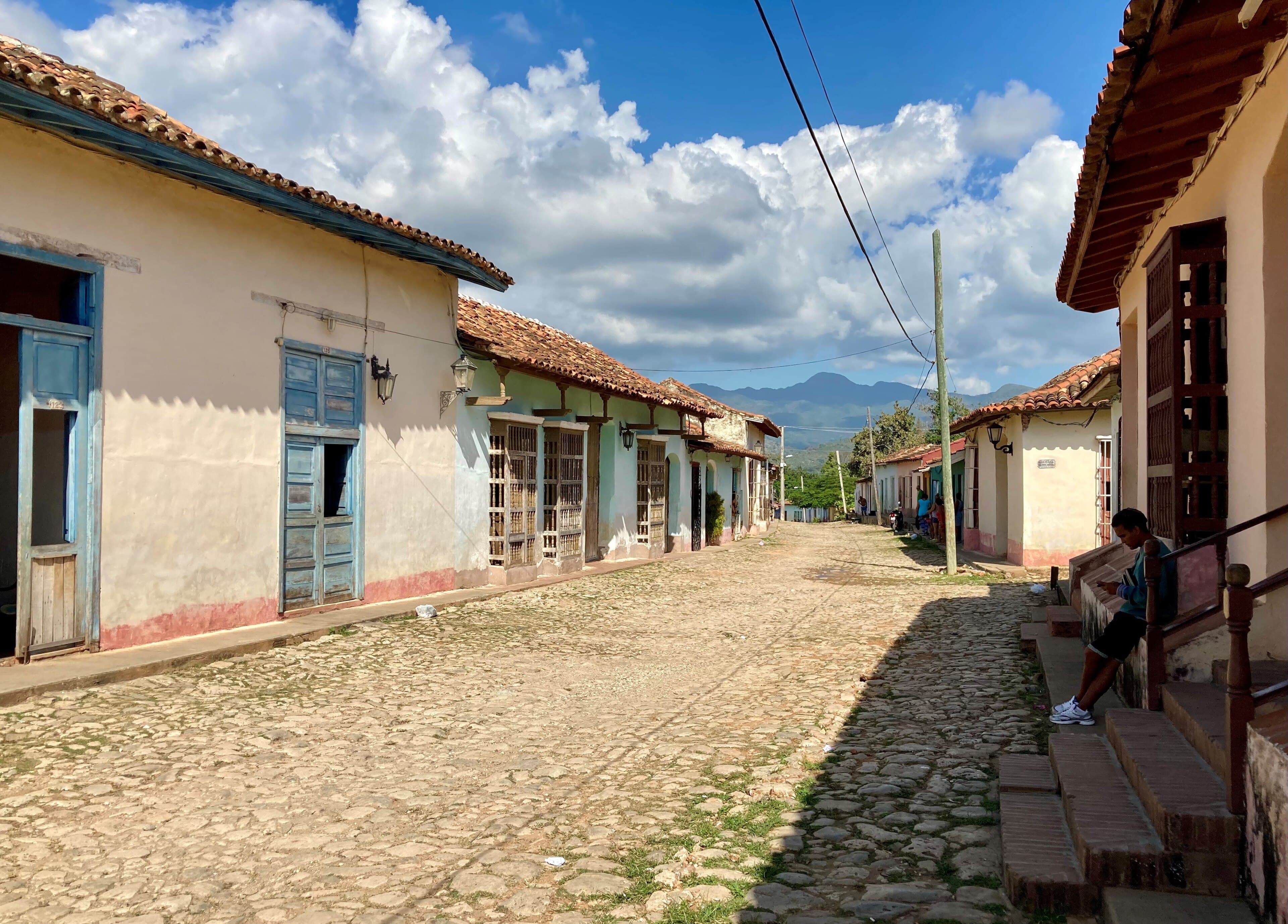
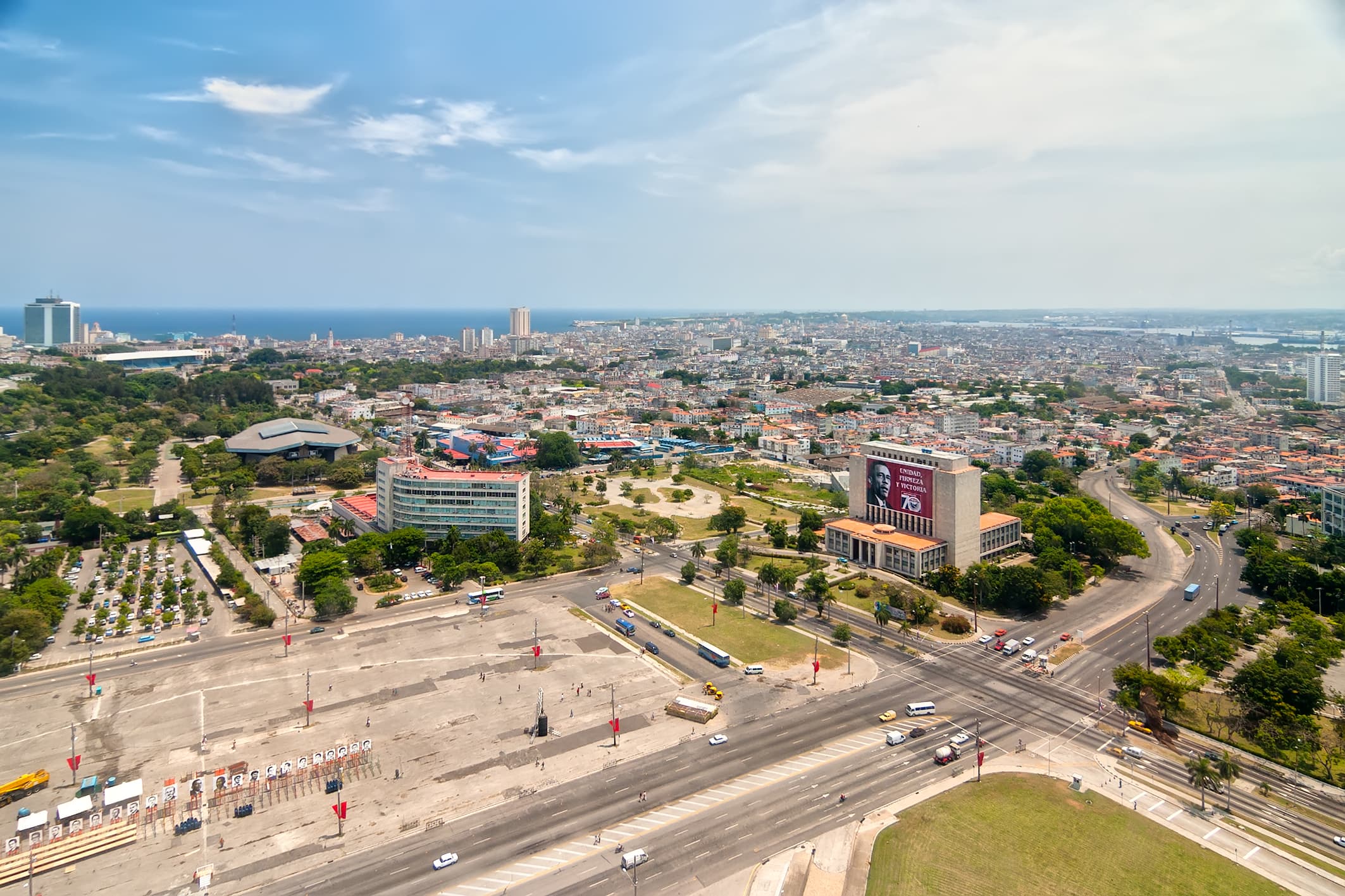
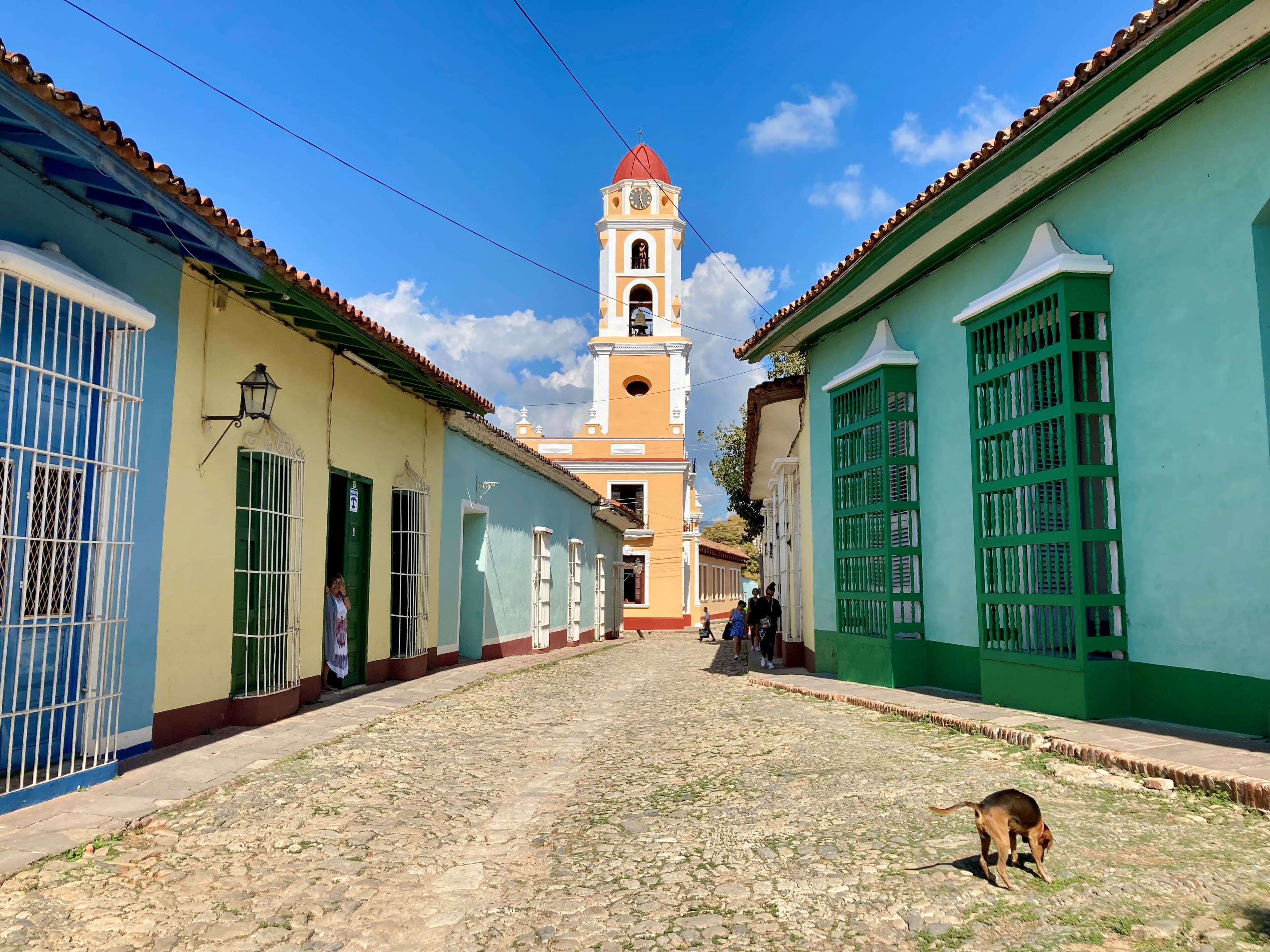
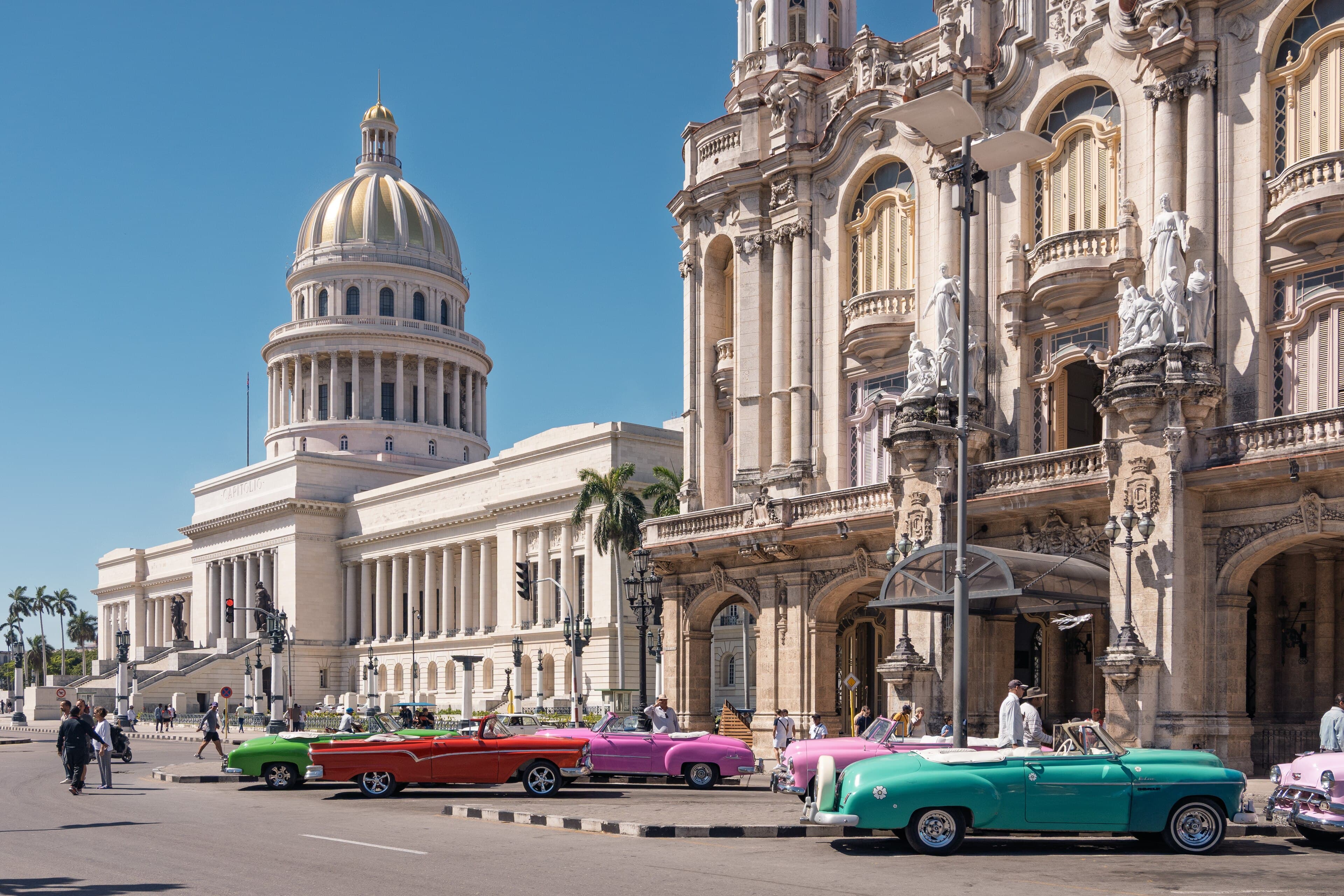
Cuba is the most singular island in the Caribbean — the largest (110,860 km², bigger than Portugal), the most populous (11.2 million inhabitants), the most history-laden and the most paradoxical. Cut off from world markets by the US embargo since 1962, it has crossed the 20th century without yielding to the transformations that homogenised so many countries. The fall of the USSR in 1991 and the periodo especial that followed had a paradoxical effect: they froze the country in a state close to that of the 1950s, turning each Cuban city into an accidental film set — pink Buicks and Chevrolets, pastel colonial façades, wrought-iron balconies with laundry hanging out to dry, social life in the street.

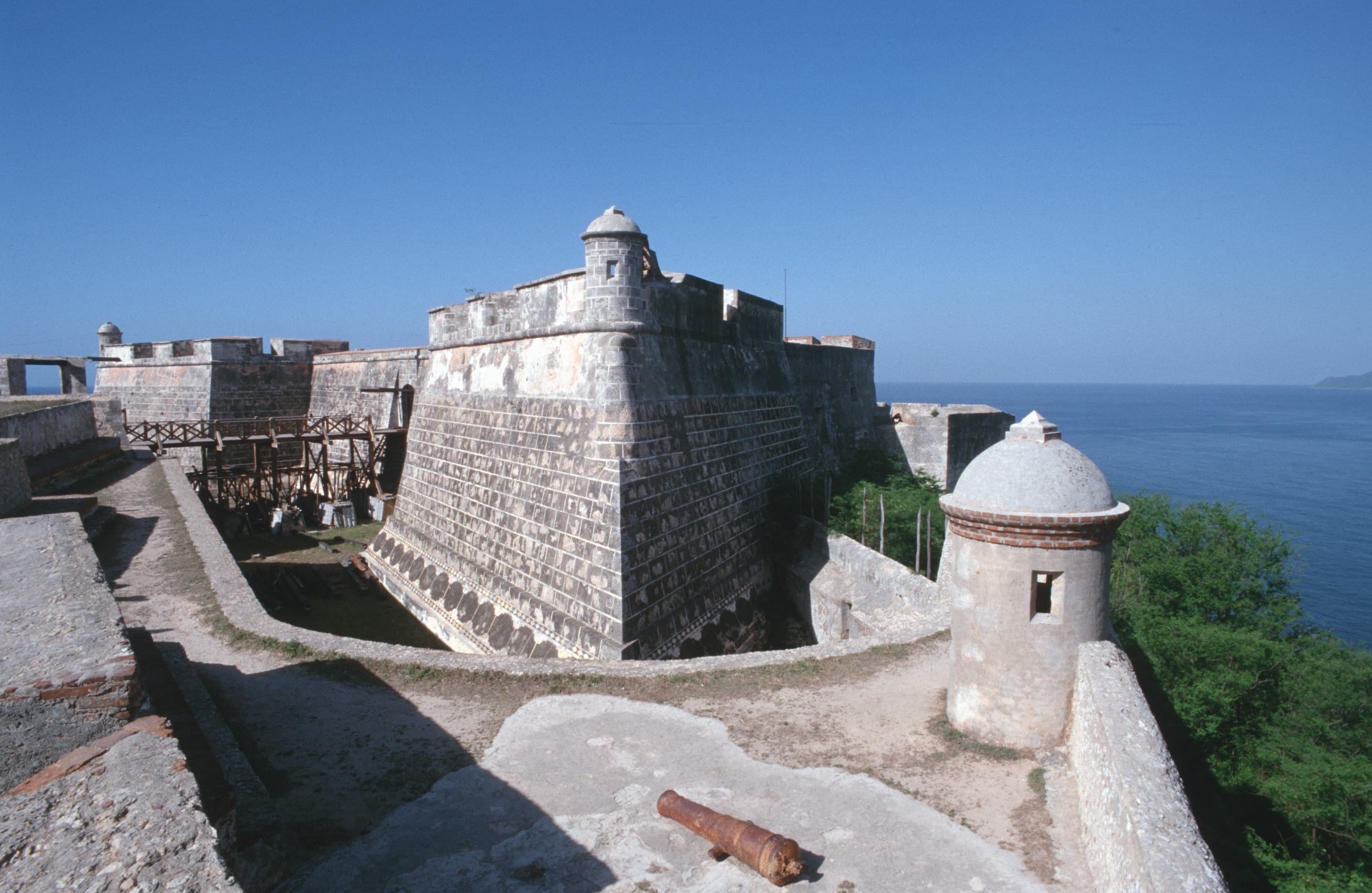
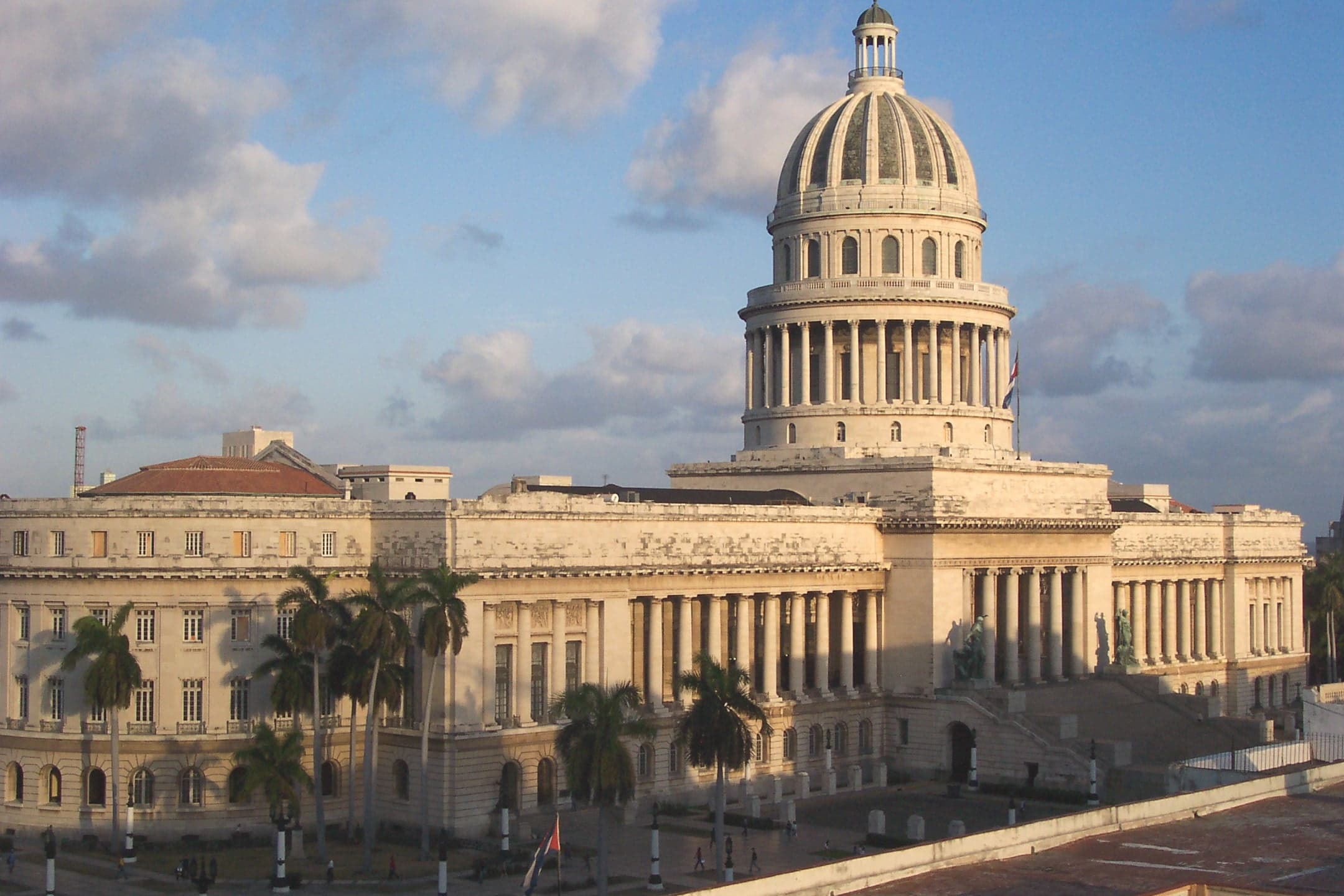
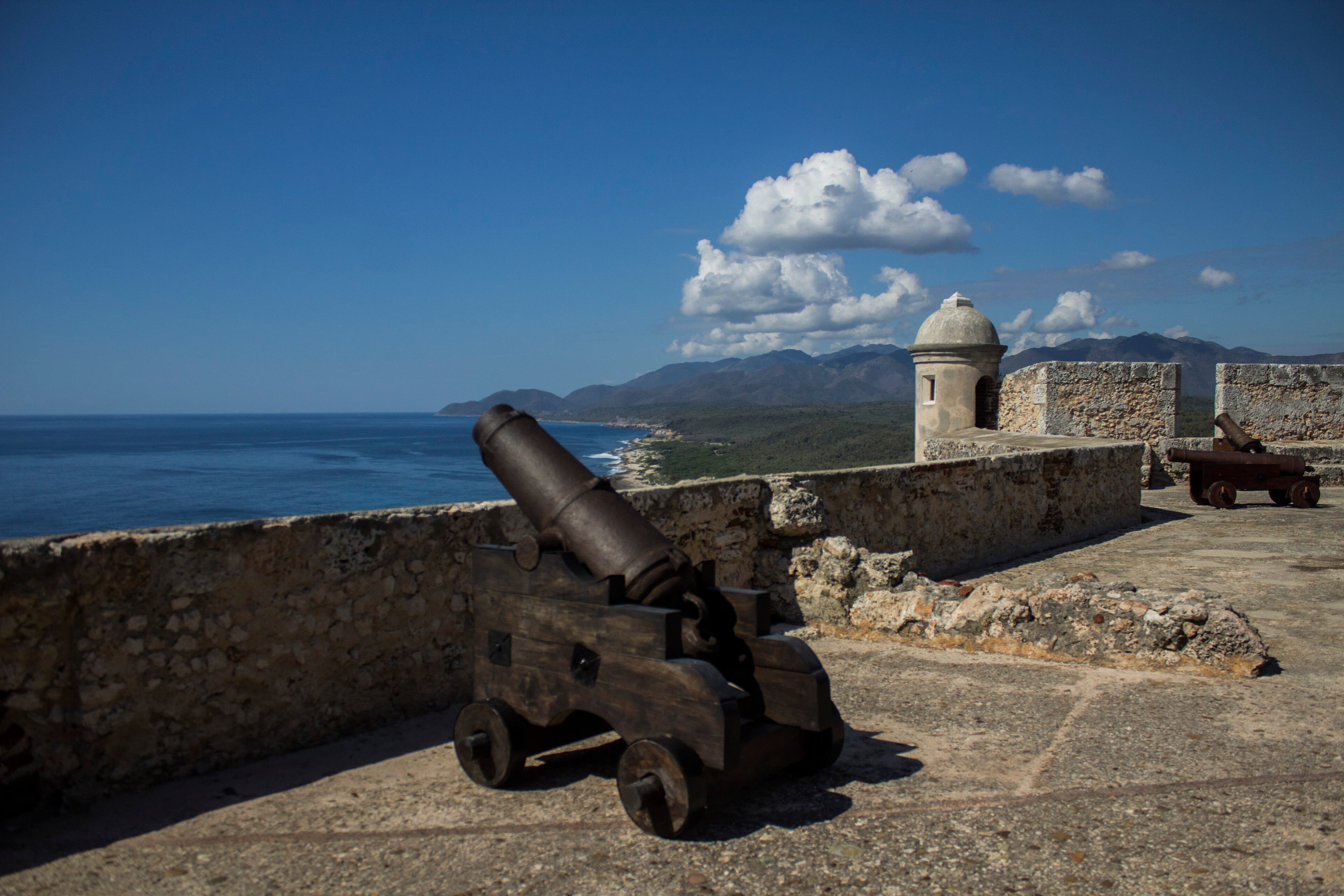
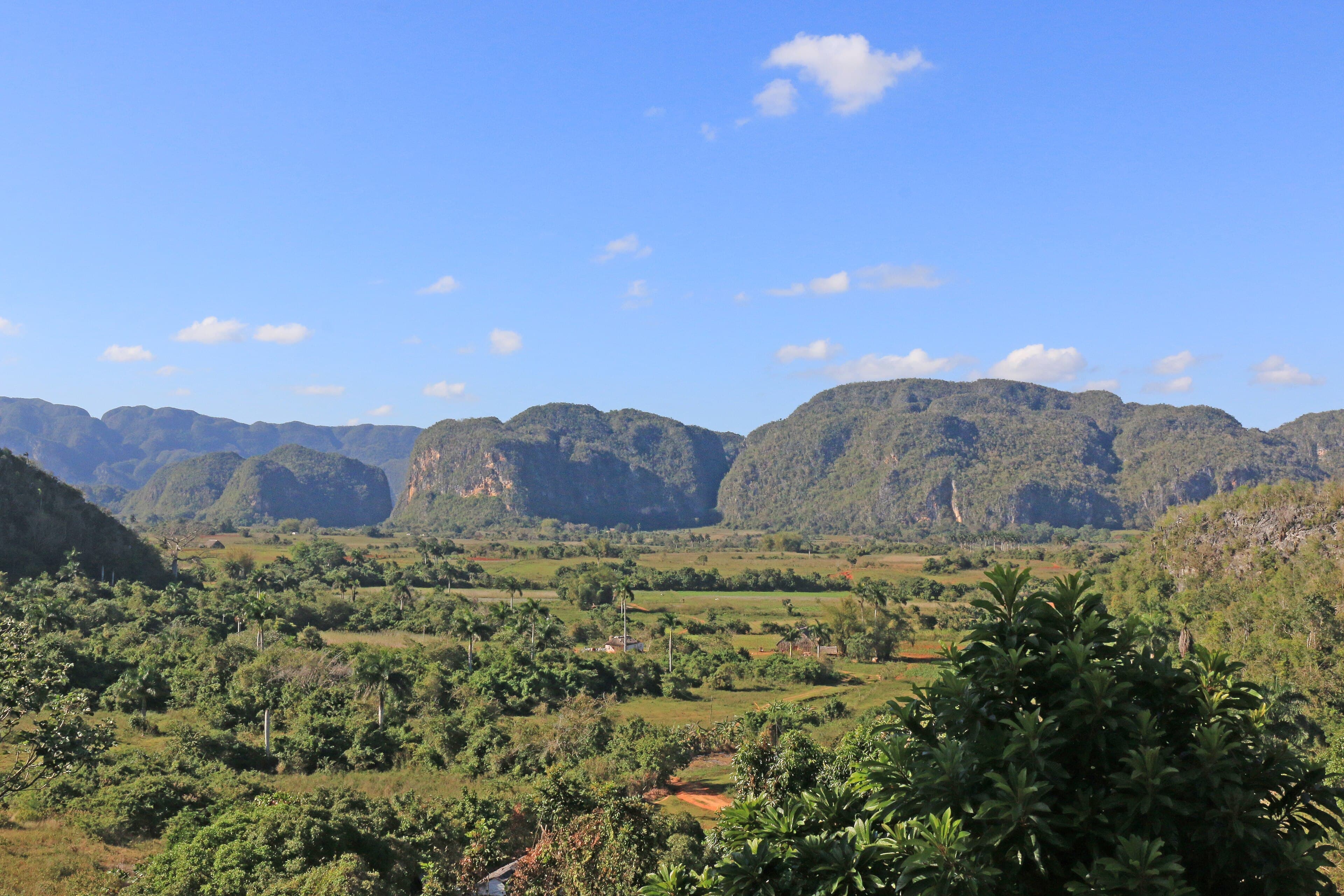
Cuba's heritage richness is exceptional. Nine UNESCO World Heritage sites, including Habana Vieja (Havana's colonial centre), Trinidad and the Valle de los Ingenios, the Viñales Valley (world-unique karst mogotes), the Castillo del Morro of Santiago de Cuba, the city of Cienfuegos (French neoclassical urbanism), the Desembarco del Granma national park (site of Castro's 1956 landing), the Alejandro de Humboldt park (biodiversity), the colonial city of Camagüey and the archaeological landscape of the Sierra Maestra. Each merits a trip in itself.

Cuban culture is among the richest and most vibrant in the world. Cradle of son cubano (the traditional musical style born in Santiago in the 19th century, direct ancestor of salsa, mambo and cha-cha-cha), Cuba gave the world Compay Segundo, Eliades Ochoa, Buena Vista Social Club, Celia Cruz and many legends. Dance (salsa, rumba, conga) is everywhere — in the casas de la música, on public squares, on the Plaza Mayor steps of Trinidad every evening. Literature (José Martí, Alejo Carpentier, Reinaldo Arenas) and cinema (Fresa y Chocolate) have also left their mark on world culture.

But Cuba is not just a frozen set — it is also a paradoxical contemporary nation: rigid communist political system but deeply mixed-race and tolerant society, chronically scarce economy but among the warmest hospitalities in the world, diplomatic isolation but exceptional cultural openness. Accept the shortages (water, electricity, everyday goods), the slowness (Caribbean pace, ageing infrastructure), the unforeseen (Cubana domestic flight cancellations, restaurants out of certain dishes) — that is the price of entry for an authentic and deeply human Cuban experience.

What we love

  • Preserved authenticity: Cuba is frozen in an era that no longer exists anywhere else, a unique experience
  • Exceptional cultural density: 9 UNESCO sites, capital of son cubano and salsa, unrivalled music scene
  • Warm hospitality: casas particulares (rooms in private homes) among the most welcoming in the world
  • High safety: very low violent crime rate, one of the safest destinations in Latin America
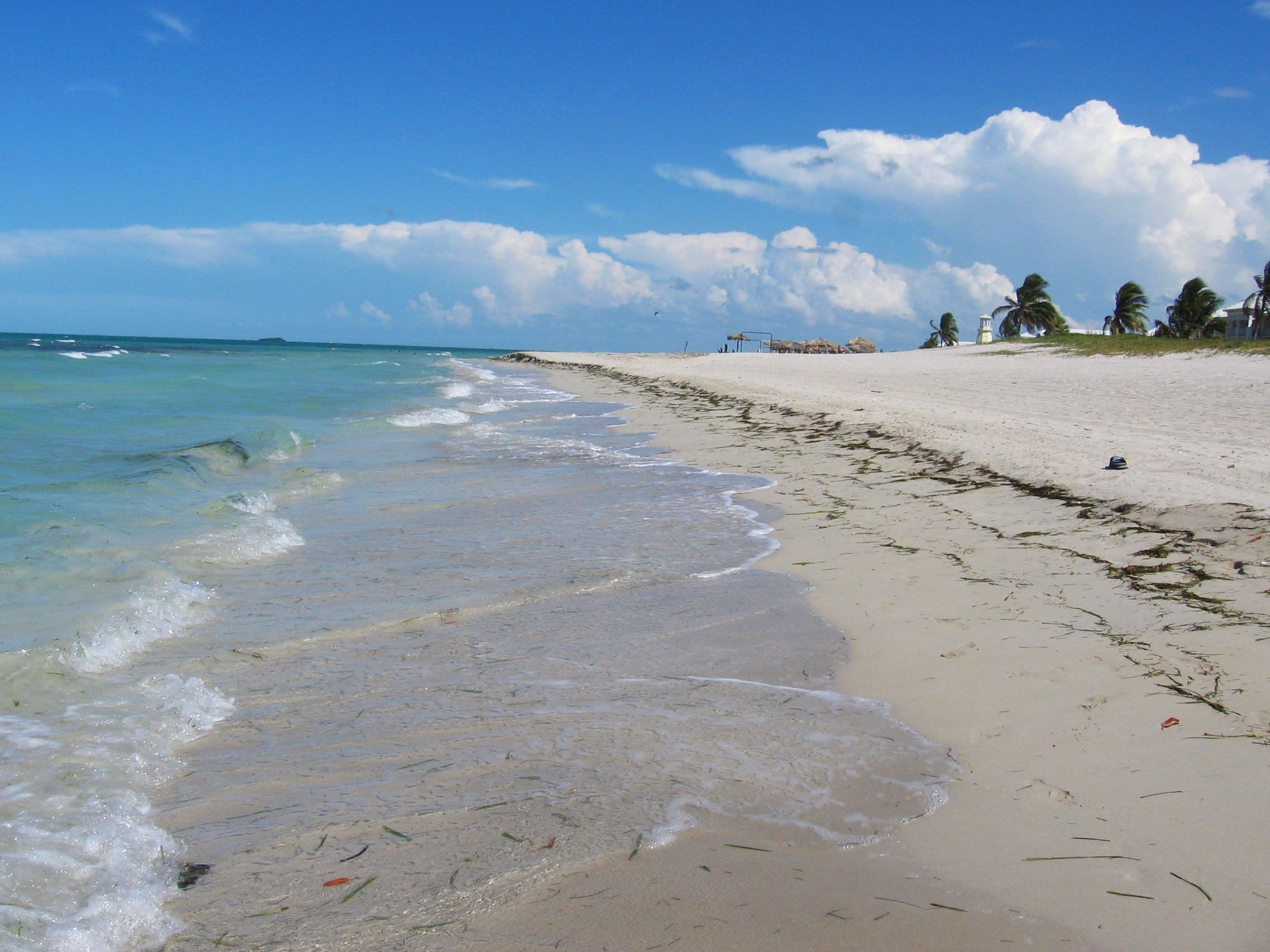
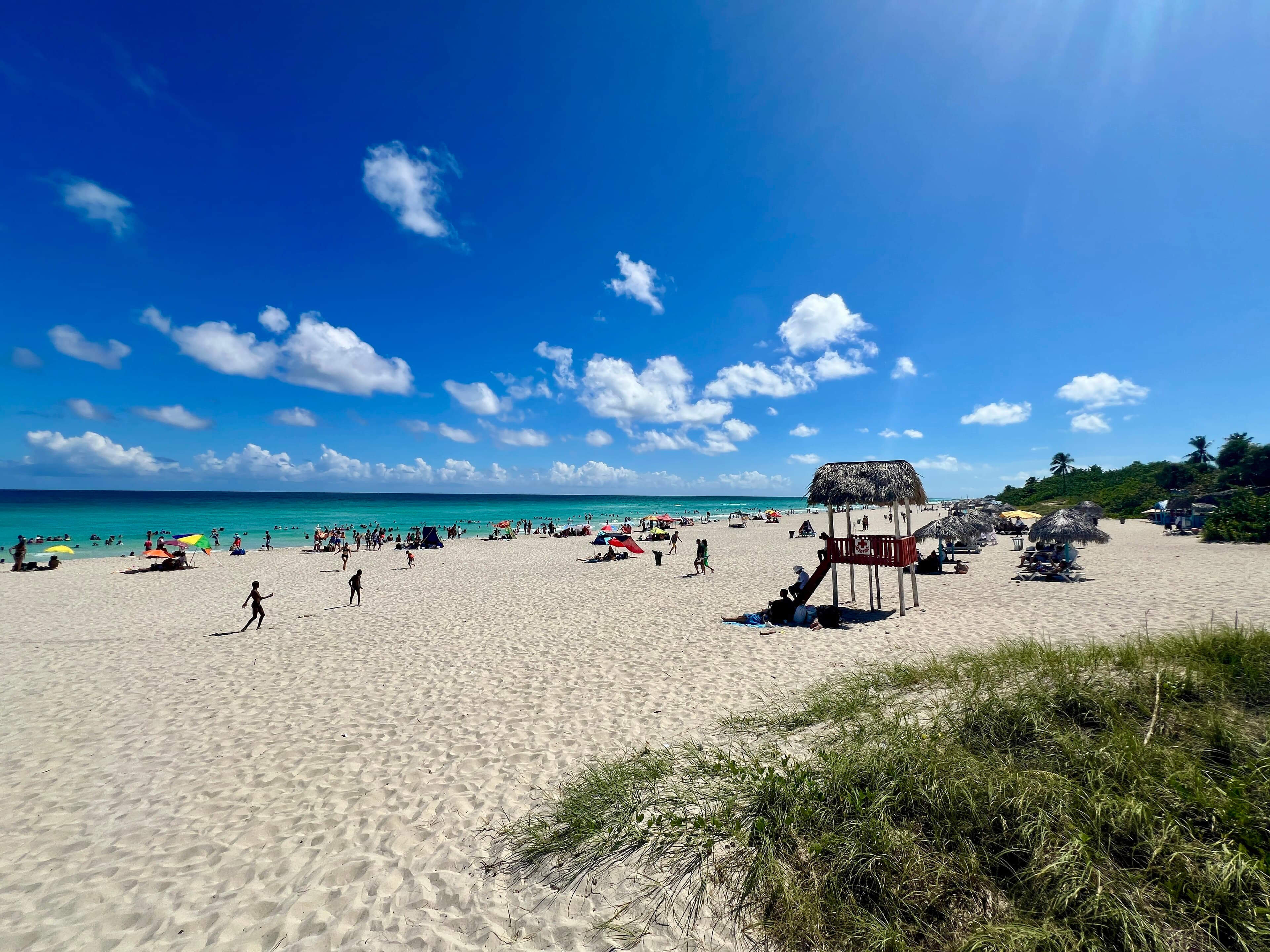
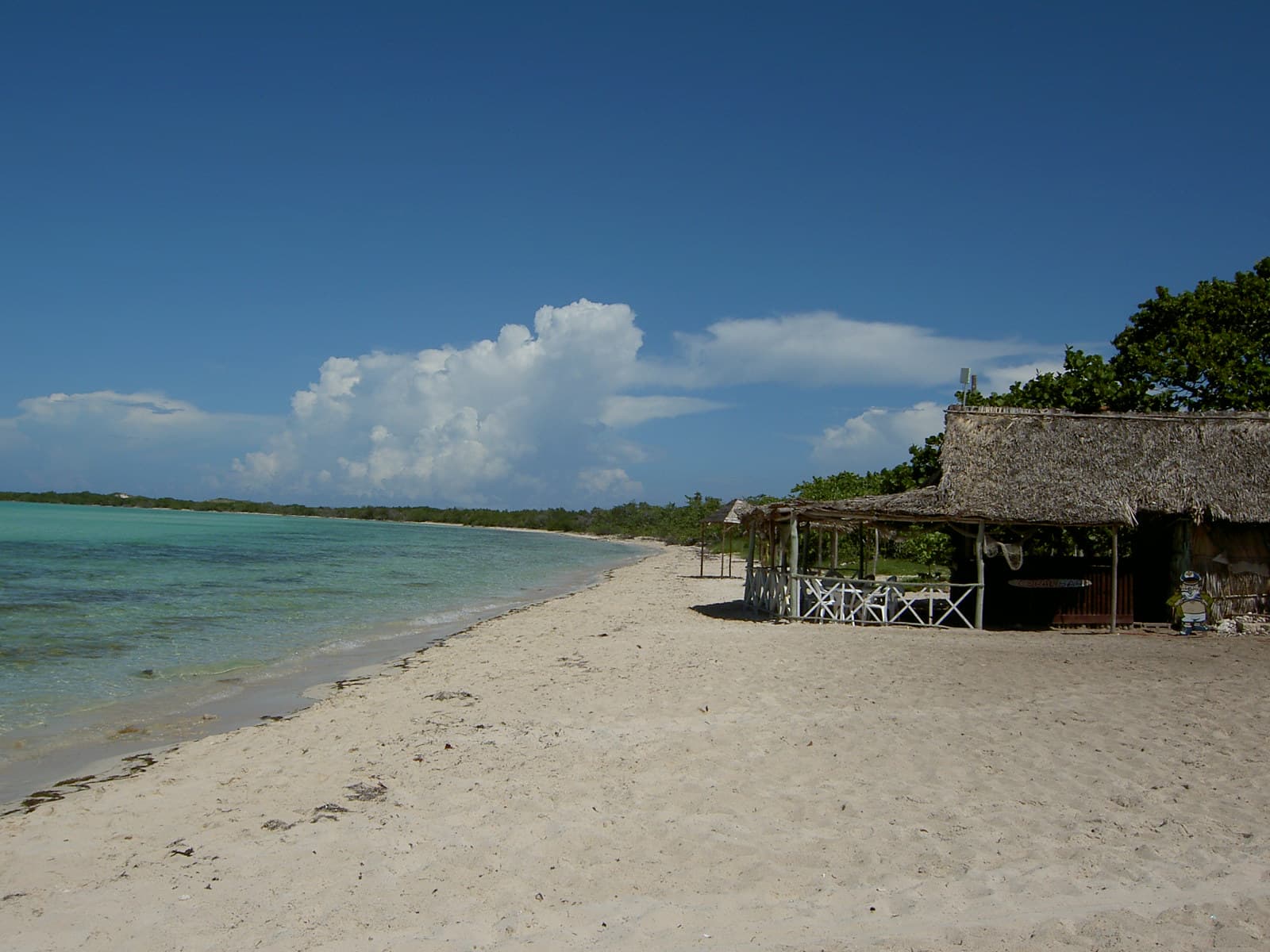
  • Beaches among the most beautiful in the Caribbean (Varadero, Cayo Coco, Cayo Largo) at moderate cost

What to know

  • Chronic shortages: water, electricity, everyday goods — affects even the best hotels and casas particulares
  • Slow, expensive internet, Wi-Fi only via ETECSA cards in certain zones
  • Complex monetary ecosystem (CUP, MLC, USD/EUR) — bring cash in quantity
  • Serious hurricane season (June-November) with regular major hurricanes
  • Mandatory tourist visa (Tarjeta de Turista €25) and Cuba travel insurance required on entry

Explore Cuba

Our itineraries

Regions
Popular spots
Situation

Où se situe Cuba ?

Ouvrir la carte en grand sur OpenStreetMap →

Frequently asked questions

Do you need a visa for Cuba?+
Yes, a __mandatory tourist visa__ — the __Tarjeta de Turista__ (tourist card) — is required for European travellers: €25 from a travel agent or the Cuban consulate (before departure). Valid for 30 days on arrival, renewable once for 30 more days (€25 extra, on site). The D'Viajeros form (online health and customs) must be filled within 72h before arrival. __Travel insurance covering Cuba__ is mandatory on entry and may be checked at the airport — make sure 'Cuba included' appears explicitly on your certificate.
When is the best time to visit Cuba?+
The __dry season (November to April)__ is the best time: perfect temperatures (23-29 °C depending on region), low humidity, permanent blue sky, no hurricane risk. It is also high tourist season — book casas particulares 2-3 months ahead for December-February. Avoid the __hurricane season__ (June-November, peak in September) with its regular major hurricanes. July is exceptional for the __Santiago Carnival__ (3rd week, the biggest party in Cuba) — but accept the extreme heat (34-35 °C, 90% humidity) in exchange.
What currency to use in Cuba?+
Cuba unified its currency in 2021 around the __Cuban peso (CUP)__ after scrapping the CUC. Tourists now use CUP for most purchases, but some hotels, state shops (MLC) and big chains require payment in USD, EUR or via a special MLC card. Bring __euros in cash__ (better than dollars due to the 10% US tax), exchange only at official CADECA counters. European bank cards work at some ATMs (US-issued cards refused). Bring plenty of cash: Cuba remains largely cash-based.
How many days do you need for Cuba?+
Minimum __10 days__ for a balanced first trip: 3-4 nights in Havana (UNESCO Habana Vieja, Malecón, salsa), 2-3 nights in Viñales (UNESCO tobacco valley), 2-3 nights in Trinidad (UNESCO colonial city), possibly 2-3 nights in Varadero or Cayo Coco (beach). With __14-21 days__, add Cienfuegos, Santa Clara, Santiago de Cuba (recommended domestic flight) and Baracoa for a complete Cuban experience. With 7 days, limit yourself to Havana (3-4 nights) + Viñales (2 nights) + Varadero (2 nights) — a concentrated itinerary.
Casa particular or hotel in Cuba?+
The __casa particular__ is the quintessential Cuban experience: room in a private home (official licence required), generous home-cooked breakfast, conversations with hosts, authentic atmosphere. Expect €25-40/night for a double room with breakfast. State hotels (Inglaterra, Nacional, Saratoga, Iberostar Grand Trinidad) offer more comfort but cost €120-300/night with sometimes uneven service due to shortages. __All-inclusive resorts__ in the Cayos (Varadero, Cayo Coco, Cayo Largo) are the comfortable beach option but cut off from real Cuba. Ideally combine casa particular (cultural) + 4-5 nights resort (beach) for a complete trip.
How do you get around in Cuba?+
Several options depending on context. The __Viazul bus__ (€5-60/trip) is the main tourist transport — comfortable, air-conditioned, but booking mandatory online at viazul.com 1-2 weeks ahead. __Shared taxis__ (long-distance almendrones, €15-35 per person) are faster and more flexible. A __private car with driver__ (€80-200 per trip) is the most comfortable. Car __hire__ (€50-70/day, often 3-day minimum) offers maximum freedom for a cultural loop, but beware of mid-quality roads and occasional fuel rationing. __Domestic flights__ (Cubana, Aerogaviota, €80-180 return) are essential to reach Santiago, Cayo Coco and Cayo Largo — but Cubana is notorious for delays.
What to eat in Cuba?+
Cuban cuisine is simple and generous Creole cooking: __ropa vieja__ (shredded beef in tomato sauce), __arroz congrí__ or __moros y cristianos__ (rice and black beans, national dish), __lechón asado__ (roast suckling pig), __langosta enchilada__ (Creole-style lobster, Trinidad and Cayos speciality), __tostones__ (fried plantain), __yuca con mojo__ (manioc with garlic). Dessert side: __cucurucho__ (coconut and sugar cone, Baracoa specialty), flan, Coppelia ice cream. Drinks: __mojito__ (rum-mint-lime-sugar-soda, invented at La Bodeguita del Medio in Havana), __cuba libre__ (rum-coke), __daiquiri__ (rum-lemon-sugar), __cristal__ and __bucanero__ (local beers). Prefer __paladares__ (private restaurants) over state restaurants — much higher quality.
Do internet and phones work in Cuba?+
Yes, but complicated. State company __ETECSA__ sells prepaid cards (€1 per hour) for use in public Wi-Fi zones (parks, main squares) or via equipped hotels. A growing number of casas particulares offer in-room Wi-Fi via Nauta Hogar subscription. Buy a __Cuba eSIM__ before departure (Airalo, Holafly) for immediate mobile data, or a Cubacel SIM at the airport. European roaming does not work in Cuba (non-EU country), so an eSIM or local SIM is essential. Accept that everything will be slower than in Europe — it's part of the journey.
Is Cuba safe to travel in?+
Yes, Cuba is one of the safest destinations in Latin America in terms of __violent crime__ — very low homicide rate (4/100,000, comparable to France), almost no armed robberies. The main risks for tourists: __pickpockets__ in Habana Vieja and Trinidad in high season, classic __tourist scams__ (fake guides, fake cigars, dodgy taxis, inflated restaurant prices), __hurricane season__ (June-November). Solo women travellers may receive persistent verbal hassle (catcalling) but rarely physical. Standard precautions suffice: copy documents separately, split cash, wear bag across body. Medical care is decent in major cities but travel insurance is essential.

Our verdict

Cuba is one of the most singular destinations in the world — a nation that crossed the 20th century without yielding to global homogenisation, frozen in an authenticity that no longer exists anywhere else. The density of its colonial heritage (9 UNESCO sites), the vibrancy of its music scene (cradle of son cubano and salsa), the exceptional hospitality of its people and high safety make it a unique destination. The flip side is just as coherent: chronic shortages, ageing infrastructure, limited internet, complex monetary ecosystem. Accept these constraints — they are part of the Cuban experience. Always combine Havana (culture), Viñales (nature), Trinidad or Santiago (colonial heritage) and possibly the Cayos (beach) for a complete 10-14 day trip.

Similar destinations

The Editors
The Editorsauteur principal✓ Verified

Expert on Cuba · 1 contributions

Mowando Letter

Once a month: the right destinations for the right season + the best booking windows.

No spam. One-click unsubscribe. Your data is never shared.