Central America & Caribbean
Martinique
The French Caribbean at the price of a national ID card — white sand in the south, black sand in the north, AOC rum, colombo and the Creole soul of a 1,100 km² tropical paradise.
- Capital
- Fort-de-France
- Currency
- Euro (EUR)
- Languages
- Français, Créole martiniquais
- Budget
- From €110/day/person; budget from €70-85, comfort €110-160, luxury €250+
Martinique at a glance
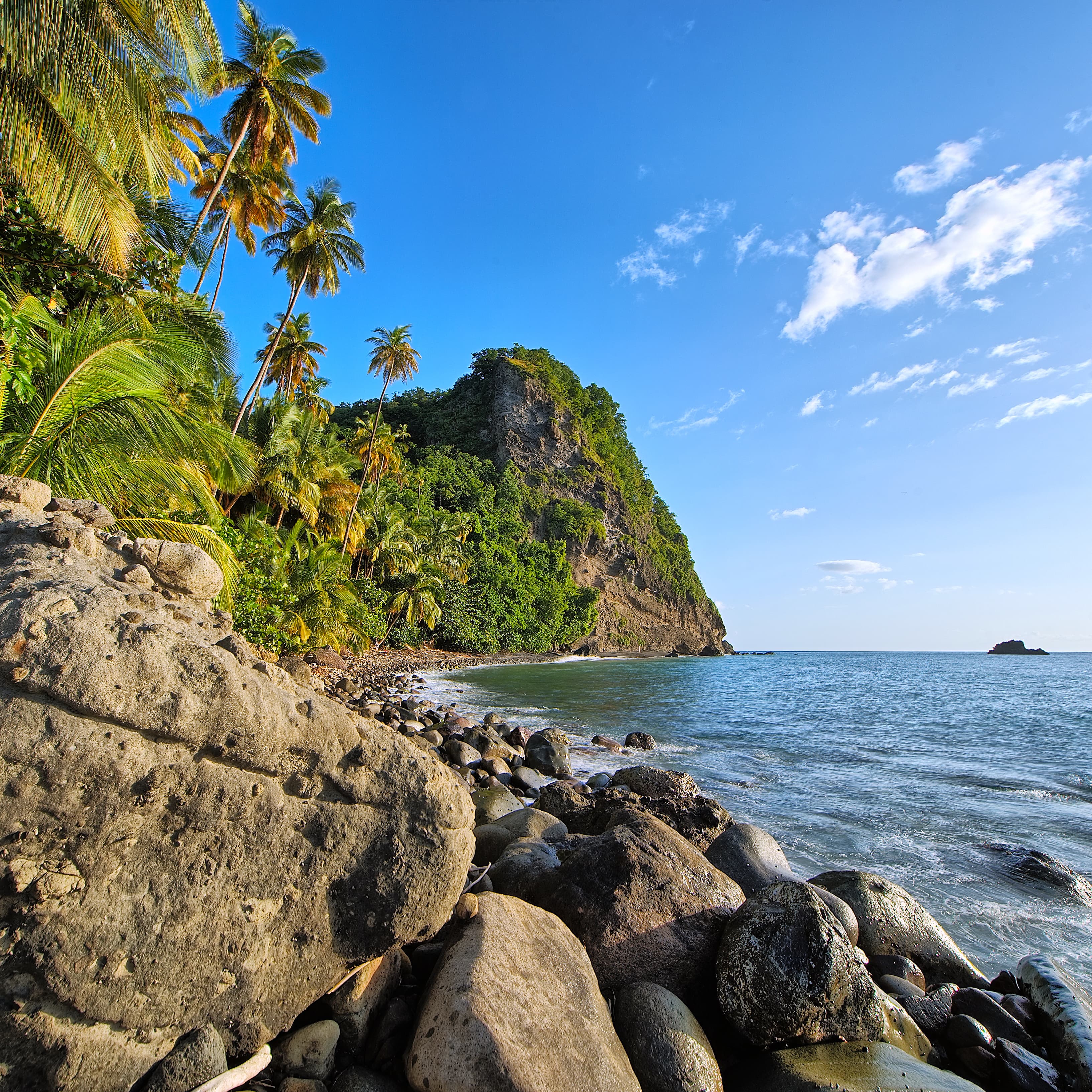
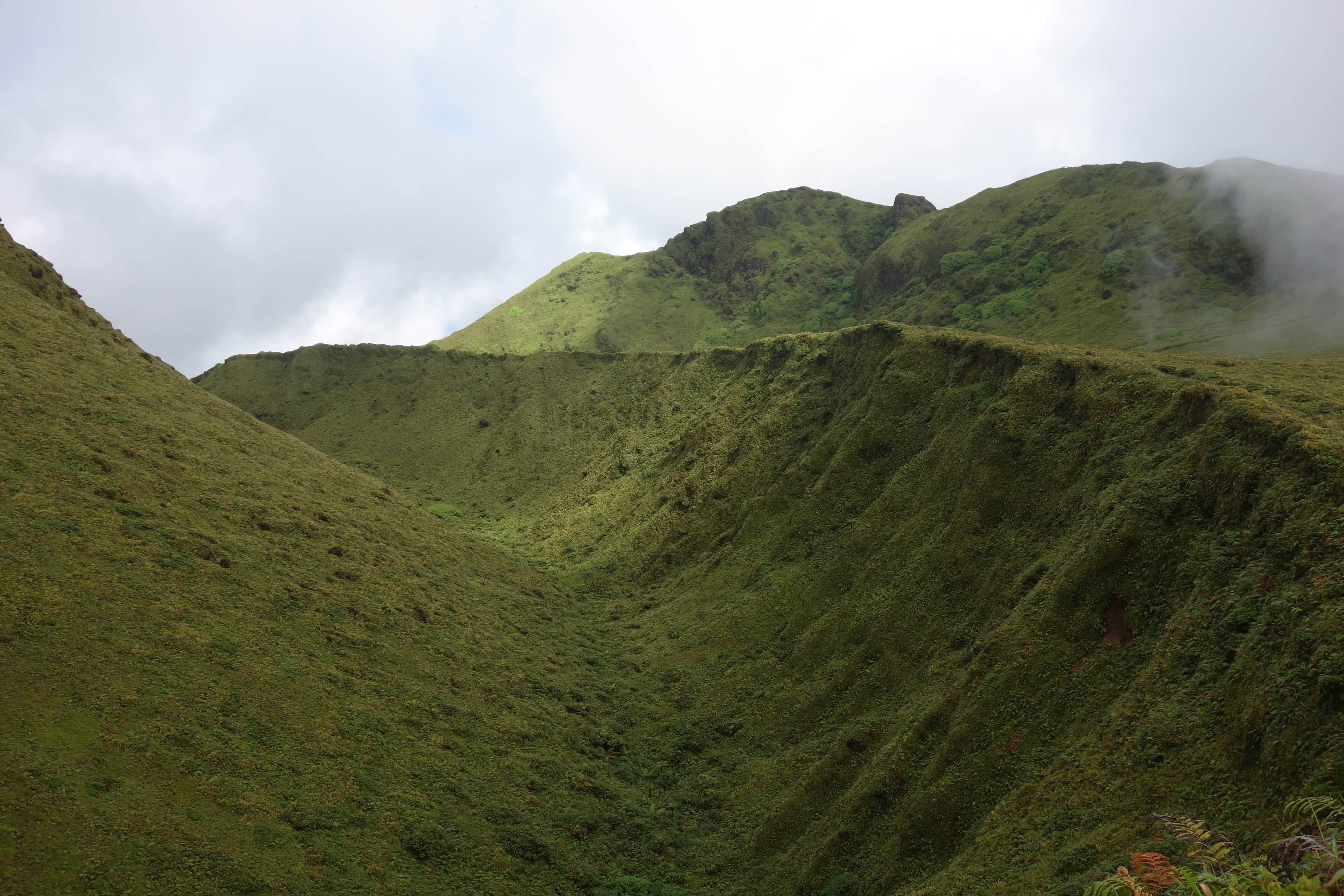
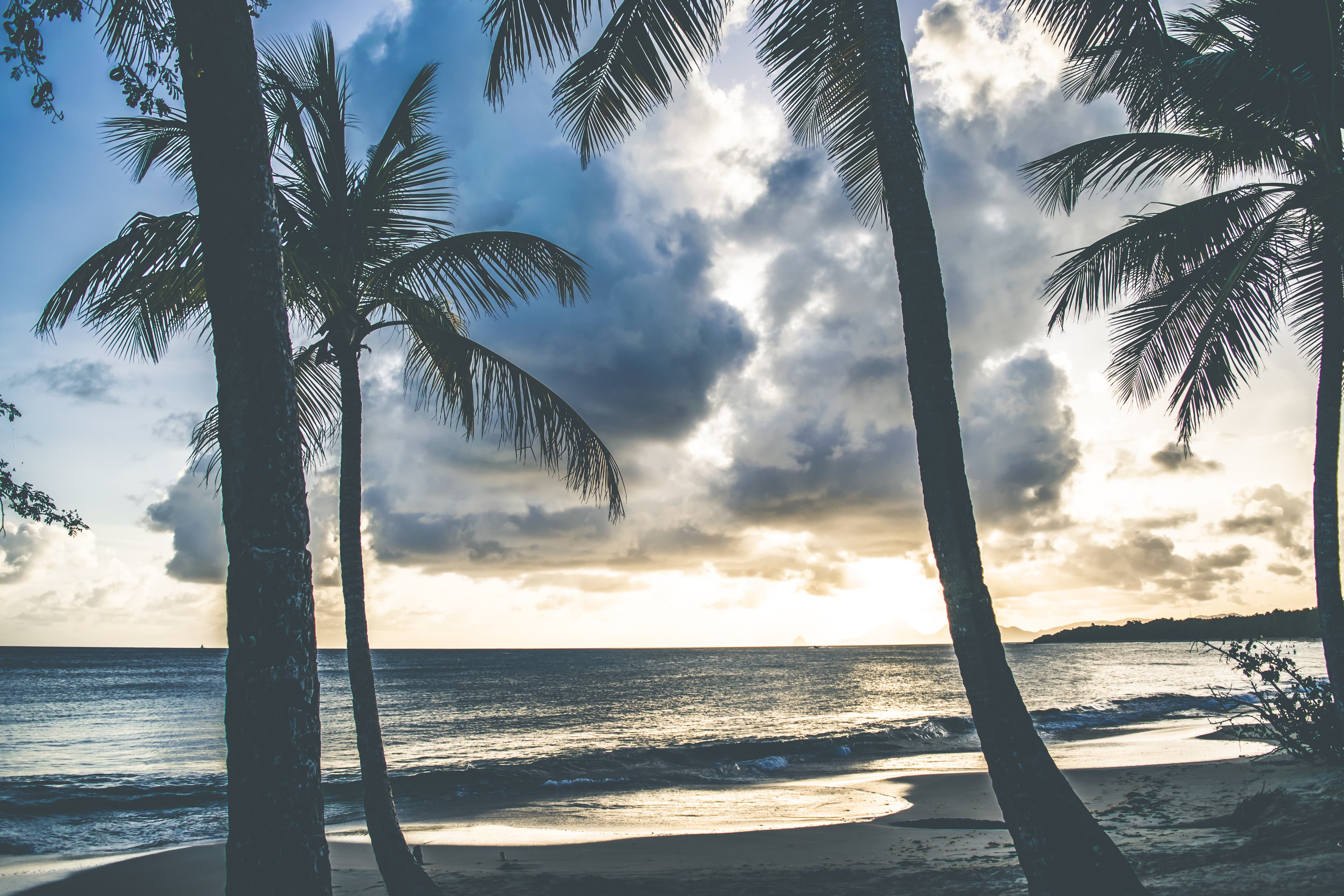
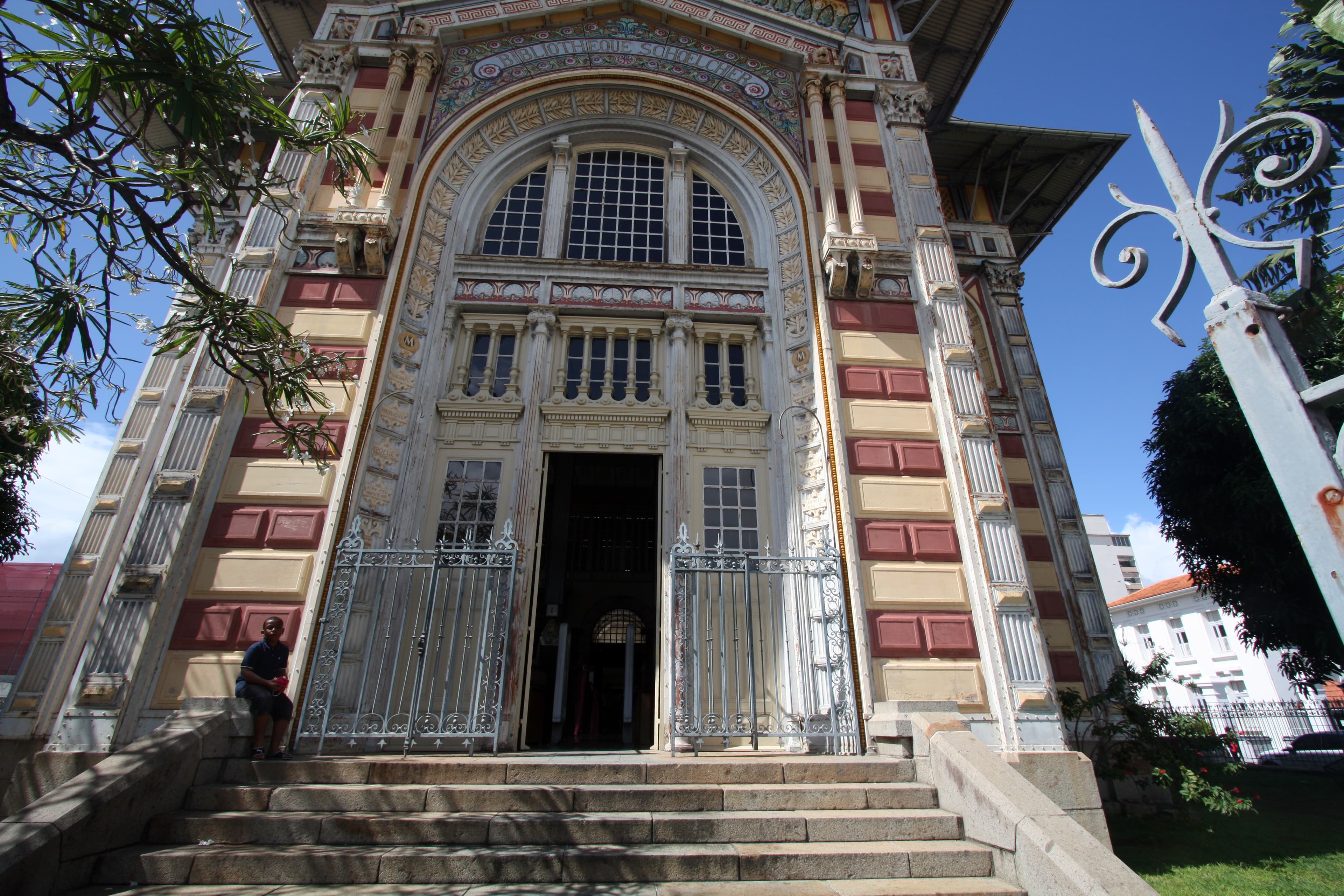
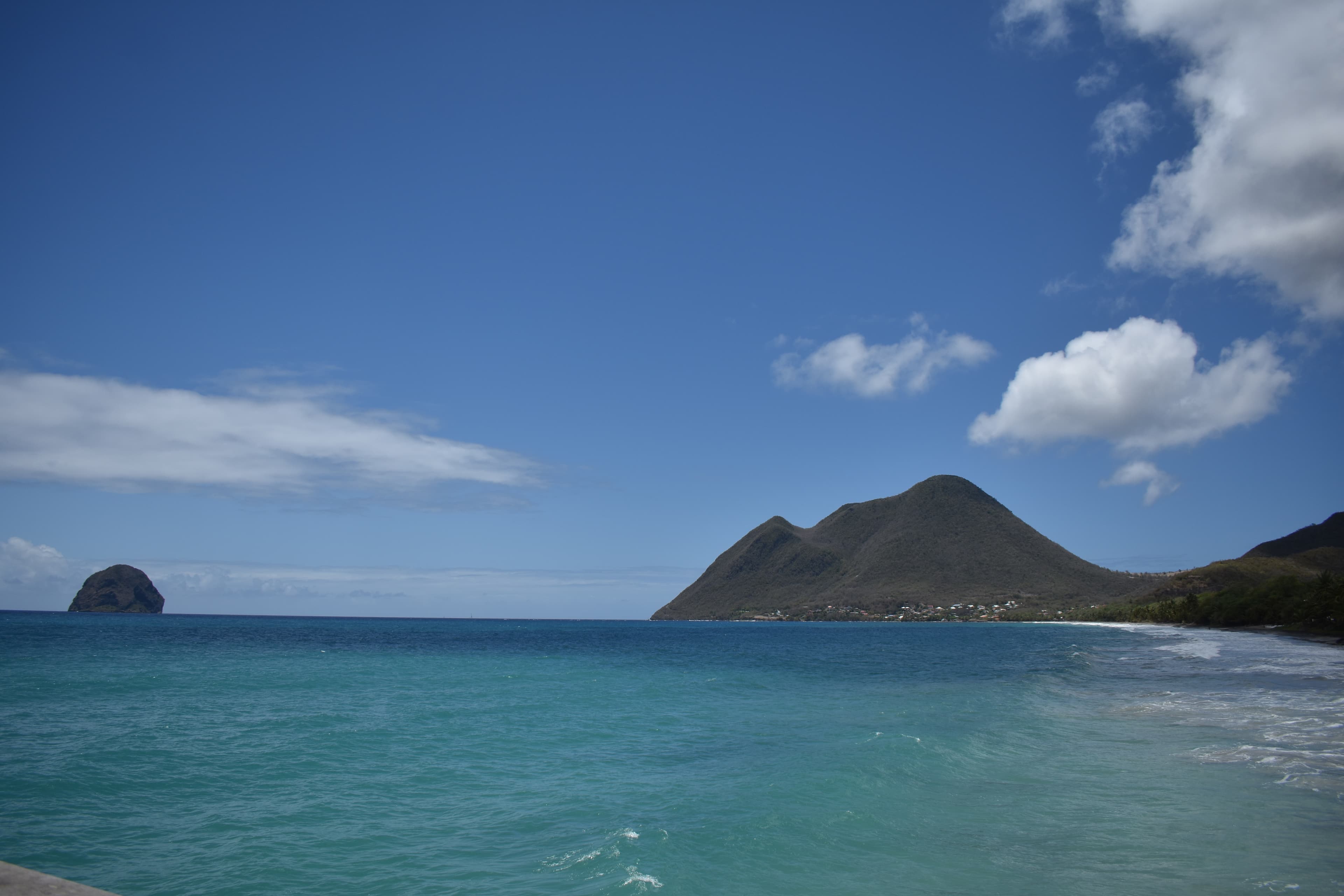
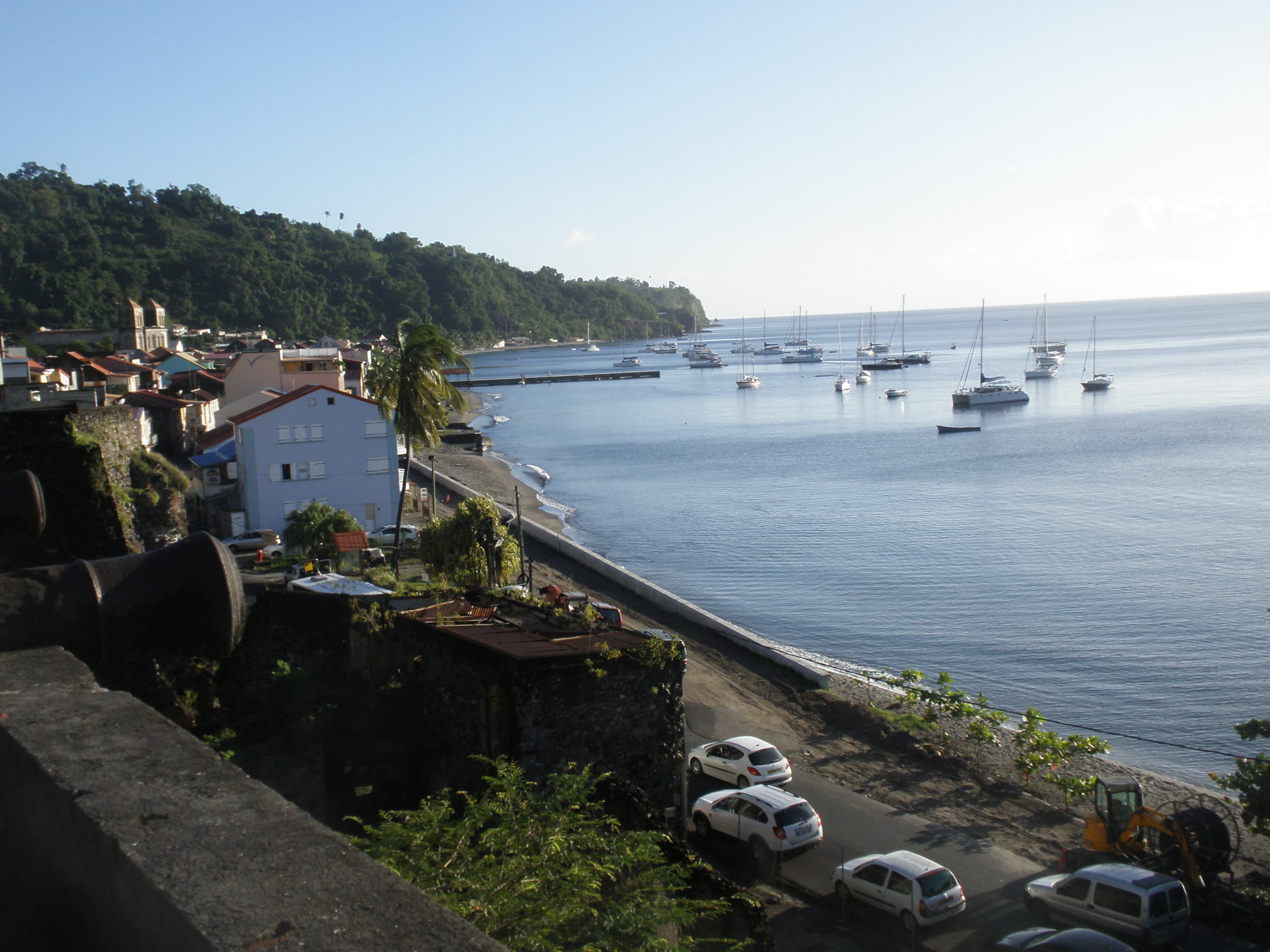
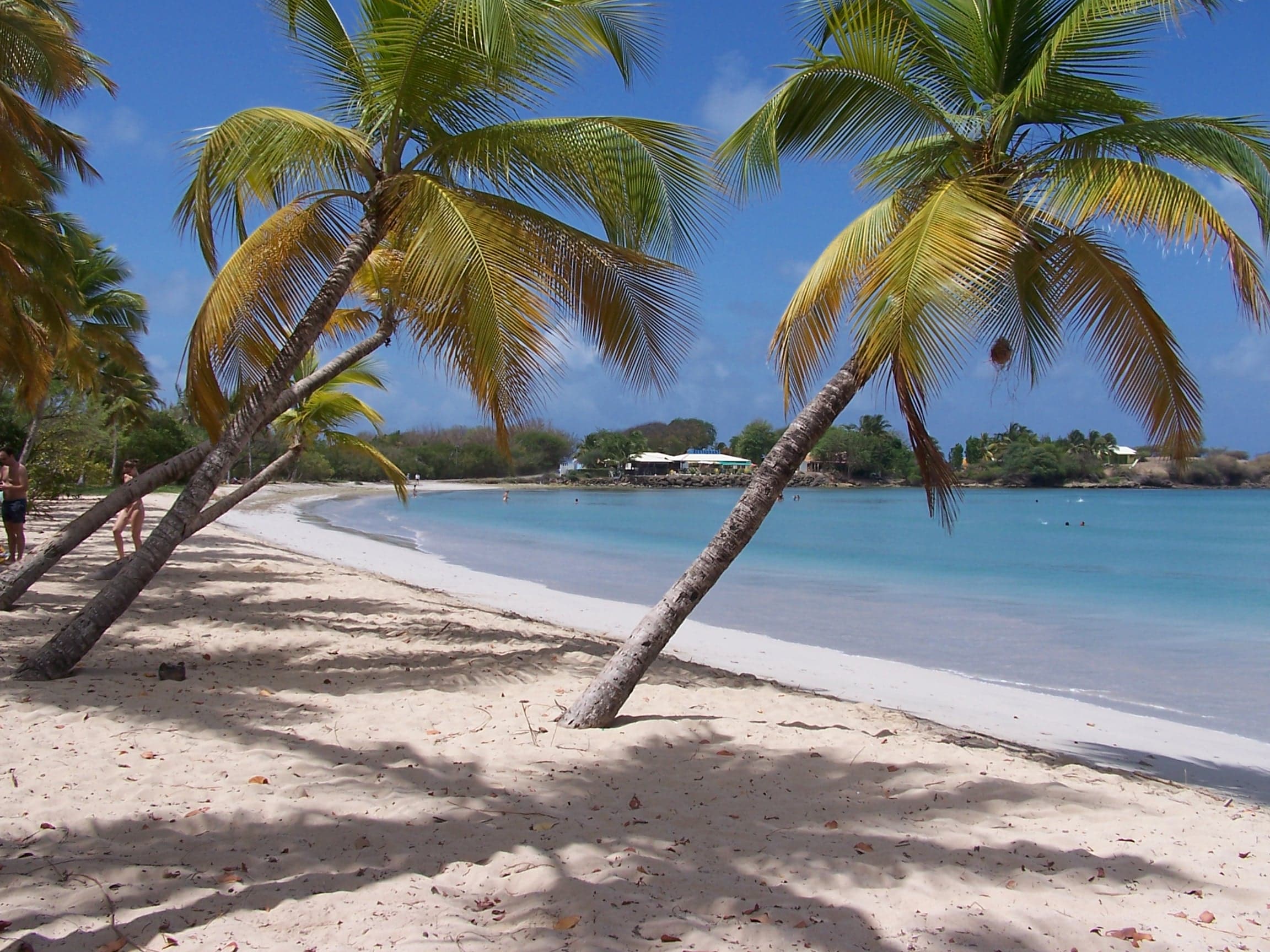
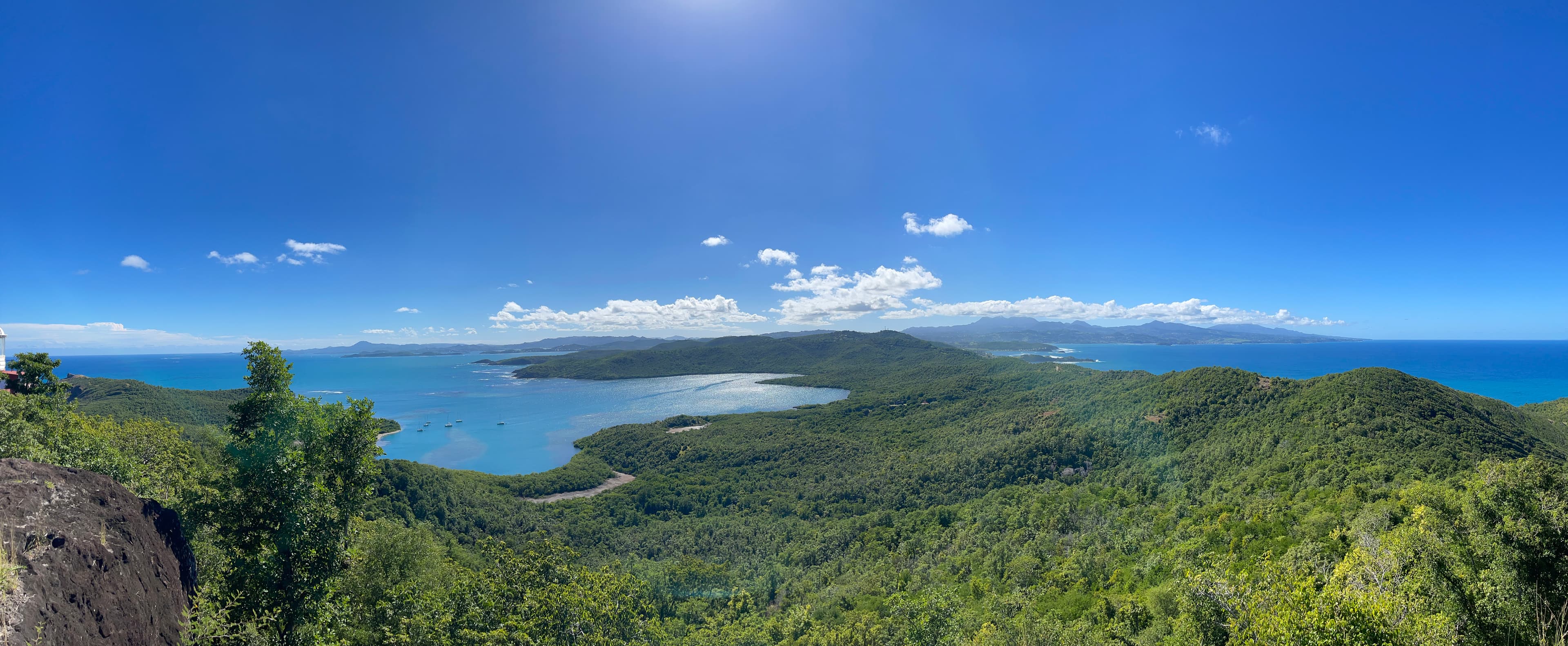
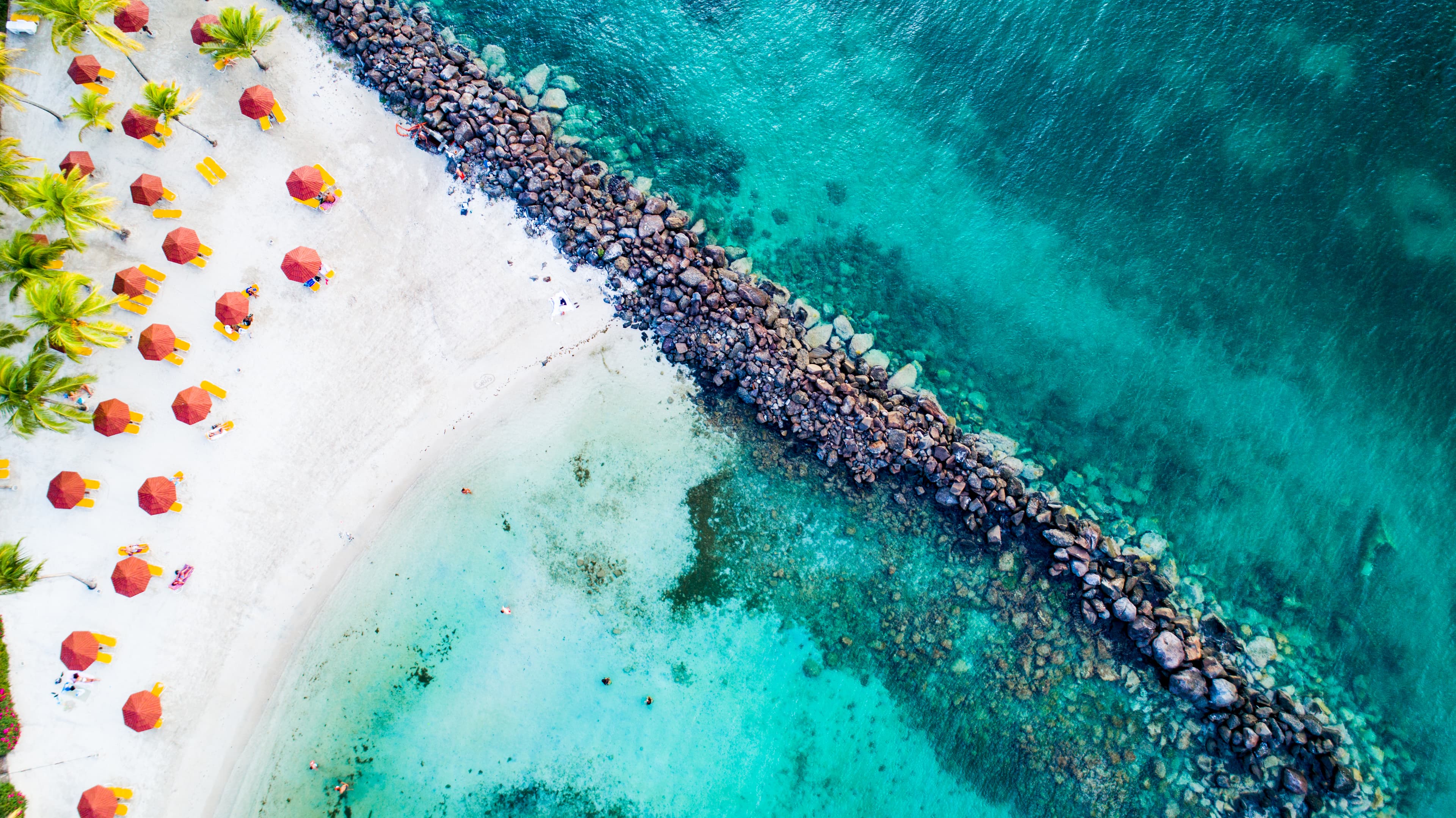
Martinique is the island the Caribbean may have kept best: a 1,128 km² territory lost in the Antillean arc, between Dominica to the north and Saint Lucia to the south, where French art of living meets Creole culture, AOC agricultural rum and the most varied tropical landscapes of the Lesser Antilles. Nicknamed Madinina by the Carib Amerindians ("the island of flowers"), Martinique offers within a few hours' drive an exceptional landscape diversity: white sand beaches of the south (Les Salines, Anse Trabaud), black volcanic sand coves of the north (Anse Couleuvre, Anse Lévrier), mangroves of Génipa bay, humid tropical forest of the regional park, wild Caravelle peninsula classified as a Nature Reserve, and of course Mount Pelée (1,397 m), an active volcano sadly famous for its May 1902 eruption that destroyed Saint-Pierre in minutes and killed nearly 30,000.
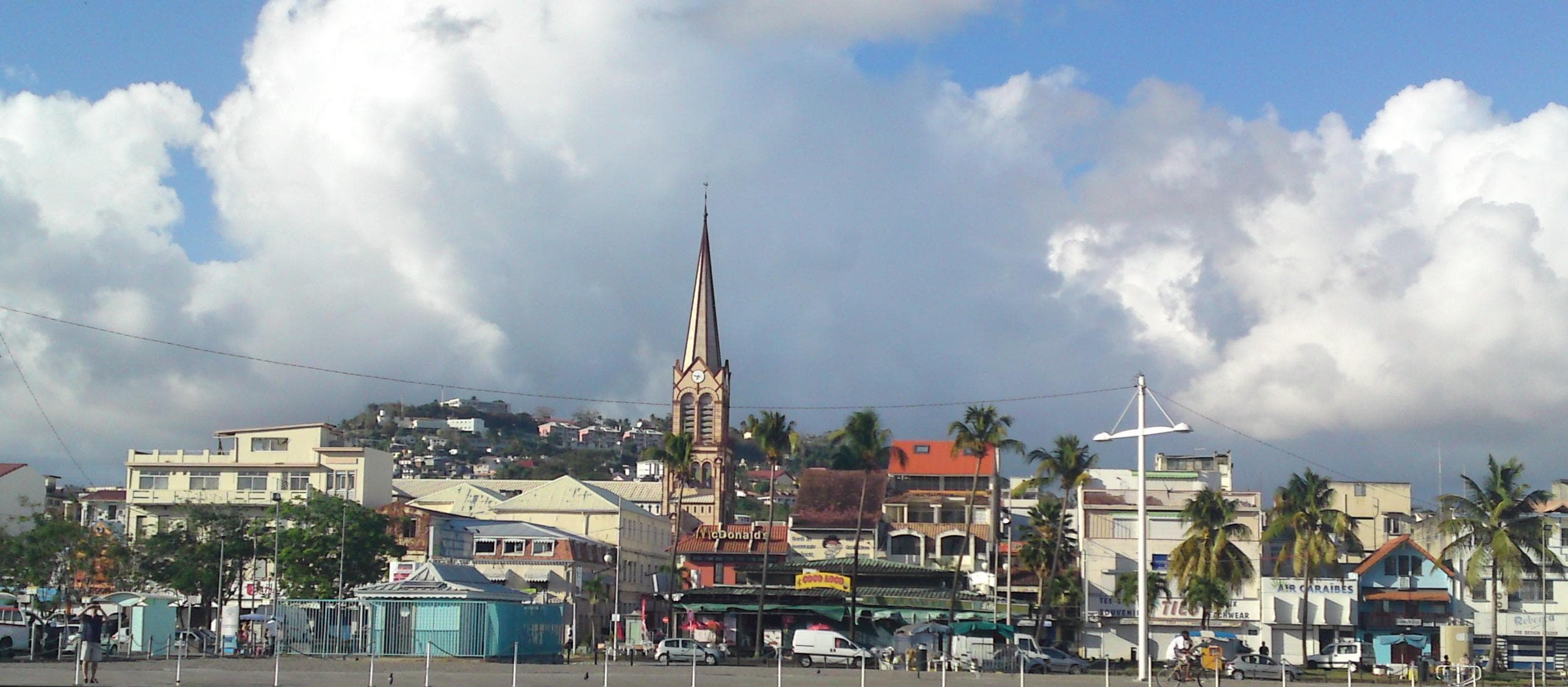
A French overseas department since 1946, Martinique allows European travellers a total change of scene without any administrative friction: no visa, no currency exchange, no exotic roaming, the same electrical outlets and the same health system as in mainland France. This unique accessibility nonetheless hides a real journey: the Creole language echoes through the Fort-de-France markets, the cuisine summons colombo of goat, cod accras and Creole black pudding, ti-punch is sipped at sunset on the wooden pontoons, and the yoles rondes — traditional sailing boats derived from fishermen's canoes — cleave the Caribbean Sea during the popular races that mobilise the whole island each summer.
Martinique is lived slowly: tropical heat, constant trade winds, Antillean rhythm impose a gentle tempo that runs counter to the European way of travelling. Fifteen days are a minimum to cover the island in its three major ensembles — the beach-resort south between Trois-Îlets and Sainte-Anne, the urban centre around Fort-de-France and the Caravelle peninsula, the wild cultural north with Saint-Pierre, Mount Pelée and the fishing villages. An ideal destination for travellers who want exoticism without complexity, sunshine without vaccines, the elsewhere without giving up the euro.
What we love
- ✅No administrative formality for French and Europeans: ID card, euros, French health card, roaming included
- ✅Unique landscape diversity in such a small area: white and black sand beaches, tropical forest, volcano, mangrove, wild peninsula
- ✅Living Creole culture: zouk and biguine music, traditional dances, Creole spoken daily, characterful gastronomy
- ✅Exceptional AOC agricultural rum: 8 active distilleries, free or low-cost visits, generous tastings
- ✅Secure tropical climate during the carême (December to April): 28°C, constant trade winds, sea at 26-27°C, no cyclonic risk
What to know
- ❌High cost of living: accommodation 30-50% more expensive than mainland France, restaurants 20-30% above France
- ❌Long and expensive Paris-Fort-de-France flight: 8h direct, €600-1,200 in high season
- ❌Cyclone season from June to November, with real risk of major weather hazard mid-August to mid-October
- ❌Car essential to visit the island, very limited public transport outside Fort-de-France metropolitan area
- ❌Sargassum (brown algae) may affect some east and Atlantic coast beaches at certain periods
Explore Martinique
Our itineraries
Regions
Popular spots
Situation
Où se situe Martinique ?
Ouvrir la carte en grand sur OpenStreetMap →Frequently asked questions
Do I need a visa or passport for Martinique?+
What is the best time to visit Martinique?+
How much does a trip to Martinique cost?+
Do I need to rent a car in Martinique?+
What should I know about Mount Pelée and the volcanic risk?+
What is Martinique's AOC agricultural rum?+
Is there a cyclone risk in Martinique?+
Our verdict
Martinique is probably the most accessible tropical destination in the world for a French or European traveller: no visa, no currency to exchange, no mandatory vaccinations, and a health system identical to mainland France. To this unique accessibility is added a real travel richness — tropical landscapes of astonishing diversity (from the black sand of Anse Couleuvre to the white expanses of Les Salines), authentic Creole culture still very much alive, characterful gastronomy carried by AOC rum, and a Caribbean climate that does not disappoint during the six months of the carême. Constraints exist — high cost, long flight, cyclone season — but they can easily be circumvented by travelling from December to April, favouring independent rentals and booking flights several months in advance. Plan for fifteen days minimum to do justice to the island, rent a car from day one, and let yourself be carried by the Antillean tempo: Madinina is savoured slowly.
Similar destinations

Expert on Martinique · 1 contributions
 Africa & Americas Desk — Mowando·Editor