North America
Mexico
From the cenotes of the Yucatán to the markets of Oaxaca and the megacity of Mexico City — Mexico is a civilization unto itself.
- Capital
- Mexico
- Currency
- Peso mexicain (MXN)
- Languages
- Espagnol, Nahuatl, Maya yucatèque
- Budget
- Mid-range — from around €55/day/person
Mexico at a glance
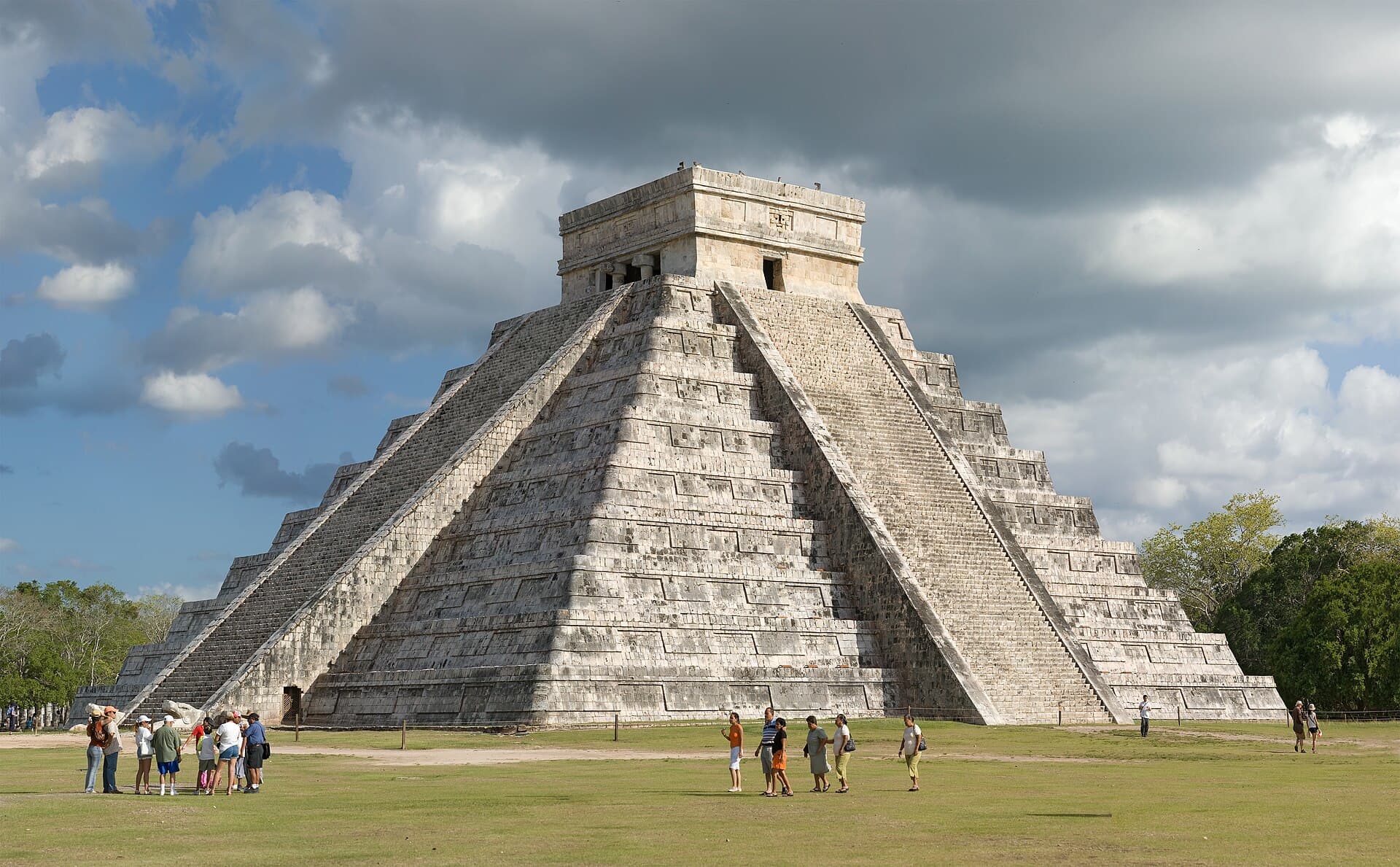
Mexico is one of the richest and most complex destinations in the Americas — a 2-million-square-kilometer country that holds the sprawling megacity of Mexico City, the turquoise Caribbean shores of the Yucatán, some of the most extraordinary Maya and Aztec archaeological sites on the planet, and a cuisine so distinctive it earned UNESCO Intangible Cultural Heritage status in 2010. With 35 sites on the UNESCO World Heritage list, Mexico tops every other country on the American continent for cultural recognition, and a single trip can shuttle you from a colonial silver town to a jungle cenote without ever crossing a border.
The geography alone defies easy summary: the deserts of Baja California give way to the cloud forests of Chiapas, the snow-capped volcanoes of the central altiplano look down on the coral reefs of Cozumel, and the Pacific surf towns of Oaxaca and Nayarit feel like a different country from the Maya villages of the Yucatán. The 35 million international travelers who land in Mexico each year tend to see one slice of this — a beach week in the Riviera Maya, a long weekend in Mexico City — and miss the whole.
This country guide takes the wide view, the one you need before you decide where to go. It covers entry requirements, money, safety, the seasonal rhythm of the country, and the cultural and culinary fundamentals that make Mexico, well, Mexico. Then we hand off to the regional guides for the Yucatán (Tulum, Mérida, Chichén Itzá) and Central Mexico (Mexico City, Oaxaca, Teotihuacán), where the logistics, itineraries and on-the-ground detail live. Whether you're planning a first trip or your fifth, the basics matter: a passport with six months' validity, a tolerance for altitude in Mexico City, and an appetite — for tacos al pastor, for mezcal flights, for late nights on a Oaxaca rooftop — that the country will reward many times over.
What we love
- ✅35 UNESCO sites — pyramids, colonial cities, historic centers and agave landscapes
- ✅World-class cuisine inscribed on UNESCO's Intangible Heritage list, one of the most distinctive in the world
- ✅Staggering diversity: jungle, desert, volcanoes and Caribbean beaches inside a single country
- ✅Warm welcome: the Mexican culture of celebration and hospitality is legendary
- ✅Solid tourism infrastructure in classic regions, with strong value for money
What to know
- ❌Insecurity in certain regions: several states are flagged as off-limits by foreign offices (Guerrero, Michoacán, Sinaloa)
- ❌Pollution and traffic in Mexico City — logistics can be draining
- ❌Petty corruption still surfaces in some contexts: customs, rural traffic stops
- ❌Marquee sites overrun in high season (Chichén Itzá, Tulum)
Explore Mexico
Situation
Où se situe Mexico ?
Ouvrir la carte en grand sur OpenStreetMap →Frequently asked questions
Do US, UK or EU citizens need a visa for Mexico?+
When is the best time to visit Mexico?+
Is Mexico safe for tourists in 2026?+
What currency is used in Mexico and how much should I budget?+
How many days do I need for a first trip to Mexico?+
Is Mexican cuisine really on the UNESCO Heritage list?+
Which region is the best for a first visit to Mexico?+
Do I need vaccines or special health precautions for Mexico?+
Our verdict
Mexico blows past every expectation built on mariachis and margaritas. It's a country-continent: several weeks won't exhaust it. For a first trip, pair the Yucatán (Mérida, Tulum, the Maya heartland) with Central Mexico (Mexico City, Oaxaca) for a complete, beautifully contrasted experience — colonial silver towns and Caribbean beaches inside the same two-week window. Travel between November and April for the best weather, book ahead in high season, and don't shortchange the food: Mexican cuisine alone justifies the flight. Safety deserves a clear-eyed approach, neither minimized nor dramatized — the classic tourist regions (Yucatán, Mexico City, Oaxaca, Los Cabos) are broadly safe with the precautions you'd take in any major travel destination, and the states that aren't simply don't appear on the standard itinerary. Beyond logistics, what stays with travelers is the texture: the smell of nixtamalized corn from a 5 a.m. tortillería, a Día de los Muertos altar still glowing at dawn, a Pujol tasting menu that rewrites what you thought Mexican fine dining could be. Mexico is one of the few destinations that gets richer the more time you give it — and almost every traveler who comes once comes back.

Expert on Mexico · 1 contributions