Central America & Caribbean
Dominican Rep.
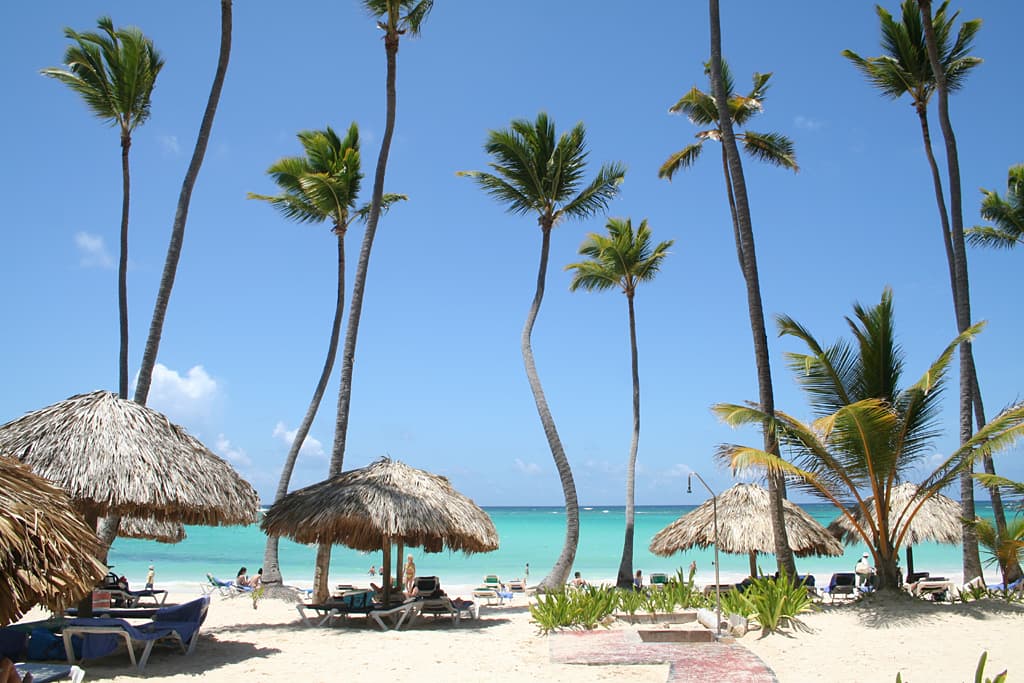
The most accessible and versatile Caribbean destination — massive all-inclusive beaches at Punta Cana, the first European city in the Americas at Santo Domingo (1496), humpback whales in Samaná, world-class kitesurfing in Cabarete, merengue and bachata everywhere.
- Capital
- Saint-Domingue
- Currency
- Peso dominicain (DOP)
- Languages
- Espagnol, Anglais (tourisme)
- Budget
- Affordable to mid-range — around €70/day/person; all-inclusive packages from €700-900 per person per week in low season
Dominican Rep. at a glance
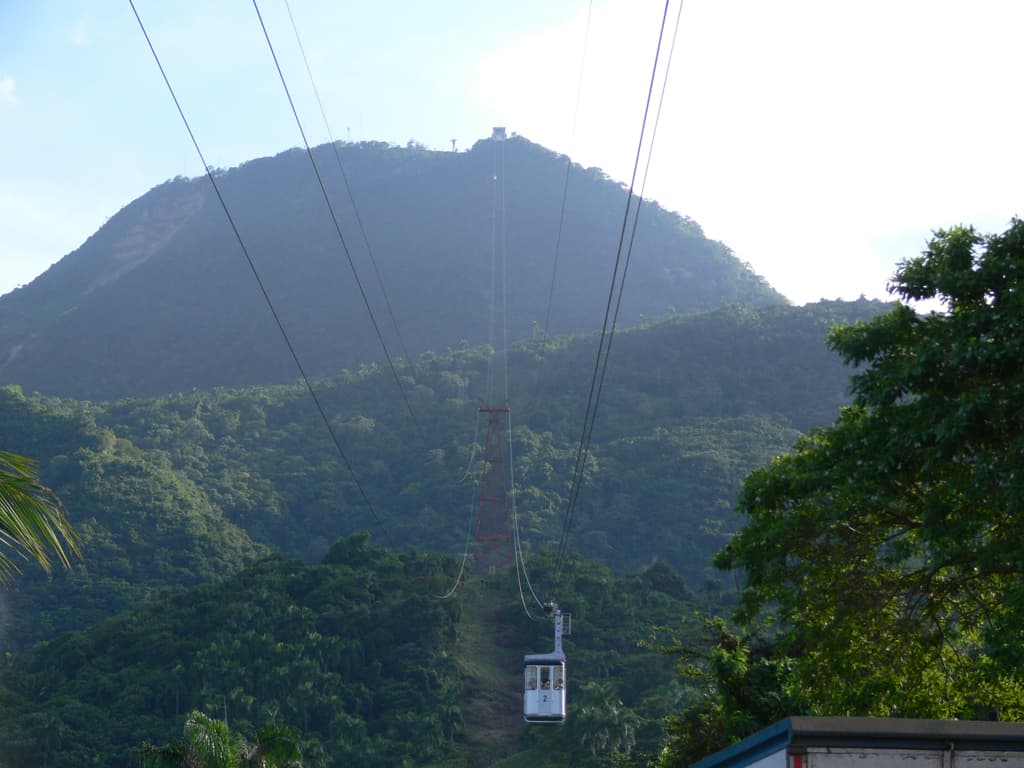
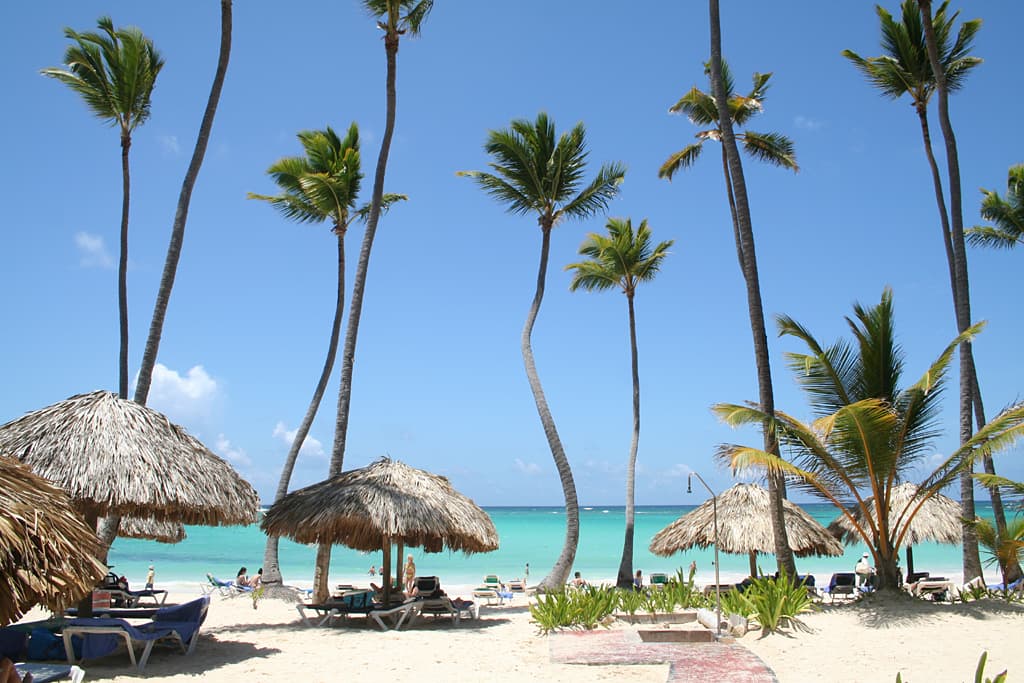
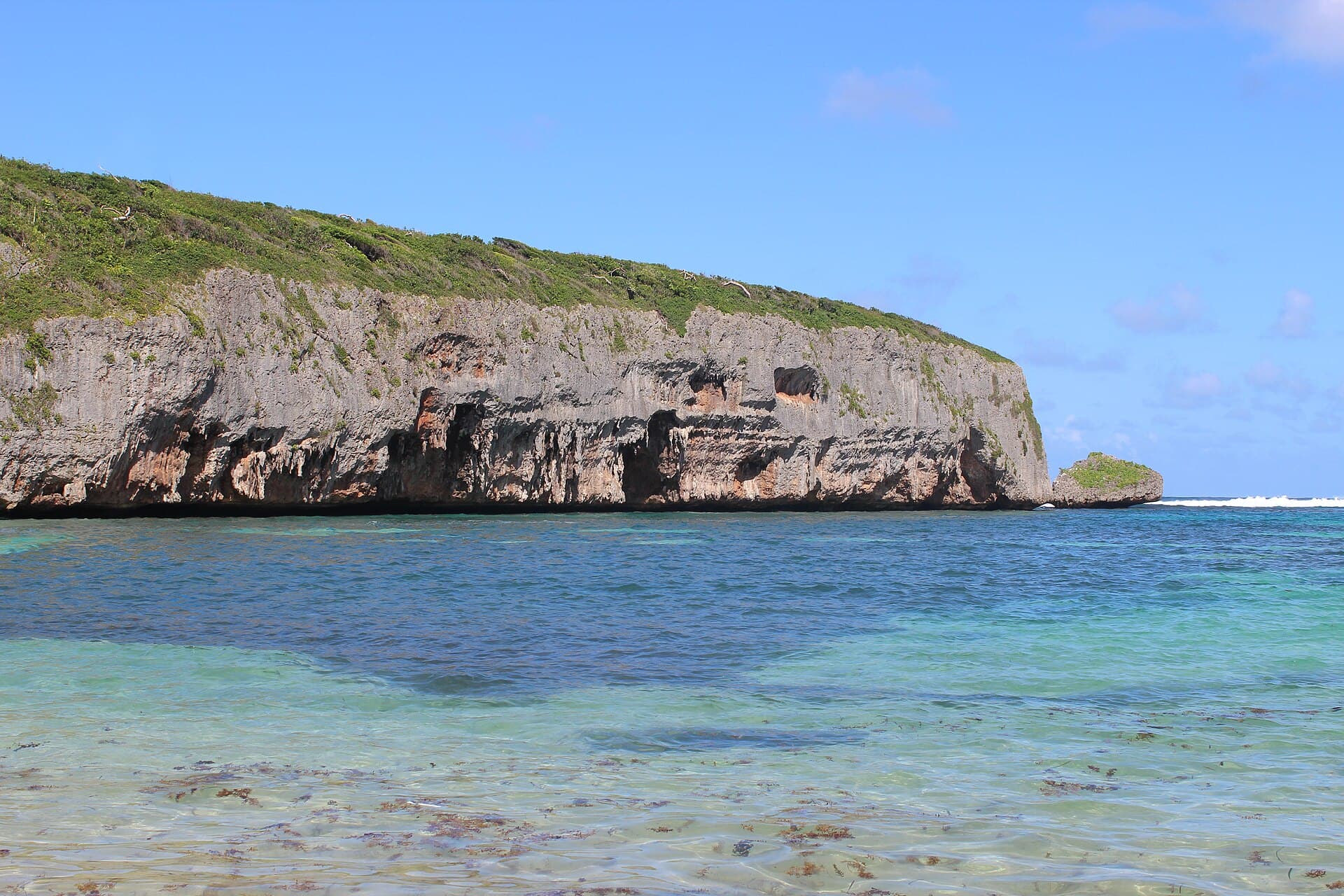
The Dominican Republic occupies the eastern two-thirds of Hispaniola, shared with Haiti — a human-scale Caribbean land (48,670 km², 11.4 million inhabitants) concentrating some of the most spectacular landscapes of the Antilles. Pico Duarte (3,098 m, highest summit in the Caribbean) in the centre, lush Samaná peninsula in the north-east, white sand beaches lined with coconut palms along 1,600 km of coastline, turquoise lagoons of Saona and Catalina islands, fertile agricultural valleys of the Cibao — the country's geographical diversity surprises, well beyond the all-inclusive resort cliché.
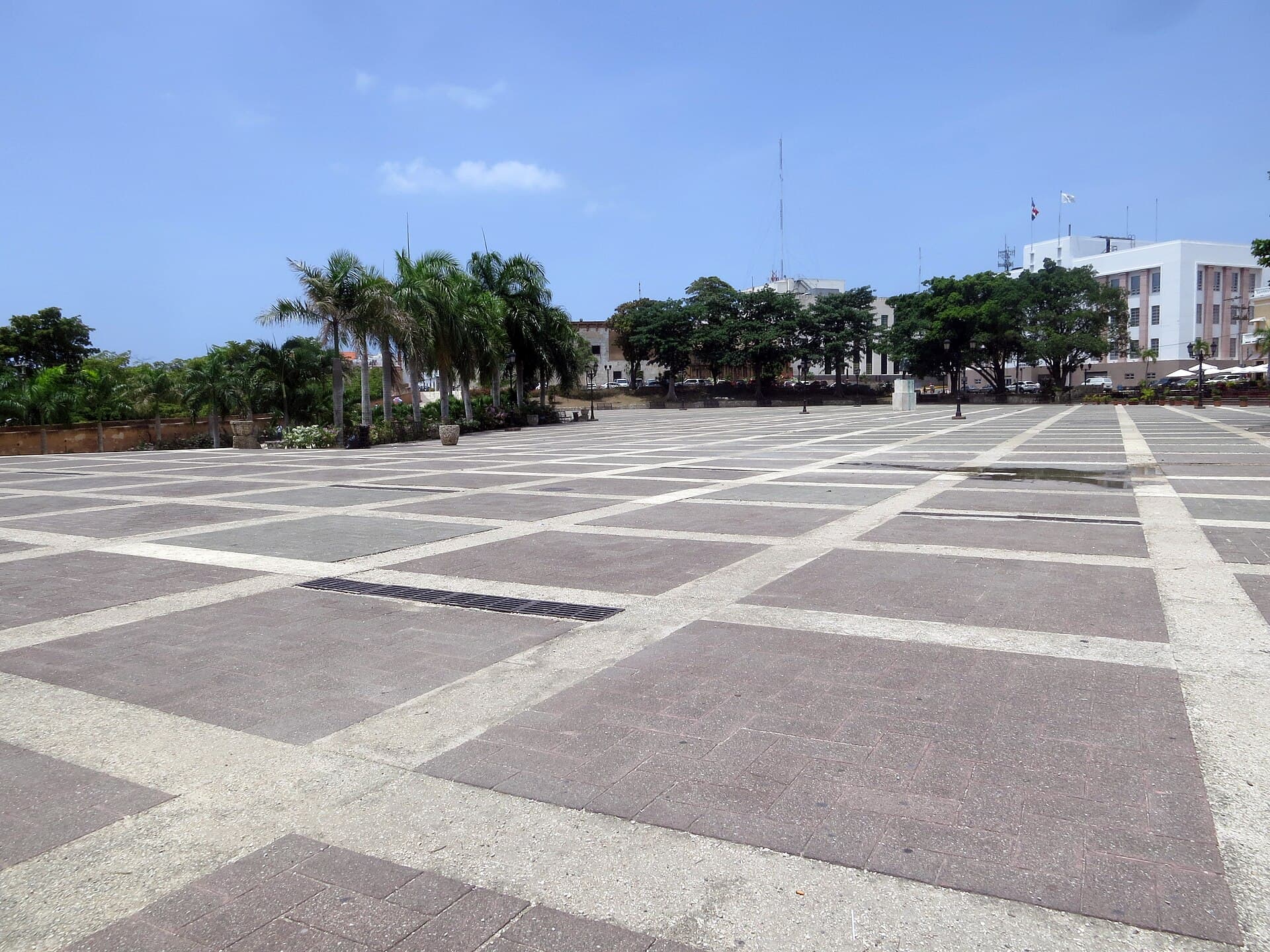
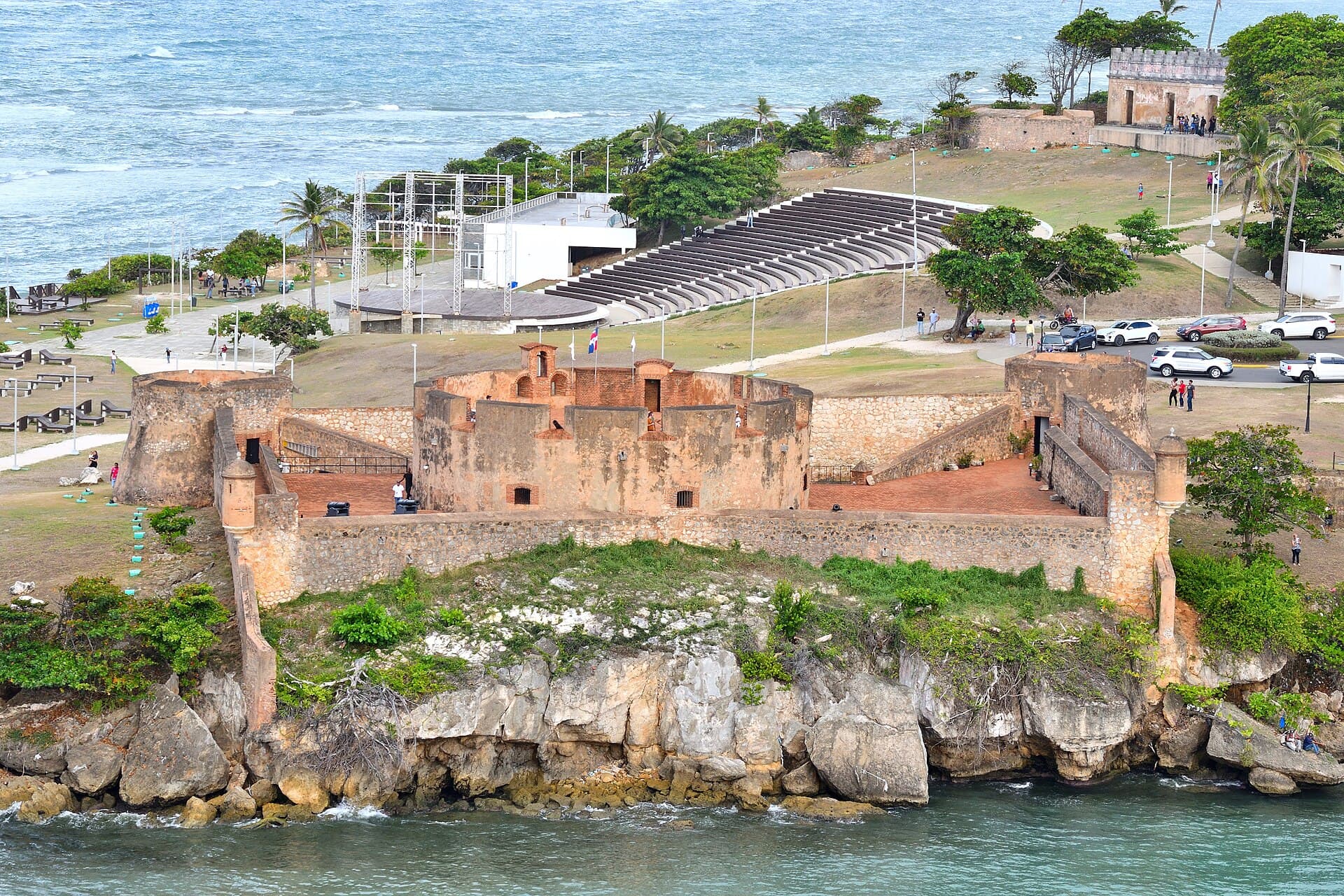
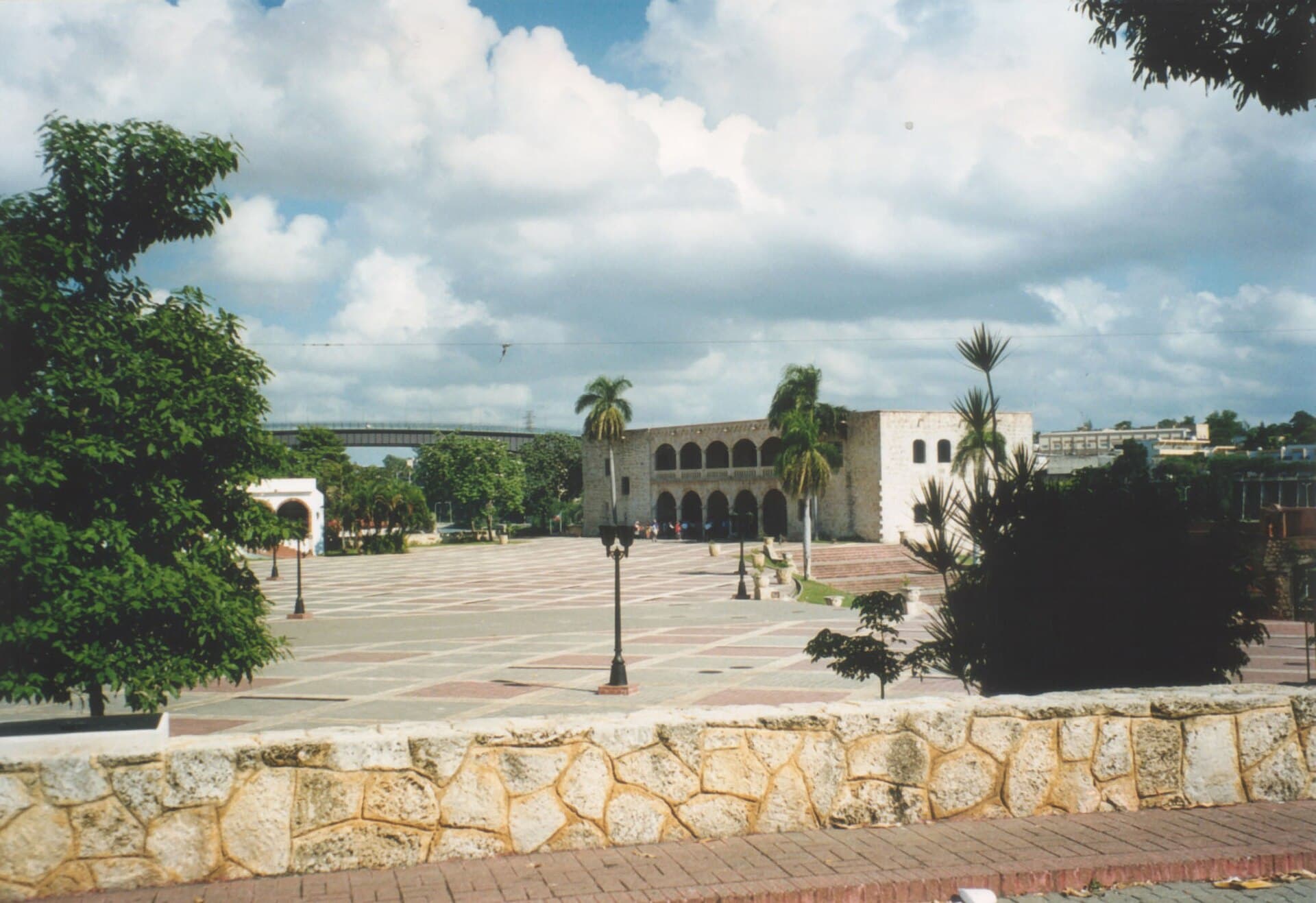
History is equally rich. Santo Domingo, founded in 1496 by Bartolomé Colombus (Christopher's brother), is officially the first European city permanently established in the Americas. Its Zona Colonial, UNESCO-listed since 1990, preserves the first cathedral, the first hospital, the first university and the first viceroyal palace of the New World — an invaluable heritage. The Santo Domingo fortress (Fortaleza Ozama, 1502-1505) is the oldest European military structure in the Americas still standing. This unique historical density makes Santo Domingo a top-tier cultural stop, too often overlooked by travellers confined to Punta Cana.
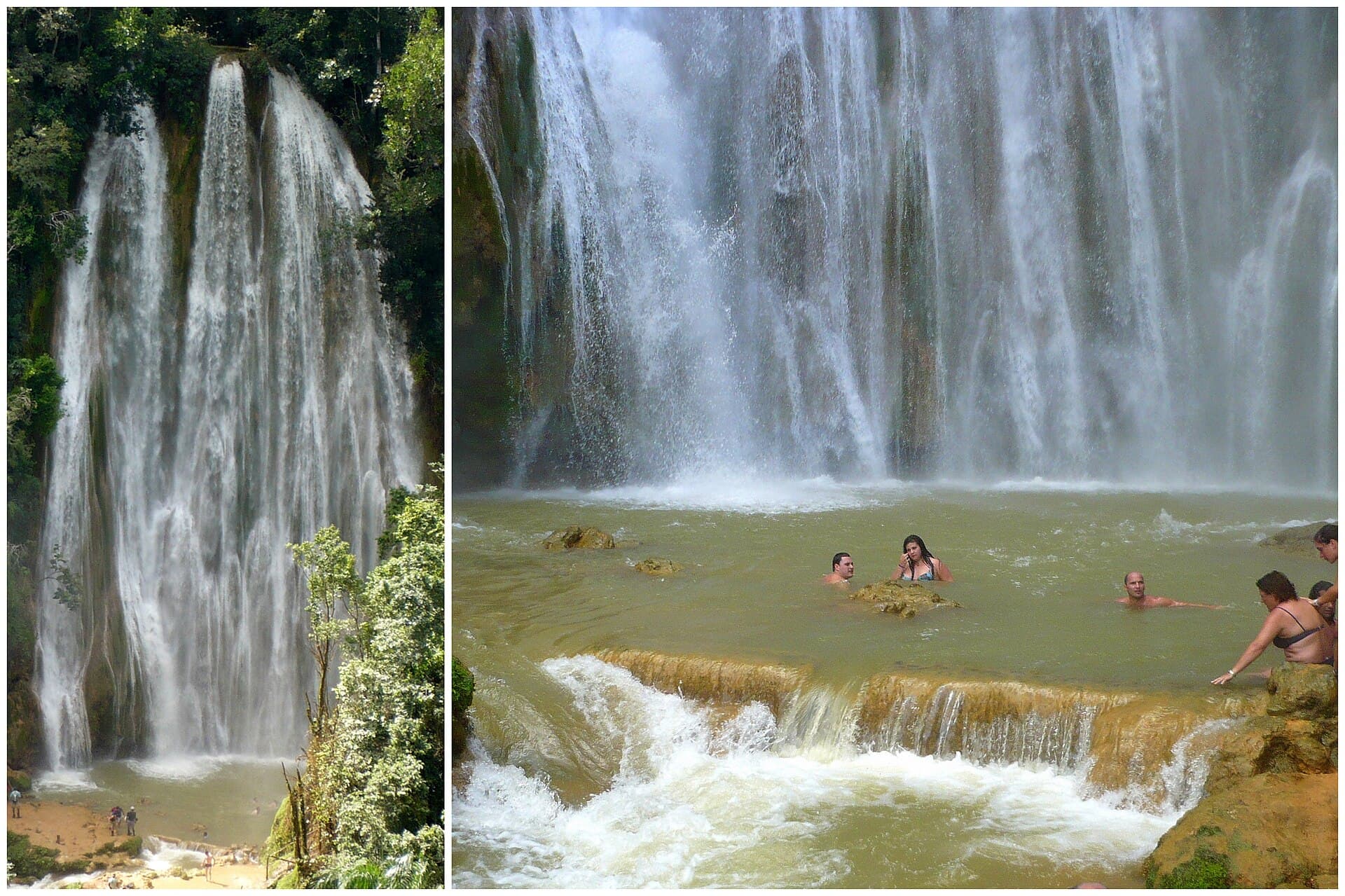
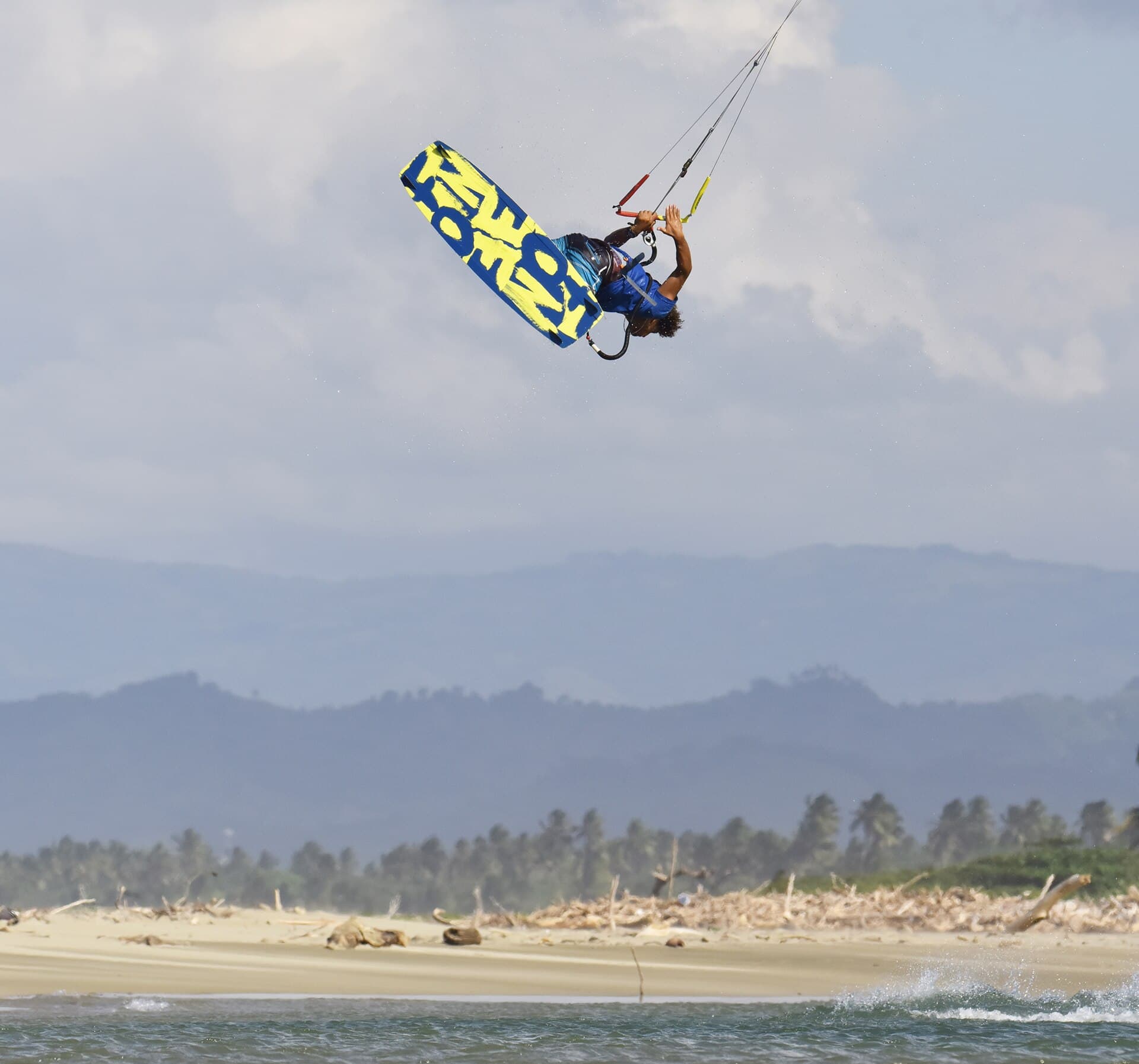
The Dominican tourism proposition revolves around four complementary regions. Punta Cana and the East (Bávaro, Cap Cana, Bayahibe) concentrates the all-inclusive phenomenon — more than 250 4- and 5-star resorts on 30 kilometres of beaches among the Caribbean's finest, accessible by direct flight from Europe (PUJ, 9-10h). It's the family beach destination par excellence. Santo Domingo and the South (capital, San Cristóbal, Boca Chica) offers the cultural and historical dimension. Samaná (north-east peninsula) is the natural gem — humpback whales from January to March, Rincón beach ranked among the world's most beautiful by Condé Nast, El Limón waterfalls. Puerto Plata and the North (amber coast, Sosúa, Cabarete) combines more authentic beaches and the world capital of kitesurfing at Cabarete.
Dominican culture is eminently warm and musical. Merengue (national rhythm, UNESCO intangible heritage 2016) and bachata (originally from the Dominican countryside, globally spread by Romeo Santos, Aventura, Juan Luis Guerra) pace daily life. Creole cuisine (sancocho, mangú, la bandera) draws on Spanish-African-Taíno fusion. Dominican hospitality is legendary, Caribbean rhythm omnipresent, smiles easy. The country is statistically safer than its continental neighbours, provided basic precautions are respected in large cities.
What we love
- ✅Exceptional accessibility: direct Paris-Punta Cana flights (9-10h), no advance visa, polished tourism infrastructure
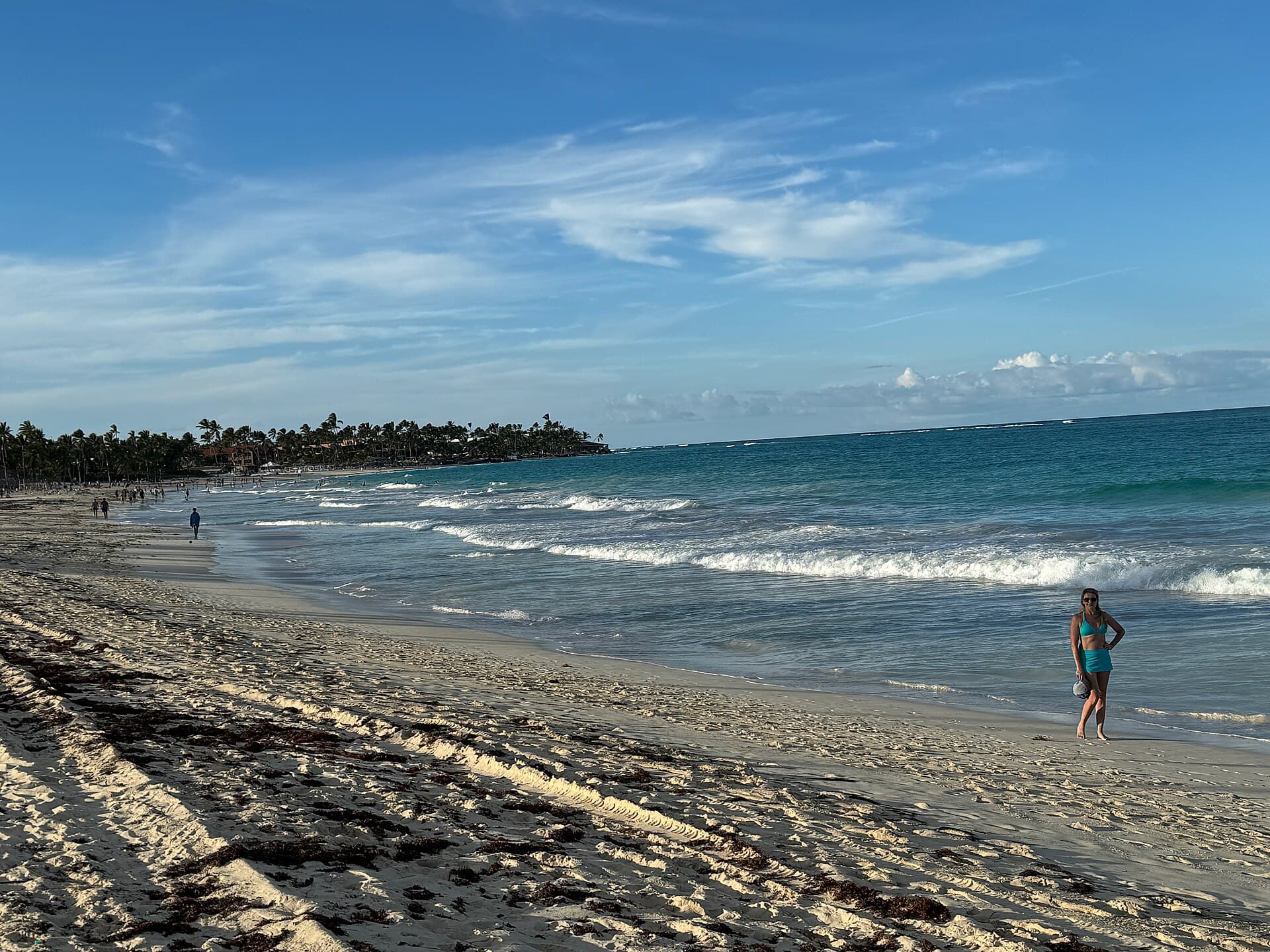
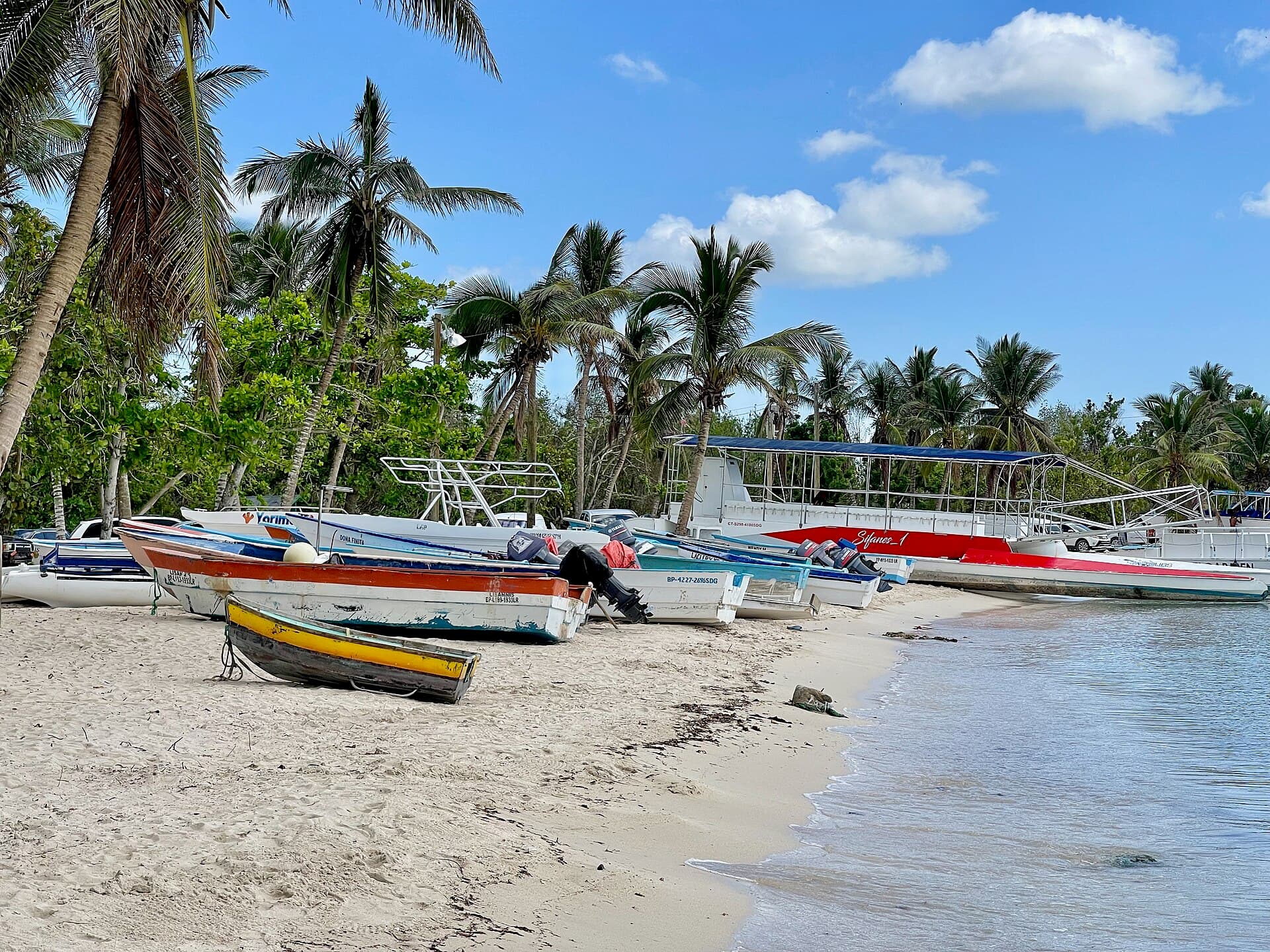
- ✅Beaches among the Caribbean's finest: Bávaro 30 km, Saona, Rincón, Bayahibe — white sand and turquoise water
- ✅Rare versatility: combine all-inclusive (Punta Cana), UNESCO culture (Santo Domingo), nature (Samaná) and sports (Cabarete) over 10-14 days
- ✅Unbeatable value: all-inclusive packages from Europe starting at €700-900 per person per week in low season
- ✅Humpback whale watching at Samaná (January-March) among the world's best experiences of the kind
What to know
- ❌Seasonal sargassum (June-October) on the east coast: brown algae washed up on some Punta Cana beaches
- ❌Variable safety outside tourist zones: Santo Domingo requires precautions, rental car break-ins common
- ❌Variable resort quality: water shortages, uneven service even in 5-star, check recent reviews
- ❌Serious hurricane risk (June-November), Fiona 2022 and María 2017 caused major damage
- ❌Sometimes overly standardised tourism in Punta Cana — leave the enclaves to discover the real country
Explore Dominican Rep.
Our itineraries
Regions
Popular spots
Situation
Où se situe Dominican Rep. ?
Ouvrir la carte en grand sur OpenStreetMap →Frequently asked questions
Do you need a visa for the Dominican Republic?+
When is the best time to visit the Dominican Republic?+
How many days for the Dominican Republic?+
What's the budget for the Dominican Republic?+
Punta Cana or Bayahibe: which to choose for a beach stay?+
Our verdict
The Dominican Republic probably offers the best accessibility-versatility ratio of any Caribbean destination for a European traveller. Direct flights from Paris (9-10h), no advance visa, polished all-inclusive infrastructure, beaches among the Caribbean's finest, unique UNESCO heritage (Santo Domingo 1496), spectacular nature (Samaná whales, lush peninsula) — everything is in place for a successful trip from €700-900 a week per person. Our key advice: don't reduce your stay to Punta Cana. Book 5-6 nights at an all-inclusive resort (Bávaro or Bayahibe), then hire a car or private transfer for 3-4 nights at Santo Domingo (UNESCO colonial zone) or Samaná (whales, Rincón beach, nature) to experience the real Dominican Republic. In high season, choose December-March (perfect climate + whales); for the best value, opt for April-May (still dry season, falling rates) or November.

Expert on Dominican Rep. · 1 contributions
 Africa & Americas Desk — Mowando·Editor