Indian Ocean & Oceania
Réunion
The intense island of the Indian Ocean: one of the world's most active volcanoes, three UNESCO-listed cirques, 1,500 km of hiking trails and a turquoise lagoon — France at the other end of the world.
- Capital
- Saint-Denis
- Currency
- Euro (EUR)
- Languages
- Français, Créole réunionnais
- Budget
- From €100/day/person; budget travel from €60-80; comfort from €150-250
Réunion at a glance
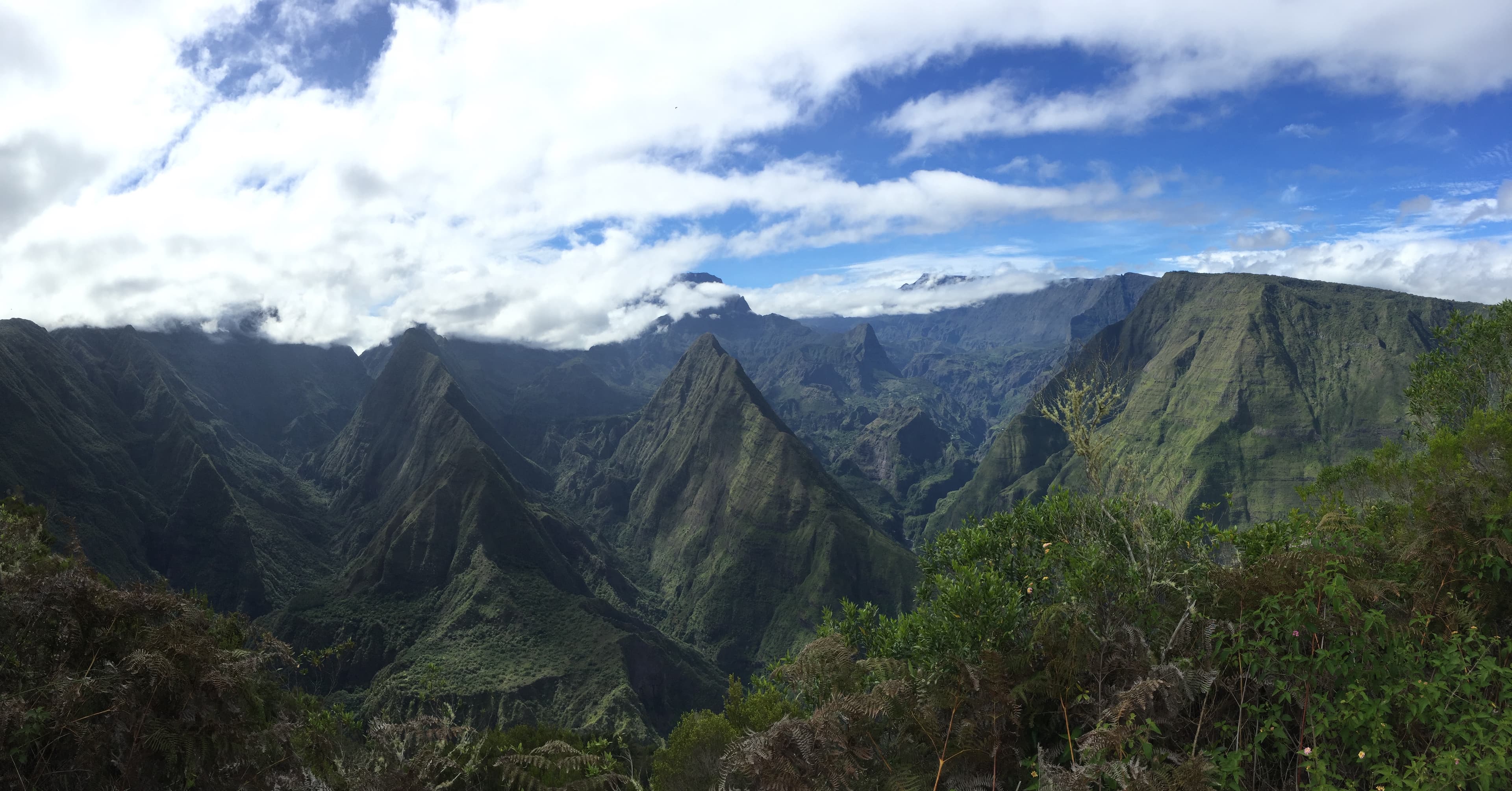
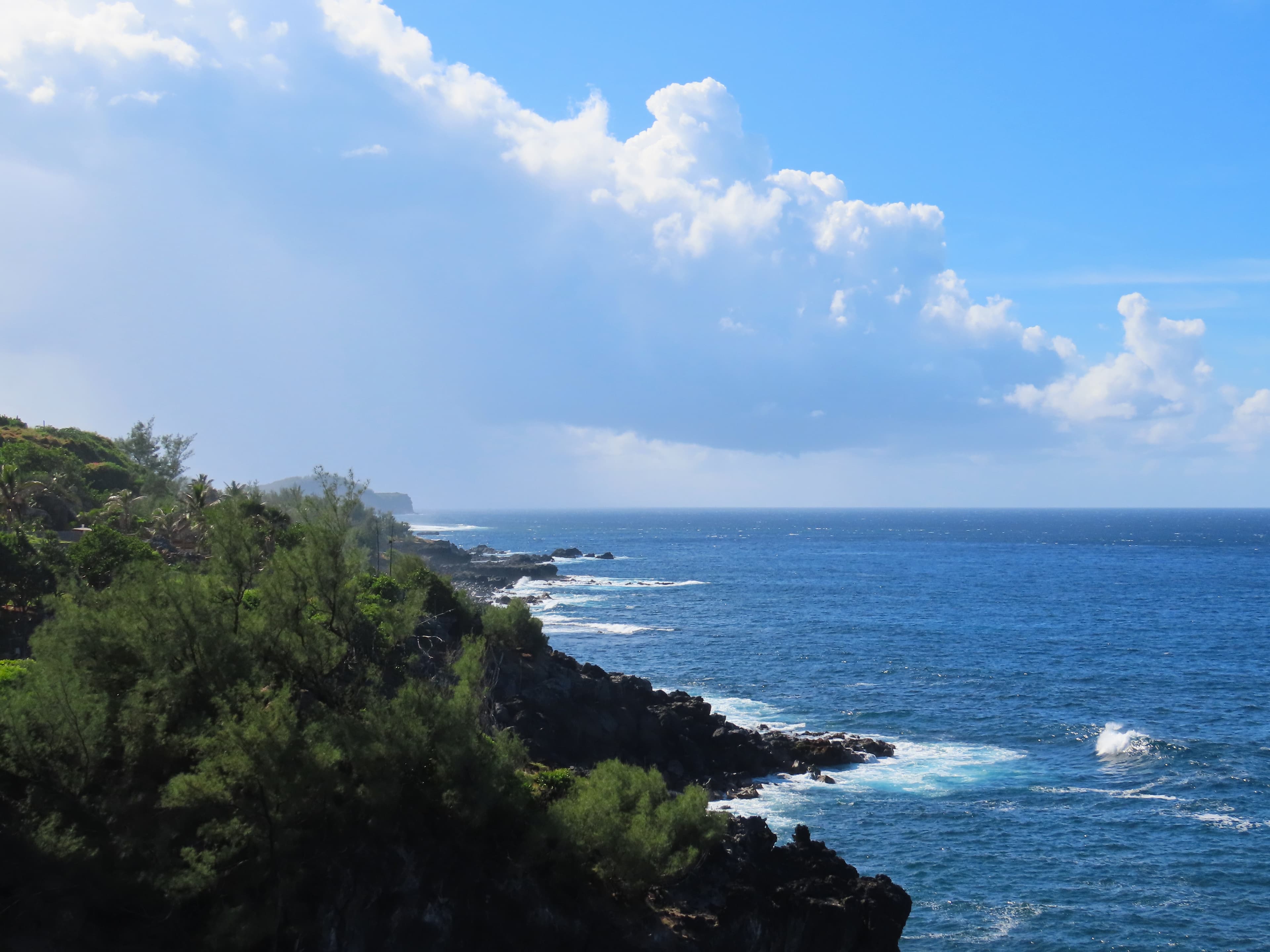
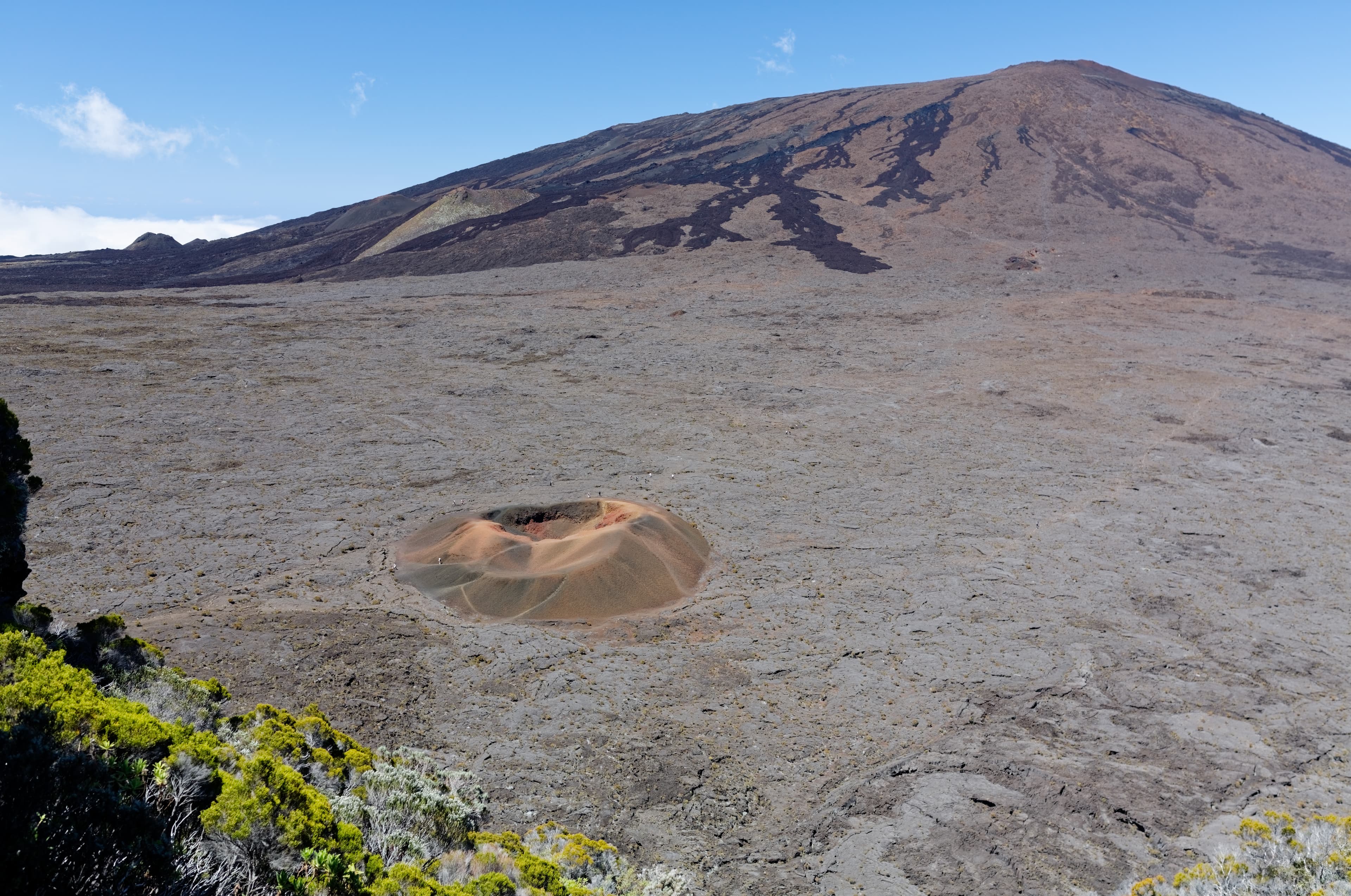
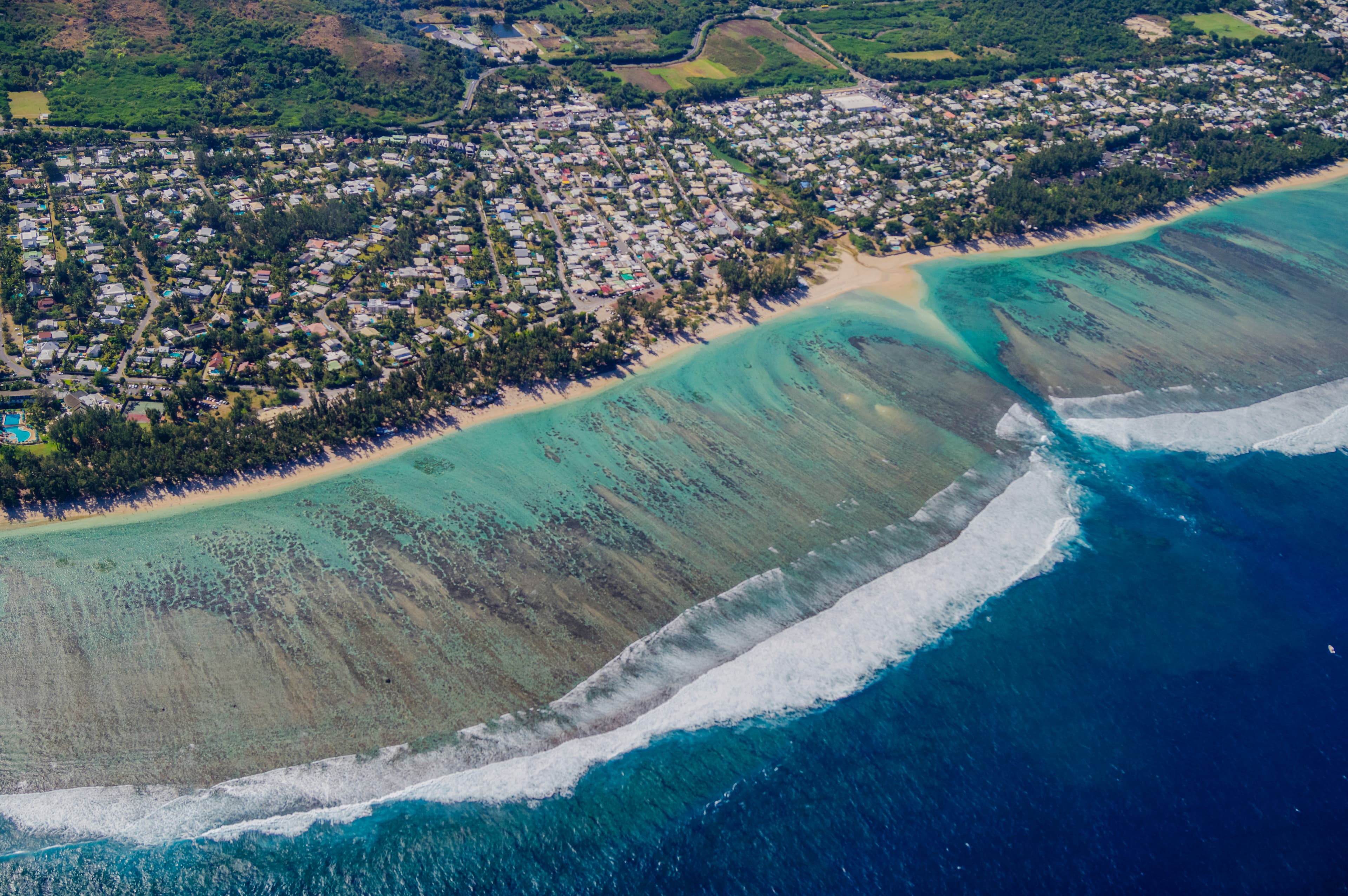
Réunion is a volcanic island of 2,512 km² lost in the Indian Ocean, 700 km east of Madagascar and 200 km from Mauritius. A French overseas department, it is one of the most spectacular destinations on the planet for lovers of nature, mountains and extreme landscapes. In a few hours' drive, you can move from a white-sand beach bordered by a turquoise lagoon to an active volcano steaming at 2,632 metres, then to a cirque of rocky cathedrals carpeted with primary forests.
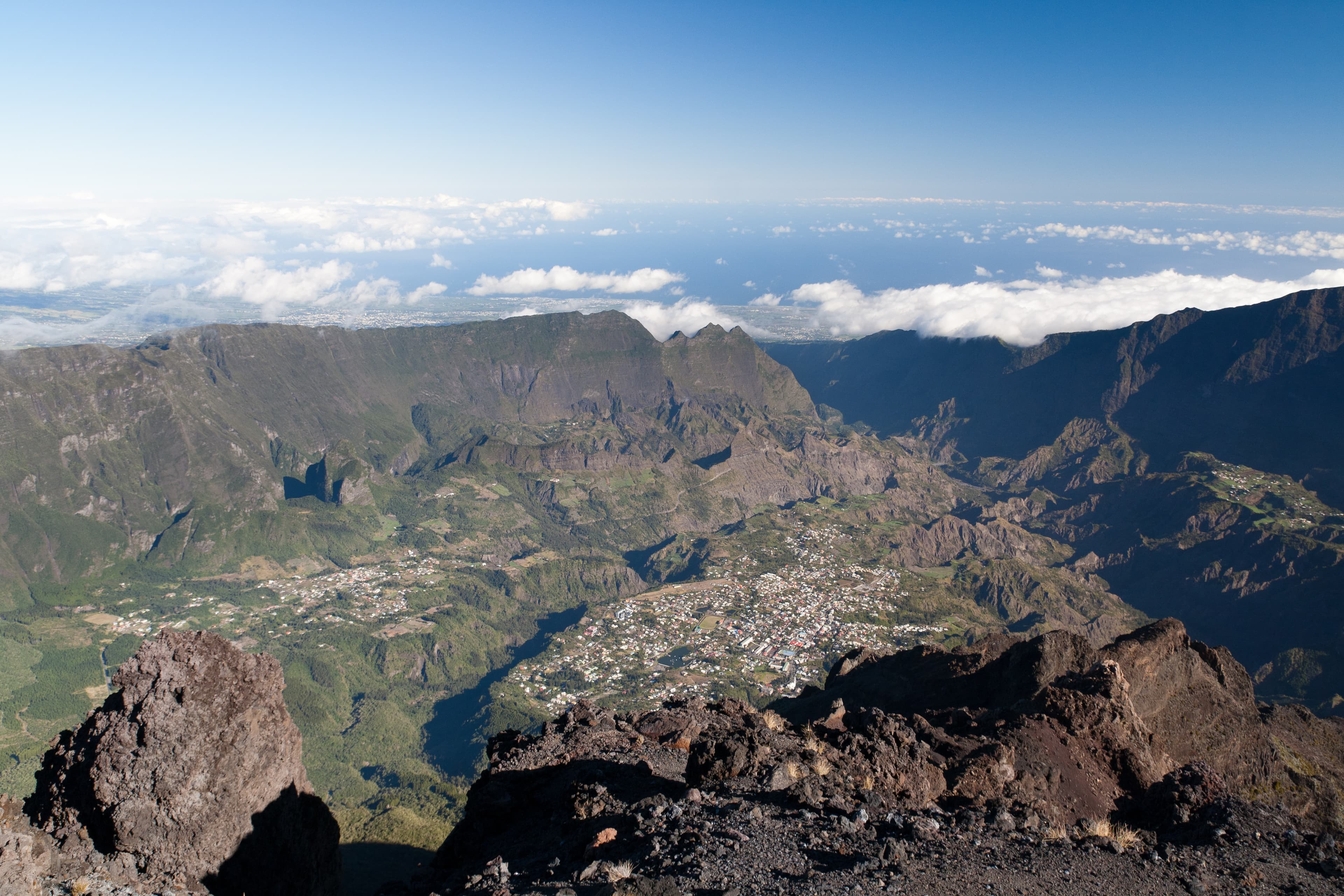
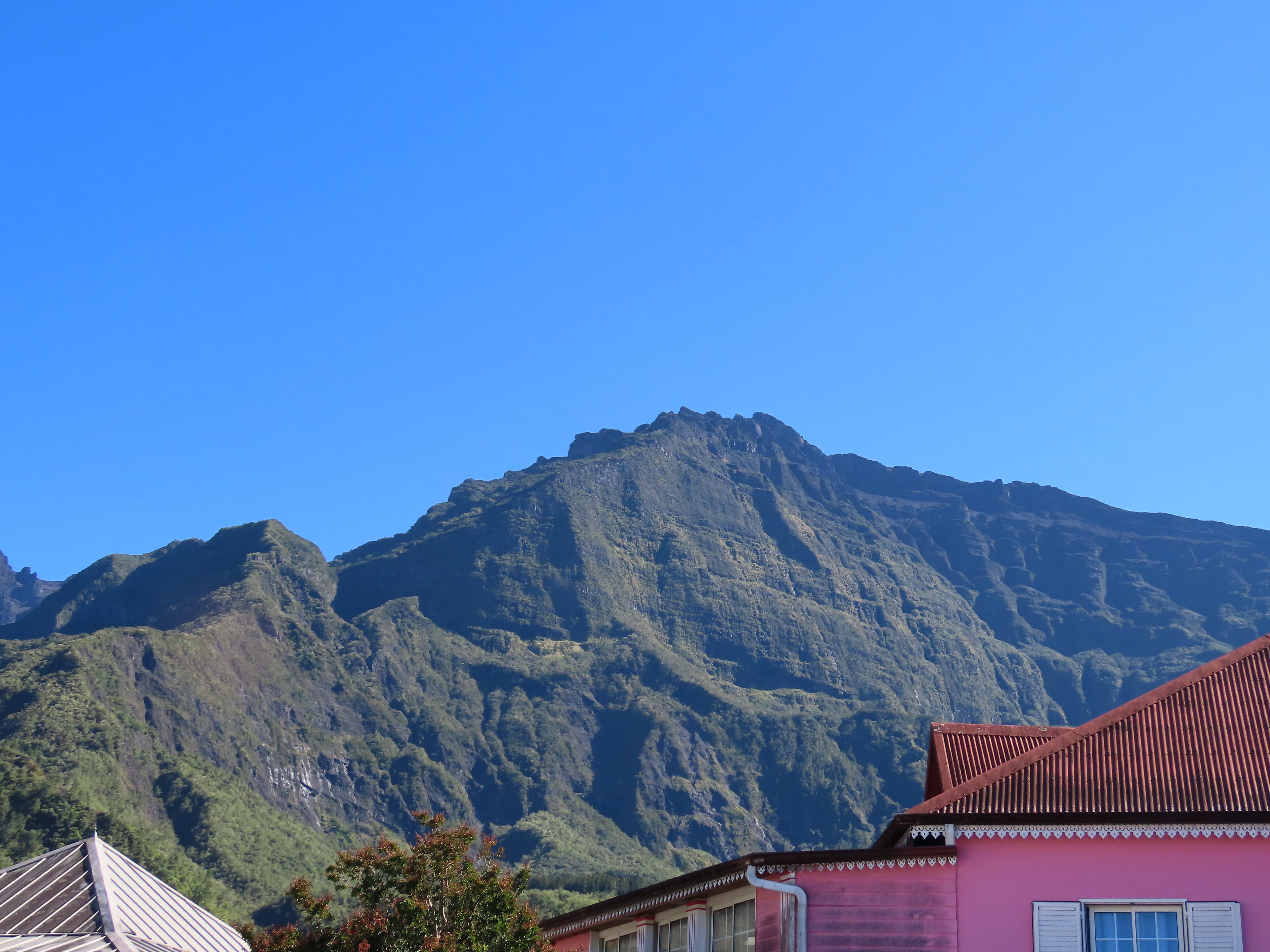
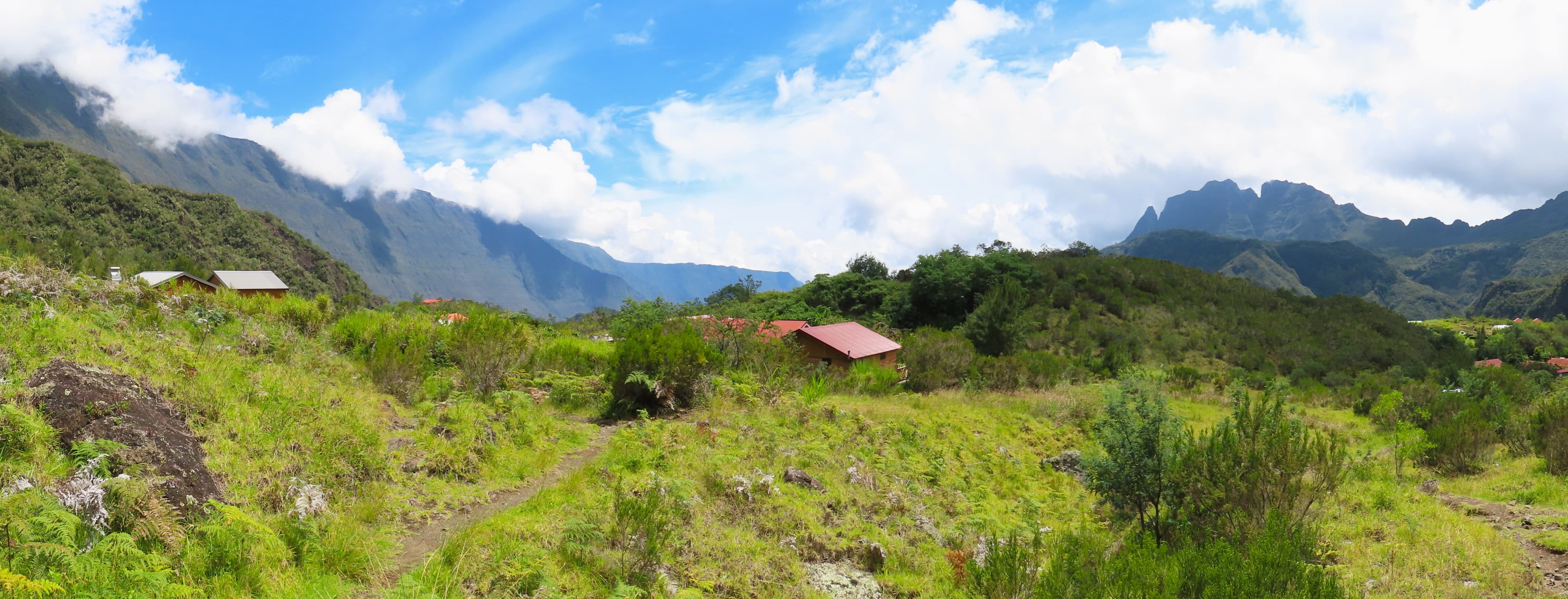
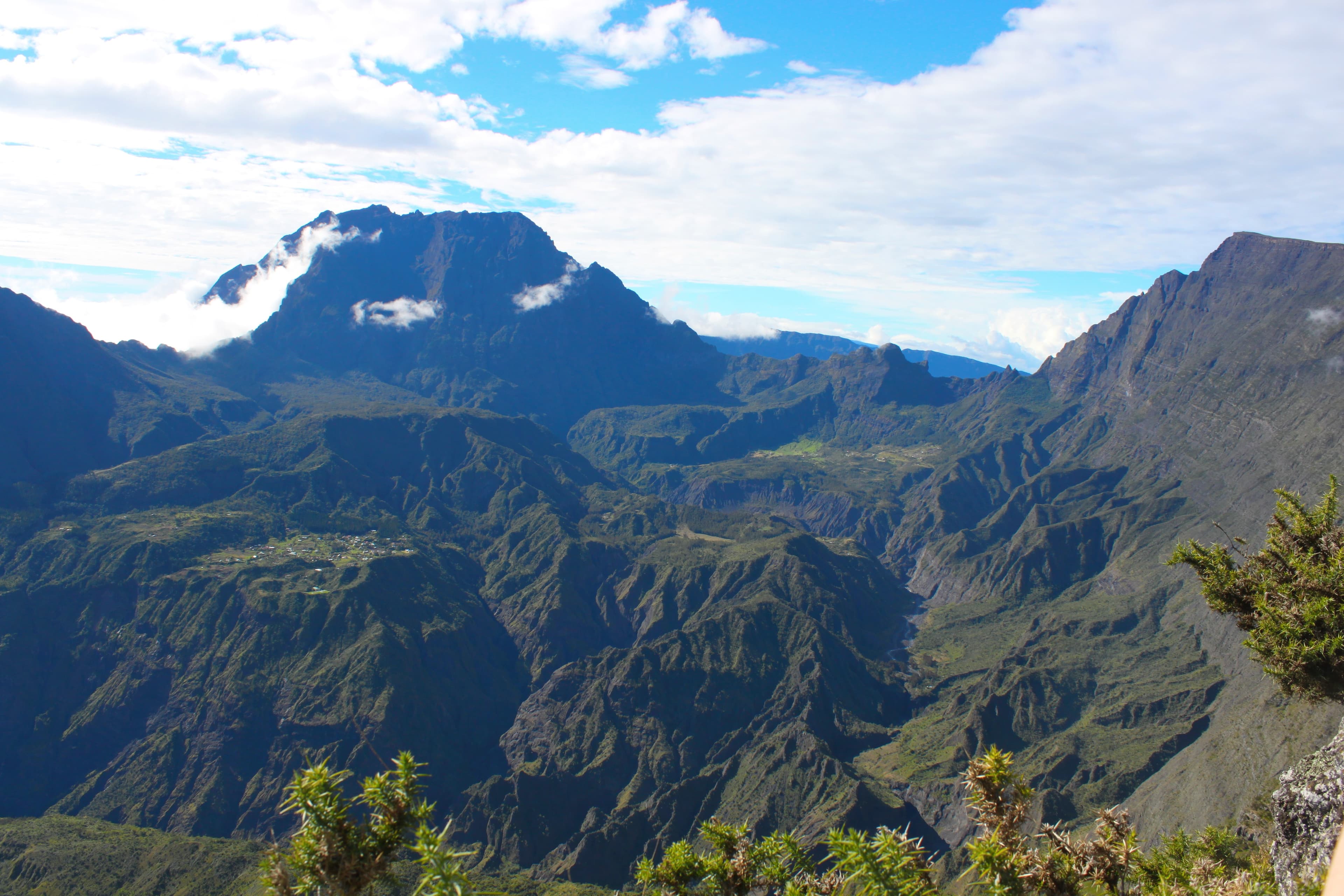
The island owes its existence to the volcanic hotspot that gave birth three million years ago to Piton des Neiges (3,070 m, the highest peak in the Indian Ocean), now extinct, and that continues to feed the Piton de la Fournaise (2,632 m), one of the most active volcanoes in the world — an eruption every nine months on average. Erosion has carved three spectacular cirques — Mafate, Cilaos and Salazie — whose ramparts plunge in vertiginous cliffs over more than 1,000 metres. Together with the pitons and ramparts, these cirques have formed since 2010 a UNESCO World Heritage site covering 40% of the island.
But Réunion is not just a paradise for hikers. It is also a mestizo island where for three centuries descendants of African and Malagasy slaves, Indian and Chinese indentured workers, Yabs (Whites of the Highlands), Cafres, Malbars and Zarabes have intermingled. From this human mosaic was born a Creole culture of exceptional richness: the Réunion Creole language, the cuisine (carry, rougail saucisse, samosas, bonbon piment), the music (UNESCO-listed maloya, séga), the religions (Catholicism, Tamil Hinduism, Islam, Taoism coexist peacefully). It is also France, with its perfectly maintained roads, modern hospitals, supermarkets, high schools and minimum wage — a rare logistical comfort for such a wild destination.
What we love
- ✅Unique geographical density: volcano, cirques, lagoon, primary forests and beaches — all on a 2,512 km² island
- ✅Pitons-Cirques-Ramparts UNESCO-listed since 2010 (40% of the island), 1,500 km of marked trails
- ✅Full French logistical comfort: EUR, ID card sufficient for EU, social security, national roads, modern hospitals
- ✅Authentic and warm Creole culture, remarkable gastronomy, peaceful multi-ethnic atmosphere
- ✅Humpback whale watching from June to October — one of the world's finest destinations for this
What to know
- ❌11h direct flight from Paris and high fares (€600-1,500 depending on season), no low-cost direct option
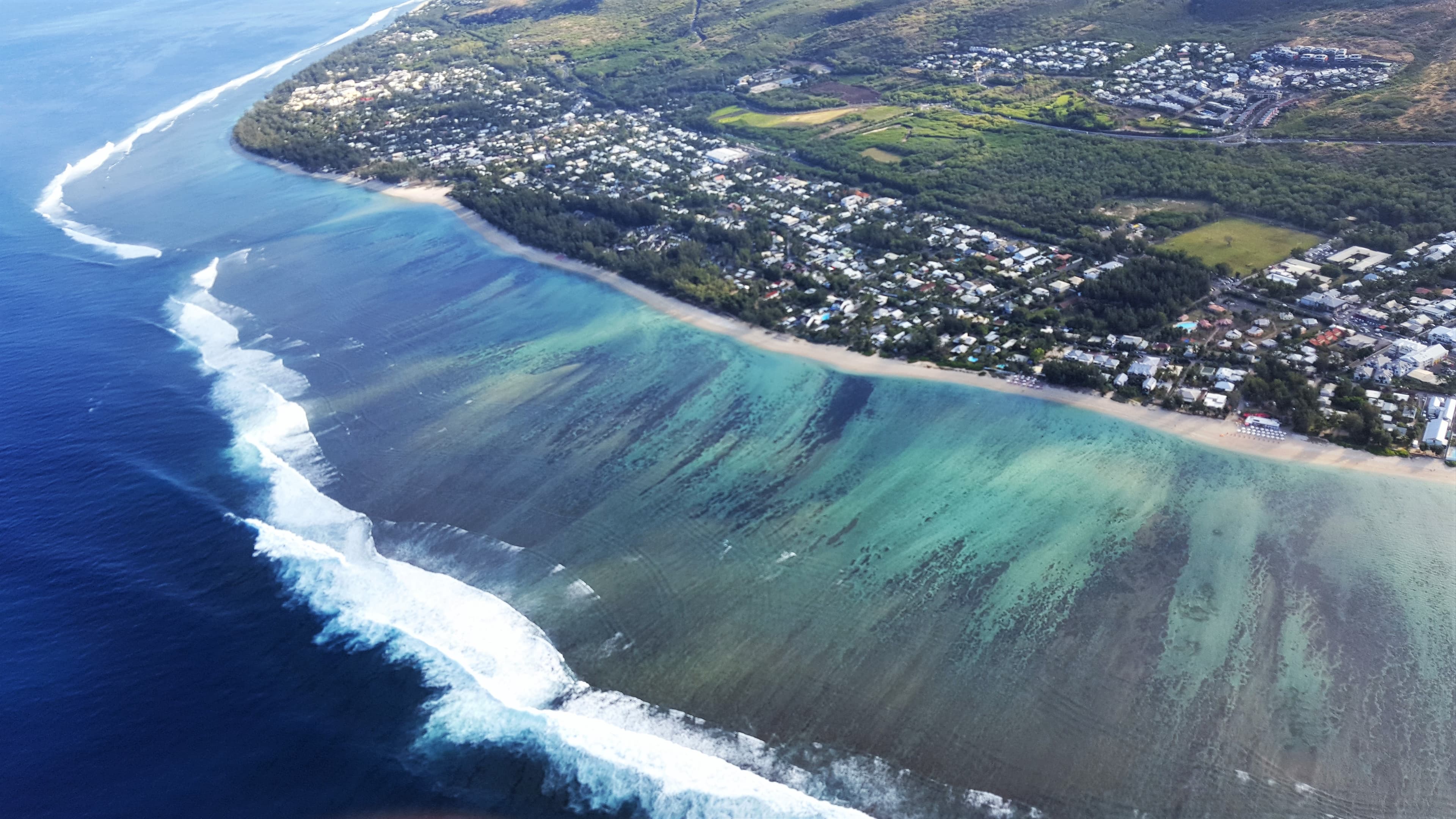
- ❌Not a postcard beach destination — true beaches only on the west coast inside the protected lagoon
- ❌Cyclone season from November to April: real weather risks and occasional multi-day closures
- ❌Car essential to explore the island, public transport insufficient
- ❌Shark risk on the west coast outside the lagoon — swimming and surfing banned in many zones since 2013
Explore Réunion
Our itineraries
Regions
Popular spots
Situation
Où se situe Réunion ?
Ouvrir la carte en grand sur OpenStreetMap →Frequently asked questions
Do I need a passport or visa for Réunion?+
When is the best time to visit Réunion?+
How many days do you need to visit Réunion?+
How to get to Réunion?+
Is Réunion dangerous because of sharks?+
Should I rent a car in Réunion?+
What is the typical cuisine of Réunion?+
Our verdict
Réunion is probably one of the most singular destinations in the French portfolio — an intense island where volcanic nature is at its peak, where Creole culture delivers on every promise, and where the logistical comfort of a French department allows frictionless exploration. This is not a beach destination: it is an adventure and immersion destination, earned through 11 hours of flight and a significant budget, but one that rewards every kilometre walked. Come between May and November to escape the cyclones, plan at least ten days to do justice to the island's diversity, and book a night in an îlet of Mafate accessible only on foot — it is one of the most memorable experiences French tourism still offers.
Similar destinations

Expert on Réunion · 1 contributions
 Africa & Americas Desk — Mowando·Editor