Mowando

Region

Wild South

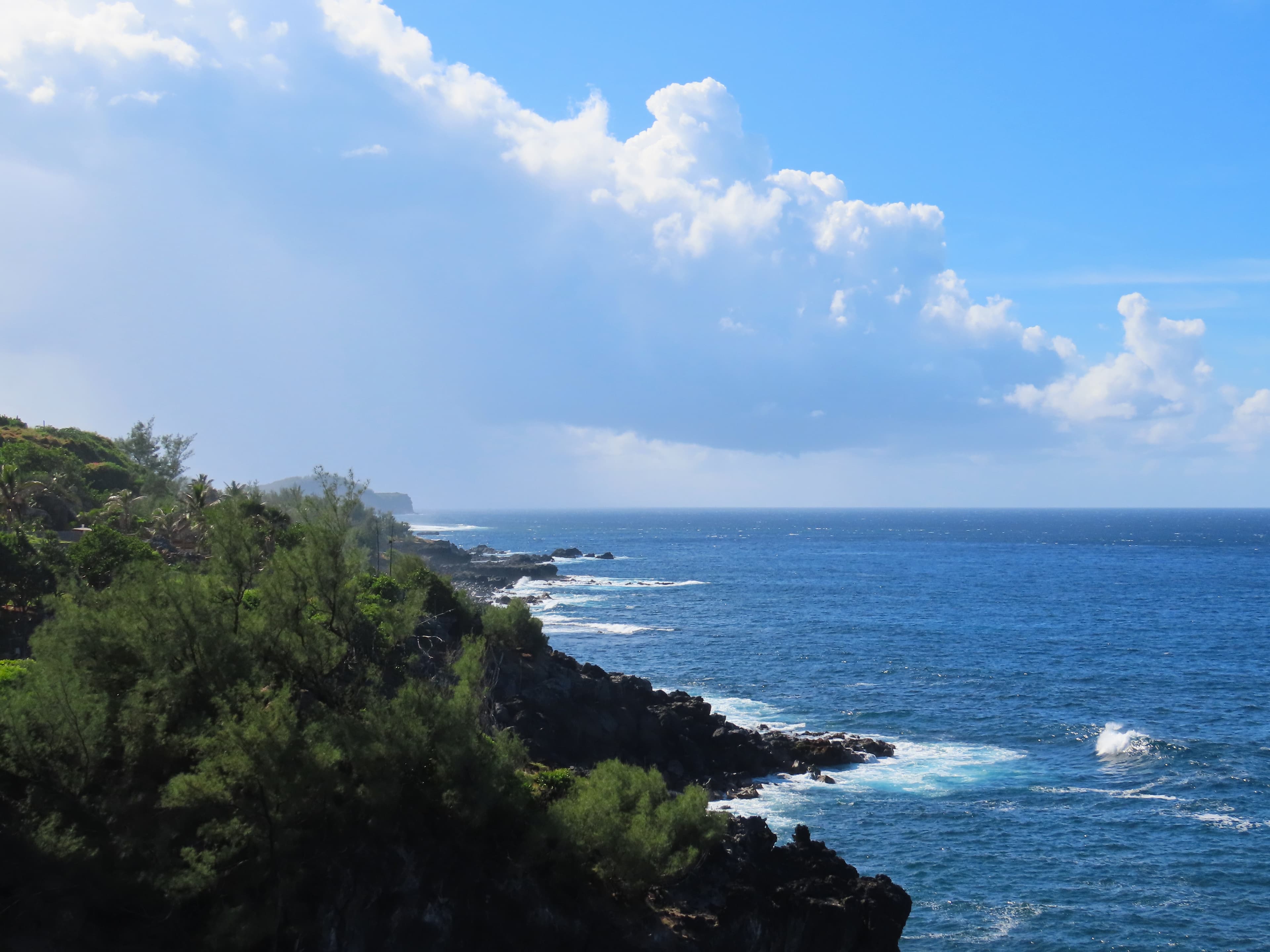
The territory of Piton de la Fournaise — one of the world's most active volcanoes — and the wild coast of lava flows: the rawest and most spectacular Réunion.

4.80

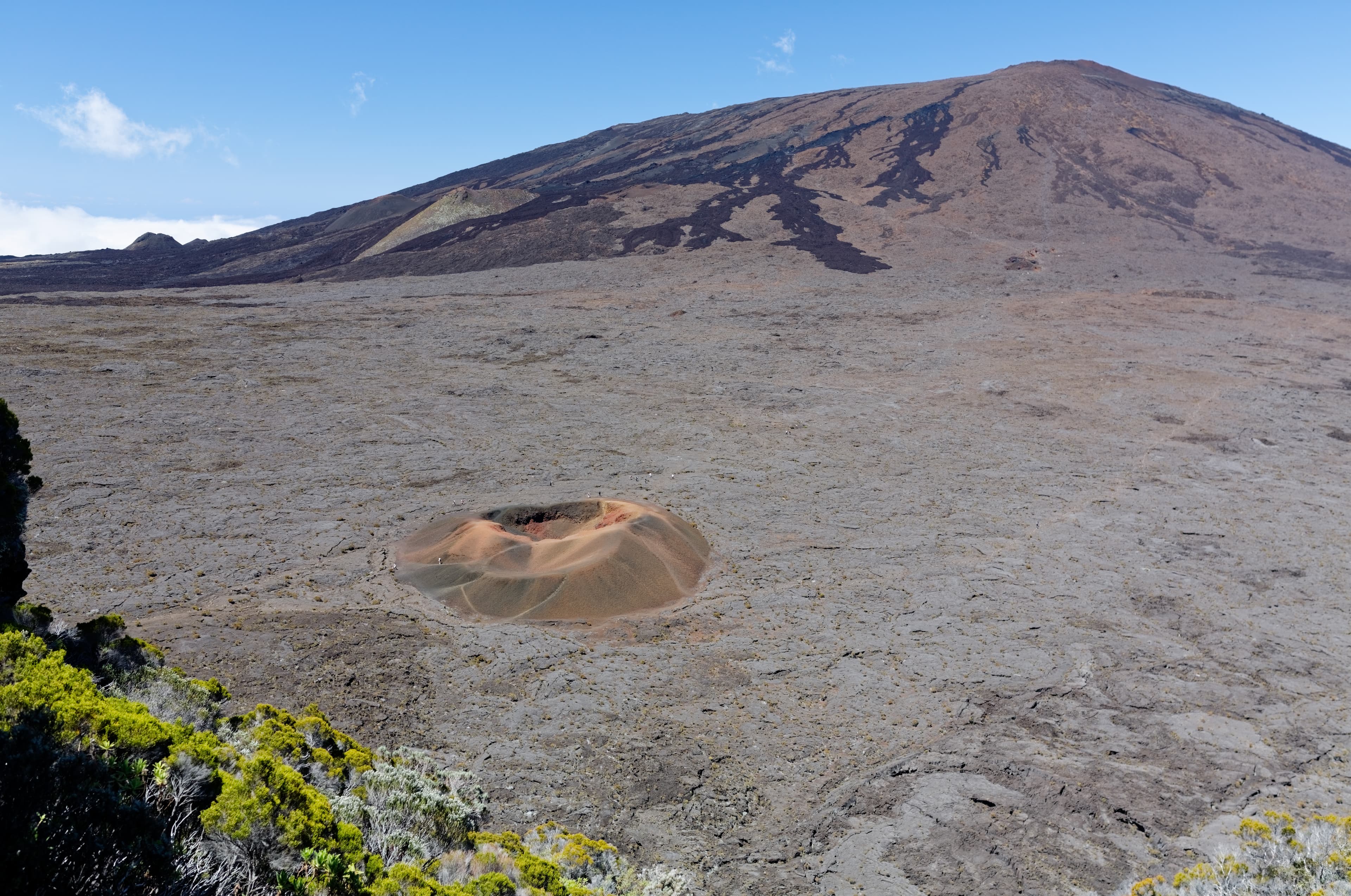
The Wild South is the least populated, least touristy and rawest region of Réunion. It is the kingdom of Piton de la Fournaise (2,632 m), a near-permanently active shield volcano — an eruption every nine months on average — that regularly sculpts the south-east coast landscapes by pouring fluid lava flows into the Indian Ocean. It is also the land of Bourbon vanilla, whose under-forest plantations in Saint-Philippe produce one of the most prized vanillas in the world.

The region extends roughly from south of Saint-Pierre to Sainte-Rose, passing through the high plateaus of the Plaine des Cafres and the Plaine des Sables (lunar landscape at 2,360 m altitude, road of access to the volcano), the coast of lava flows between Saint-Philippe and Sainte-Rose (where you still cross today black lava fields from 1977, 1986, 2007), and the Anse des Cascades with its coconut trees and traditional fishing port.

The emblematic villages are Saint-Joseph (fishing port, coastal trail of Cap Méchant), Saint-Philippe (vanilla capital, primary forest of Mare Longue), Sainte-Rose (Notre-Dame des Laves, church miraculously spared by the 1977 flow), and Petite-Île with its wild bay. The Highlands are dotted with altitude villages — Bourg-Murat, the Plaine des Cafres, Bois Court — where you taste goat cheeses, péi foie gras and trout raised at altitude.

The Wild South is an experience apart: no postcard beach, no lagoon, no resort. But volcanic landscapes without equivalent in the world, an still intact Creole village life, and the unforgettable experience of treading black lava flows while in the distance, the plume of Piton de la Fournaise reminds us that the earth is alive here.

Explore Wild South

Spots in the region
Situation

Où se situe Wild South ?

Ouvrir la carte en grand sur OpenStreetMap →

Frequently asked questions

How do you access Piton de la Fournaise?+
Access is via the volcano forest road from Bourg-Murat (Plaine des Cafres). Count 1h45 of road from Saint-Pierre or 1h from Bourg-Murat. The road crosses the Plaine des Cafres (1,600 m), the Plaine des Sables (lunar landscape, partially unpaved road but accessible to normal cars), and arrives at the Pas de Bellecombe (2,311 m), starting point of hikes to the crater. Leave very early (5-6 am) to avoid fog and find parking — the site is very busy in dry season.
Can you hike to the crater of Piton de la Fournaise?+
Yes, in the absence of an ongoing eruption and if the trails are open. The classic hike is the Dolomieu crater loop from Pas de Bellecombe (5-6h round trip, 600 m descent then ascent, 12 km). You descend by a steep switchback trail into the Enclos Fouqué, cross the black scoria field towards Formica Leo (small volcanic cone), then climb the Dolomieu crater to walk around it. Trail without technical difficulty but physical. CHECK MANDATORILY the trail status on fournaise.info (OVPF Observatory) before any departure — frequent closures.
What to do if Piton de la Fournaise is erupting?+
An ongoing eruption is a chance and a rare spectacle: the plume visible from tens of kilometres away, sometimes lava flows visible at night from certain viewpoints (Piton de Bert, Piton Textor). The crater approach trails are then closed to the public for safety reasons, but observation viewpoints are arranged. The Piton de Bert trail (from Nez de Bœuf, 1h30 round trip) often offers the best views over the enclosure in case of eruption. Follow Prefecture and OVPF (Volcanological Observatory) recommendations. Eruptions typically last from a few days to a few weeks.
Where to visit Bourbon vanilla plantations?+
In Saint-Philippe and Sainte-Rose, several family plantations can be visited. The Provanille cooperative in Bras-Panon (east coast) is the largest but also the most touristy. In Saint-Philippe, more authentic: the Vanilleraie de Roulof (visit + tasting, direct purchase), Le Domaine du Grand Hazier (colonial heritage, organic vanilla). Visit and tasting €10-15, vanilla beans from €15-25 per 10 grams. Bourbon vanilla is one of the most prized in the world — comparable only to that of Madagascar.
What is the best time for the Wild South?+
The austral winter, from May to November, is clearly preferable. Volcano trails accessible in 95% of cases, optimal visibility in early morning from Pas de Bellecombe (before fog rises from the plains), dry Highland roads, cool but pleasant temperatures (15-22°C at Plaine des Cafres during the day, 5-12°C at night). Avoid January-March: real cyclone risk (Plaine des Sables can be inaccessible for several days in a row), almost permanent fog, muddy and slippery trails.
Can you swim in the Wild South?+
With caution. No lagoon on this coast. A few equipped and supervised beaches: Grande Anse at Petite-Île (blonde sand beach with protected pool for swimming, picnicking), Manapany Beach (natural pool in the rock), Anse des Cascades near Sainte-Rose (no swimming, contemplation). Shark risk is less than on the west coast but exists: respect municipal orders. For a lagoon swimming experience, return to Saint-Gilles 1h-1h30 away.
Where to sleep in the Wild South?+
The offer is more modest than on the west coast but rich in authenticity. In Saint-Philippe and Sainte-Rose: many guesthouses and tables d'hôtes (€60-100/night with breakfast, €25-35 for Creole dinner). At the Plaine des Cafres: rural gîtes and altitude rooms (€65-95/night), ideal to leave early to the volcano in the morning. In Saint-Joseph and Saint-Pierre: a few 3-star hotels and more classic urban accommodation. For a charming experience, look for the renovated Creole cases (Diana Dea Lodge in Sainte-Anne, Auberge du Volcan).

Our verdict

The Wild South is the region where Réunion reveals its rawest and most spectacular soul. Piton de la Fournaise is one of the most active volcanoes in the world — and it is an immense chance to be able to walk there the day after an eruption, on still-warm flows. The coast of flows between Saint-Philippe and Sainte-Rose is a unique geological experience: you literally drive on lava fields where vegetation gradually reconquers the territory. And Bourbon vanilla, whose under-forest plantations are visitable in Saint-Philippe, constitutes another highlight. Plan 2 to 3 days in the region, including a full day for the volcano (very early departure from Pas de Bellecombe), a day for the south-east coast, and a half-day for vanilla plantations and Creole cuisine at a table d'hôtes.

Mowando Letter

Once a month: the right destinations for the right season + the best booking windows.

No spam. One-click unsubscribe. Your data is never shared.