Region
Saint-Denis and East
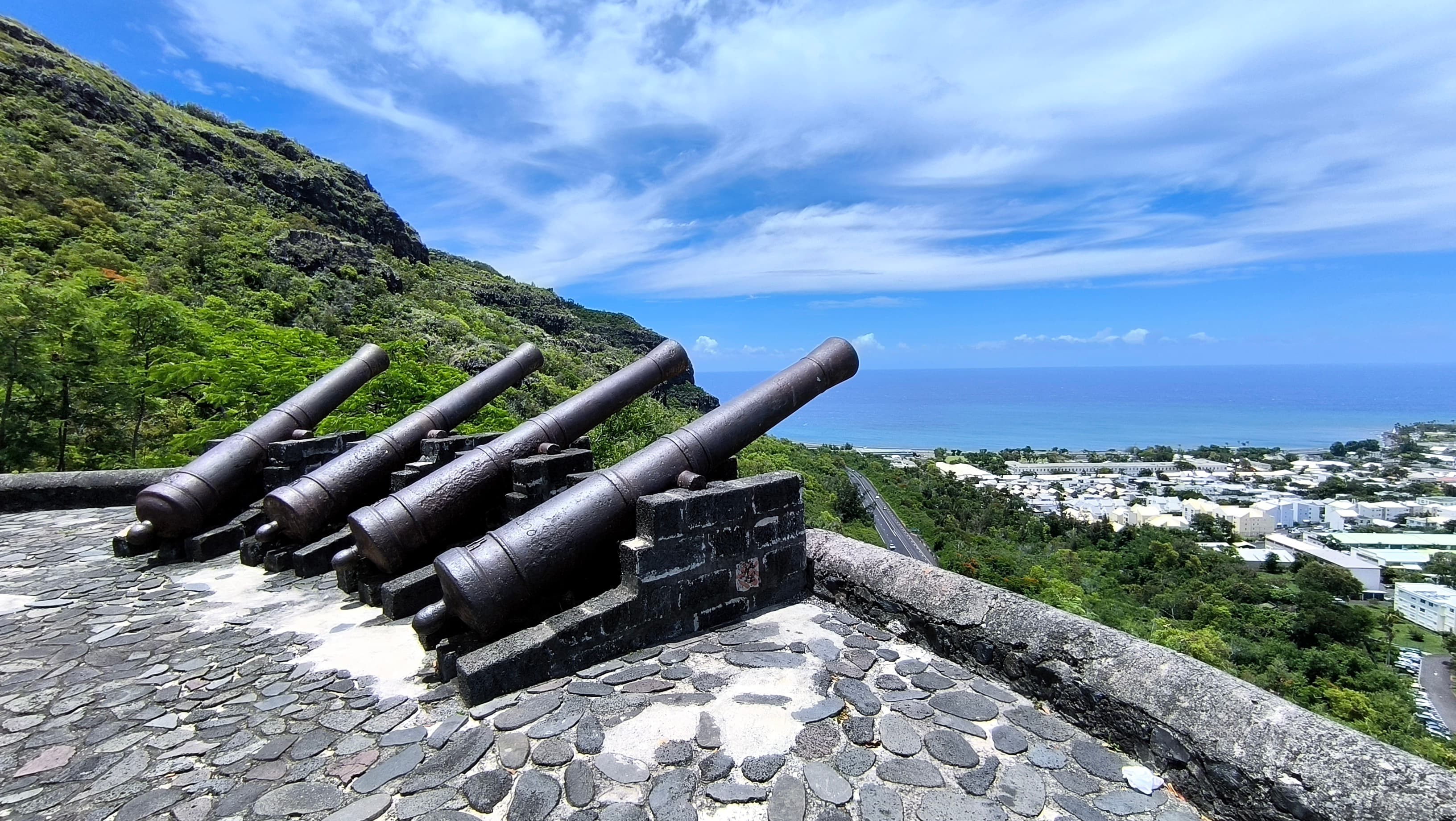
The historic capital with its exceptional Creole heritage, and the humid tropical east coast where Bourbon vanilla and the densest primary forests of the island grow.
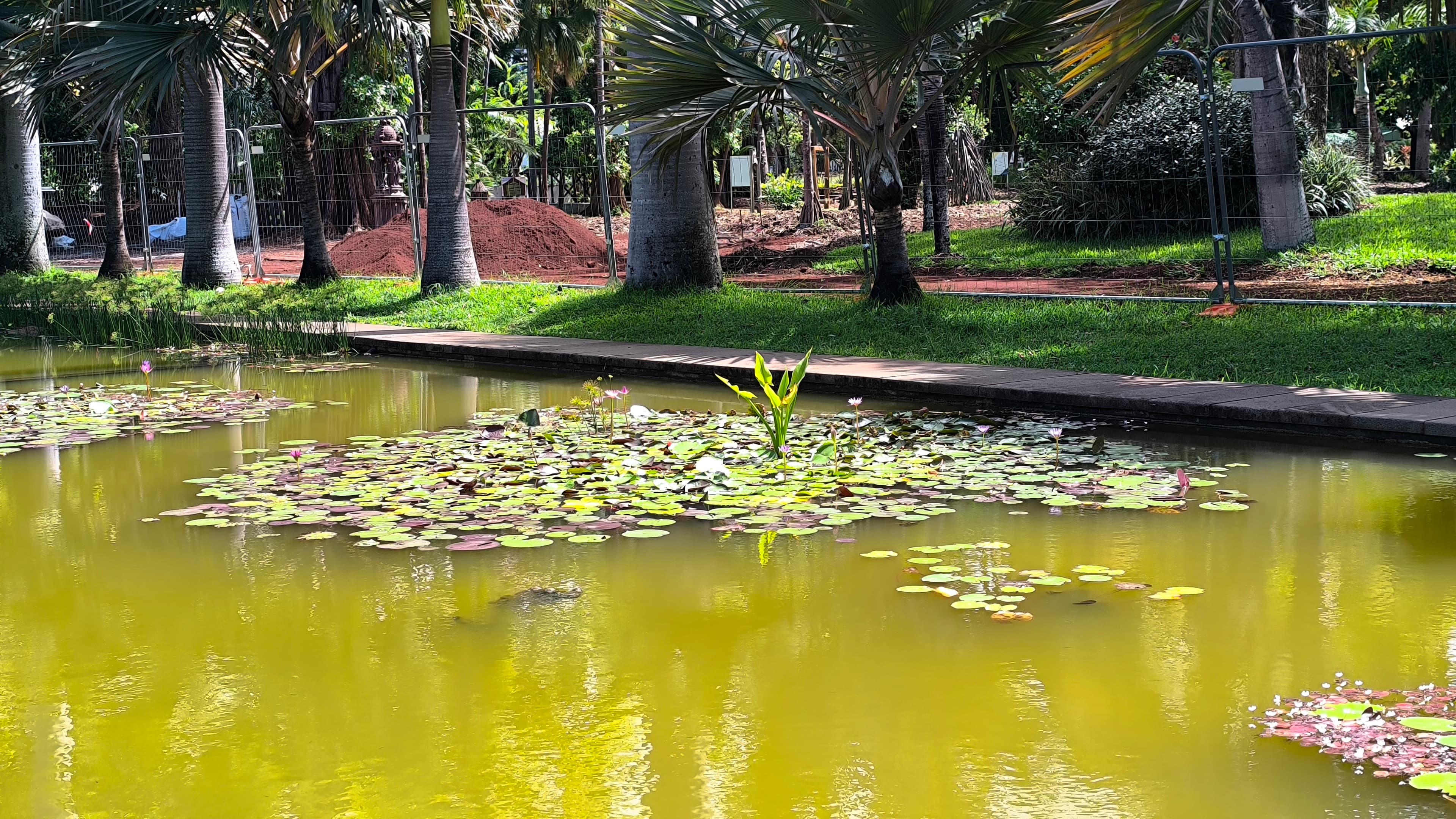
Saint-Denis and the East form a region apart of Réunion: this is where the administrative and cultural capital of the island lives, and this is where the humid tropical nature reaches its peak. Saint-Denis (150,000 inhabitants, largest city in French overseas territories) is one of the best preserved Creole cities in the world: colonial houses from the 18th and 19th centuries, kaz à varangues (with galleries), Jardin de l'État (one of the oldest botanical gardens in France, created in 1773), Musée Léon Dierx (exceptional modern art collection), Saint-Denis Cathedral, Noor-e-Islam Mosque (one of the oldest in metropolitan France and overseas, 1905).
The east coast begins right out of Saint-Denis to the east: Sainte-Marie (and its Roland-Garros airport), Sainte-Suzanne, Saint-André, Bras-Panon, Saint-Benoît. It is the most rainy region of the island (3,000-4,000 mm of annual rainfall), which explains its lush tropical vegetation, its primary forests (Bélouve, Bébour), its waterfalls (Niagara in Sainte-Suzanne, Voile de la Mariée near Salazie) and its intensive agricultural plantations. Bourbon vanilla is queen here: the Provanille cooperative in Bras-Panon is the largest on the island, and several small family plantations are open to visit.
The east is also the territory of the Tamil and Zarabe communities (Indian Muslims), particularly present in Saint-André where the Colosse temple is one of the oldest and most colourful Hindu temples on the island, and where the Cavadee festival (January-February) attracts thousands of pilgrims. The region is less developed touristically than the west coast or the wild south, but it offers an authentic cultural and natural experience, to be complemented by an excursion to Salazie and the Trou de Fer from the Bélouve viewpoint.
Explore Saint-Denis and East
Spots in the region
Situation
Où se situe Saint-Denis and East ?
Ouvrir la carte en grand sur OpenStreetMap →Frequently asked questions
How long do you need to visit Saint-Denis and the East?+
What must you see in Saint-Denis?+
How to visit a vanilla plantation?+
Is the Trou de Fer easily accessible?+
Which cultural communities live in the East?+
What is specific to taste in the East?+
Where to sleep in Saint-Denis or the East?+
Our verdict
Saint-Denis and the East are the essential cultural and heritage dimension of Réunion. The capital is a living open-air museum of Creole architecture — enthusiasts will appreciate the pedestrian circuit of colonial houses and the richness of religious heritage (cathedral, mosque, temples). The east coast offers a very different nature experience from the rest of the island: dense forests, vanilla plantations, Tamil community. And the Trou de Fer viewpoint, from the Bélouve forest, is one of the most striking panoramas of Réunion. Count 1 to 2 days on the region as part of a complete stay: a day Saint-Denis (Creole houses, Jardin de l'État, markets), a half-day vanilla plantation and Rivière du Mât distillery, a half-day Bélouve forest with view of the Trou de Fer.