Indian Ocean & Oceania
Mayotte
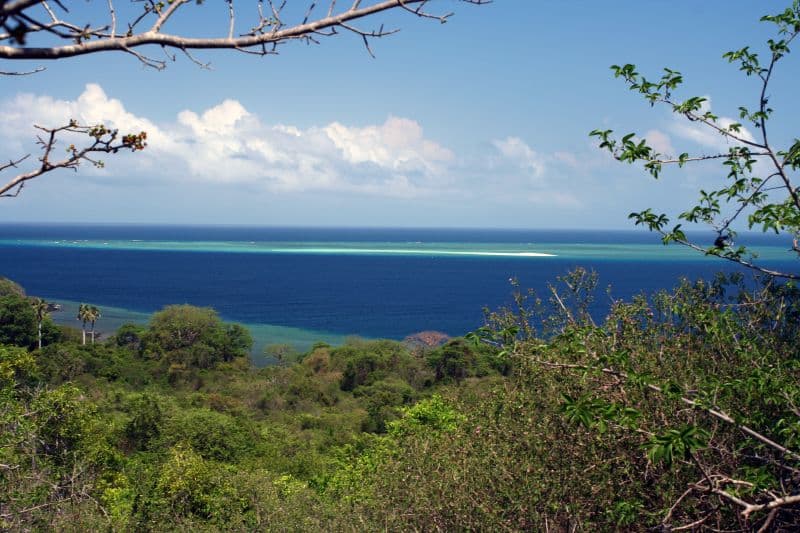
France's 101st department: one of the world's largest lagoons (1,500 km²), humpback whales June to October, sea turtles year-round and a deeply Muslim Mahoran culture.
- Capital
- Mamoudzou
- Currency
- Euro (EUR)
- Languages
- Français, Shimaoré, Kibushi
- Budget
- From €110/day/person; budget travel from €70-90; comfort from €150-250
Mayotte at a glance
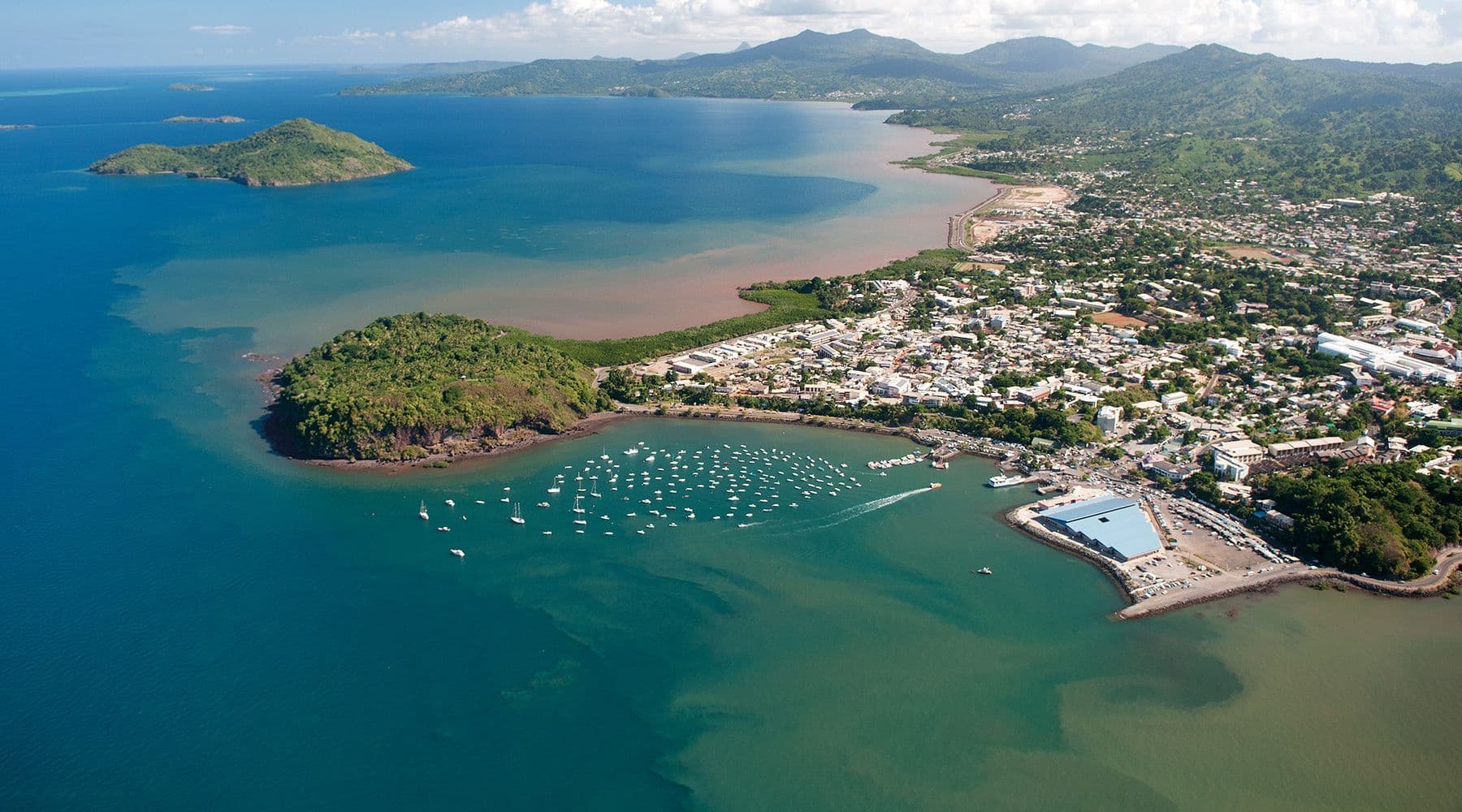
Mayotte is a French archipelago in the Indian Ocean, located in the Mozambique Channel between Madagascar and the African continent, 8,000 km from Paris. Composed of two main islands — Grande-Terre (Maore, 363 km²) and Petite-Terre (Pamandzi, 11 km²) — and around thirty islets, it is surrounded by a 1,500 km² lagoon, one of the largest in the world, enclosed by a double coral barrier 195 km in circumference. It became the 101st French department in March 2011 after several referendums — France 8,000 km from Paris, in a unique tropical enclave.
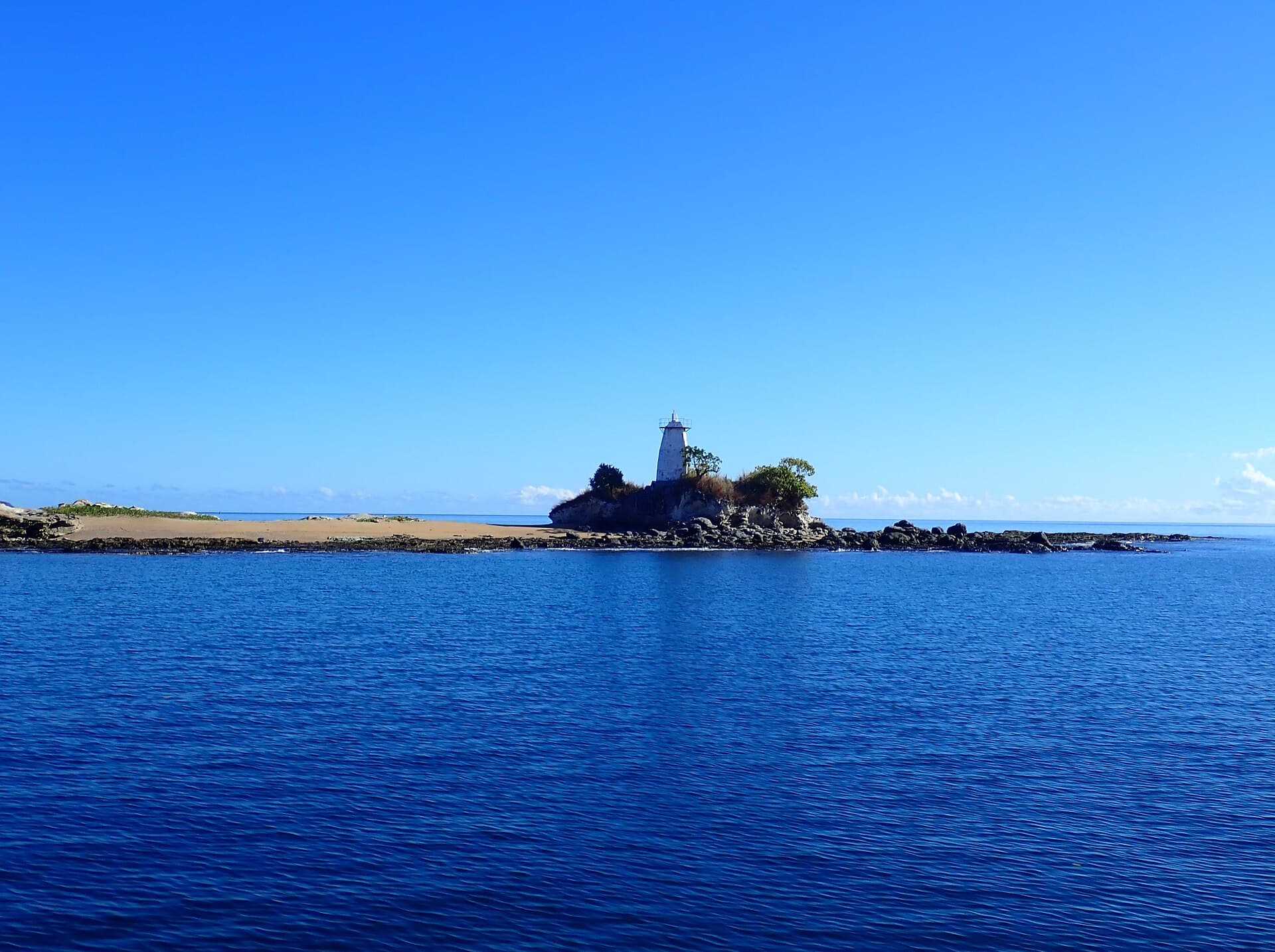
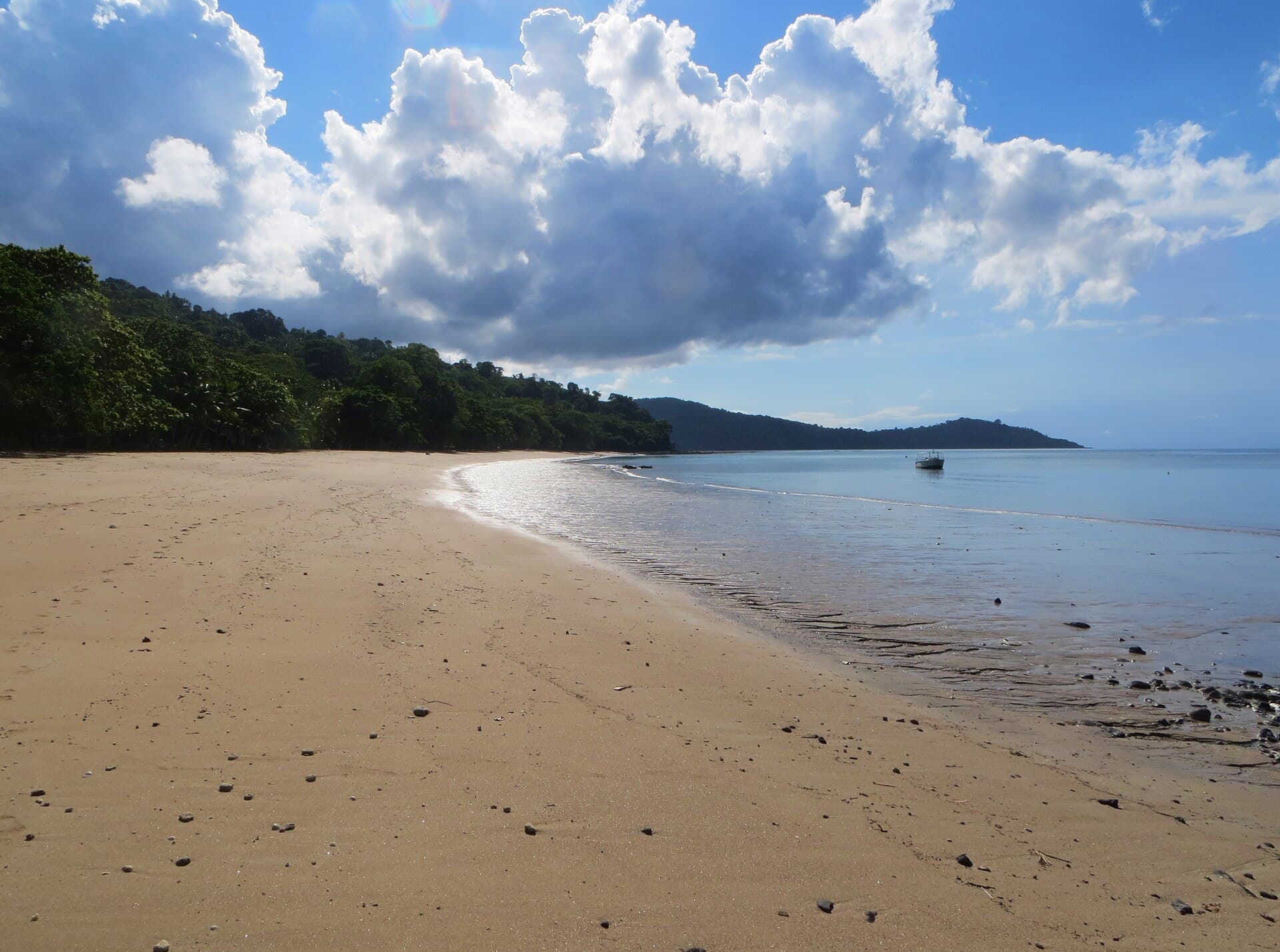
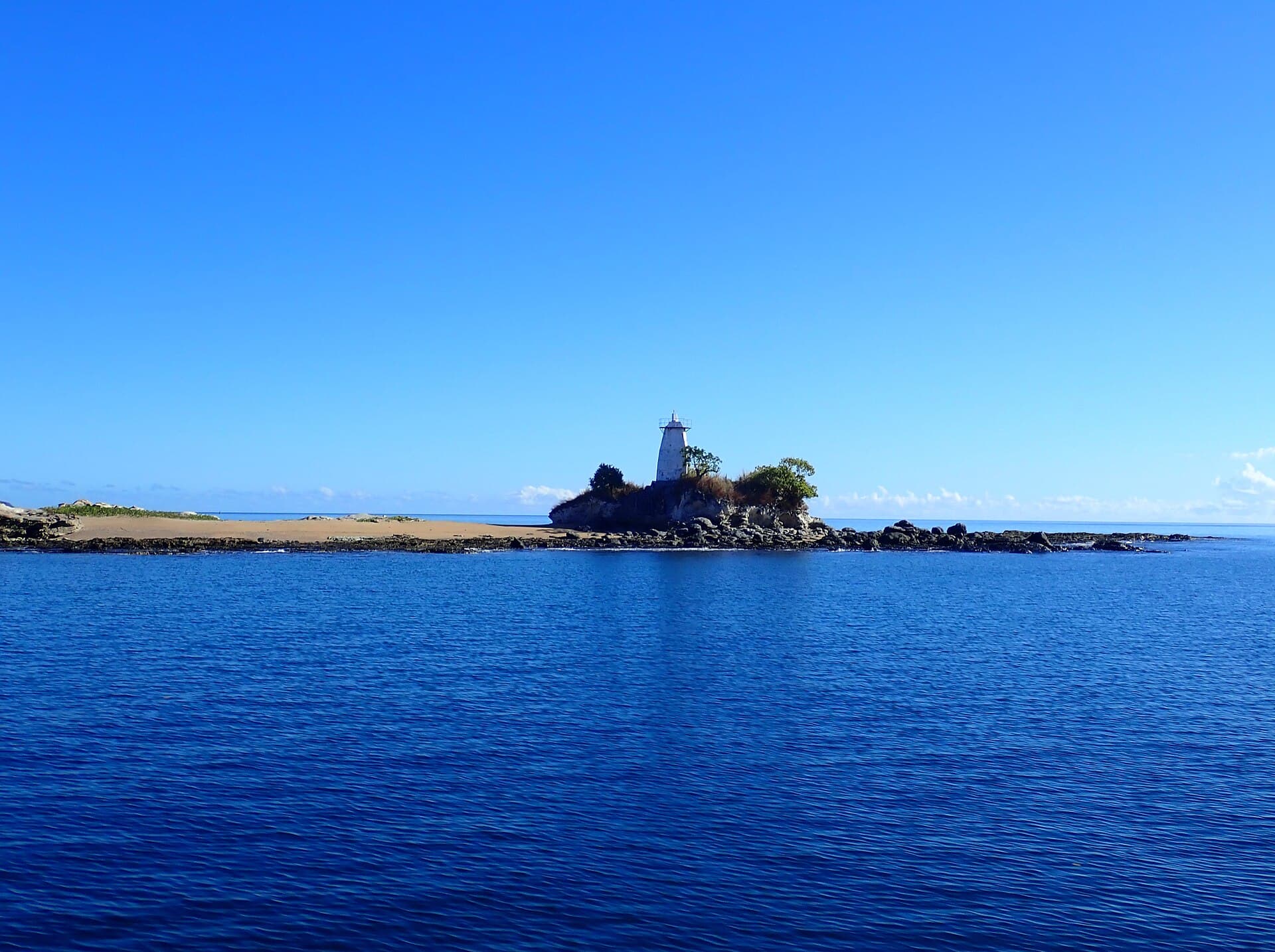
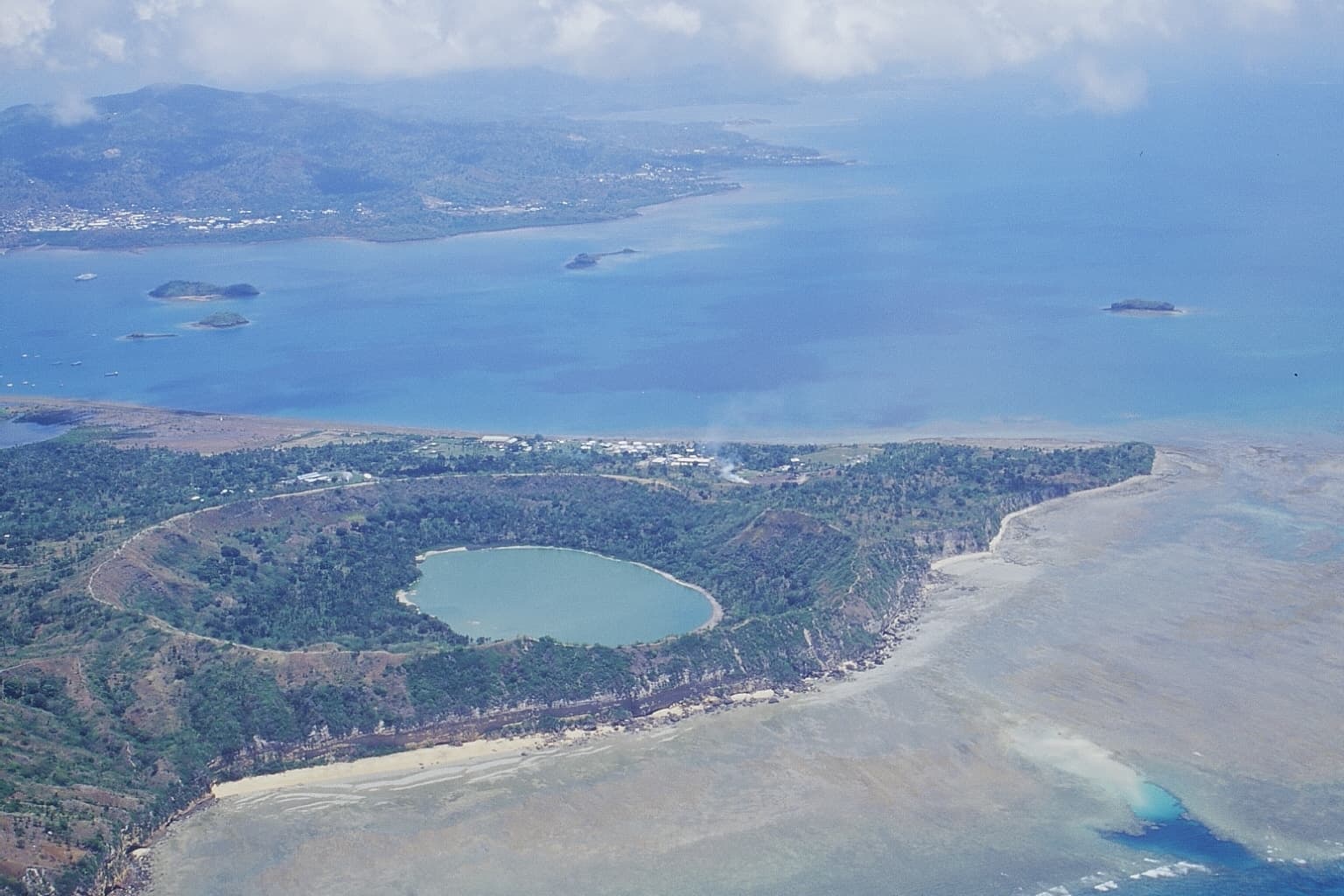
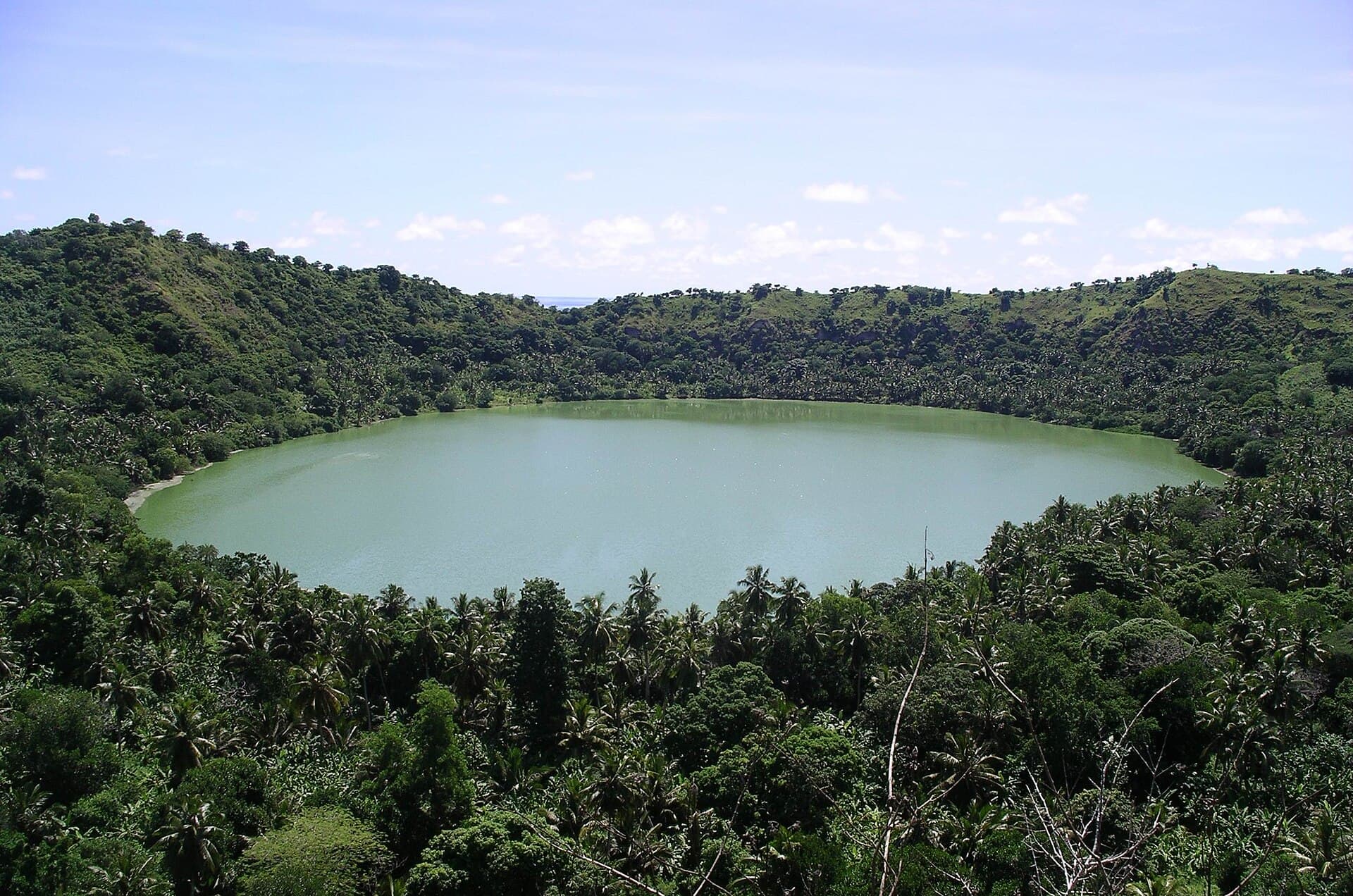
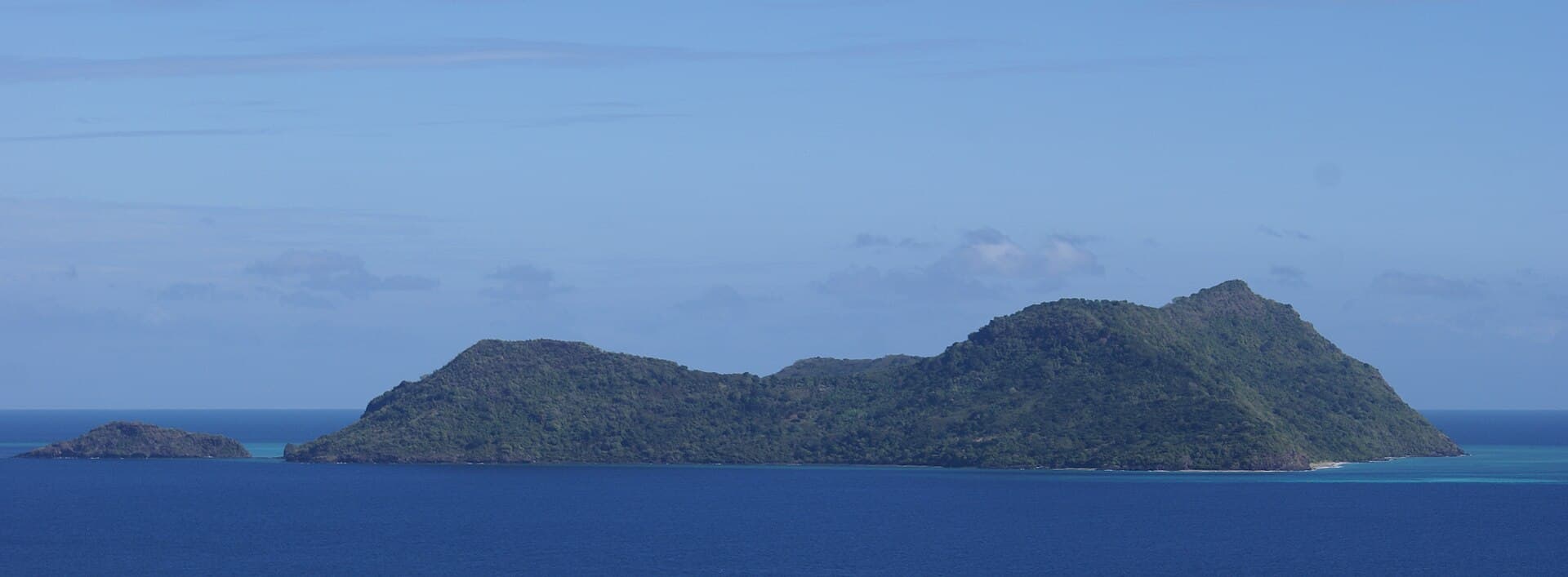
The island owes its beauty to its eroded volcanic relief (highest point Mount Bénara, 660 m), its dense mangrove (3,000 hectares, the richest in the western Indian Ocean), its turquoise lagoon populated with corals, turtles, dolphins and humpback whales, and its white and black sand beaches alternating along the coast. Lac Dziani, on Petite-Terre, is a volcanic crater filled with emerald-green water, one of Mayotte's most singular landscapes. The paradise islets (Choizil, Mtsamboro, Bandrélé, M'Bouzi) are accessible by boat.
But Mayotte is above all a deeply Mahoran island, where 95% of the population is Sunni Muslim (Shafi'i rite), where Shimaore (Bantu language) and Kibushi (Malagasy dialect) are spoken alongside French, and where the traditional way of life — voulés (traditional weddings), shungu (mutual aid system), feast meals in banga (traditional dwelling) — remains vibrant. The island is famous for its ylang-ylang, the "flower of flowers" which provides one of the most precious essences in world perfumery (Mayotte is the second-largest producer in the world), for its artisanal vanilla ("Mayotte vanilla", rival to Bourbon vanilla), and for its jackfruit, mango and clove trees that perfume the island. The contrast between African-Malagasy cultural heritage and French department status makes it one of the most singular destinations in the French portfolio — total escape 8,000 km from Paris, without a visa, in EUR, with social security.
What we love
- ✅1,500 km² lagoon — one of the world's largest, double coral barrier 195 km long
- ✅Humpback whales visible from June to October (up to 15 cetacean species observed)
- ✅Sea turtles (green and hawksbill) year-round — spectacular night nestings
- ✅Full French logistical comfort: EUR, ID card sufficient, social security, French law
- ✅Authentic Mahoran culture: Shafi'i Islam, Shimaore, voulés, ylang-ylang, vanilla
- ✅Total escape 8,000 km from Paris with no paperwork or language barrier
What to know
- ❌Long and expensive flight: 11-15h via Réunion or Kenya, €700-1,300 return
- ❌Limited tourist offer — few hotels, few upmarket restaurants, young infrastructure
- ❌Major cyclone season (November-April), Cyclone Chido December 2024
- ❌Degraded security in some Mamoudzou neighbourhoods (night-time vigilance)
- ❌Very hot and humid climate, can be tough in rainy season
- ❌Limited medical care: a single hospital, evacuations to Réunion for serious cases
Explore Mayotte
Our itineraries
Regions
Popular spots
Situation
Où se situe Mayotte ?
Ouvrir la carte en grand sur OpenStreetMap →Frequently asked questions
Do I need a passport or visa for Mayotte?+
When is the best time to visit Mayotte?+
How many days do you need to visit Mayotte?+
How to get to Mayotte?+
Is Mayotte dangerous for tourists?+
Should I rent a car in Mayotte?+
What is the typical cuisine of Mayotte?+
Our verdict
Mayotte is a destination apart in the French portfolio — an African-Malagasy Muslim island that became a French department in 2011, populated by fishermen, farmers and civil servants, bathing in a spectacular 1,500 km² lagoon. It is not a mainstream destination: the tourist offer remains embryonic (few hotels, few restaurants), the climate is demanding in the rainy season, and the urban security situation requires vigilance. But for the prepared traveller, it is one of the most singular experiences France has to offer: humpback whale watching in July-October, snorkelling with turtles, diving on the double coral barrier, cultural immersion in Mahoran villages where time seems to stop. Come between June and October, plan at least 8-10 days, stay in family guesthouses on Petite-Terre or in the south of Grande-Terre, rent a car, and embrace the quiet rhythm of an island discovered on a human scale.
Similar destinations

Expert on Mayotte · 1 contributions
 Africa & Americas Desk — Mowando·Editor