Europe
France
UNESCO-listed gastronomy, fairytale castles, legendary vineyards, art-saturated Paris and Mediterranean perched villages — France packs a whole cultural and natural continent into a single country.
- Capital
- Paris
- Currency
- Euro (EUR)
- Languages
- Français
- Budget
- Comfort travel from around €120/day/person (€150-200 in Paris and on the Riviera); backpackers can manage on €70-80 in the regions; luxury easily climbs past €500/day
France at a glance
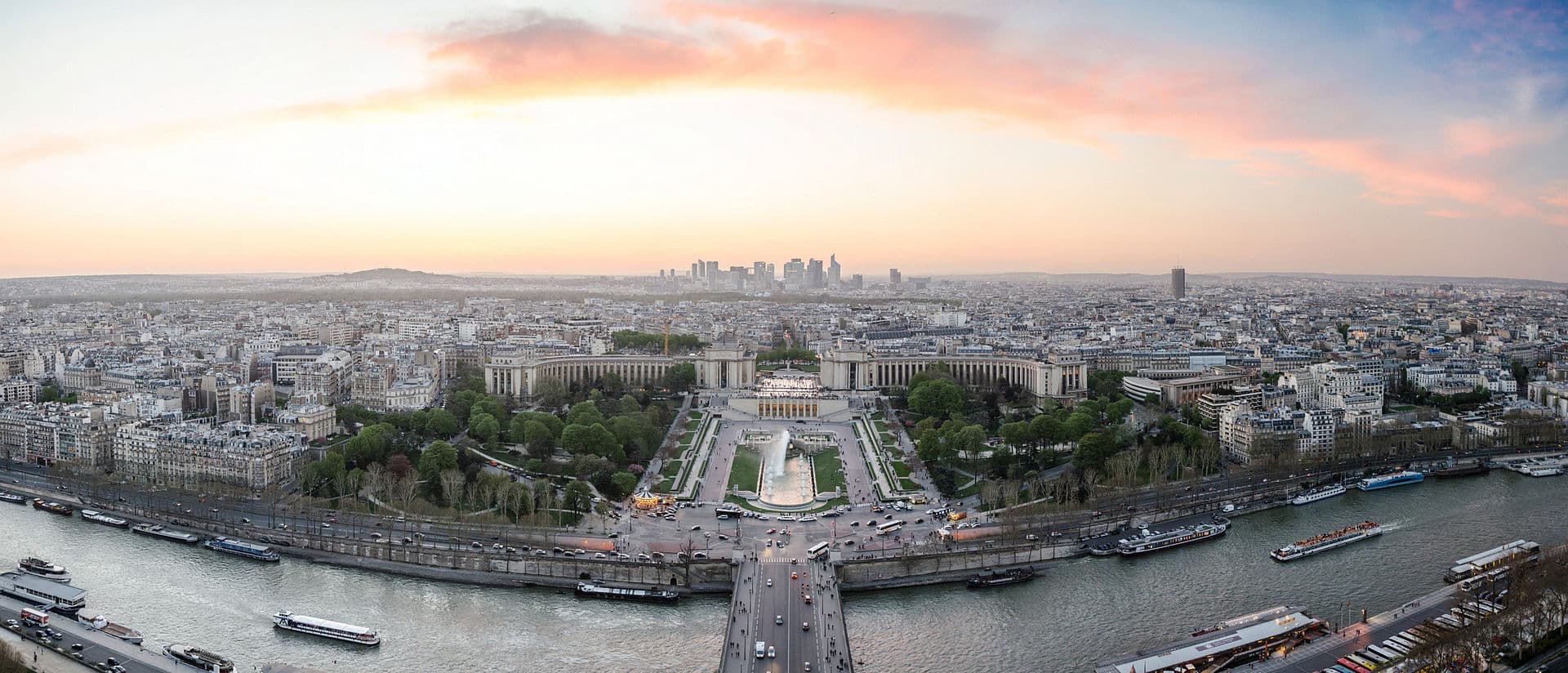
France has held the title of the world's most-visited country for decades — roughly 90 million international visitors a year, ahead of Spain and the United States. The dominance is no accident: nowhere else in the world packs together artistic excellence, landscape diversity, historical depth and an everyday art of living quite so generously. From the Eiffel Tower to the cliffs of Étretat, from the châteaux of the Loire to the calanques of Marseille, from Mont-Saint-Michel to the snow-capped peaks of Mont Blanc, France offers within one country a variety of settings and experiences that elsewhere would require a whole continent.
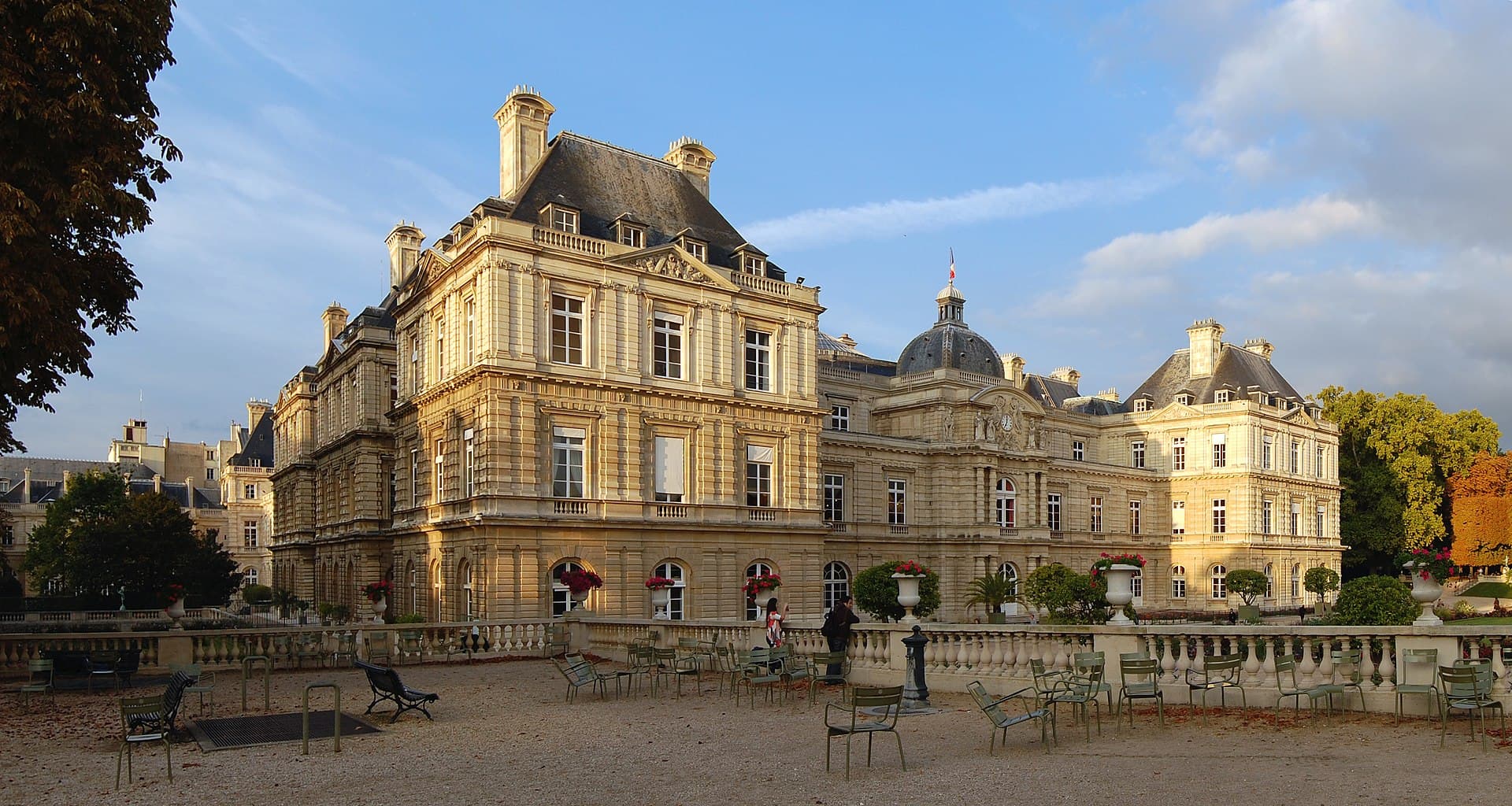
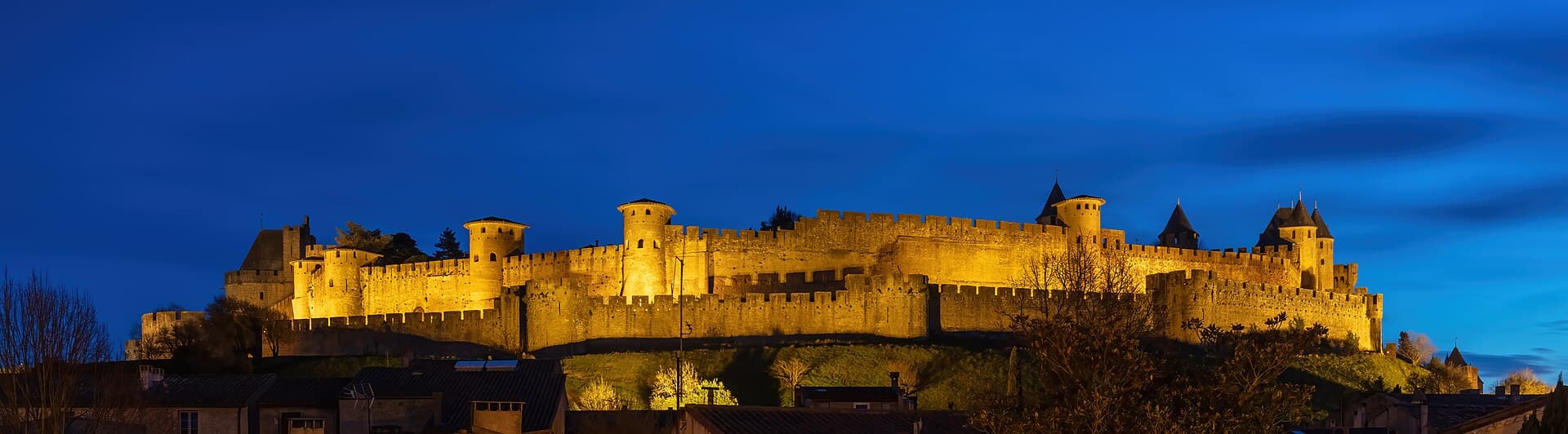
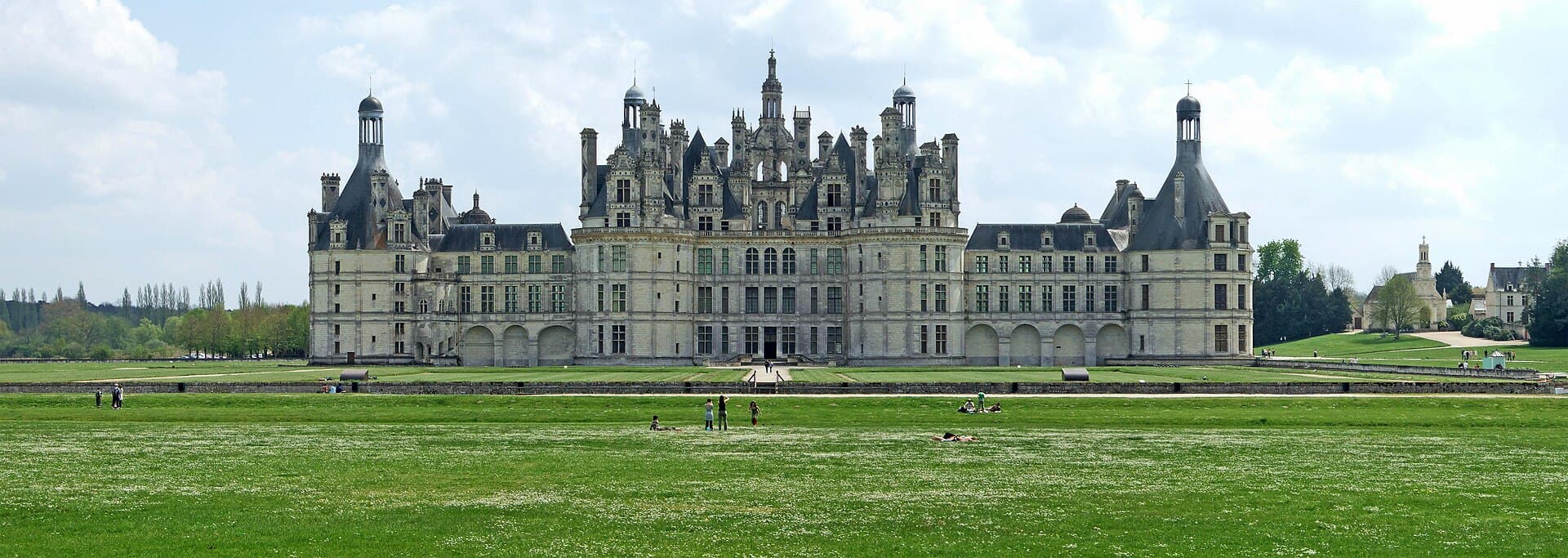
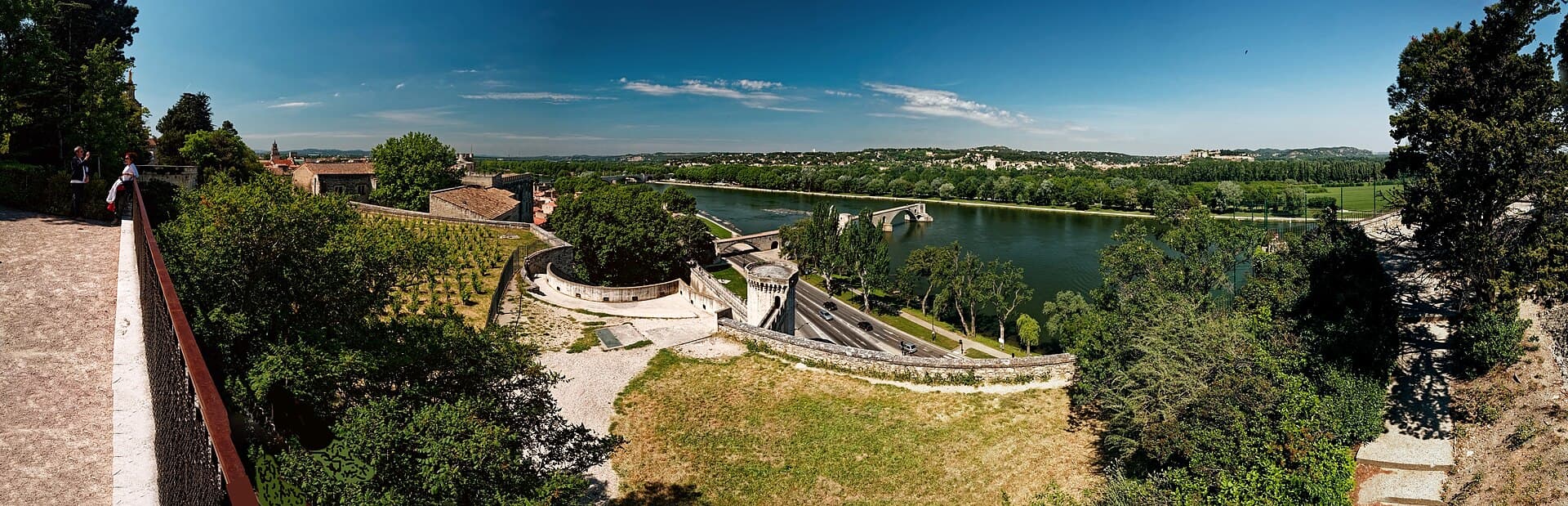
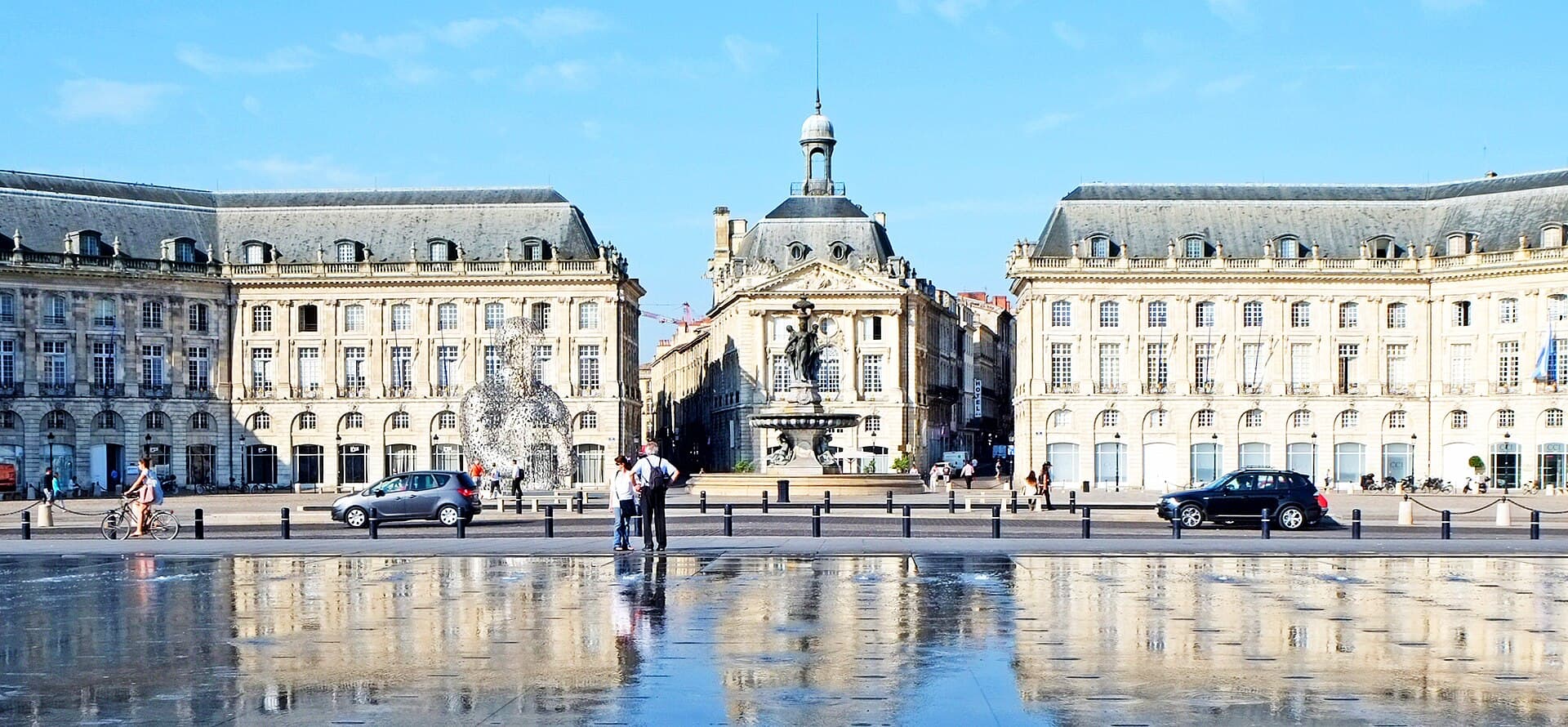
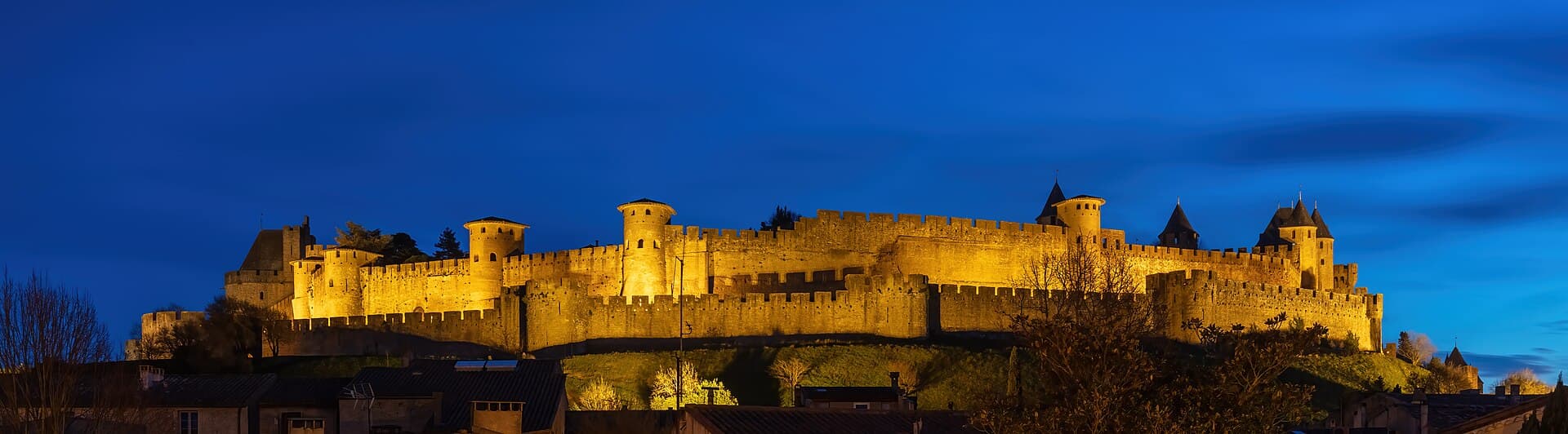
The cultural wealth is unrivalled. 53 UNESCO World Heritage sites, world-leading museums (the Louvre, the planet's most-visited museum with nine million annual visitors), more than 45,000 protected historic monuments, nearly 1,200 listed museums. Paris remains the city of the Louvre, Orsay, the Pompidou Centre and Versailles; but the provinces line up first-rate heritage of their own: Avignon and its papal palace, Carcassonne and its medieval citadel, Strasbourg and its Gothic cathedral, Mont-Saint-Michel and its abbey, the châteaux of Chambord, Chenonceau and Versailles. French gastronomy has been inscribed since 2010 on UNESCO's intangible cultural heritage list — the only national cuisine to receive that distinction. From three-Michelin-starred haute cuisine to neighbourhood bistros, from Bordeaux vineyards to Auvergne cheeses, eating in France is a way of life elevated to national heritage.
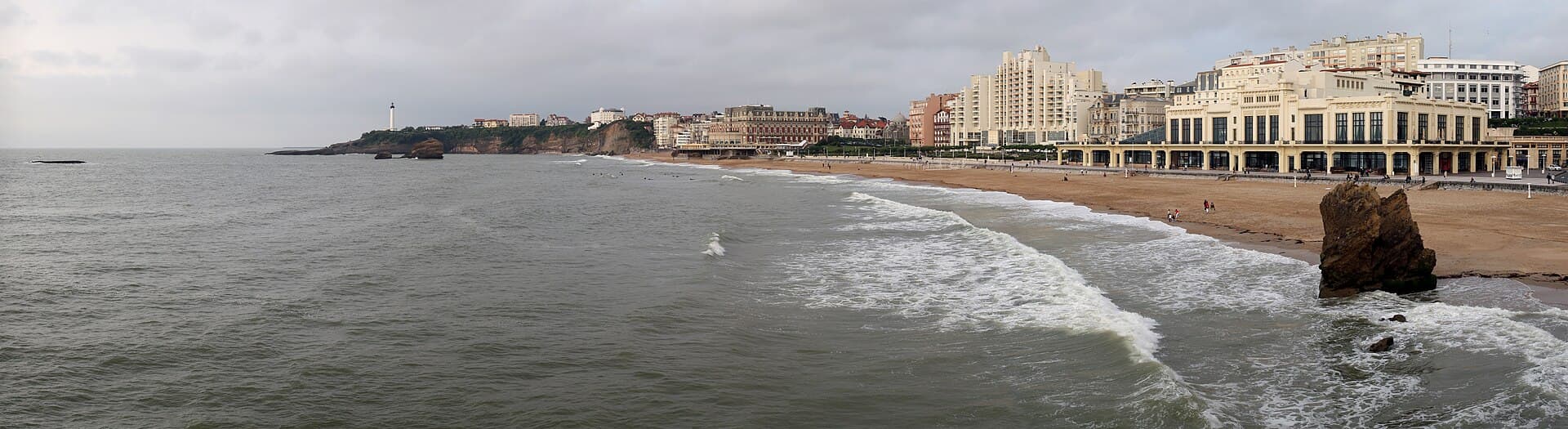
Geographically, mainland France is a puzzle of landscapes with no equal in Europe: the Channel and the Atlantic to the north and west (Normandy, Brittany, Basque Country), the Mediterranean to the south (Provence, French Riviera, Languedoc, Corsica), three mountain ranges (the Alps, the Pyrenees, the Massif Central), the Seine, Loire and Rhône valleys, and the cereal plains of the Paris Basin. This diversity makes it possible, on a single two-week trip, to ski in the morning and swim in the Mediterranean by evening, to move from Parisian modernism to perched Provençal villages, from chalk cliffs in Normandy to half-timbered Alsatian houses. No other European country offers such a range.
What we love
- ✅53 UNESCO sites including Paris, Versailles, Mont-Saint-Michel, Carcassonne and Avignon
- ✅UNESCO-listed gastronomy — the only national cuisine to hold this honour
- ✅Unmatched geographical diversity in Europe: sea, mountains, countryside and cities in one country
- ✅Outstanding access for Europeans: high-speed rail, low-cost flights, motorways, the euro
- ✅World-class rail network (TGV, Intercités, TER) that makes car-free exploration entirely possible
What to know
- ❌High costs in Paris and on the Riviera (hotels, restaurants, rentals)
- ❌Considerable crowds in July-August at the headline sites (Mont-Saint-Michel, Provence, Riviera, Loire châteaux)
- ❌Occasional strikes in transport (SNCF, RATP, air traffic controllers) — check the news
- ❌Booking ahead is essential for Paris museums and starred restaurants
Explore France
Our itineraries
View all itineraries →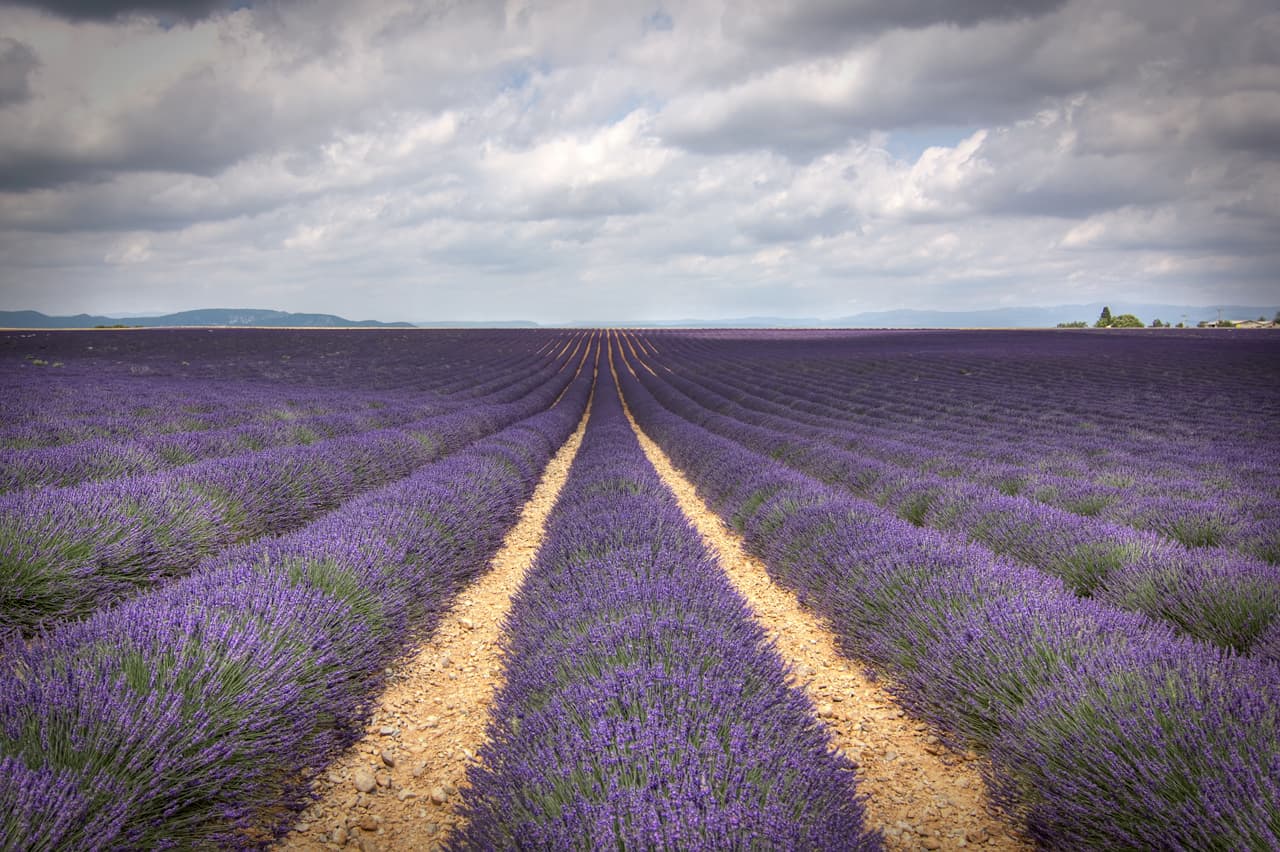 7 days
7 days in Provence-French Riviera: Nice, Cannes, Aix, Avignon, Marseille
The essence of the French South in one week — Nice and the Riviera, Aix-en-Provence and its Cours Mirabeau, papal Avignon, Marseille and the calanques. Dense but geographically coherent programme, by TGV from Paris (3h10-5h40) and TER for internal moves.
 10 days
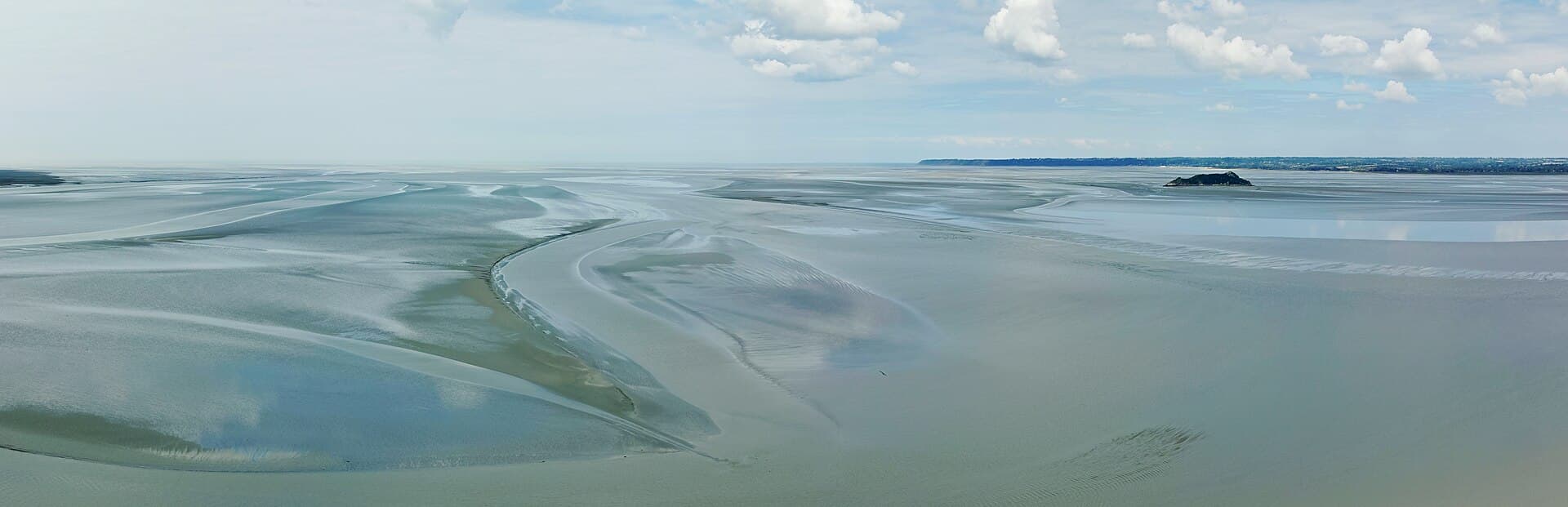
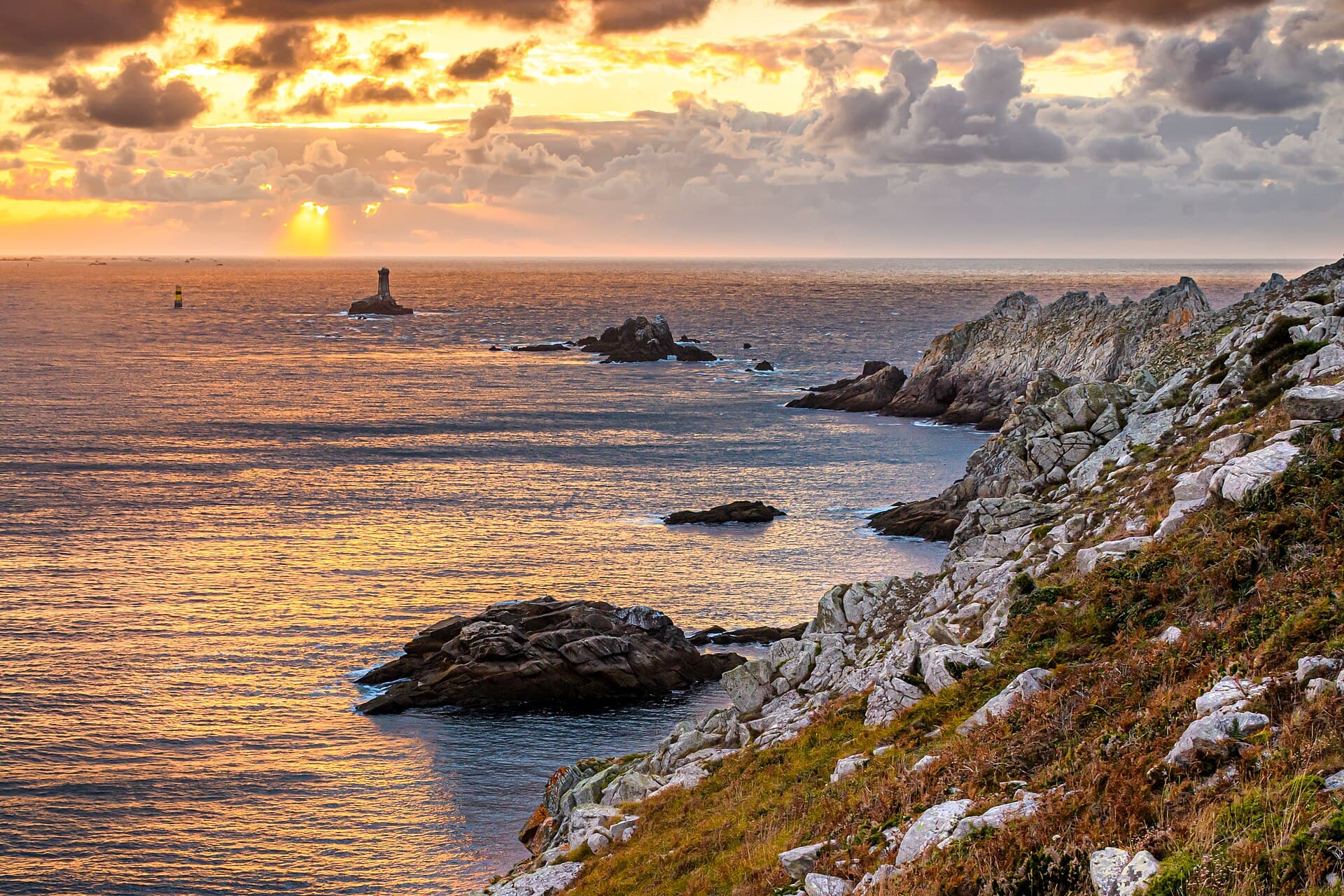
10 days in Brittany and Normandy: Mont-Saint-Michel, Saint-Malo, Étretat, Honfleur
The great coastal circuit of northwest France: UNESCO Mont-Saint-Michel, corsair Saint-Malo, iconic Étretat cliffs, picturesque Honfleur, D-Day beaches. Car essential for villages and coastline.
 14 days
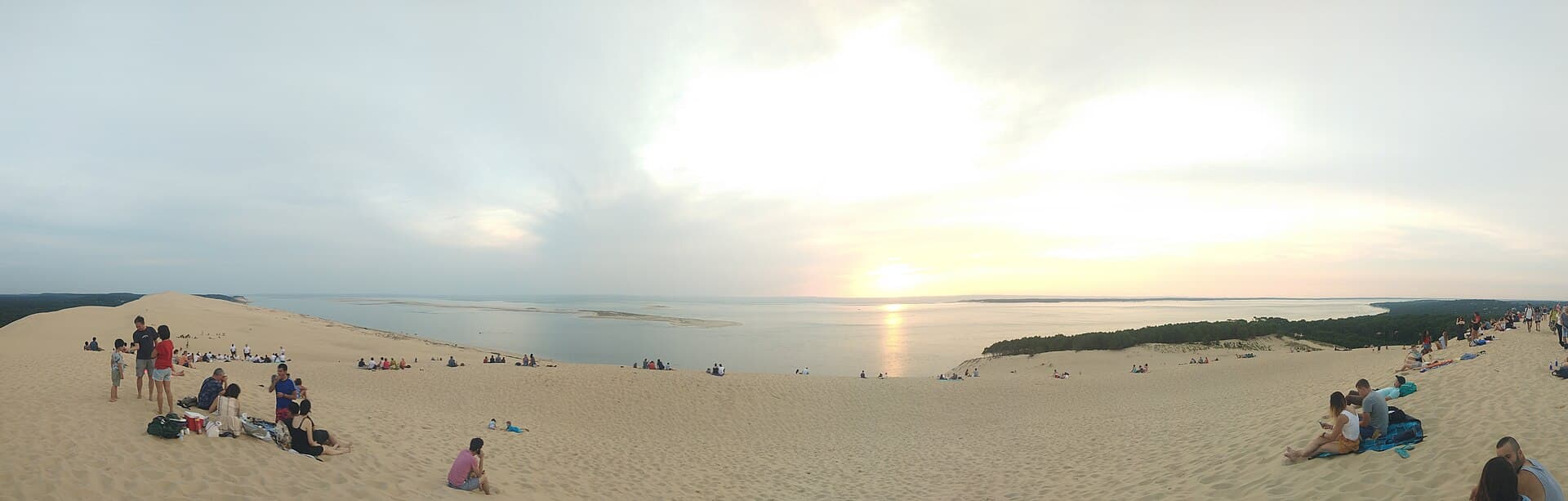
14 days in the Southwest and Pyrenees: Bordeaux, Biarritz, Carcassonne, Toulouse
The grand Aquitaine-Pyrenees-Occitanie circuit: Bordeaux and its vineyards, Arcachon Bay with the Pilat Dune, Basque Country around Biarritz, central Pyrenees (UNESCO Gavarnie), medieval Carcassonne, Toulouse Pink City, Cathar castles.
 15 days
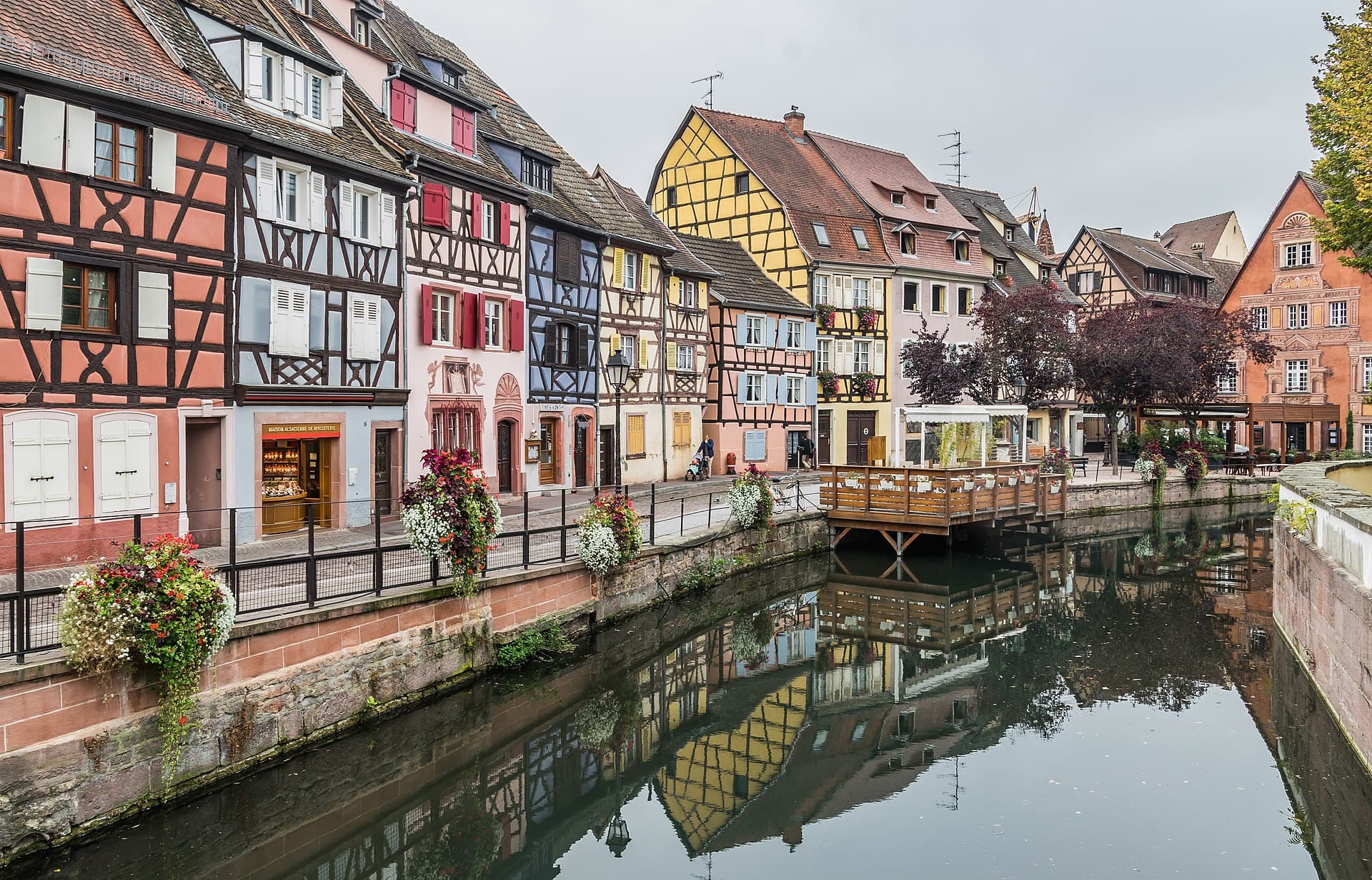
15 days Loire Valley and Alsace: Paris, Chambord, Beaune, Strasbourg, Colmar
The grand circuit châteaux + vineyards + Alsace: 3 nights Paris, 4 nights Loire Valley (Chambord, Chenonceau, Amboise), 2 nights Beaune (Burgundy, Hospices), 4 nights Alsace (Strasbourg + Colmar + Wine Route), Paris return.
21 days21 days Grand Tour of France: Paris, Normandy, Brittany, Southwest, Provence, Alps
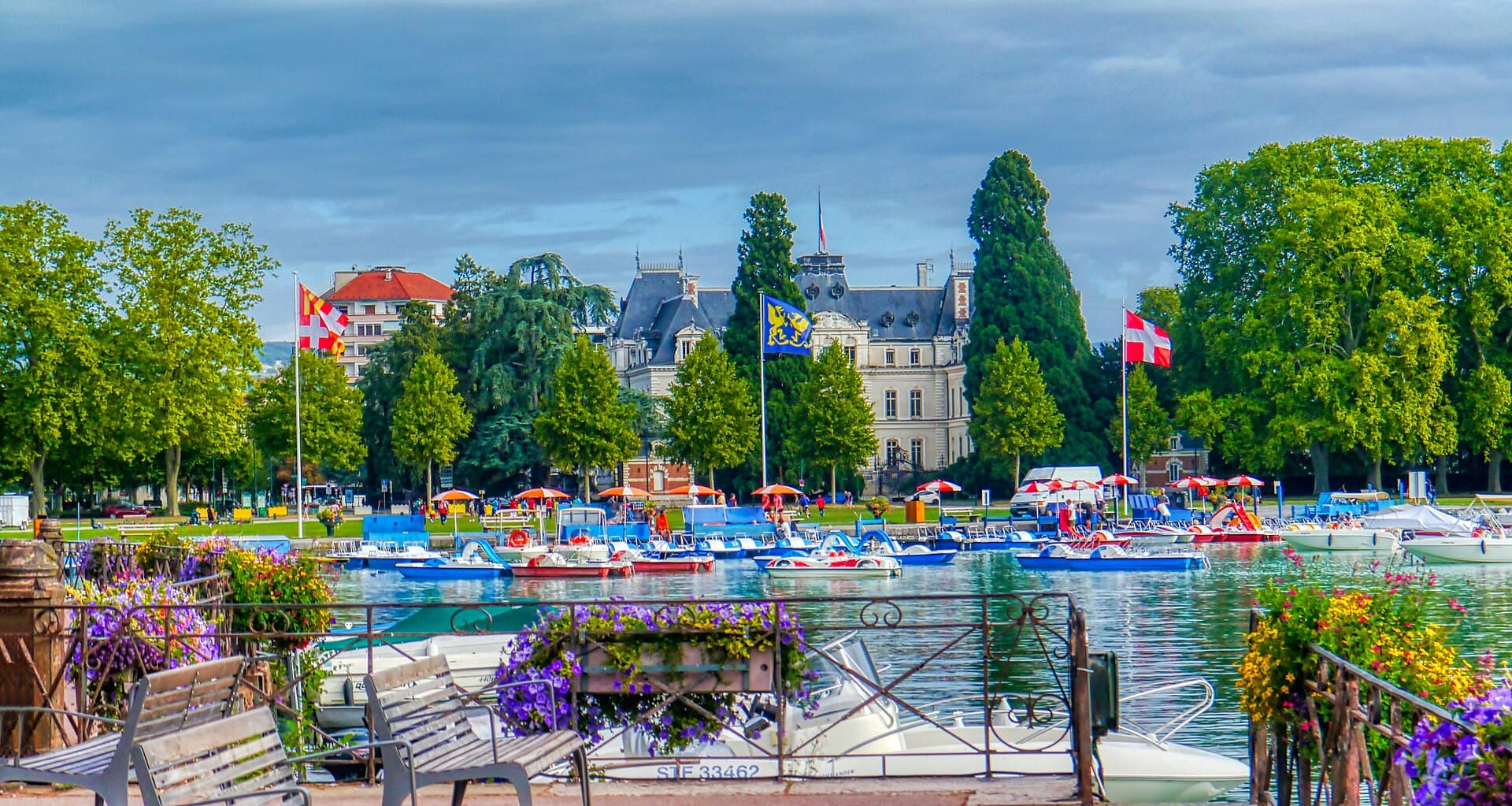
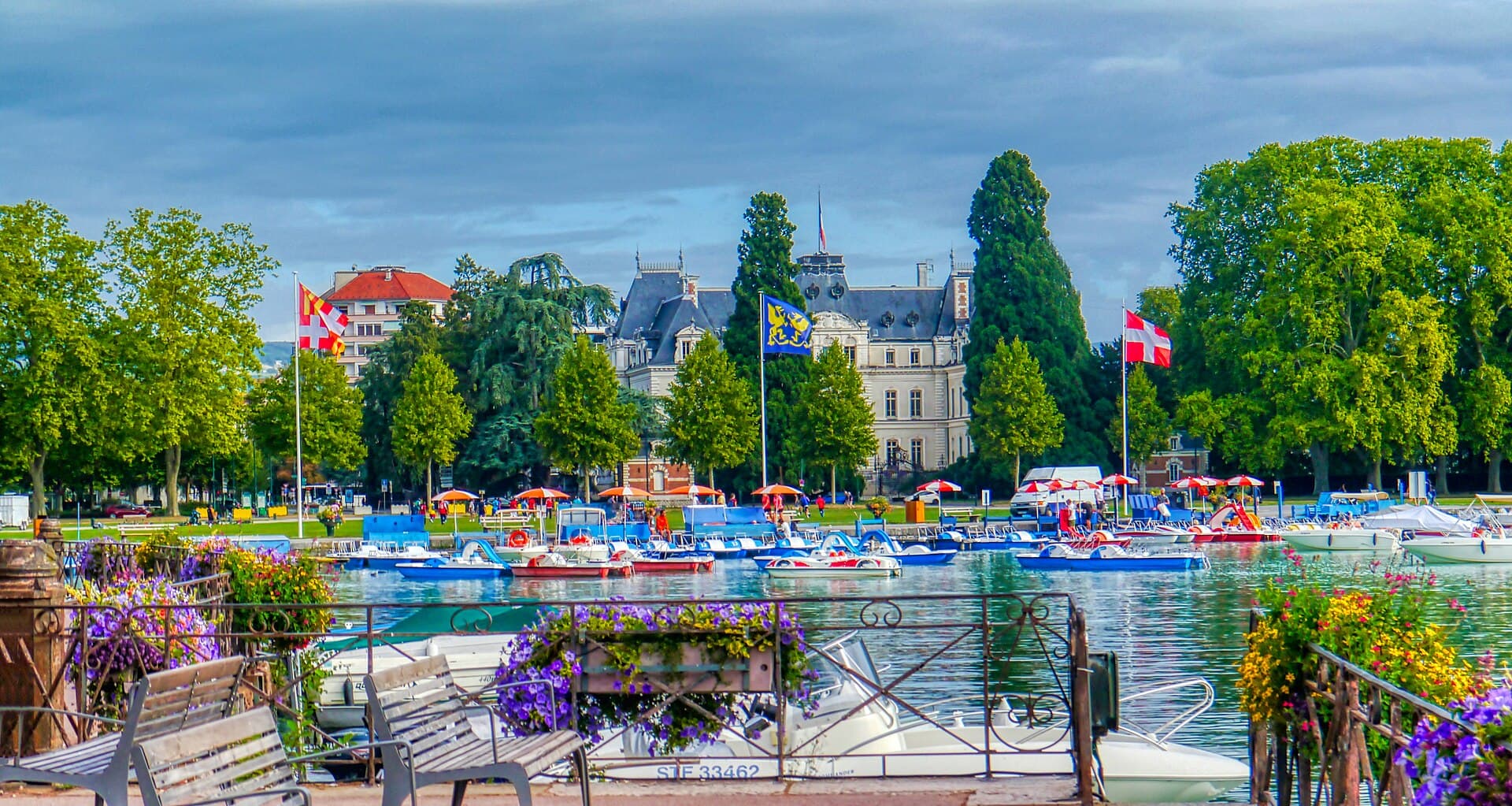
The grand tour of France in 3 weeks — cultural Paris, historic Normandy (Mont-Saint-Michel + Étretat), Brittany (Saint-Malo + Carnac), Southwest (Bordeaux + Biarritz), Provence-Riviera (Avignon + Marseille + Nice), Alps (Annecy). The complete France experience.
Regions
Popular spots
Situation
Où se situe France ?
Ouvrir la carte en grand sur OpenStreetMap →Frequently asked questions
Do I need a visa to travel to France?+
Is France safe for tourists?+
When is the best time to visit France?+
How much does a trip to France cost?+
What is the best way to get around France?+
What currency does France use?+
How many days do I need for France?+
Do I need to book museums and restaurants in advance?+
Our verdict
France remains, year after year, the world's most-visited destination — and the experience justifies the reputation. No other country layers artistic excellence, landscape diversity, historical depth and an everyday pleasure of living quite so generously. The frustrations are real — Parisian prices, summer crowds, the occasional strike — but they never quite manage to dent an experience that touches something essential. For a first trip, Paris is unavoidable (3-5 days); after that, the choice depends on the season and your interests: Provence and the Riviera in May-June, Loire châteaux in spring or autumn, Brittany and Normandy in summer, the Alps and Alsace in winter. Visit outside July-August to experience France at its best, and lean on the TGV network to make exploration comfortable.
Similar destinations

Expert on France · 1 contributions
 France Desk — Mowando·Editor