Region
Provence
Lavender fields, hilltop villages, Marseille's calanques, the glittering Riviera and Avignon's Papal Palace: Provence is probably the most iconic French region in the eyes of the world.
Provence-Alpes-Côte d'Azur (often shortened to PACA) is, after Île-de-France, the most-visited French region by international travellers. It stretches across 31,400 km² from the Rhône delta to the Italian border, taking in the Pre-Alps, the Southern Alps, the Mediterranean coastline and the inland massifs (Luberon, Verdon, Sainte-Victoire).
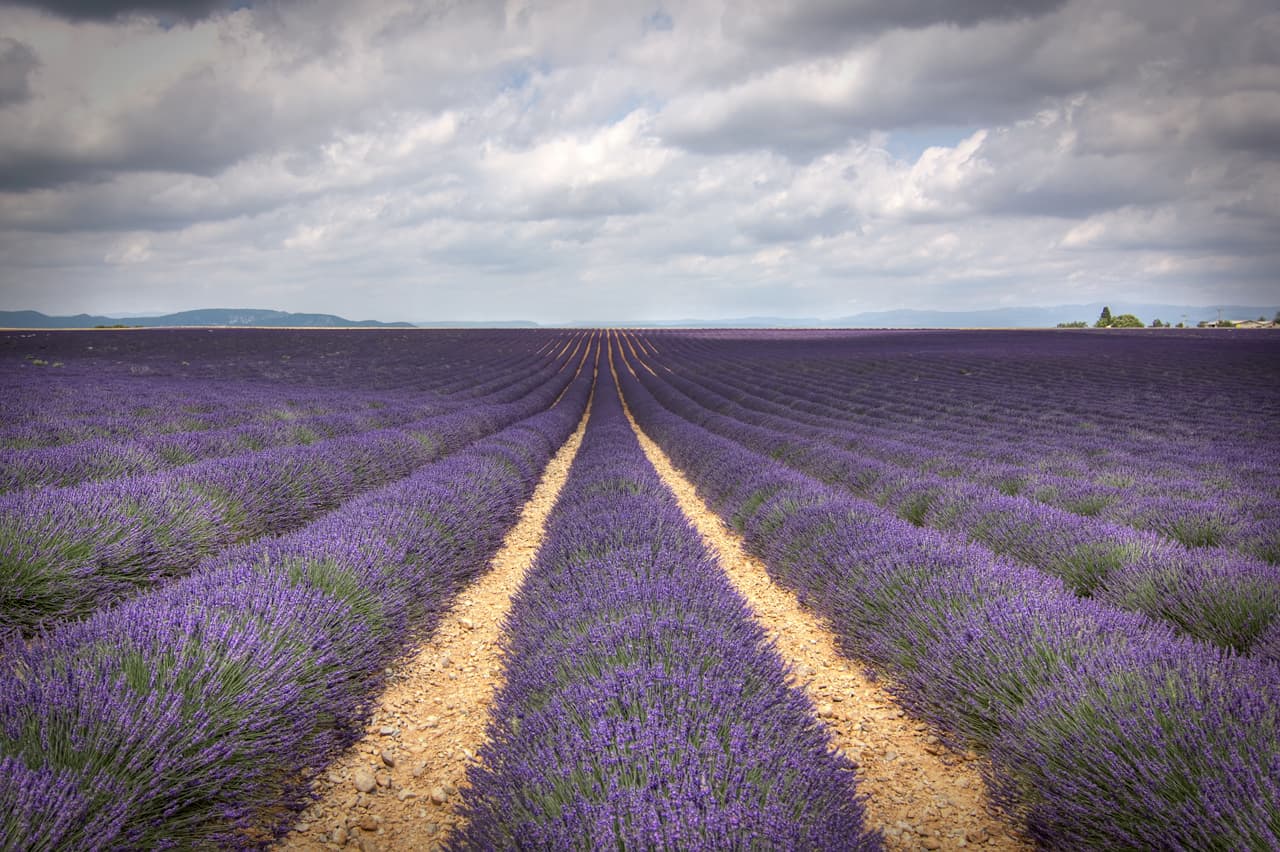
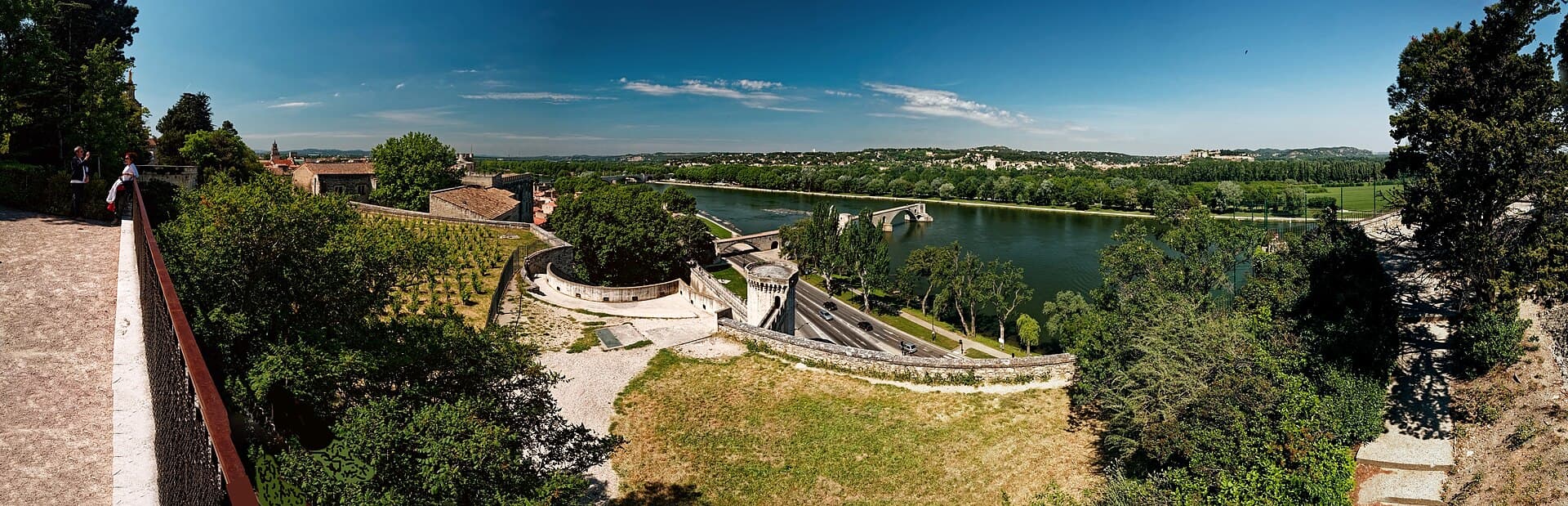
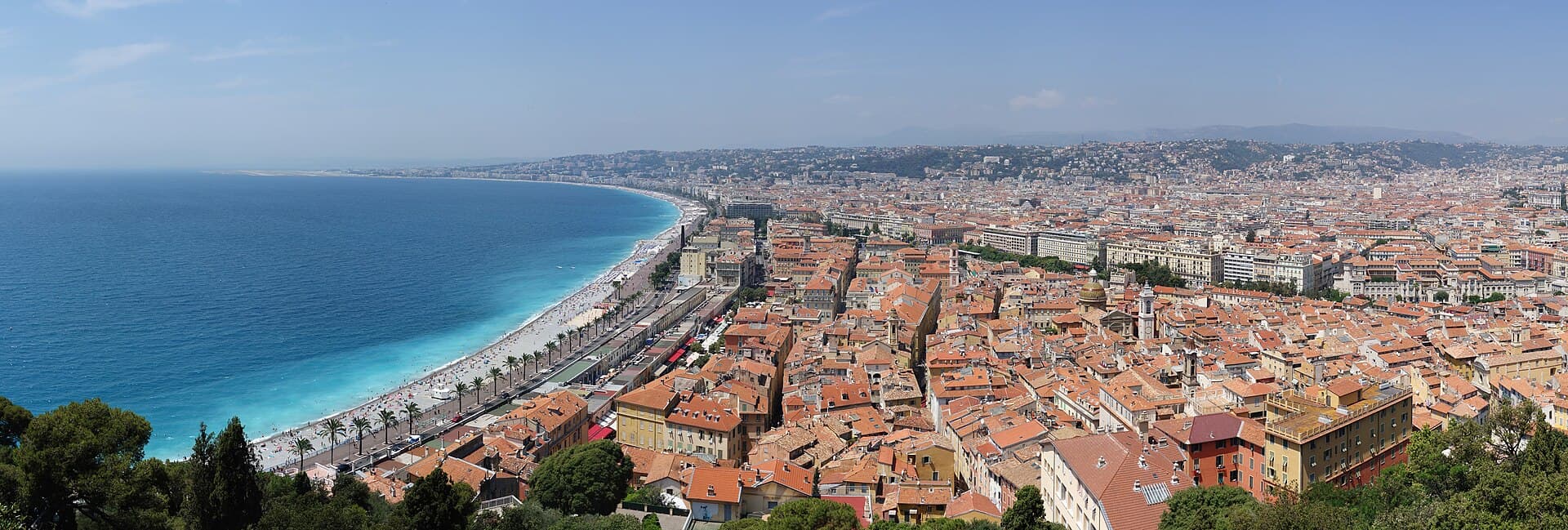
The region concentrates some of the most iconic images of France: the lavender fields of the Plateau de Valensole in July, the Calanques of Marseille designated a National Park in 2012, the Luberon hilltop villages (Gordes, Roussillon, Ménerbes, Bonnieux), the French Riviera and its palaces (Nice, Cannes, Monaco), the UNESCO-listed Palais des Papes in Avignon, the Gorges du Verdon (Europe's deepest canyon), and the Hyères Islands (Porquerolles, Port-Cros). To this landscape diversity is added a unique light — the one that inspired Cézanne, Van Gogh, Matisse and Chagall —, exceptional Mediterranean cuisine (bouillabaisse, ratatouille, pissaladière, olive oil, tapenade, Bandol and Cassis rosés), and remarkable Roman antique heritage (Pont du Gard, Théâtre d'Orange, Arènes d'Arles).
But PACA is also France's most socially and touristically contrasted region: the French Riviera thrives on luxury tourism (palaces, yachts, casinos, festivals), while the Provençal hinterland retains a village authenticity. The Provençal interior (Luberon, Vaucluse, Upper Var, Verdon) offers preserved landscapes just 1-2 hours' drive from the overcrowded coast. For a successful trip, the secret is often to combine the two: 3-4 days on the coast (Nice, Cannes or Antibes) and 3-4 days in a mas in the Luberon or a perched village around Aix-en-Provence.
Explore Provence
Spots in the region

Situation
Où se situe Provence ?
Ouvrir la carte en grand sur OpenStreetMap →Frequently asked questions
How many days do I need for Provence and the Riviera?+
When is the best time to see the lavender?+
Do I need a car to visit Provence?+
How can I avoid crowds on the Riviera in summer?+
Which city should I choose as a base?+
Which perched villages should I visit first?+
Is Provence suitable for families with children?+
Our verdict
Provence-Alpes-Côte d'Azur is probably the most iconic French region for international travellers — and the experience broadly justifies the reputation. The combination of Mediterranean light, perched villages, lavender, the Riviera and gastronomy makes it a universal destination. Our advice: combine 3-4 days on the coast (Nice or Marseille as a base) and 3-4 days in the hinterland (Luberon or Vaucluse). Avoid July-August for crowds and prices; favour May-June and September. A car is essential to explore the hinterland but can be left at the station for the coast (TGV Paris-Marseille, Marseille-Nice regional train).