Mowando

Region

Occitanie

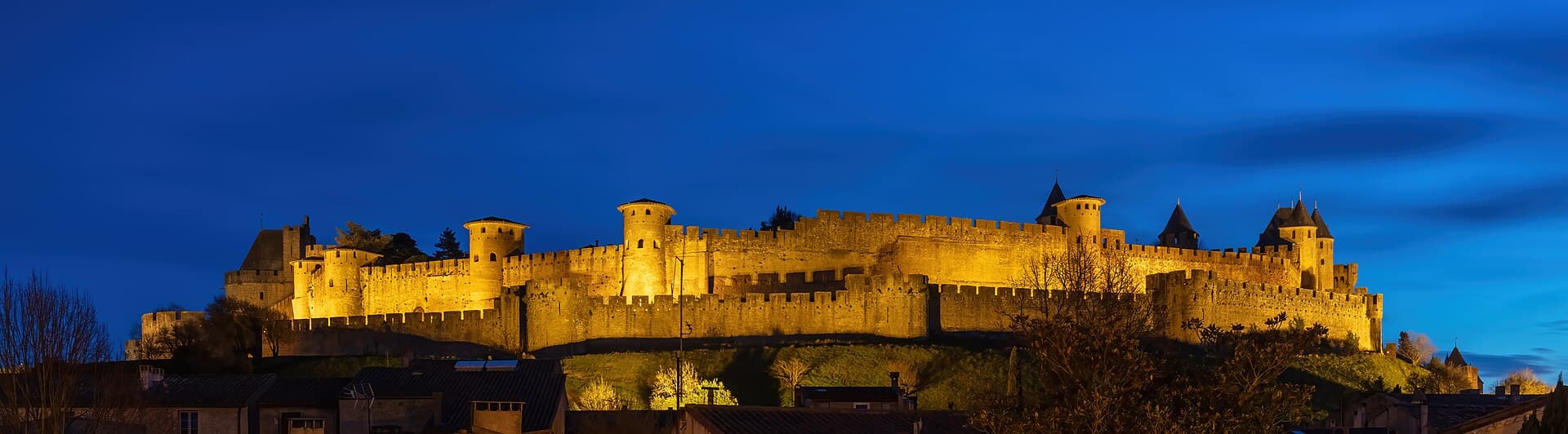
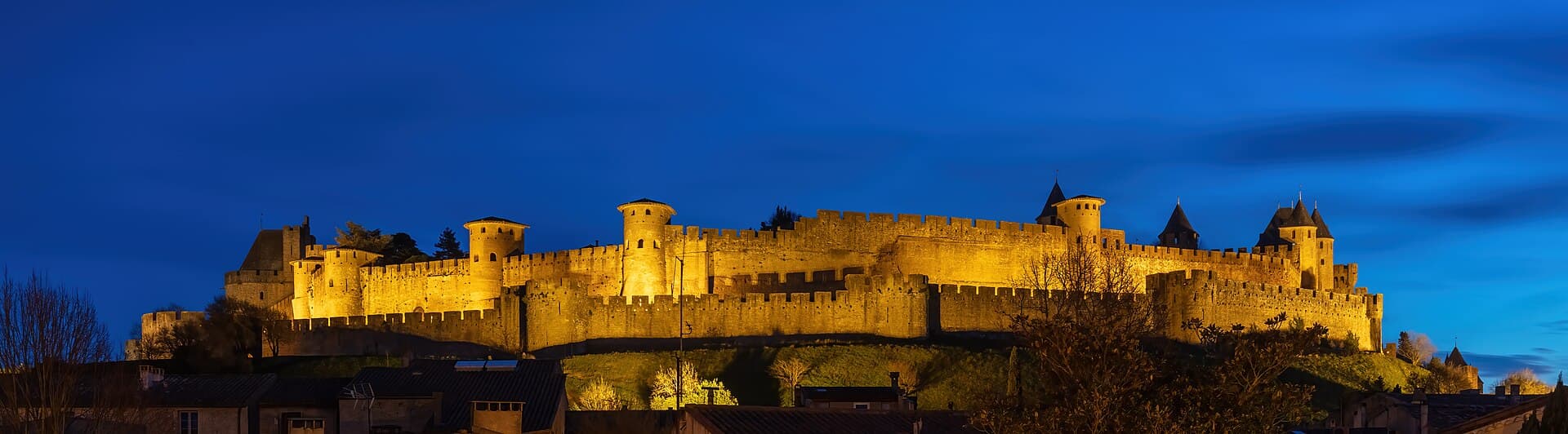
UNESCO Carcassonne (Europe's largest medieval city), Pont du Gard, pink Toulouse, gardian Camargue and central Pyrenees: Occitanie condenses Roman, medieval and preserved nature.

4.70

Occitanie is France's 2nd largest region by area (72,700 km²) — 2016 merger of Languedoc-Roussillon and Midi-Pyrénées. It stretches from the Mediterranean shores (from Camargue to the Spanish border, 220 km of coast) to the Massif Central and the Central Pyrenees (highest point: Vignemale, 3,298 m). This geographical diversity translates into exceptional tourist wealth, structured around several world-recognised sites.

Carcassonne (UNESCO since 1997) is Europe's largest fortified medieval city, with 3 km of ramparts, 52 towers, two concentric walls. It welcomes 4 million visitors per year — it's France's 5th tourist site. The Pont du Gard (UNESCO since 1985), a 50 m high Roman aqueduct built in the 1st century, is one of the most impressive Roman Empire remains in Europe. Toulouse (France's 4th city, 480,000 inner inhabitants), nicknamed "La Ville Rose" (the Pink City) for its constructions in brick foraine, houses the Saint-Sernin basilica (Europe's largest Romanesque church), Place du Capitole, the Carmes district, and the Cité de l'Espace (CNES, Airbus).

Occitanie also unfolds exceptional landscapes. The Tarn Gorges and the Hérault Gorges carve limestone plateaus sculpted by erosion. The Cévennes (UNESCO since 2011) are an exceptional cultural landscape of Mediterranean agro-pastoralism. The Cirque de Gavarnie (UNESCO) is the most spectacular natural amphitheatre of the Pyrenees (1,700 m drop, 422 m waterfall). The Camargue (shared with PACA) offers its unique landscapes of marshes, black bulls and pink flamingos. Vineyards cover 220,000 hectares (France's largest vineyard by area) with renowned AOCs: Minervois, Corbières, Faugères, Saint-Chinian, Languedoc, Côtes du Roussillon, Limoux (sparkling wines).

The Mediterranean coast is one of France's longest: 220 km from the Rhône delta to the Spanish border. Family resorts (La Grande-Motte, Cap d'Agde), maritime cities (Sète, Collioure), fishing ports (Le Grau-du-Roi, Port-Vendres).

Explore Occitanie

Spots in the region
Situation

Où se situe Occitanie ?

Ouvrir la carte en grand sur OpenStreetMap →

Frequently asked questions

How many days do I need for Occitanie?+
The region is immense (72,700 km²). For 7-10 days, target 2 sub-regions max: __Toulouse + Carcassonne + Pyrenees__ (Midi-Pyrénées), __Montpellier + Pont du Gard + Cévennes + Sète__ (Languedoc), __Toulouse + Carcassonne + Collioure__ (French Catalonia). A complete tour including Camargue + coast + Toulouse + Pyrenees requires 14-21 days.
What are the must-see sites?+
__Carcassonne__ (UNESCO medieval city, Europe's largest); __Pont du Gard__ (UNESCO Roman aqueduct, 50 m high); __Toulouse__ (Pink City, Saint-Sernin basilica, Cité de l'Espace); __Cirque de Gavarnie__ (UNESCO Pyrenees, 422 m waterfall); __Cévennes__ (UNESCO cultural landscape); __Tarn Gorges__; __Camargue__ (bulls, pink flamingos); __Collioure__ (Catalan Vermeille Coast); __Albi__ (UNESCO cathedral, Toulouse-Lautrec).
Which accommodation base to choose?+
__Toulouse__ for the centre (Carcassonne 1h, Albi 1h, Cordes-sur-Ciel 1h15). __Carcassonne__ for the Aude and Cathar castles (Pays Cathare). __Montpellier__ for Languedoc (Pont du Gard 30 min, Cévennes 1h, Sète 30 min). __Perpignan__ for the Catalan coast (Collioure 30 min, Pyrenees 1h). __Lourdes__ or __Cauterets__ for the central Pyrenees (Gavarnie 1h).
How do I visit Carcassonne?+
The Cité de Carcassonne is visited in a full day. Park outside (free Pont Vieux parking) then walk up (10 min). Free visit of the outer ramparts (Lices). Comtal Château and inner ramparts: paid visit (€9.50), reservation advised in high season. Don't miss the Saint-Nazaire Basilica (exceptional stained-glass). The __lower town__ (the "Bastide") is also worth seeing: Place Carnot, markets, gastronomy. Festival de Carcassonne in July (concerts in the antique theatre).
How do I visit the Pont du Gard?+
The __Pont du Gard__ is 25 min from Nîmes, 30 min from Avignon. Paid site (€9.50, bridge + museum access). The visit combines 3 experiences: __panoramic view__ from the right bank, __walking across__ the lower deck (free, 50 m altitude), __Pont du Gard Museum__ (3 floors on the Roman aqueduct, water in Antiquity). Canoe possibility on the Gardon in season (rental nearby). Magnificent at sunset. To combine with Nîmes (Roman arenas, Maison Carrée at 25 min).
What to see in Toulouse?+
__Toulouse__ can be discovered in 2-3 days. Must-sees: __Saint-Sernin basilica__ (Europe's largest Romanesque church), __Place du Capitole__ (18th-century city hall), __Jacobins convent__ (southern Gothic church, stone palm tree), __Augustins Museum__ (paintings, sculptures), __Hôtel d'Assézat__ (Renaissance, Bemberg Museum). __Cité de l'Espace__ (science museum, Ariane 5 rocket, simulators) at 30 min, perfect for families. __Aeroscopia__ (Airbus museum) nearby. Gastronomy: Toulouse cassoulet at Bibent or Au Bon Crémant. Evening on the __banks of the Garonne__ (Daurade, Quai Lucien Lombard).
Are the central Pyrenees worth the detour?+
Absolutely. The __Cirque de Gavarnie__ (UNESCO, 1,700 m drop, 422 m waterfall) is one of Europe's most spectacular natural amphitheatres. Easy access from Cauterets or Luz-Saint-Sauveur (2h walk to reach the cirque). The __Ossau Valley__ (PNR), the __Aspe Valley__, the __Pic du Midi de Bigorre__ (2,877 m, accessible by cable car, astronomical observatory) are other major sites. In winter, ski resorts: Saint-Lary, Peyragudes, Cauterets, Font-Romeu, Les Angles.

Our verdict

Occitanie is one of France's most diverse regions — UNESCO heritage (Carcassonne, Pont du Gard, Cévennes, Cirque de Gavarnie), 220 km of Mediterranean coast, central Pyrenees, vineyards. The region is immense (France's 2nd by area): for a 7-10 day stay, target 2-3 sub-regions max. Sample itineraries: Toulouse + Carcassonne + Pyrenees (Midi-Pyrénées), Montpellier + Pont du Gard + Cévennes + Sète (Languedoc), Toulouse + Carcassonne + Catalan coast (Roussillon). Visit in May-June or September for the best conditions. A car is essential for scattered sites.

Mowando Letter

Once a month: the right destinations for the right season + the best booking windows.

No spam. One-click unsubscribe. Your data is never shared.