Region
Corsica
Bonifacio on its cliffs, dream beaches at Palombaggia and Saleccia, GR20 (one of Europe's toughest trails), UNESCO Calanques de Piana: Corsica is the wildest Mediterranean island.
Corsica, nicknamed the Island of Beauty by Maupassant, is one of the most singular islands in the Mediterranean — 8,680 km² between Provence and Sardinia, 170 km from mainland France. Although politically French since 1768, Corsica retains a marked cultural identity: Corsican language (officially recognised), vocal polyphonies, specific gastronomy (chestnut charcuterie, brocciu, granite-soil wines), shepherd traditions, proud memory of Pasquale Paoli (father of the Corsican nation, 1755).
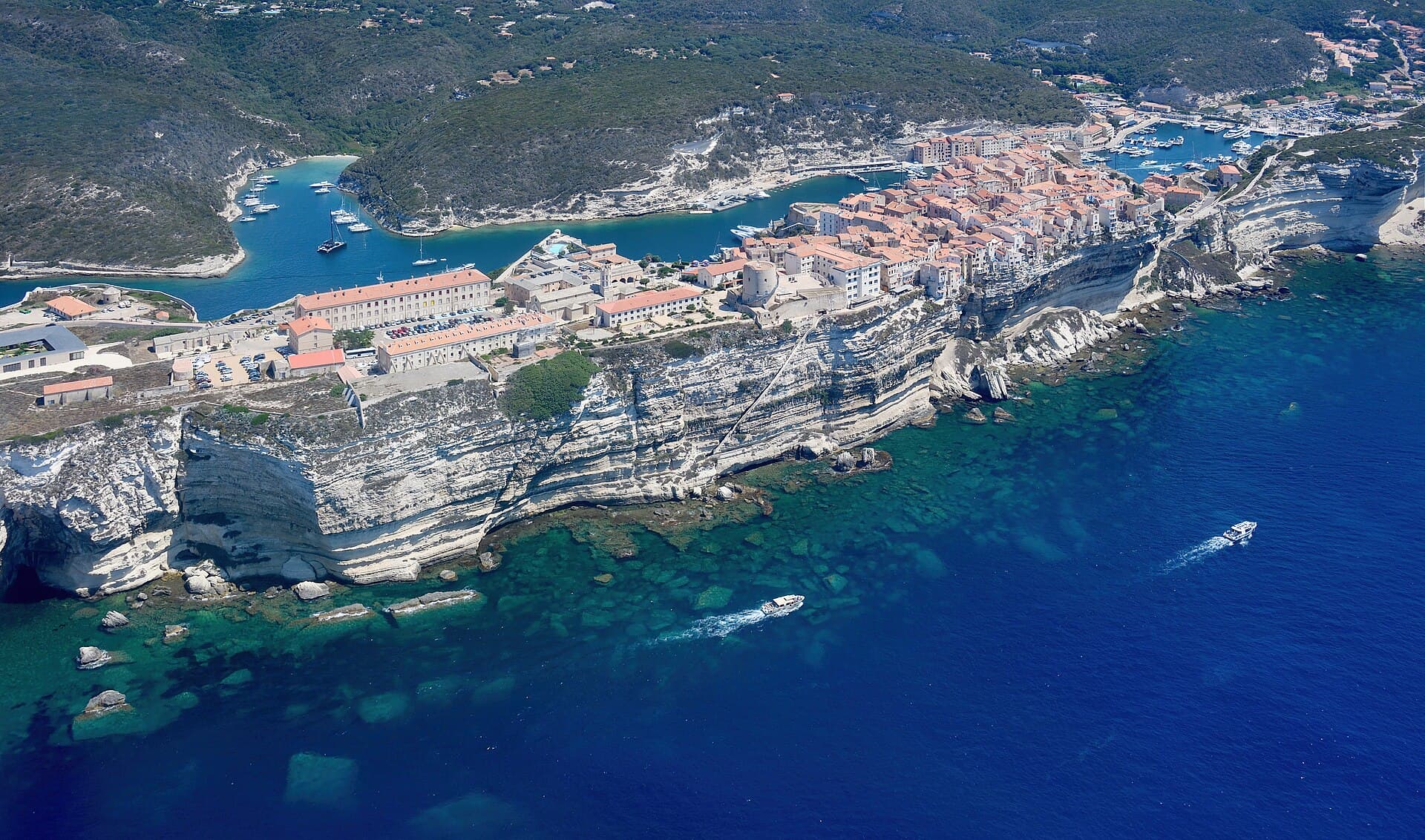
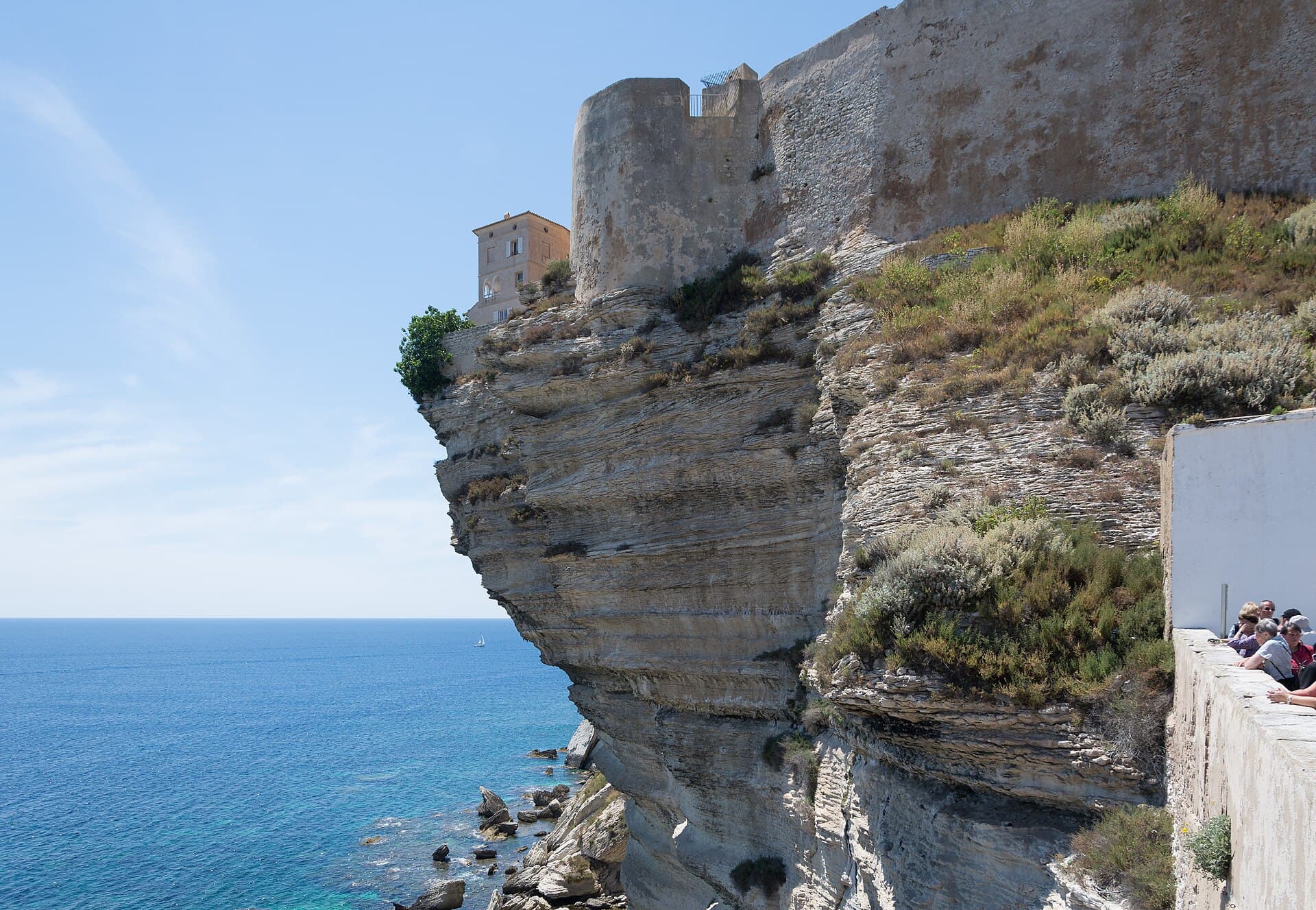
The tourist appeal of Corsica rests on three pillars: its exceptional beaches, its mountainous relief (Monte Cinto 2,706 m, the highest French peak south of Lyon), and its perched villages and coastal cities of Genoese origin. To the south, Bonifacio is one of Corsica's iconic images — the medieval upper town perched on white limestone cliffs 70 m above the turquoise sea. The beaches of Porto-Vecchio (Palombaggia, Santa Giulia, Rondinara) unfold white sand and turquoise waters worthy of the Caribbean. To the west, the Calanques de Piana (UNESCO since 1983) sculpt spectacular pink granite above the Gulf of Porto. To the north, Calvi and its Genoese citadel, the Agriates Desert and the Saleccia beach (accessible only on foot or by 4WD) remain one of Europe's last great wild beaches.
The island's interior is dominated by mountainous relief: Corsica is one of the most mountainous islands in the Mediterranean (40% of territory above 1,000 m altitude). The Corsica Regional Nature Park (created in 1972, 3,500 km²) protects most of the central massif and the high valleys. The GR20 (180 km, +12,000 m cumulative elevation gain, 15-16 days) is considered one of Europe's most difficult long-distance hiking trails — north-south crossing of the Corsican highlands. More accessible: the Customs Officers' Path around Cap Corse, the Light Trail between Roccapina and Bonifacio, hikes to Lake Nino or the Bavella needles.
Explore Corsica
Spots in the region
Situation
Où se situe Corsica ?
Ouvrir la carte en grand sur OpenStreetMap →Frequently asked questions
How many days do I need for Corsica?+
How do I get to Corsica?+
Is the north or south of Corsica better?+
Which beaches should I absolutely see?+
Who is the GR20 for?+
What to taste in Corsica?+
Is Corsica suitable for families?+
Our verdict
Corsica is one of the most singular islands in the Mediterranean — a concentrate of paradise beaches, wild mountains, Genoese citadels and strong identity culture. The region lends itself to a 7-14 day stay to combine south (Porto-Vecchio, Bonifacio, Sartène) and north (Calvi, Saint-Florent, Bastia, Cap Corse). Visit in May-June or September for the best conditions (fewer crowds, sea still warm in September). Avoid July-August for doubled prices and saturation. A car is essential; alternative: combine plane + rental + return by ferry to bring back purchases. Access: ferry (5-8h from Marseille/Toulon/Nice) or plane (daily flights to Ajaccio, Bastia, Calvi, Figari).