Region
Île-de-France
Paris, Versailles, Fontainebleau, Disneyland: 50 million visitors a year, Europe's leading tourist region and the densest concentration of heritage on the planet.
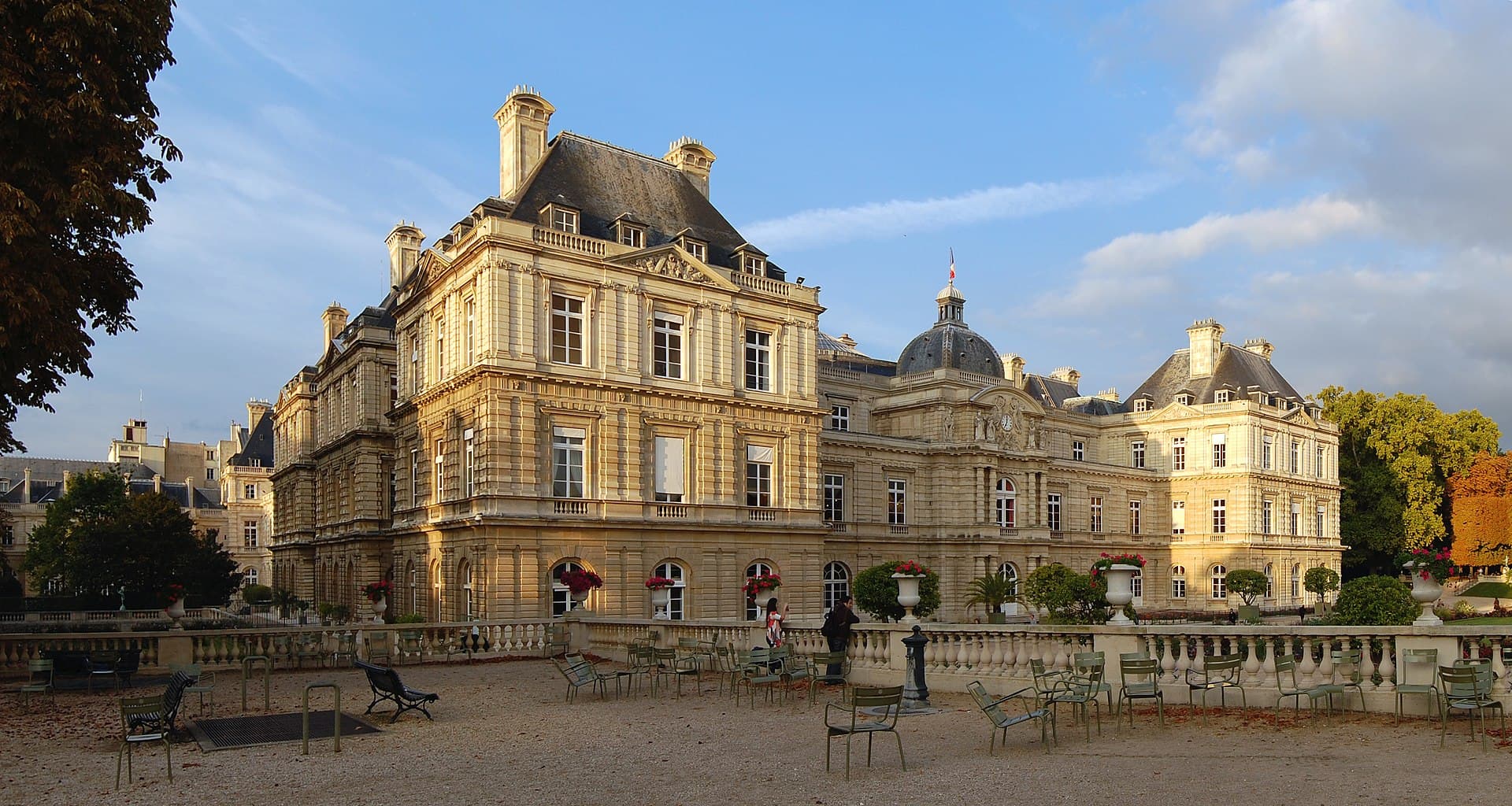
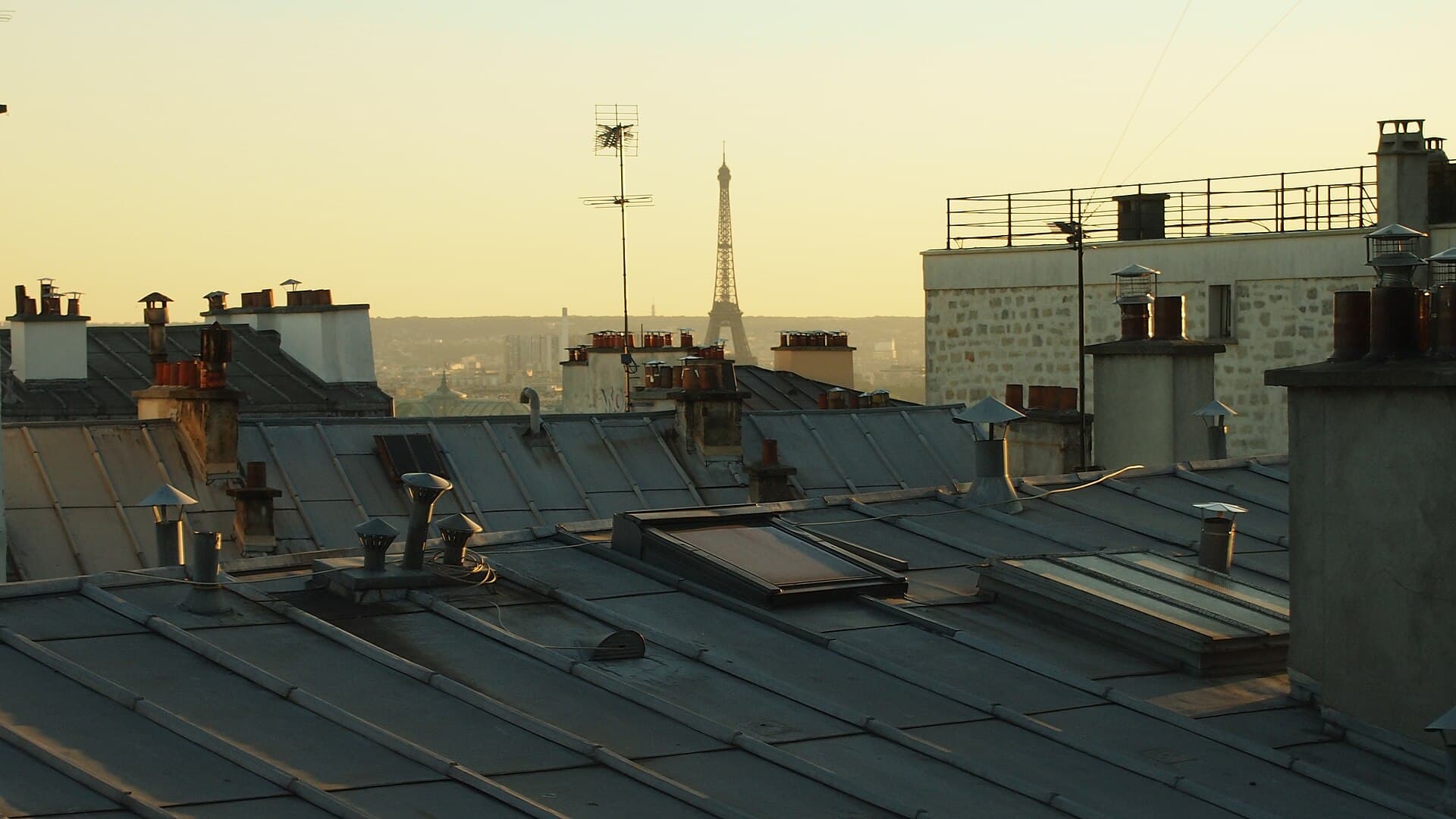
Île-de-France is, on its own, the most-visited tourist region in Europe — roughly 50 million international visitors a year, ahead of Roman Lazio, Barcelonan Catalonia or Florentine Tuscany. It revolves around Paris, France's capital and the world's capital of cultural tourism — the city that holds the world's most-visited museum (the Louvre), the world's most-visited paid monument (the Eiffel Tower) and the cathedral that reopens in 2024 after the 2019 fire (Notre-Dame). But reducing Île-de-France to Paris would be a mistake: the region scatters around the capital a string of royal châteaux and historic estates that extend and complete the Parisian experience.
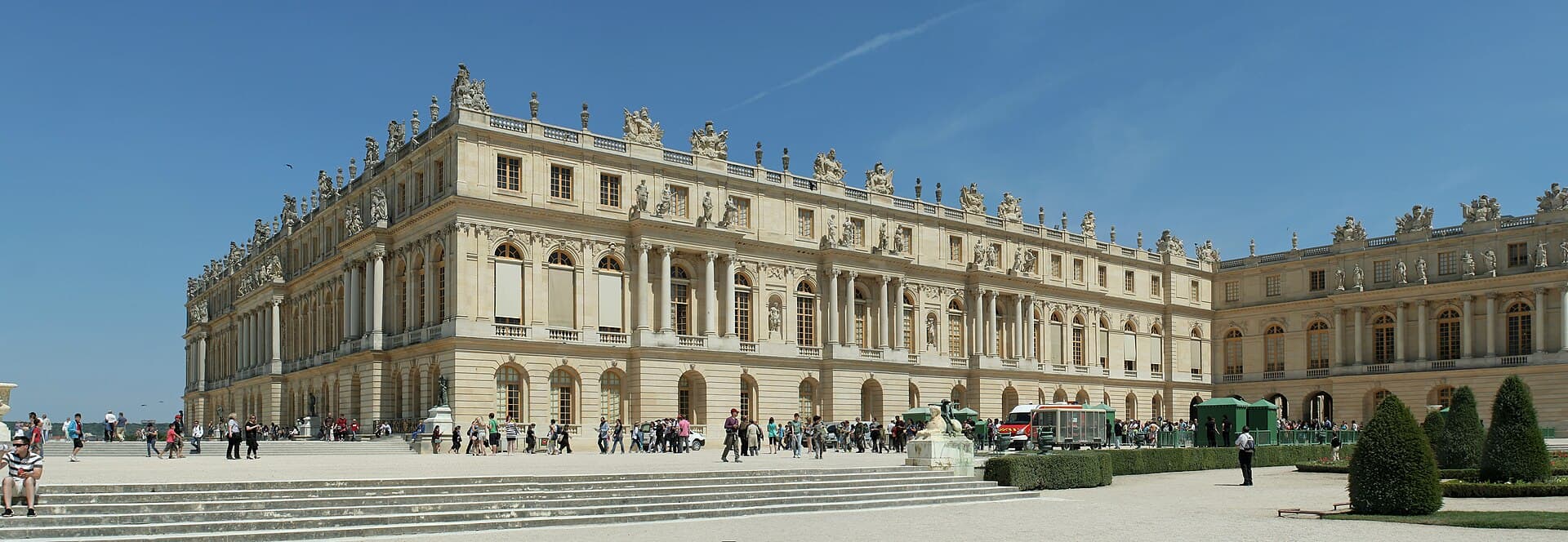
Versailles, 20 km from Paris, is the absolute pinnacle of French Baroque — the château and its gardens, UNESCO-listed since 1979, condense the grandeur of the Sun King and of the French monarchy. Fontainebleau, another UNESCO-listed royal château, was the residence of French kings for eight centuries, from François I to Napoleon III. Vaux-le-Vicomte, a 17th-century architectural masterpiece, directly inspired Versailles. At the edges of the region, Chantilly (Condé Museum, racecourse) and Pierrefonds (the neo-Gothic château restored by Viollet-le-Duc) extend the experience further. To the east, Disneyland Paris — Europe's leading paid attraction with 9.5 million annual visitors — draws families from around the world.
The region also offers a quieter natural side, 30-60 minutes from Paris: the Forest of Fontainebleau (world-renowned bouldering sites), the Chevreuse Valley (regional nature park), the forests of Compiègne and Rambouillet, and the Seine bends to the southwest (Giverny and Auvers-sur-Oise, in the wider Île-de-France). This diversity makes Île-de-France a destination that can fill a full two-week trip — Paris for the urban core, royal châteaux for history, forests and villages for breathing room.
Explore Île-de-France
Spots in the region
Situation
Où se situe Île-de-France ?
Ouvrir la carte en grand sur OpenStreetMap →Frequently asked questions
How many days do I need for Île-de-France?+
How do I get around Paris?+
How do I get to Versailles from Paris?+
When is the best time to visit Paris?+
Do I need to book Paris museums in advance?+
Is Paris safe for tourists?+
Which neighbourhood should I stay in in Paris?+
Our verdict
Île-de-France is the densest tourist region in Europe — and the experience justifies the reputation. Paris alone deserves 3 to 5 days for its museums, monuments and the art of living in its quarters (Marais, Montmartre, Saint-Germain, Latin Quarter). Reserve Versailles for a full day, ideally midweek and early in the morning, and add Fontainebleau or Vaux-le-Vicomte for architecture lovers. Visit outside July-August for calmer conditions, book museums several weeks ahead, and lean on public transport (metro and RER) which makes the entire region perfectly accessible.