Europe
Spain
Sun, art de vivre, world-class gastronomy and extraordinary heritage — Spain packs more variety into one country than almost any destination on earth.
- Capital
- Madrid
- Currency
- Euro (EUR)
- Languages
- Espagnol, Catalan, Basque
- Budget
- Mid-range travel from around €95/day/person; budget travellers can manage on €50-65, while luxury Spain (paradores, starred restaurants) climbs to €300-500+
Spain at a glance
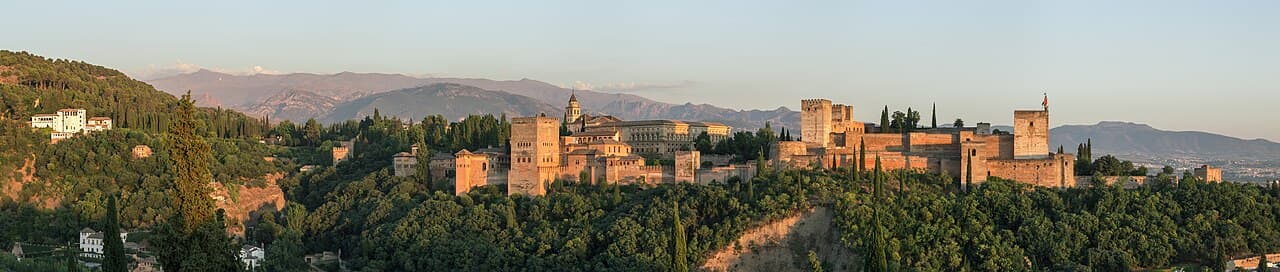
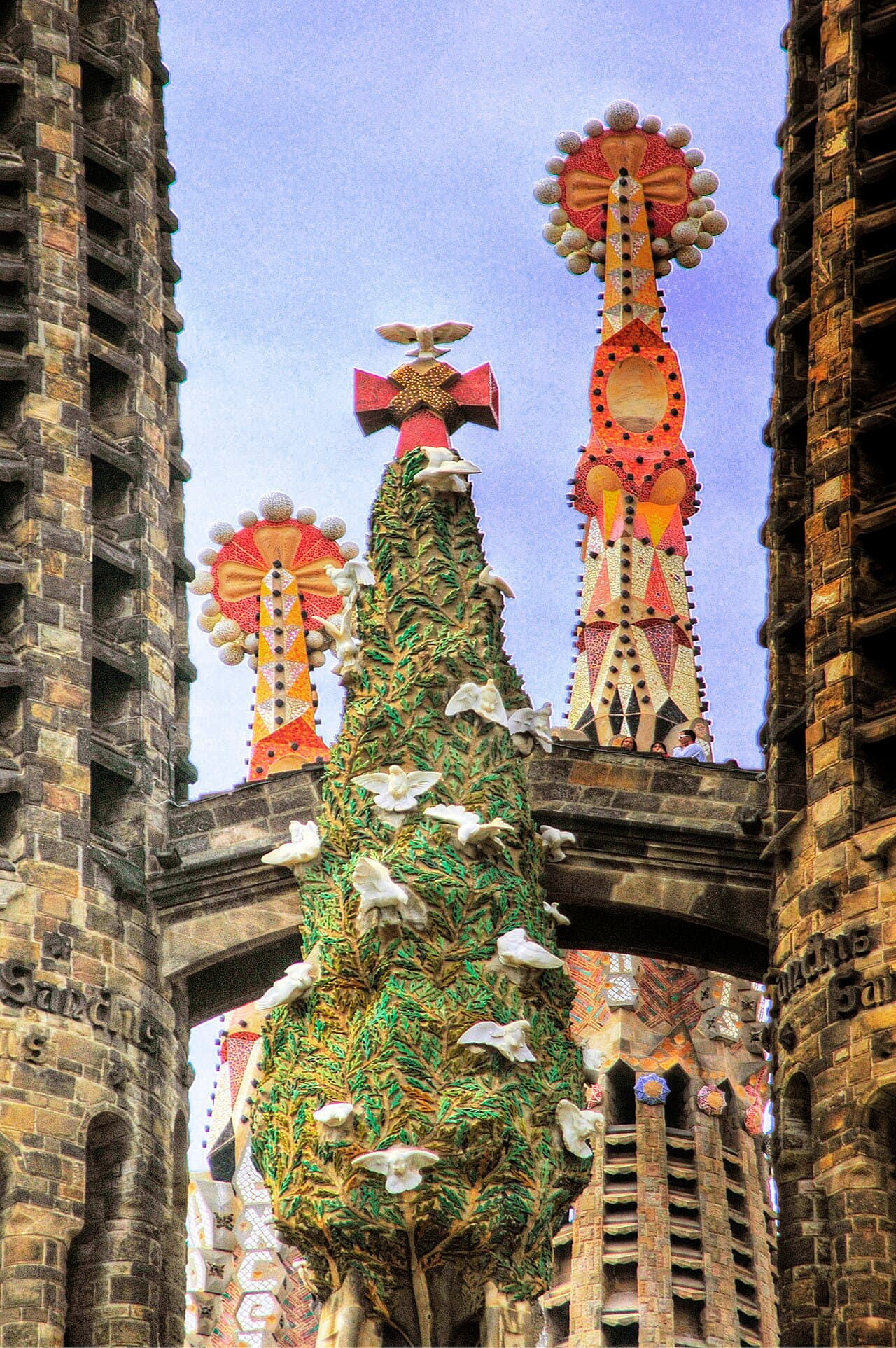
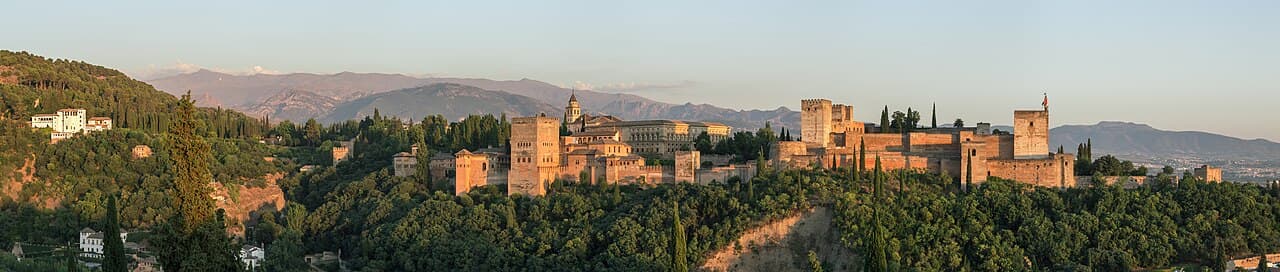
Spain is a country of plural identities that reveals itself differently with every region you cross. From the vertiginous genius of Gaudí's Sagrada Familia in Barcelona to the serene Moorish magnificence of the Alhambra on its hilltop above Granada, from the dazzling whiteness of Andalusia's pueblos blancos to the lunar plateaux of Castile and the wild coves of the Costa Brava, Spain bewilders and enchants in equal measure. The fifth-largest economy in the European Union, the country counts 50 UNESCO World Heritage Sites — including the Sagrada Família, Park Güell, the Burgos Cathedral, Toledo's old town, the Camino de Santiago and the Altamira Caves — placing it among the most heritage-rich nations on the planet.
But Spain is, above all, an intensity of living. That intensity expresses itself in every tapas bar at midnight, every flamenco tablao in the Sacromonte quarter of Granada, every spring Feria where painted horses and ruffled flamenco dresses fill the streets. The Spanish rhythm is the country's most distinctive trait: lunch begins at 2pm, dinner rarely before 9pm, and the siesta is not a tourist cliché but a logical response to a country that runs structurally two hours behind the rest of Western Europe in terms of social timing (Spain shares a time zone with Poland, despite its geography aligning it with Portugal and Morocco). Understanding this rhythm is the key to enjoying Spain rather than fighting it.
The country's gastronomy — tapas, Basque pintxos, Valencian paella, Iberian ham, Rioja and Albariño wines — is both a social ritual and a philosophy of generosity. Combined with its art, its climate and the remarkable diversity of its landscapes, it draws more than 85 million foreign visitors a year, making Spain the world's third most visited country. Whatever corner you choose first, you will leave with the very firm intention of coming back.
What we love
- ✅50 UNESCO sites — the Alhambra, the Sagrada Família, the Camino de Santiago and much more
- ✅Among the world's most inventive gastronomy: tapas, pintxos, Iberian ham, Rioja wines, Michelin-starred creativity
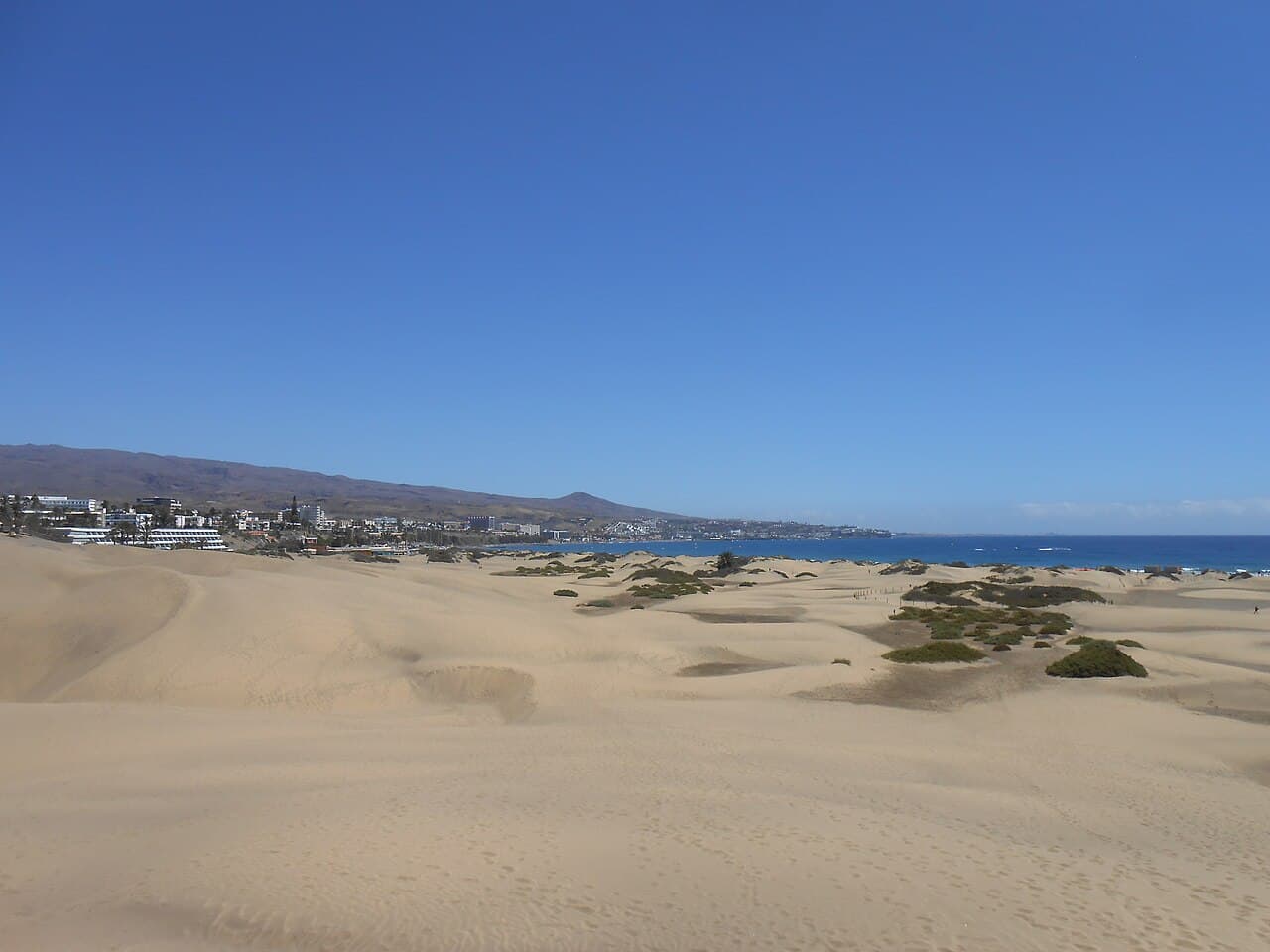
- ✅Extraordinary diversity: coast, mountains, desert, art cities, islands — all within one country
- ✅Easy access for European travellers: shared EU border (France), euro, short flights and fast AVE trains
- ✅Unbeatable Mediterranean art de vivre: laid-back pace, nightlife, human warmth and the culture of sharing
What to know
- ❌Overwhelming crowds at peak summer sites — Barcelona's Ramblas and Seville's alcázar in August
- ❌Overtourism tensions in some Barcelona, Málaga and San Sebastián neighbourhoods
- ❌Cultural time lag: mealtimes are 2-3 hours later than northern European habits
- ❌Inter-regional connections often require routing through Madrid
Explore Spain
Our itineraries
View all itineraries →10 days10 days in Spain: Barcelona, Madrid, Seville and Granada
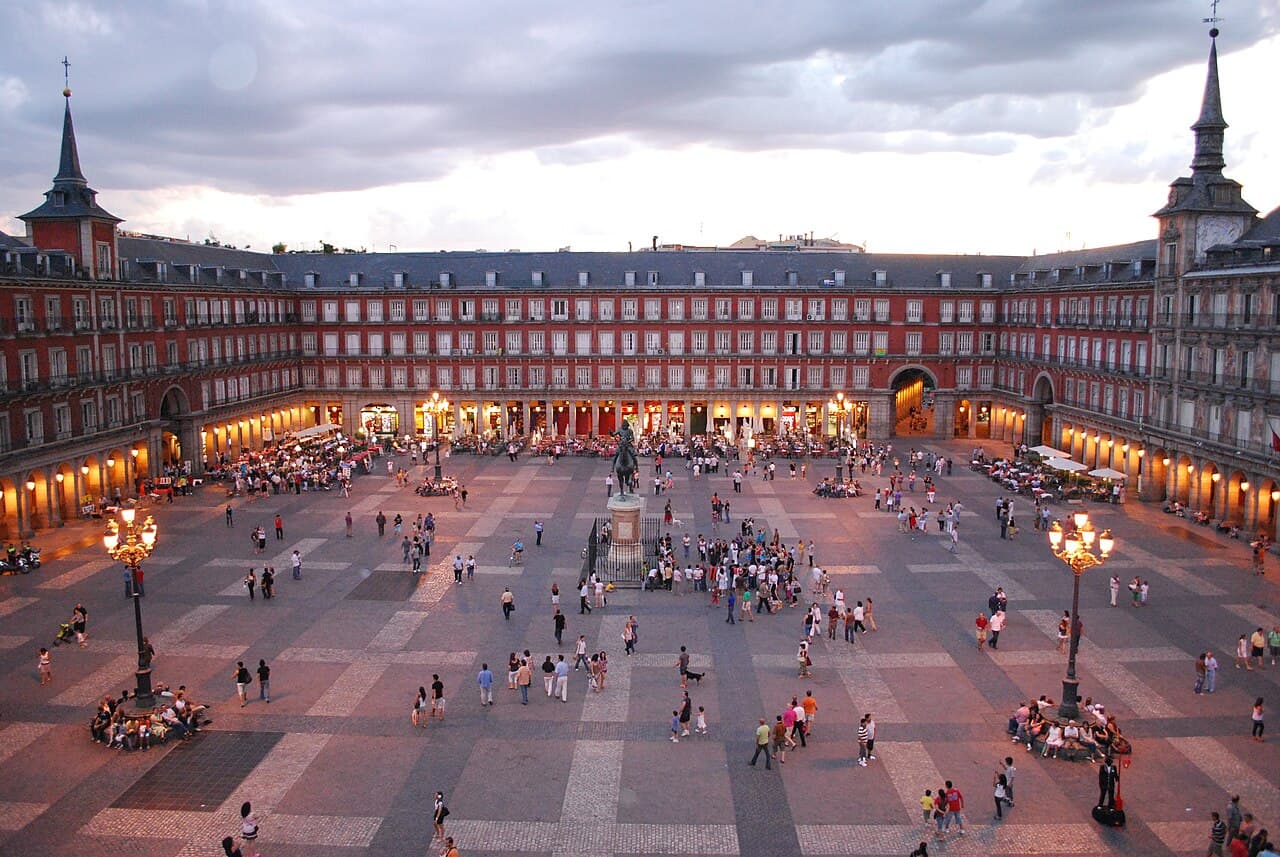
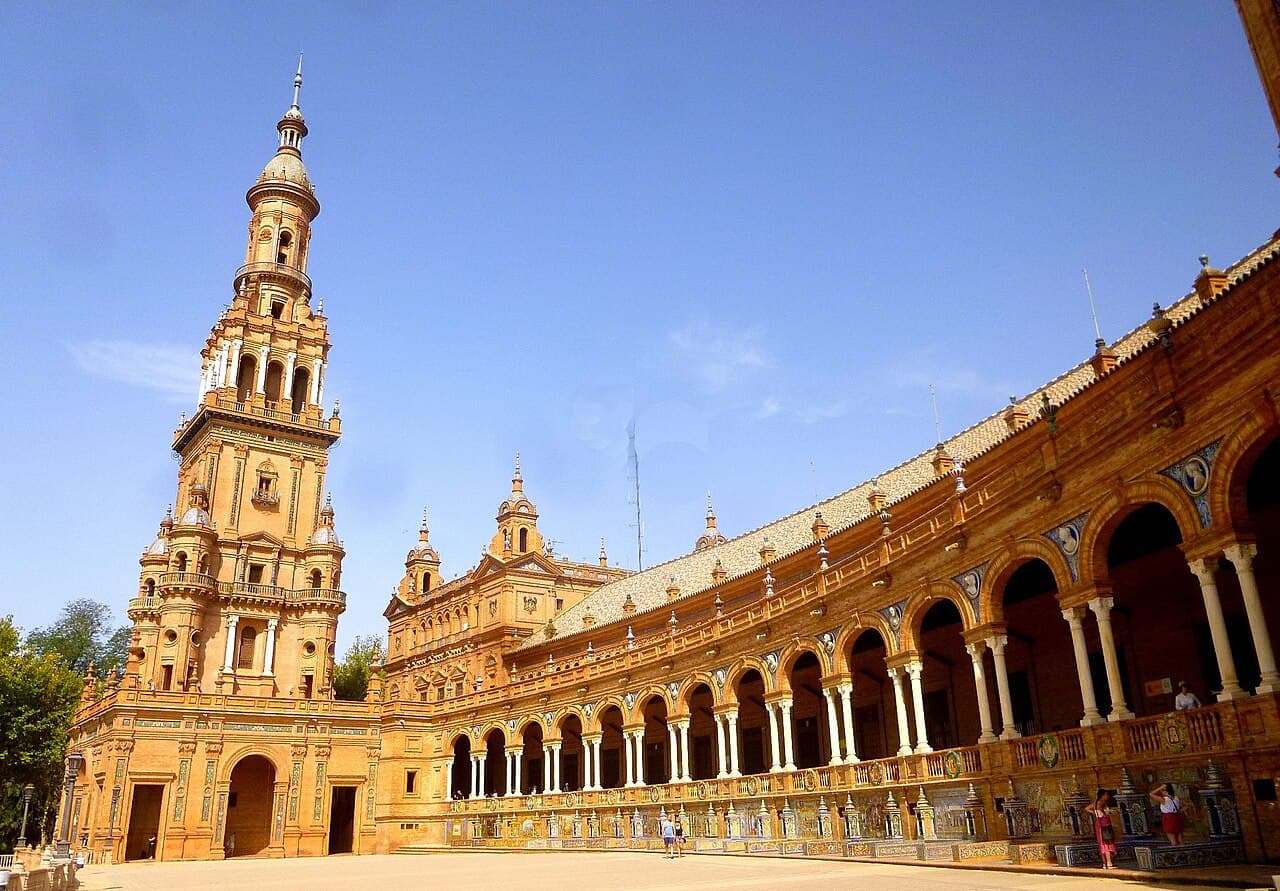
A high-speed classic: Barcelona for architecture and the sea, Madrid for art and tapas, a detour to medieval Toledo, then deep Andalusia with Seville and Granada. Ten days covering two radically different Spains without ever boarding a domestic flight.
15 days15 days in Spain: Barcelona, Madrid, Andalusia and Balearic Islands
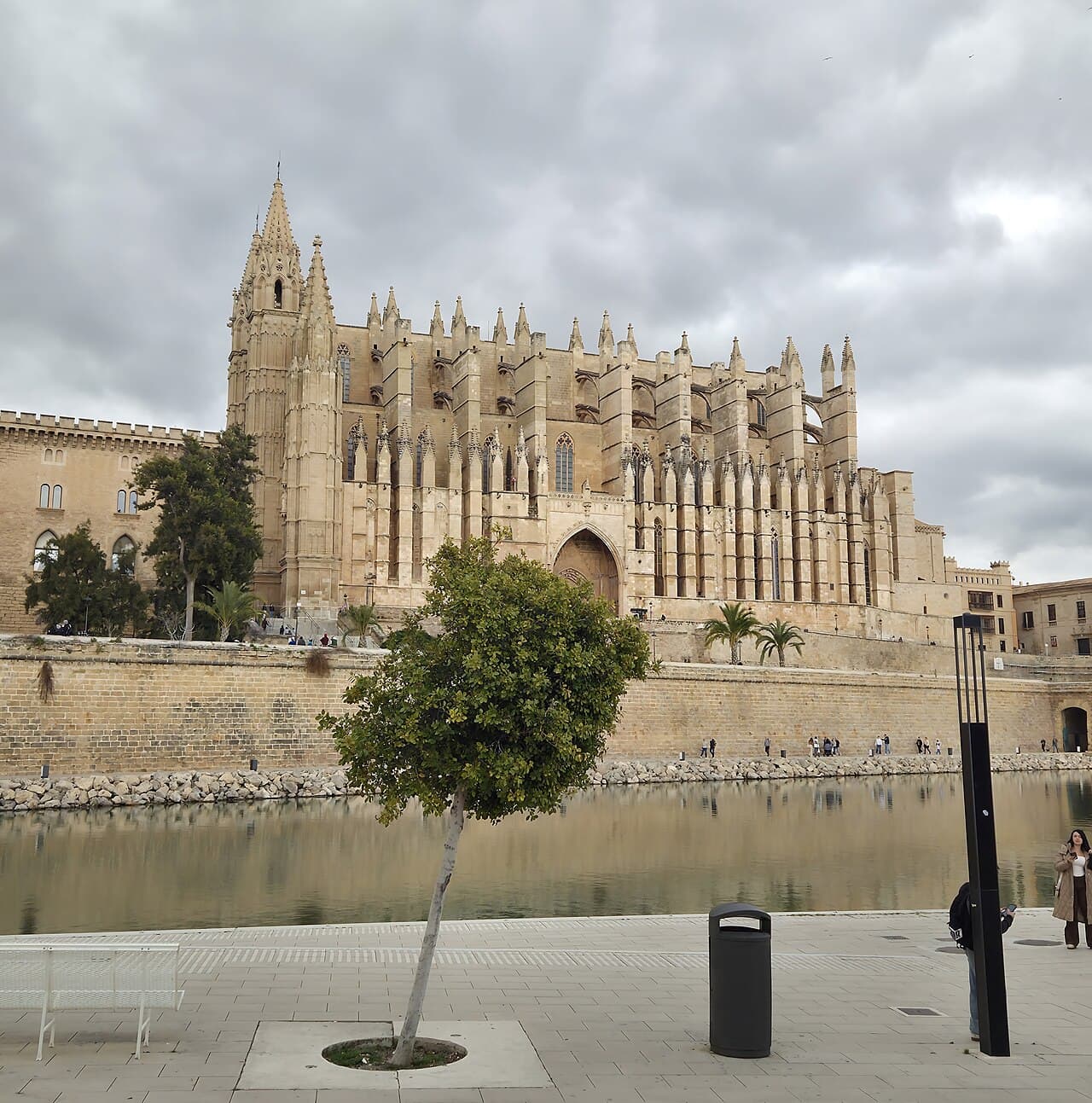
The definitive Spanish loop in 15 days: Barcelona with its Catalan modernism, Madrid and its royal museums, a medieval day trip to Toledo, Andalusian Seville, Córdoba and Granada, then a final escape to Palma de Mallorca. The AVE dissolves the distances, evenings belong to tapas.
Regions

Popular spots
Situation
Où se situe Spain ?
Ouvrir la carte en grand sur OpenStreetMap →Frequently asked questions
Do EU citizens need a passport or just an ID card to enter Spain?+
Is Spain safe for tourists?+
When is the best time to visit Spain?+
How much does a trip to Spain cost?+
What is the AVE and is it worth it?+
How do tapas bars work — what should I know before walking in?+
Do Spanish restaurants really not open for dinner until 9pm?+
Is English widely spoken in Spain?+
Our verdict
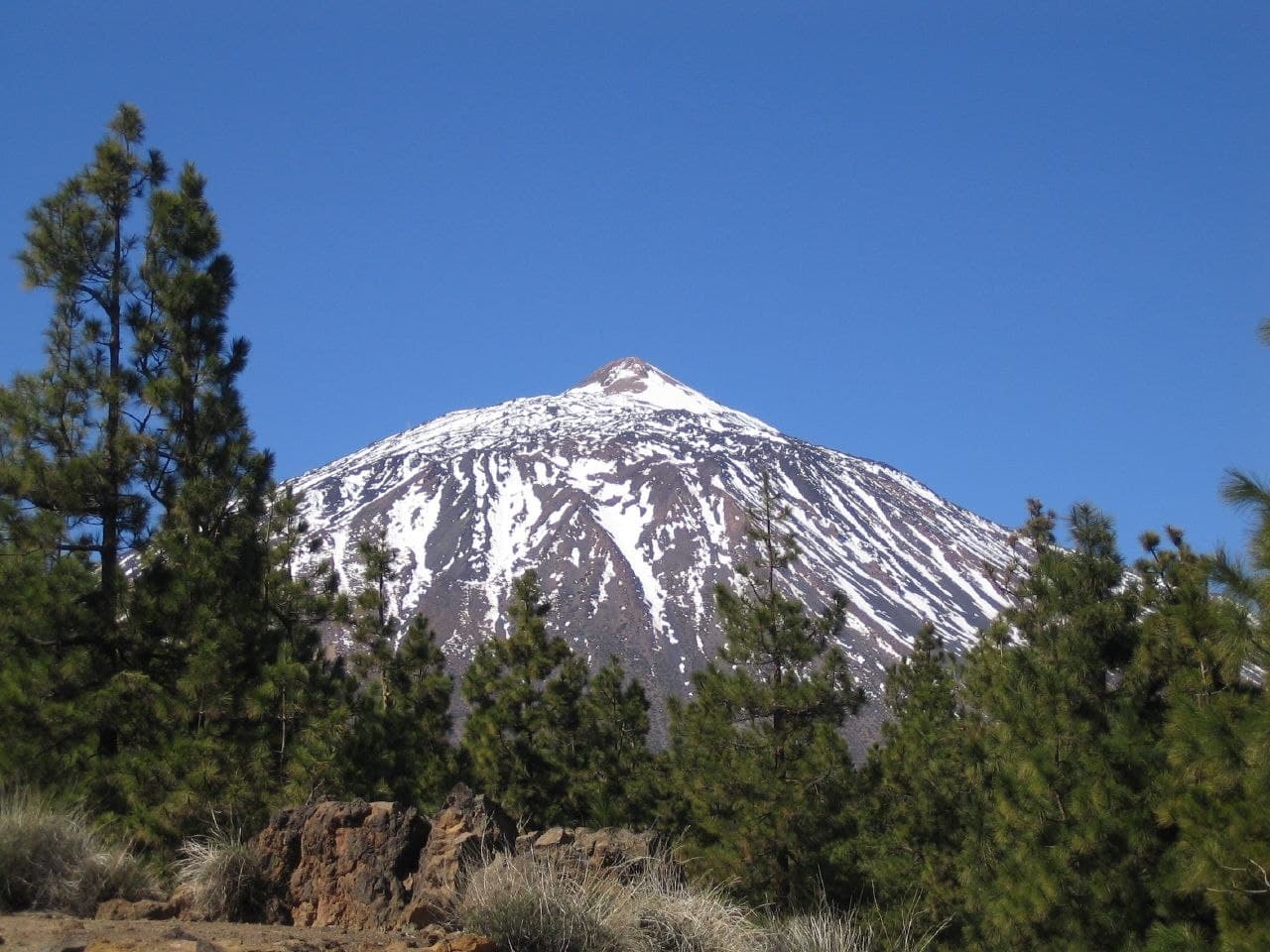
Spain delivers on every promise — and usually exceeds them. Few countries in the world manage so effortlessly to combine heritage depth, creative cuisine, vivid nightlife and an extraordinary diversity of landscapes. The irritants are real — summer crowds on the coast, overtourism friction in Barcelona, the cultural time-shift around mealtimes — but they never seriously dent a destination that, at every season and in every budget bracket, manages to surprise, delight and enchant. Come in spring for the art cities and Andalusia in full bloom; summer for the beaches and the festivals; autumn for the wine harvest and the golden light on the meseta; and winter for the Alhambra without queues and the Canaries in their perennial spring. Whatever slice of Spain you choose, you will already be planning the next one before you have boarded your flight home.
Réserver votre séjour
Liens partenaires — une commission peut nous être reversée, sans surcoût pour vous.
HébergementAnnulation gratuiteHôtels & paradores en Espagne
Paradores historiques (monastères, châteaux), boutique-hôtels d'Andalousie, riads de Grenade : l'Espagne au meilleur prix.
ActivitéSans queueActivités en Espagne
Sagrada Familia, Alhambra (réservation obligatoire), tablao flamenco, tour des tapas Madrid, surf Cantabrie.
VolComparateurVols vers l'Espagne
Paris-Madrid, Paris-Barcelone, Paris-Séville : low-cost et compagnies régulières comparés au meilleur prix.
Similar destinations

Expert on Spain · 1 contributions
 Mediterranean Desk — Mowando·Editor