Region
Canary Islands
Seven volcanic islands off Morocco where spring lasts all year: otherworldly landscapes, resident whale watching, ancient laurel forests and some of the darkest skies in Europe.
The Canary Islands are one of Europe's most exceptional — and most misunderstood — destinations. Often dismissed as a mass-market beach resort, the archipelago is in fact a chain of remarkably diverse volcanic islands stretching 500 km across the Atlantic, barely 100 km from the coast of Morocco.
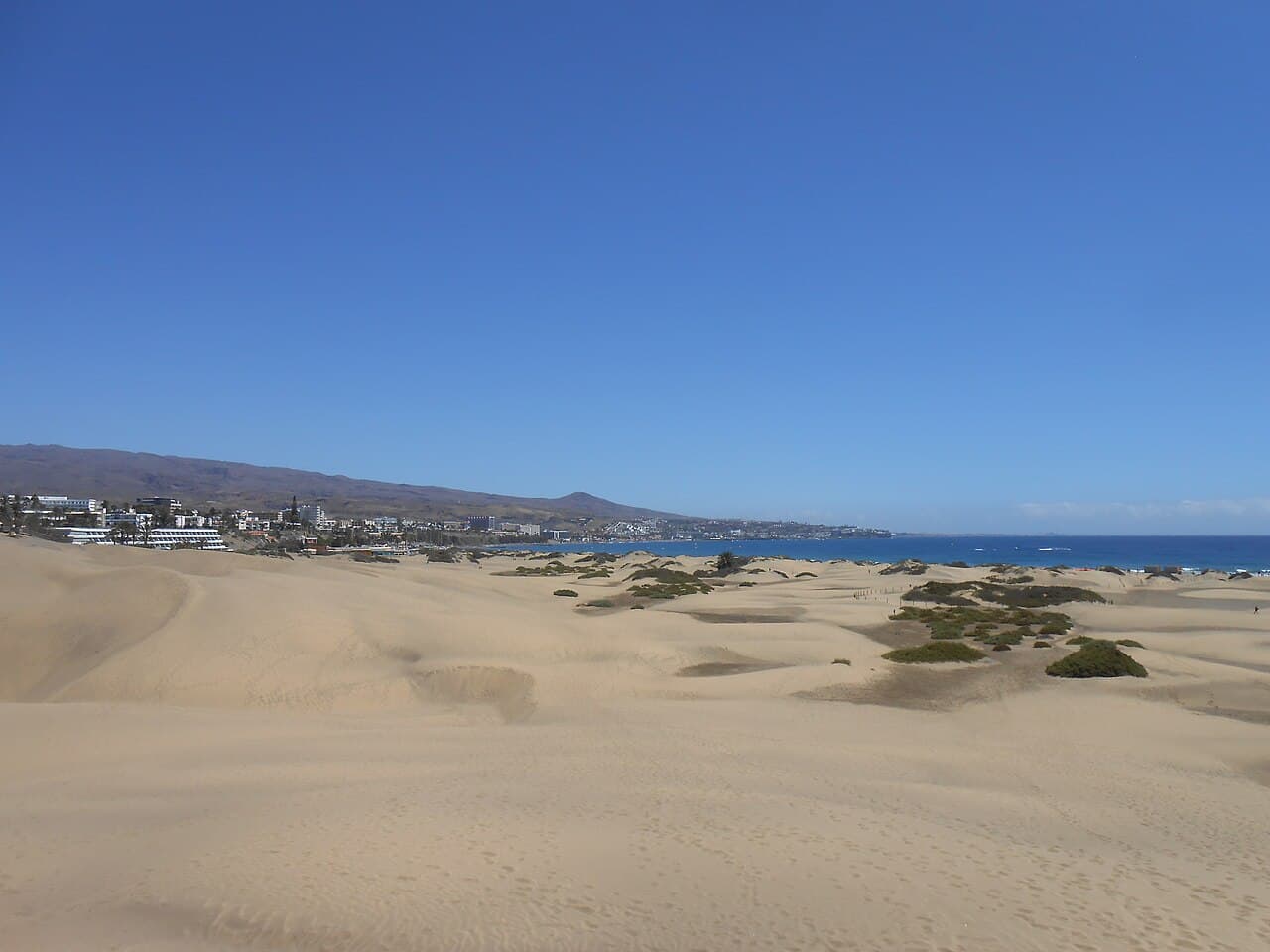
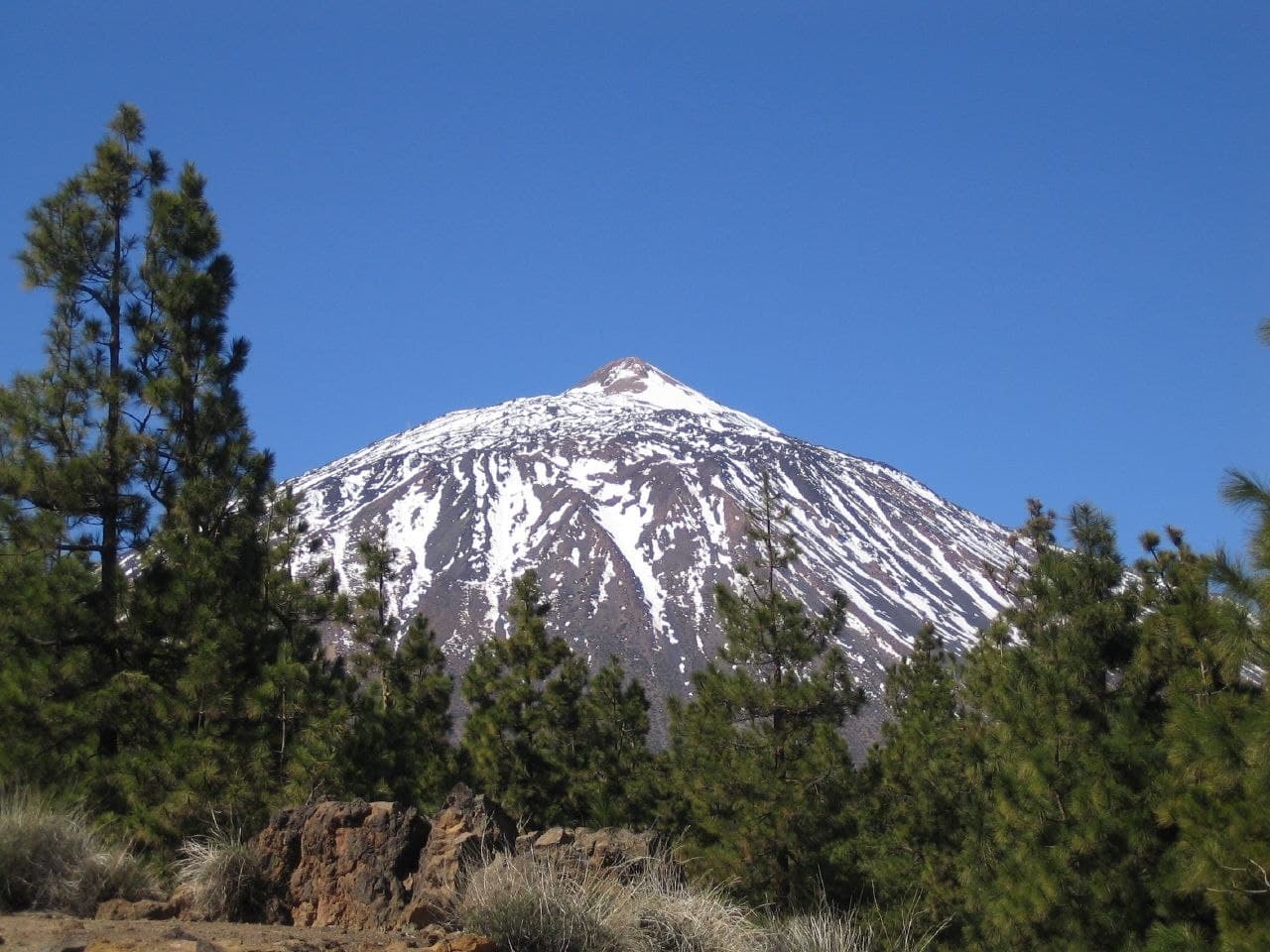
The flagship island is Tenerife, dominated by the Teide (3,718 m), Spain's highest point and the third largest volcano on the planet measured from its oceanic base. Its UNESCO-listed national park combines lava landscapes, endemic Canarian pines and some of the clearest night skies in Europe. Gran Canaria offers a striking contrast: the cosmopolitan city of Las Palmas in the north and the Maspalomas dunes in the south — a mini-Sahara of golden sand dropping straight into the Atlantic. Lanzarote, shaped by eighteenth-century volcanic eruptions, is the most lunar of the islands: its vineyards in La Geria grow in black volcanic craters and its geothermal parks evoke another planet entirely. Fuerteventura, semi-desert and windswept, is Europe's premier destination for kitesurfing and windsurfing. La Palma and La Gomera are the most pristine islands: thousand-year-old laurel forests listed as UNESCO World Heritage, authentic villages and — in La Gomera's case — the world's only whistled language (el silbo gomero) inscribed on UNESCO's Intangible Cultural Heritage list.
Canarian gastronomy is a curiosity unto itself: papas arrugadas (potatoes boiled in heavily salted water until the skin wrinkles) served with mojo rojo or verde are the archipelago's signature dish, the legacy of an autonomous island culture that developed far from the Iberian mainland.
Spots in the region
Situation
Où se situe Canary Islands ?
Ouvrir la carte en grand sur OpenStreetMap →Frequently asked questions
Which Canary Island should I choose for a first trip?+
When is the best time to visit the Canary Islands?+
Can I visit several islands in one trip?+
What are papas arrugadas and mojo?+
What is the silbo gomero of La Gomera?+
Our verdict
The Canary Islands deliver a promise few destinations can match: guaranteed sunshine year-round, four hours from northern Europe, no visa, same currency. But their real richness goes far beyond the hotel complexes of southern Tenerife or Maspalomas: it's in Lanzarote's volcanic landscapes, La Gomera's laurel forests, La Geria's crater vineyards and the Teide's night sky that the archipelago reveals its unique character. Come in the European winter (November to March) for the best crowd-to-weather ratio, rent a car on each island, and spend at least three nights on Tenerife to explore the national park.