
Expert on Spain · 1 contributions
 Mediterranean Desk — Mowando·Editor
- · First trip to Spain
- · Couples or friend groups
- · Travellers who love architecture, food and history
April, May, June, September, October
The right call at 10 days: 3 nights in Barcelona, 3 in Madrid (with Toledo day trip), 2 in Seville, 1 in Granada. The AVE handles all the distances — never more than 3h between cities.
Day by day
- 1Day 1
Arrival in Barcelona — first night in El Born
Land at El Prat airport, take the Aerobús to Plaça de Catalunya (35 min, €6.75) then taxi or metro to the neighbourhood. Drop the bags and head straight into the Barri Gòtic: Roman streets, lit-up Gothic cathedral, Plaça Sant Jaume.
Dinner in the Born district — one of the city's best quality-of-life neighbourhoods after dark. Cervecería 100 Montaditos (reliable chain, montaditos from €1-2) for a quick and affordable first meal, or one of the wine taverns on Carrer del Parlament for something more considered. Don't try to sightsee tonight: Barcelona rewards the well-rested.
Tips- · Taxi from El Prat: fixed rate €35 to the centre (surcharge at night and weekends). The Aerobús is cheaper but stops at Plaça de Catalunya only.
- · Best neighbourhoods to stay in Barcelona: El Born or Eixample — well served by metro, away from Barceloneta nightlife noise on weekdays.
- 2Day 2
Barcelona: Sagrada Família, Park Güell and Gràcia
The unmissable Gaudí day. Sagrada Família at 9am (booking required, €26-36 depending on towers) — the Nativity towers give the best view over Barcelona and the coast. Allow 2 to 2.5h for the naves, crypt and Passion façade.
Lunch in the Gràcia neighbourhood — cheap, local, 15 min on foot. Afternoon: Park Güell (booking €10 for the monumental zone, slots every 30 min). The essentials — the mosaic terrace and the hypostyle hall — take about 1h. The rest of the park is free and panoramic.
Evening glimpse: walk down through Eixample to see Casa Batlló and Casa Milà (La Pedrera) lit up before dinner.
Tips- · Sagrada Família: book at least 2 weeks ahead in high season. The late-afternoon slot (after 5pm) is often €5-8 cheaper.
- · Park Güell in the morning or late afternoon — group crowds peak between 11am and 3pm.
- 3Day 3
Barcelona: Barri Gòtic, La Boqueria and Barceloneta
Morning in the historic Barri Gòtic: Santa Eulàlia Cathedral (free), Museu d'Història de Barcelona (€7, Roman ruins in situ), Placeta de Sant Felip Neri. The neighbourhood is best explored by getting lost — that is the programme.
La Boqueria: the iconic Ramblas market, best before 10am before the tour groups arrive. Avoid lunch there (tourist prices) — stick to fresh fruit stalls or jamón counters for a quick snack.
Afternoon: Barceloneta, the urban beach 20 min on foot. Swim if the season allows, then stroll along the seafront to the Port Olímpic. Dinner of seafood at Barceloneta — prices are high but a terrace facing the Mediterranean is hard to skip.
Tips- · La Boqueria: the back stalls (far from the Ramblas entrance) are cheaper and less touristy than the front rows.
- · Barceloneta in July-August: packed by 11am. Go early morning or evening to reclaim some space.
- 4Day 4
Barcelona → AVE Madrid — settle in and La Latina tapas
AVE Barcelona Sants → Madrid Atocha, 2h30-2h45, €35-70 booked 2-3 weeks ahead (Promo fare, non-refundable). Recommended departure at 9 or 10am to arrive in Madrid around noon-1pm, drop bags at the hotel and use the afternoon.
First stroll in the centre: Puerta del Sol, Plaza Mayor (don't eat on the square — tourist prices), then down to La Latina. The liveliest neighbourhood in Madrid for tapas: El Rinconcillo is in Seville, but the spirit is here — order at the bar, eat standing or on a stool, glass of rioja at €2-3.
Quiet dinner in a tasca on Calle de la Cava Baja — one of the best tapas streets in Spain.
Tips- · AVE Renfe: buy on renfe.com or omio.com — Promo fares often go on sale late at night, 3-4 weeks ahead.
- · Madrid is walkable from the centre (Sol-Latina-Retiro). Take the metro only for the Prado or outlying markets.
- 5Day 5
Madrid: Prado and Reina Sofía
The biggest museum day of the trip. Museo del Prado at 10am (€18, free 6-8pm Mon-Sat and all day Sunday): Velázquez (_Las Meninas_), Goya (black paintings), Rubens, Raphael. Allow 3h for a selective visit — the museum is huge and art fatigue is real.
Lunch at Mercado San Miguel — covered market steps from Plaza Mayor, upmarket tapas (€2-5 each), ideal for a fast, varied meal. Busy but efficient.
Afternoon: Museo Reina Sofía (€12, free 7-9pm): Picasso's Guernica in room 206 — arrive at opening or after 6pm to appreciate it without crowds. Miró, Dalí and the Spanish Surrealists round out the visit. Dinner in Lavapiés, Madrid's most cosmopolitan and affordable neighbourhood.
Tips- · Prado and Reina Sofía in one day is intense: start with whichever excites you more while your energy is fresh.
- · Casa Ricardo (Hernani, 7): 1935 taberna, roast pork and good Castilian wines — book for dinner if you prefer tradition over trendy Lavapiés.
- 6Day 6
Free Madrid: Retiro, Malasaña and Mercado San Antón
Museum-free day — recovery and discovery. Morning at the Parque del Retiro (free): the Crystal Palace, the rowing lake, monumental sculptures. The park is where Madrileños spend their Sunday mornings — matching that rhythm is the best memory.
Lunch at Mercado de San Antón (Chueca) — less touristy than San Miguel, more creative cooking. Afternoon: Malasaña neighbourhood, heart of Madrid's creative scene — vintage shops, co-working cafés, independent bookshops. Or cultural alternative: Museo Thyssen-Bornemisza (€13), a private collection that ideally completes the Prado-Reina Sofía-Thyssen triptych.
Evening vermouth in the Barrio de las Letras (Huertas) — Lope de Vega, Cervantes, and the best vermouth bars in Madrid.
Tips- · Retiro on Sunday morning: free concerts at the music kiosk, spontaneous flea markets at the park gates.
- · The museum triptych (Prado + Reina Sofía + Thyssen) costs €36 individually — the combined Paseo del Arte ticket (€32) covers all three and saves €4.
- 7Day 7
Day trip to Toledo — the timeless medieval city
AVE Madrid Atocha → Toledo, 33 min, €14-18 one way (roughly hourly departures). Arrive at 9:30-10am before the tour coaches. Toledo is a one-day city — staying the night is magical but optional in a 10-day programme.
Walking circuit on the hill: Catedral Primada (€10, El Greco treasures), Alcázar (€5, military museum and panorama), Sinagoga del Tránsito (€3, Mudejar architecture), and the Judería alleyways. Lunch on cocido toledano or a racion of estofado de perdiz (braised partridge) in a restaurant on Calle Armas.
Return to Madrid late afternoon, light dinner — the day is full. If the mood strikes, Mercado San Miguel for a last drink before bed.
Tips- · Toledo day trip: take the first AVE (8:30am from Atocha) to get 6h on the ground before late-morning group crowds.
- · The city is entirely on a steep hill. Comfortable walking shoes are essential — there are no flat shortcuts.
- 8Day 8
Madrid → AVE Seville — arrival and the Triana quarter
AVE Madrid Atocha → Sevilla Santa Justa, 2h30, €35-70 on Promo fares. Recommended departure at 9 or 10am, arrive in Seville by midday. Check in to a hotel in the centre — the Santa Cruz quarter (most picturesque) or El Arenal (quieter, near Torre del Oro).
Afternoon: first walk around. The Torre del Oro (€3) and the Guadalquivir waterfront, then cross the Triana bridge into the eponymous neighbourhood. Triana is Seville's working-class, flamenco soul: azulejos, neighbourhood tablaos, century-old bodegas. El Rinconcillo (Gerona, 40) — Seville's oldest bodega (1670), antique tiles, puntillitas and fino on tap. The queue is part of the experience.
Return at sunset over the Triana bridge — one of the finest light shows in the city.
Tips- · Seville in July-August regularly exceeds 40°C. If so, plan visits between 8am and 1pm, then siesta until 5pm — that's what locals do.
- · El Rinconcillo: arrive before 12:30pm for lunch without a wait. In the evening the queue can top 45 min, but the stand-up counter is accessible faster.
- 9Day 9
Seville: Cathedral, Alcázar and flamenco evening
The unmissable monuments day. Seville Cathedral at opening (€10, the world's largest Gothic cathedral): Christopher Columbus's tomb, climb up La Giralda (34-floor ramp, no stairs — accessible and panoramic). Allow 2h.
Real Alcázar straight after (€14.50, online booking recommended): 14th-century Mudejar palace, labyrinthine gardens, tilework, fountains. _Game of Thrones_ filming location for fans, absolute masterpiece for everyone. Minimum 2h.
Late lunch at Mercado de Triana (local produce, affordable tapas) after a short siesta or a stroll through the Santa Cruz quarter. Evening dinner with cave flamenco (Casa de la Memoria or La Casa del Flamenco tablaos, €20-25) — intimate, no cheap tourist show.
Tips- · Real Alcázar: book the morning slot on the official ticketing site alcazarsevilla.org — tickets sell out several days ahead in high season.
- · Flamenco tablaos: the best shows in Seville are on weekdays in low season (fewer groups). Avoid 'dinner + show' packages that sacrifice quality on both counts.
- 10Day 10
Seville → Granada or Málaga — last look at Andalusia
Two options depending on your return flight:
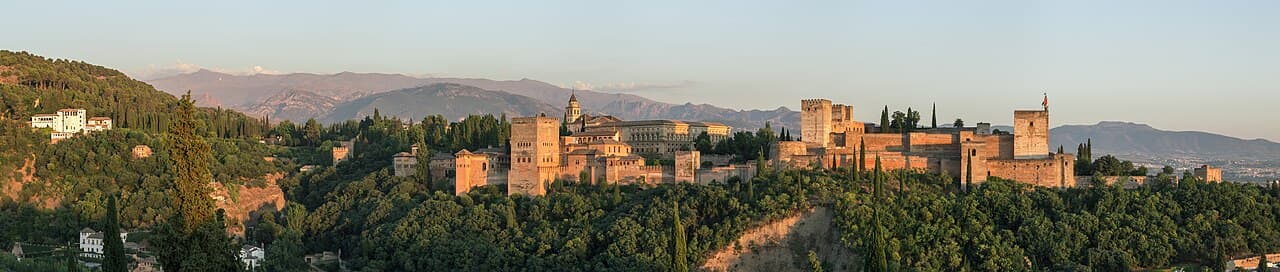
**Option A — Granada**: Alsa bus Seville → Granada (3h, €20-28) or rental car. Morning at the Alhambra if tickets are booked (€23-29, must book 2-3 weeks ahead at alhambra-patronato.es — Nasrid Palace slots sell in days). The Alhambra remains the finest Islamic palace in the Western world; Granada deserves an extra night if the schedule allows. Depart late afternoon for Málaga airport (90 min from Granada) or Granada airport.
**Option B — Málaga direct**: AVE or bus Seville → Málaga (2-2.5h). A few hours in Málaga city centre (Picasso Museum, Alcazaba, marina) before flying out. Simpler option if the flight is mid-afternoon.
Córdoba (midway Seville-Málaga on the AVE) can fit as a 2h stop to see the Mezquita-Catedral (€11) — doable if the morning train is taken early.
Tips- · Alhambra: never leave it to the last minute. Nasrid Palace tickets sometimes sell out in 24-48h around Spanish bank holidays.
- · Málaga airport: the largest in the south (AGP), better served than Granada (GRX) and with more low-cost flights to France and Belgium.
Other durations
Frequently asked questions
Vaut-il mieux prendre l'AVE ou un vol intérieur entre Barcelone et Madrid ?+
Tolède vaut-il un aller-retour dans la journée ou faut-il y dormir ?+
Comment réserver l'Alhambra de Grenade et pourquoi si tôt ?+
À quelle heure mange-t-on les tapas en Espagne ?+
L'Andalousie l'été : est-ce vraiment supportable ?+
Quel hébergement choisir entre hôtels classiques et paradores ?+
Faut-il louer une voiture pour cet itinéraire ?+
Comment optimiser le budget sur cet itinéraire ?+
Peut-on ajouter Valence à cet itinéraire ?+
Quels sont les pièges classiques à éviter sur ce circuit ?+
Our verdict
This 10-day Spain itinerary is the most efficient way to grasp the country's two faces: cosmopolitan Catalan Spain (Barcelona) and imperial, Moorish Spain (Madrid, Toledo, Seville, Granada). The AVE turns distances that look daunting on a map into 2h30 of punctual travel — the circuit is far less tiring than the number of cities might suggest.
Two mistakes to avoid: forgetting to book the Alhambra (Nasrid Palace slots go in days) and getting the accommodation wrong (avoid hotels outside the historic centres — the extra distance kills city quality of life). Properly planned, this is one of the best travel investments in Europe — generous gastronomy, exceptional heritage, reliable sunshine, and a living culture visible in every neighbourhood bar.
Read also
- When to visit Spain — Climate and best seasons by region, from Costa Brava to Andalusia.
- Spain budget — How much to plan per day depending on cities and comfort level.
- When to visit Barcelona — Month-by-month weather and optimal windows for Catalonia.
Written by La rédaction · Updated 5/29/2026
Spain