Europe
Italy
Art, architecture, gastronomy, dolce vita — Italy packs more cultural treasures into a single square kilometre than any other nation on earth.
- Capital
- Rome
- Currency
- Euro (EUR)
- Languages
- Italien
- Budget
- Comfort travel from around €110/day/person; backpackers can scrape by on €55-70, while a luxury Italy easily climbs past €400/day
Italy at a glance
Italy is far more than a travel destination: it is a journey through the very foundations of Western civilisation. From the marble of ancient Rome to the genius of the Renaissance, from soaring Baroque cathedrals to Palladian villas on the Brenta, every city, every village, every hilltop seems to carry the imprint of an exceptional past. The country holds the world's largest tally of UNESCO World Heritage Sites — 58 to date — and its art collections, scattered between the Uffizi, the Vatican Museums, Milan's Pinacoteca di Brera and the Naples Archaeological Museum, rank among the richest on the planet.
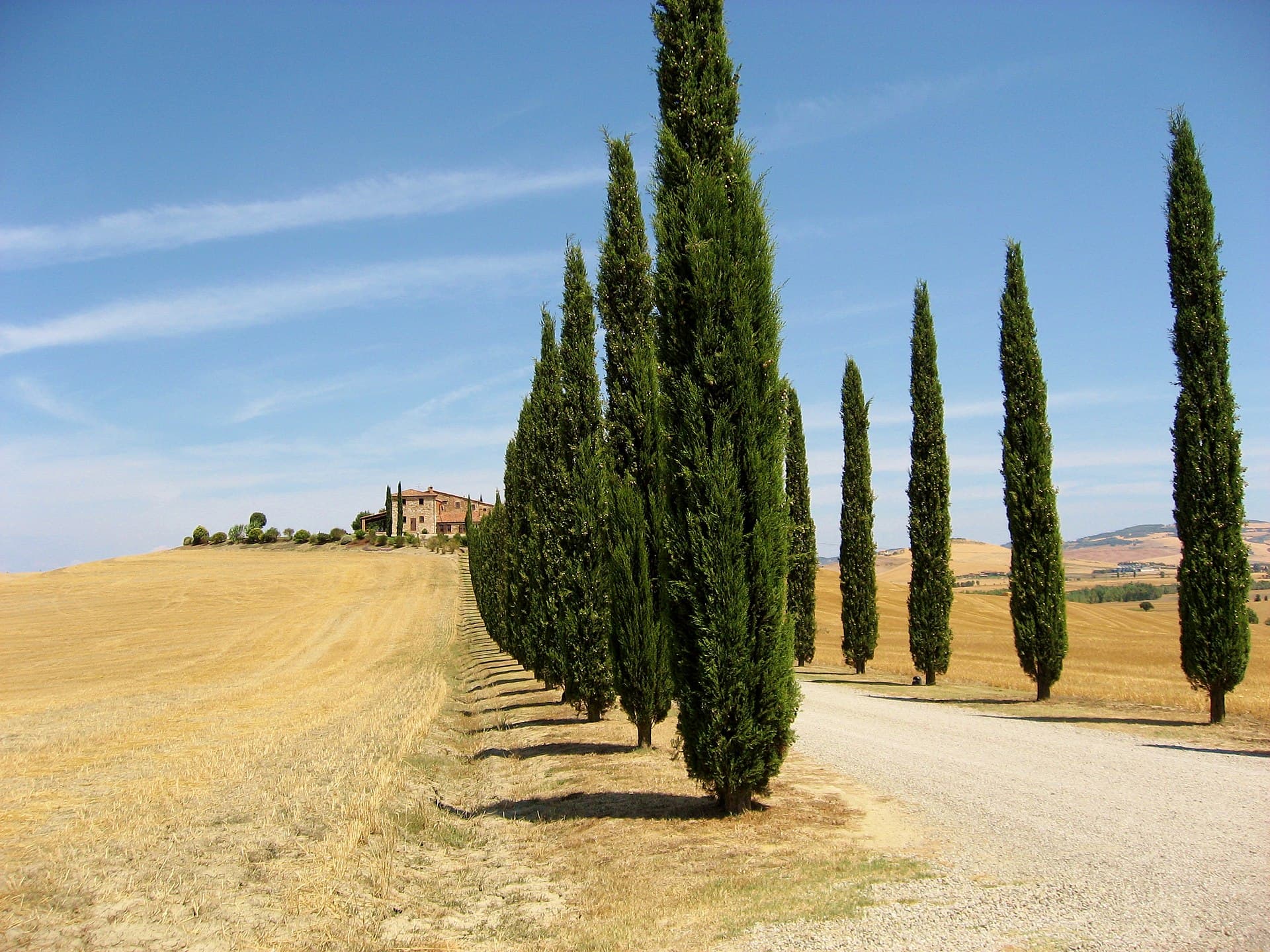
But Italy is also, perhaps above all, a way of living. The dolce vita is no myth: you taste it in a standing espresso at a Roman bar at seven in the morning, in a Sunday family lunch that stretches across three unhurried hours, in the evening passeggiata along the main piazza of a Tuscan village. Italian gastronomy, listed by UNESCO as an intangible cultural heritage, is a philosophy as much as a cuisine: seasonal local produce, recipes handed down through generations, a glass of wine chosen with care. Rome, Florence and Venice form the country's golden triangle of cultural tourism, but a deeper Italy hides behind those headline names — Siena, Bologna, Lecce, Matera, Trieste — and rewards anyone willing to step off the most beaten paths.
Getting around is famously easy thanks to one of Europe's densest rail networks. Frecciarossa trains link Rome, Florence, Venice, Milan and Naples in journeys often shorter than a domestic flight, and the country's size means you can pair a city break with a vineyard, a coastline or an alpine valley in the same week. From the Dolomites to Sicily, Italy compresses an extraordinary range of landscapes and dialects into a slender boot — and somehow holds it all together under the same espresso-fuelled rhythm of life.
What we love
- ✅58 UNESCO sites — the largest concentration of listed heritage in the world
- ✅Outstanding gastronomy: regional cuisines, wines, charcuterie and cheeses are a constant delight
- ✅Unrivalled cultural density: Rome, Florence, Venice and dozens of secondary art cities
- ✅Easy access for UK and European travellers: short flights, the euro, no visa, fast rail
- ✅Hugely varied landscapes: Mediterranean coastlines, the Alps, the Dolomites, Tuscany and Sicily — all under one flag
What to know
- ❌Intense crowds at marquee sights in July-August — the experience can suffer
- ❌Rising prices in honeypot cities, especially Rome and Venice
- ❌Rail and air strikes plus delays are a recurring frustration
- ❌Driving and parking are a nightmare in historic city centres
Explore Italy
Situation
Où se situe Italy ?
Ouvrir la carte en grand sur OpenStreetMap →Frequently asked questions
Do I need a visa to travel to Italy?+
Is Italy safe for tourists?+
When is the best time to visit Italy?+
How much does a trip to Italy cost?+
Do I need to tip in Italy?+
What is the best way to get around Italy?+
What currency is used in Italy?+
How many days do I need for Rome, Florence and Venice?+
Our verdict
Italy stands, year after year, as Europe's defining cultural destination — and the reputation is entirely deserved. Nowhere else on the continent will you find such a dense layering of art, architecture, regional cuisine and quietly pleasurable everyday living. The frustrations are real — summer crowds, climbing prices, an imperfect rail network, the occasional strike — but they never quite manage to dent an experience that touches something essential about Western culture. The country's secret is its astonishing diversity within a small footprint: in a single fortnight you can pair the Forum at sunrise with vineyards in Chianti, then trade the gondolas of Venice for the cliffs of the Cinque Terre, all without ever opening a phrasebook beyond grazie and prego.
Our firm advice: come in spring or autumn, when the weather is generous and the queues are bearable, and resist the temptation to see everything. Pick three anchors — usually Rome, Florence and Venice for first-timers — and accept that the rest of Italy will pull you back for a second, third and fourth trip. Book the headline museums weeks ahead, sleep in neighbourhoods rather than alongside the main sights, and leave room in every day for a long lunch, a slow walk and an espresso al banco. Italy is best savoured slowly, and rewards every hour you invest in it.

Expert on Italy · 1 contributions