Mowando

Region

Catalonia

Iberia's most contrasted region: Barcelona and its Modernista architecture, the wild Costa Brava shoreline, the Pyrenees and the cava vineyards of the Penedès.

4.80

Catalonia is one of the richest and most diverse regions in Europe. Between the cosmopolitan city of Barcelona, the wild coves of the Costa Brava, the peaks of the Catalan Pyrenees and the wine-covered plains of the Penedès, the region packs a variety of landscape, culture and gastronomy into 32,000 square kilometres that few European destinations can match.

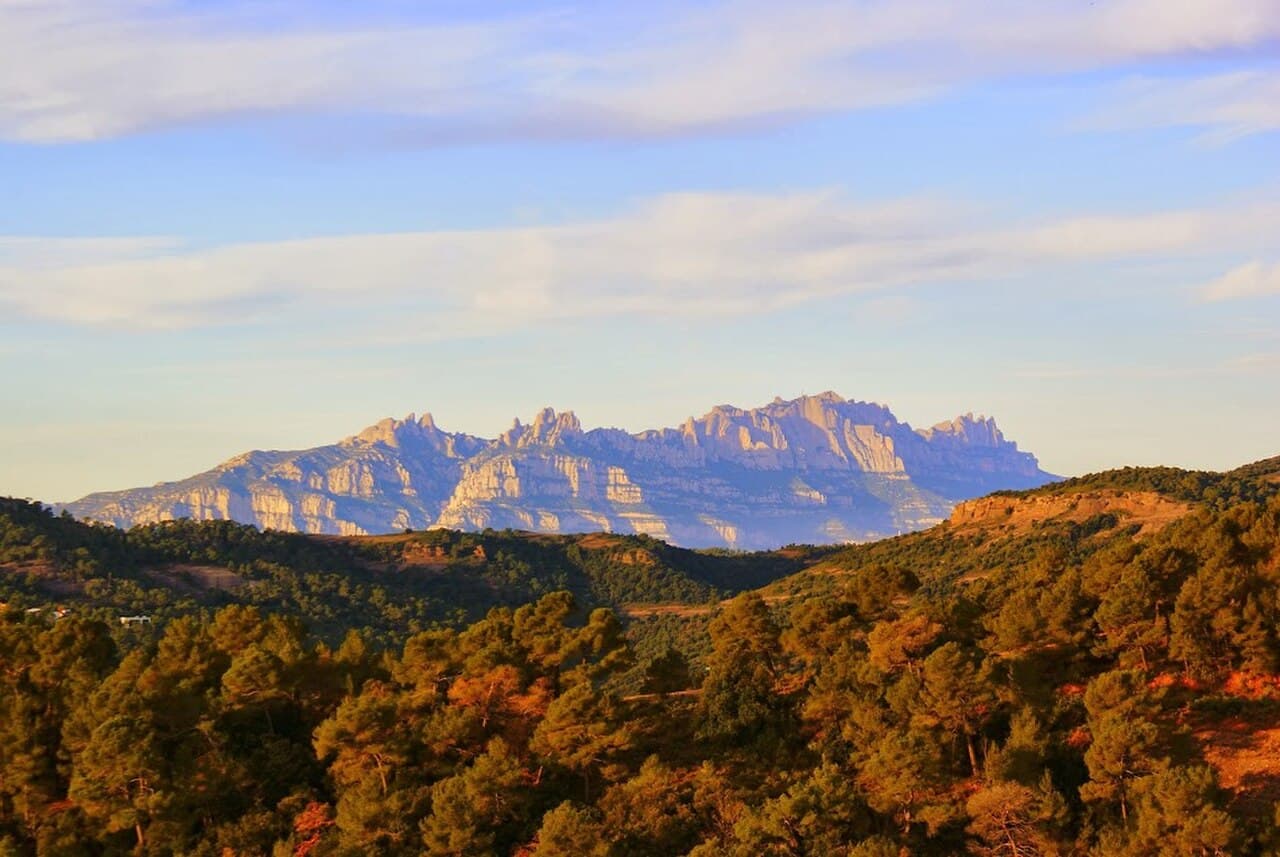
Barcelona is the dazzling heart of the region, but Catalonia reveals its true character away from the big city: the medieval lanes of Girona, the Roman old town of Tarragona with its amphitheatre overlooking the sea, the blue-green coves of the Costa Brava between Lloret de Mar and Cadaqués, the mystical massif of Montserrat rising above the plains, and Figueres with its extraordinary Dalí Theatre-Museum. The Catalan language, distinct from Castilian Spanish, is a constant reminder that Catalonia is a nation within the Spanish state, fiercely proud of its identity, its cuisine — fideuà, pa amb tomàquet, cava — and its folk traditions such as castellers (human towers) and the sardana dance.

Spots in the region
Situation

Où se situe Catalonia ?

Ouvrir la carte en grand sur OpenStreetMap →

Frequently asked questions

How many days do you need to see Catalonia properly?+
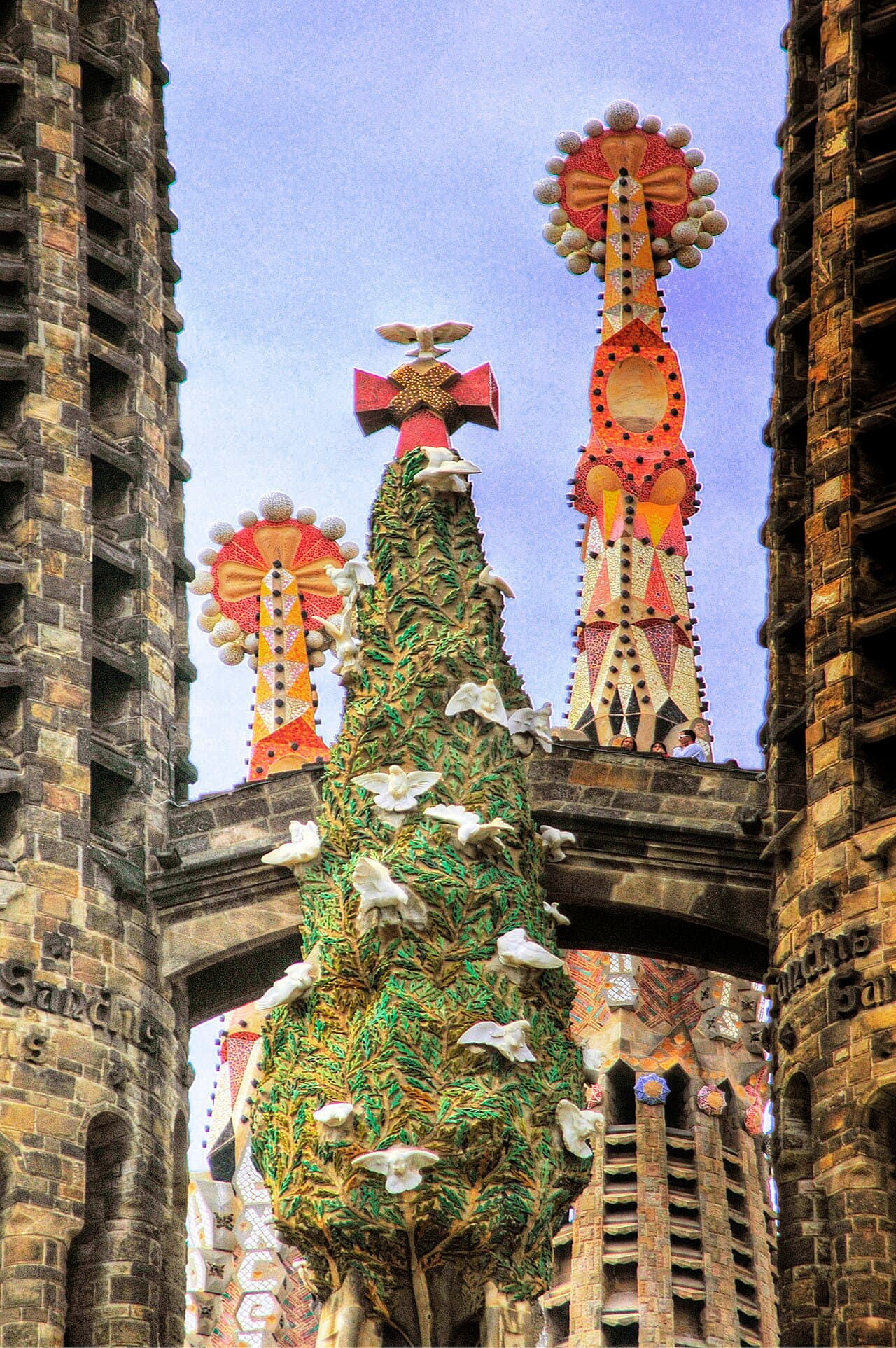
Plan for a minimum of five to seven days. Two days in Barcelona for Gaudí's highlights (Sagrada Família, Park Güell, Casa Batlló), then two days on the Costa Brava (Girona and the coves), and one day at Montserrat. With ten days, add Tarragona, Figueres and the Dalí Museum, and extend into the Catalan Pyrenees or the Penedès wine country.
Do you need to book Barcelona's sights in advance?+
Yes, absolutely. Sagrada Família and Park Güell are saturated in high season — book online several weeks ahead, or two to three months ahead in July-August. Casa Batlló and La Pedrera also recommend advance booking. La Boqueria does not require tickets but is packed between 10am and 2pm — go early in the morning.
How do you get around Catalonia outside Barcelona?+
The Rodalies train is efficient for Tarragona (about 1 hour), Girona (37 min by AVE) and Figueres (1 hour by AVE). For the Costa Brava, a rental car is almost essential: the coves and hilltop villages are not all reachable by public transport. Montserrat is accessible by train and rack railway from Barcelona. In summer, parking on the Costa Brava is a serious challenge — consider staying overnight on the coast itself.
What is cava and where can I taste it?+
__Cava__ is Catalonia's traditional-method sparkling wine, produced primarily in the Penedès region, 40 km from Barcelona. The major houses (Codorníu, Freixenet) offer cellar tours and tastings. Brut nature is the go-to cuvée for serious drinkers. In restaurants, order it as an aperitif — Catalans drink it as naturally as the French drink Champagne.
What is the difference between paella and fideuà?+
Paella (originally from Valencia, not Catalonia) is rice-based, typically with seafood or meat. __Fideuà__ is the Catalan version: it replaces rice with short vermicelli noodles, cooked in fish stock and seafood in a similar flat pan. Fideuà is an emblematic dish of Barcelona and the Catalan coast — try it at a proper seaside restaurant rather than a tourist-facing city eatery.
Is the Dalí Museum in Figueres worth the trip?+
Absolutely. The __Dalí Theatre-Museum__ in Figueres, designed by Dalí himself and housing his tomb, is one of the most singular museums in Europe. The experience is fully immersive and surreal. Allow two to three hours on site. Figueres is reachable by AVE from Barcelona in under an hour — perfect as a day trip from the coast or from Girona.
Is the Costa Brava still wild or heavily developed?+
The Costa Brava is a study in contrasts. The south (Lloret de Mar, Platja d'Aro) is heavily developed and busy. But as you move north — Begur, Tamariu, Llafranc, Aiguablava, Cadaqués — the coast becomes progressively wilder, with coves accessible only on foot or by kayak. The northern tip at Cap de Creus is a protected natural park of spectacular, raw beauty.

Our verdict

Catalonia delivers on its promise as a complete destination — as long as you resist the temptation to stay only in Barcelona. The classic mistake is to spend the whole trip in the city without exploring the Costa Brava, the inland medieval towns or the Penedès vineyards. Come in May-June or September-October for perfect weather, manageable crowds and a Barcelona buzzing with cultural life. Catalonia is made for travellers who want it all: city, coast, mountains and gastronomy in a single trip.

Mowando Letter

Once a month: the right destinations for the right season + the best booking windows.

No spam. One-click unsubscribe. Your data is never shared.