Mowando

Region

Andalusia

Iberia's sunniest and most contrasted region: Moorish palaces and Gothic cathedrals, whitewashed villages clinging to cliffsides, visceral flamenco and 320 days of sunshine a year.

4.80

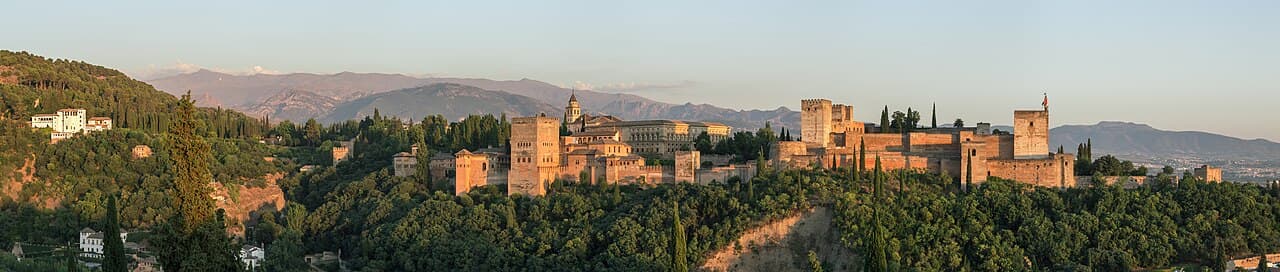
Andalusia is the soul of southern Spain — a region of 87,000 square kilometres that concentrates everything the collective imagination associates with deep Spain: flamenco born in the tablaos of Seville and the caves of Granada's Sacromonte, the Moorish palaces of the Alhambra and the Alcázar, the mosque-cathedral of Córdoba whose forest of bicolour columns is unique in the world, the Pueblos Blancos (white villages) clinging to the cliffs of the Sierra de Grazalema, and the sherry of Jerez best tasted in cool bodegas under the shade of olive trees.

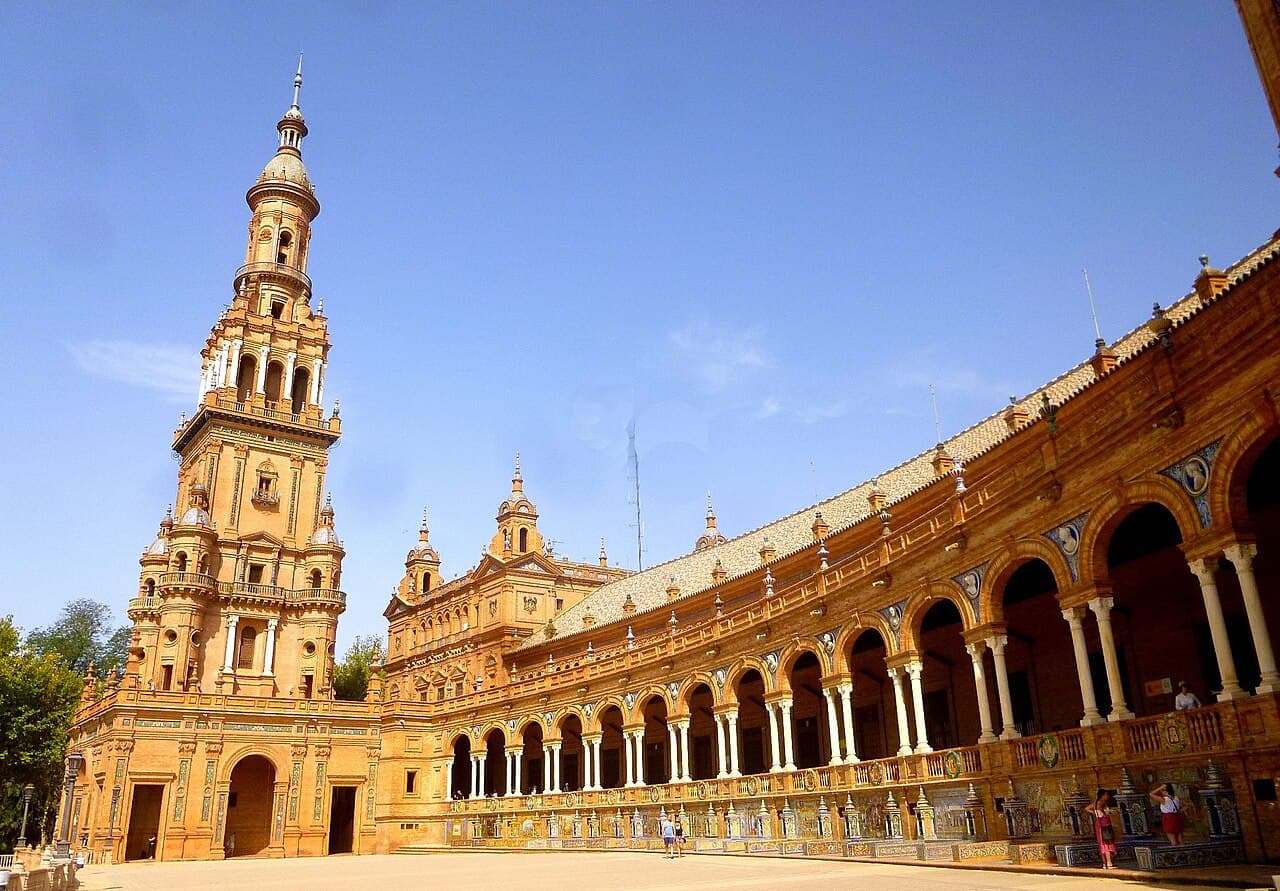
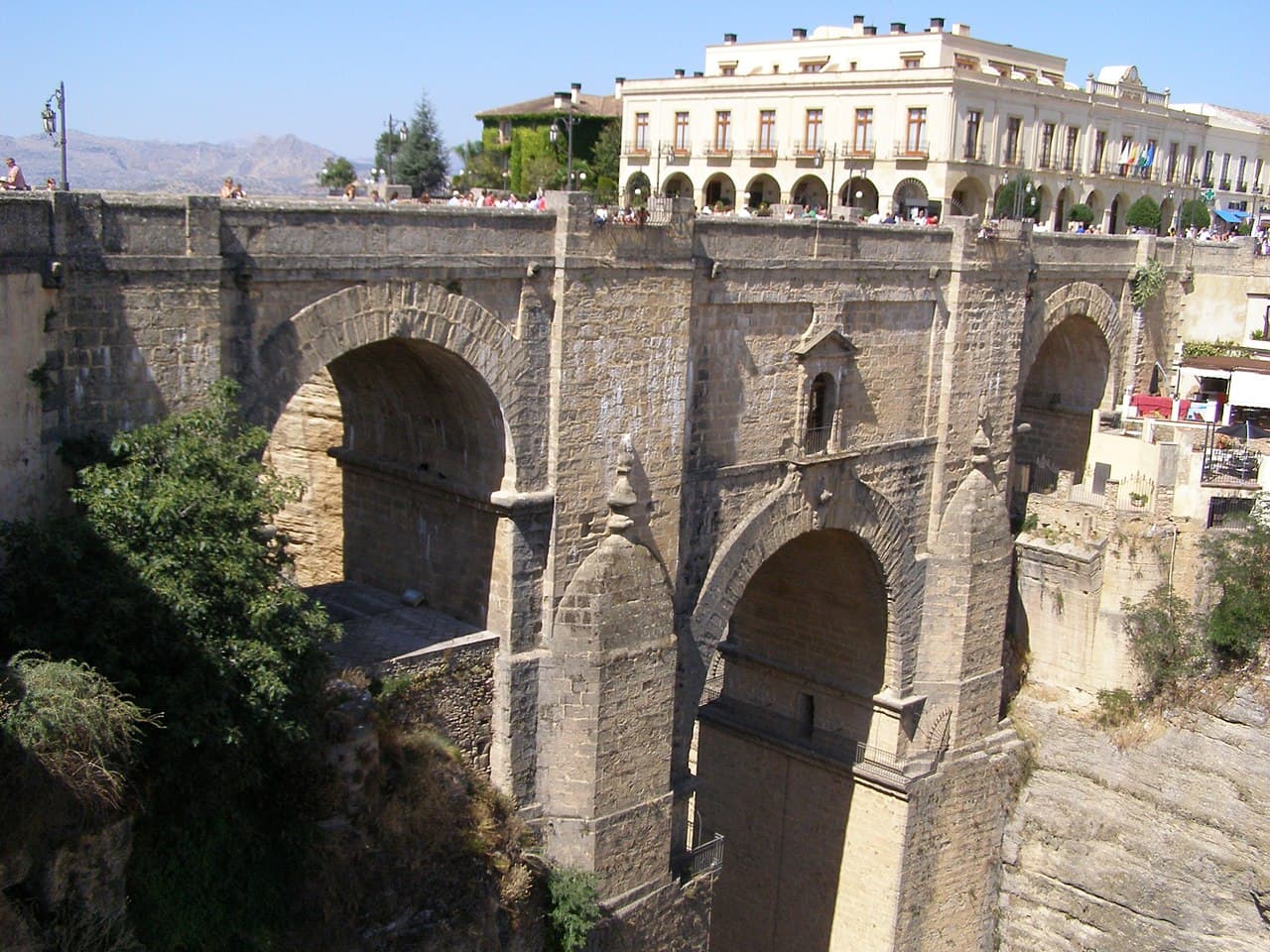
Five major cities structure the discovery of the region. Seville, the Andalusian capital, dazzles with its Gothic cathedral (the largest in Spain), its Alcázar royal residence and its Plaza de España, a jewel of neo-Moorish architecture. Granada, dominated by the Alhambra and nestled at the foot of the Sierra Nevada, offers one of humanity's greatest architectural masterpieces. Córdoba and its mezquita-catedral — a palimpsest of history between Islam and Christianity — are listed as UNESCO World Heritage. Málaga, Picasso's birthplace, is the gateway to the Costa del Sol and reinventing itself as a first-rate cultural destination. And Ronda, suspended above the Tajo gorge, may be the most dramatically sited town in Spain.

With 320 days of sunshine a year on average, Andalusia is also the sunniest region in continental Europe — a fact that explains its exuberant agriculture (olive trees, orange groves, sherry vines), the dazzling whiteness of its villages and the meridional torpor that grips the cities between 2 pm and 5 pm, replaced each evening by nightlife of incomparable intensity.

Spots in the region
Situation

Où se situe Andalusia ?

Ouvrir la carte en grand sur OpenStreetMap →

Frequently asked questions

How many days do you need to visit Andalusia properly?+
Plan for a minimum of seven to ten days for a Seville-Granada-Córdoba circuit with some Pueblos Blancos. Two days in Seville (cathedral, Alcázar, Triana), two days in Granada (Alhambra, Albaicín, Sacromonte), one day in Córdoba (mosque-cathedral, Jewish quarter, patios). Add a day for Ronda or the Sierra de Grazalema. With two weeks, extend to Málaga, Almería or Jerez de la Frontera for the sherry bodegas.
When should I book the Alhambra?+
As early as possible — ideally two to three months ahead for high season (March to October). Tickets for the Nasrid Palaces are limited to strict entry time slots and sell out within days of going on sale. Book on the official site alhambra.org. If you arrive without a ticket, a small number are sold on the day from 8 am (queue from 7 am), but the risk of missing out is high.
When is the best time to visit Andalusia?+
March to May and September-October are the ideal windows. Temperatures are pleasant (18-28 °C), the landscape is at its finest and crowds are manageable. Absolutely avoid July-August for the inland cities: Seville and Córdoba regularly hit 40-45 °C, making monument visits exhausting and potentially hazardous. Holy Week at Easter in Seville is an extraordinary event but brings the highest prices and crowds of the year.
Should I prioritise Seville or Granada?+
Both are unmissable but very different. Seville is larger, more festive, with intense urban energy and the most spectacular Holy Week processions in the world. Granada is more intimate and mysterious, dominated by the Alhambra and its unique tradition of free tapas with every drink — found nowhere else in Spain. For a short trip, Granada offers perhaps the most singular single experience; for Andalusian atmosphere and flamenco in the raw, choose Seville.
What are the Pueblos Blancos and which ones should I visit?+
The __Pueblos Blancos__ (white villages) are hilltop hamlets in the Sierra de Grazalema between Ronda and Arcos de la Frontera, their lime-washed houses gleaming white in the sun. Must-see stops: __Ronda__ (the most dramatic town in Spain, perched above the Tajo gorge), __Zahara de la Sierra__ (reservoir and castle), __Setenil de las Bodegas__ (houses carved into the living rock), __Vejer de la Frontera__ and __Arcos de la Frontera__ (sweeping panoramic views). A car is essential for this circuit.
How do I discover Jerez sherry?+
Jerez de la Frontera, 80 km south of Seville, is the world capital of sherry. The major bodegas (González Byass with Tío Pepe, Lustau, Domecq) offer guided tours and tastings for around €15-25. Styles range from fino (bone-dry, perfect as an aperitif) to manzanilla (aged in Sanlúcar, iodine-tinged and delicate), amontillado and pedro ximénez (sweet, dried-fruit notes). Fino pairs perfectly with local tapas: gambas al ajillo, jamón and manchego.
How do I get around Andalusia?+
The AVE high-speed train is fast between Madrid and Seville (2h20), Madrid and Málaga (2h20) and Seville and Málaga (2h). Córdoba sits on the Madrid-Seville line (45 min from Seville). Granada is not on the AVE network from Madrid — the most practical option is the Alsa coach (3h30 from Seville, 3h from Málaga). For the Pueblos Blancos, Sierra Nevada or rural areas, a rental car is essential. Roads are generally good but winding in the sierras.

Our verdict

Andalusia is one of Europe's richest regions for heritage, culture and gastronomy. The golden rule: avoid July-August for the inland cities (Seville, Córdoba, Granada) and come in spring or autumn for the best experience. Book the Alhambra months ahead, include at least one flamenco performance, and get lost in the lanes of the Pueblos Blancos for the most authentic Andalusia. This region demands time — a minimum of one week, ideally two — to avoid the trap of a breathless highlight reel.

Mowando Letter

Once a month: the right destinations for the right season + the best booking windows.

No spam. One-click unsubscribe. Your data is never shared.