Oceania
French Polynesia
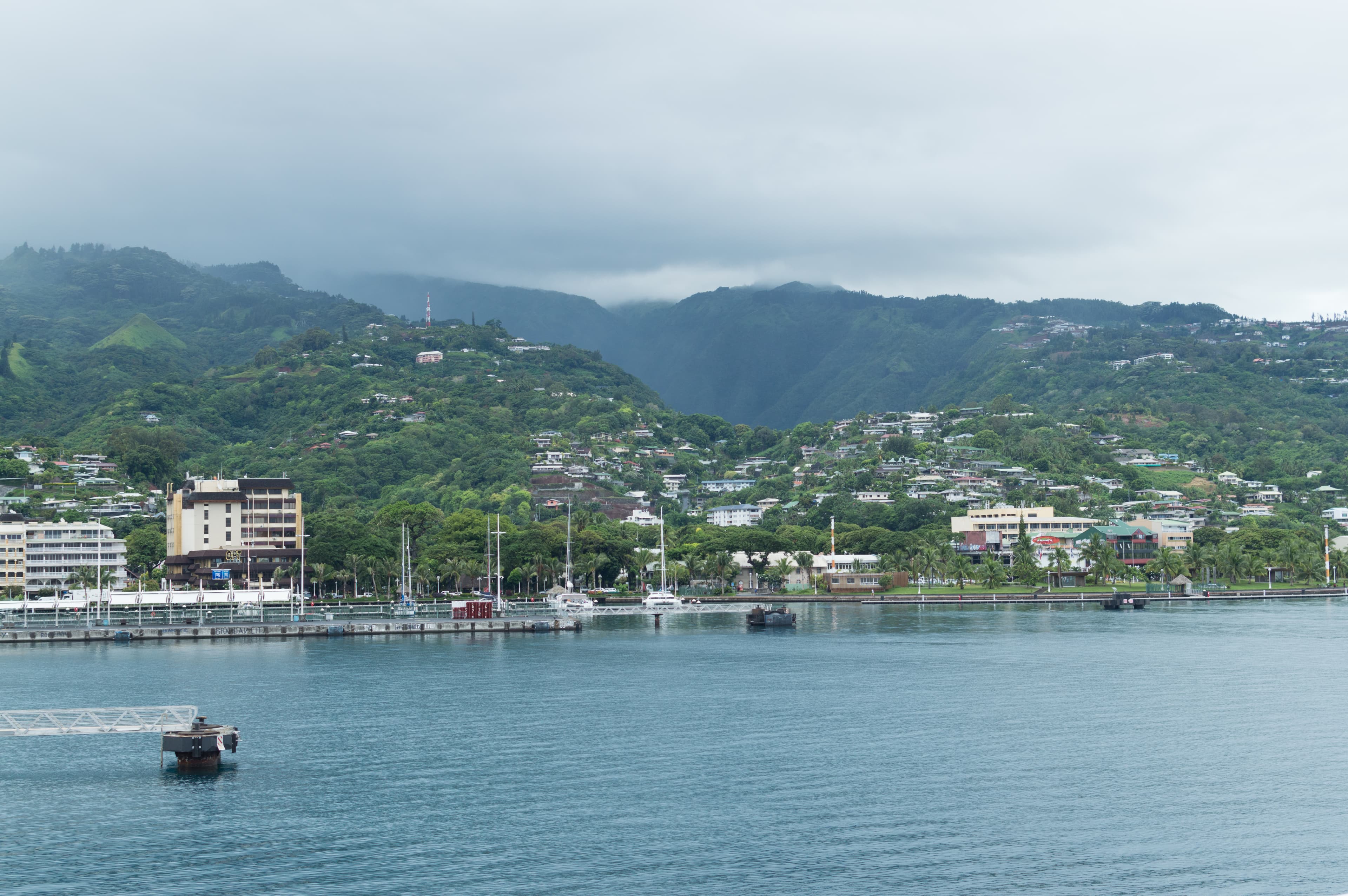
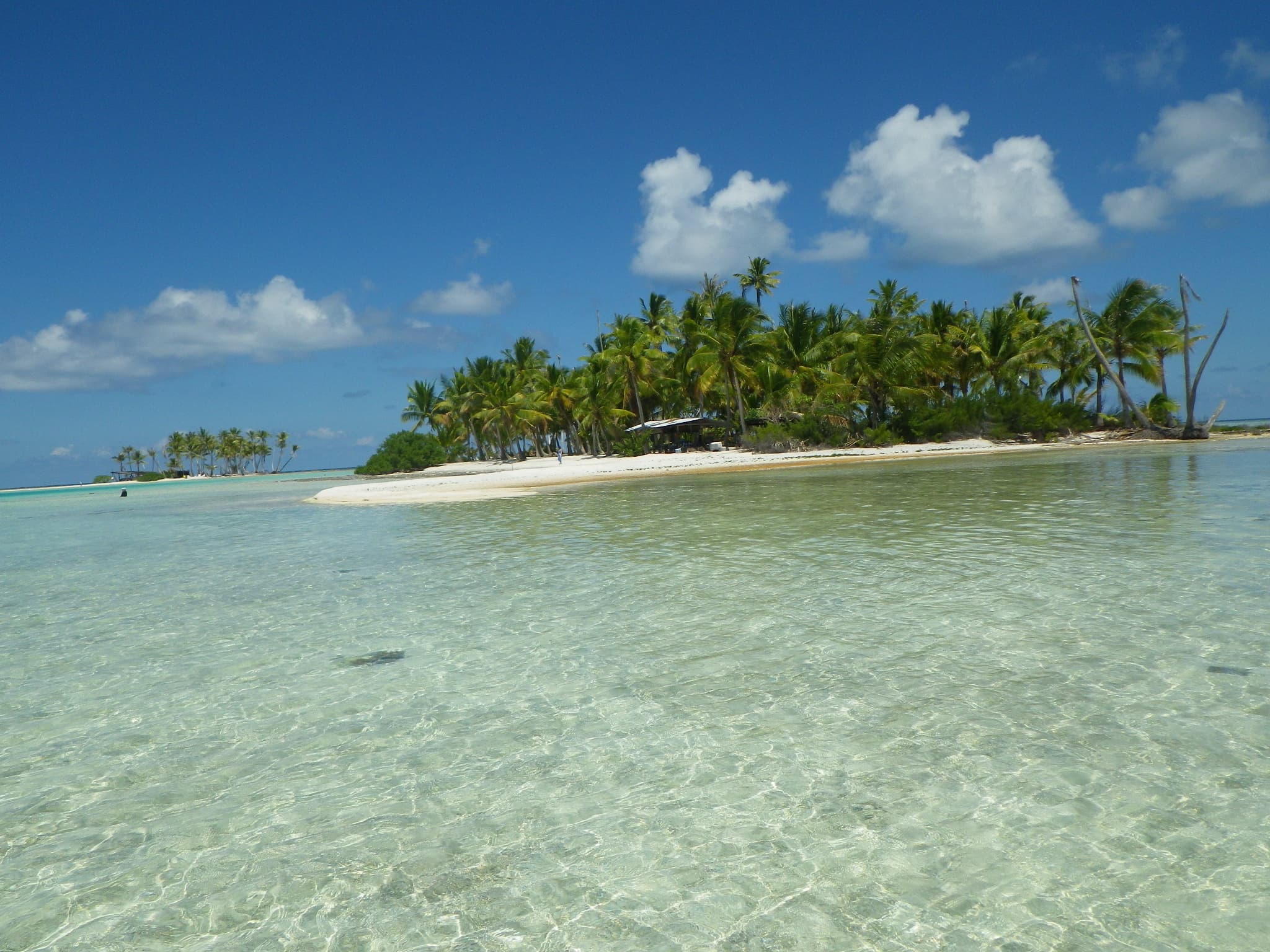
Bora Bora, Moorea, Rangiroa and the turquoise-water motus: French Polynesia is the planet's most iconic paradise archipelago, visa-free for French and EU travellers but a full 22-hour flight away and firmly in the premium budget bracket.
- Capital
- Papeete
- Currency
- Franc CFP (Pacifique) (XPF)
- Languages
- Français, Tahitien (reo Tahiti)
- Budget
- Premium — from €250/day/person at the comfort entry level, €600-1,200/day for signature honeymoon experiences
French Polynesia at a glance
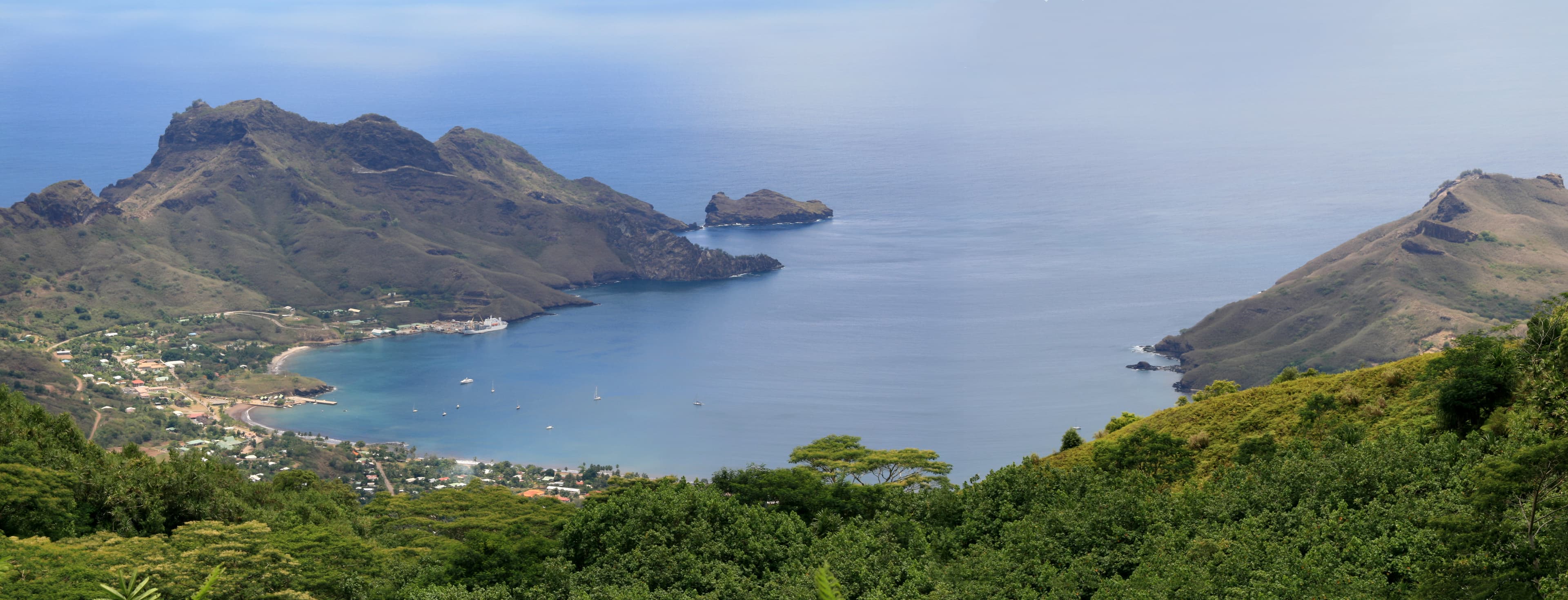
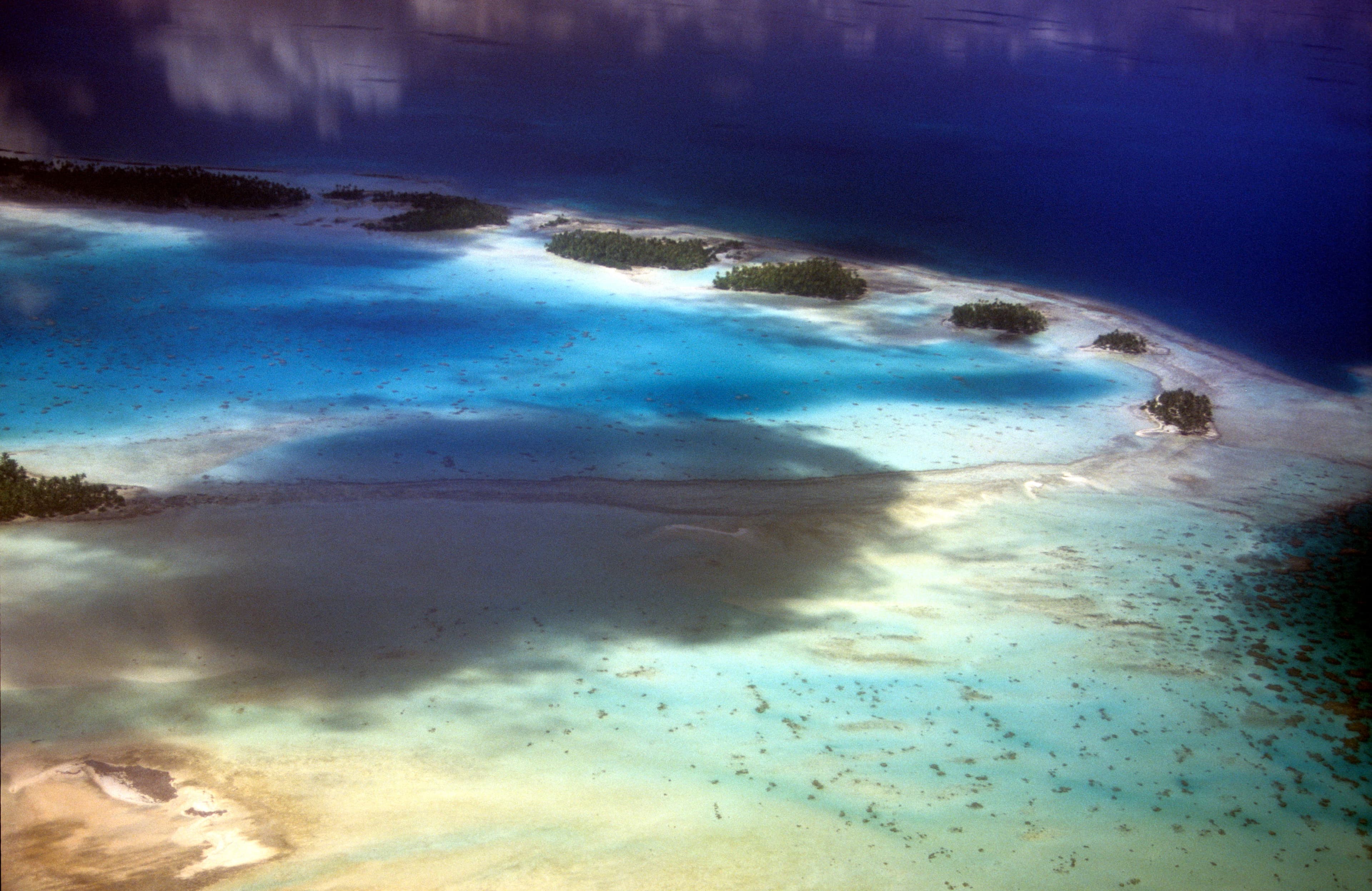
French Polynesia is a French overseas collectivity scattered across 5.5 million km² of the South Pacific — a maritime area roughly the size of Europe — for only 4,167 km² of actual land. This vast territory comprises 118 islands grouped into five archipelagos: the Society Islands (the best known, including Tahiti, Moorea and Bora Bora), the Tuamotus (77 coral atolls), the Marquesas (wild and mountainous), the Australs (southerly and temperate) and the Gambiers (the easternmost). This dispersed geography creates one of the world's most varied destinations, where each archipelago delivers a radically different experience.
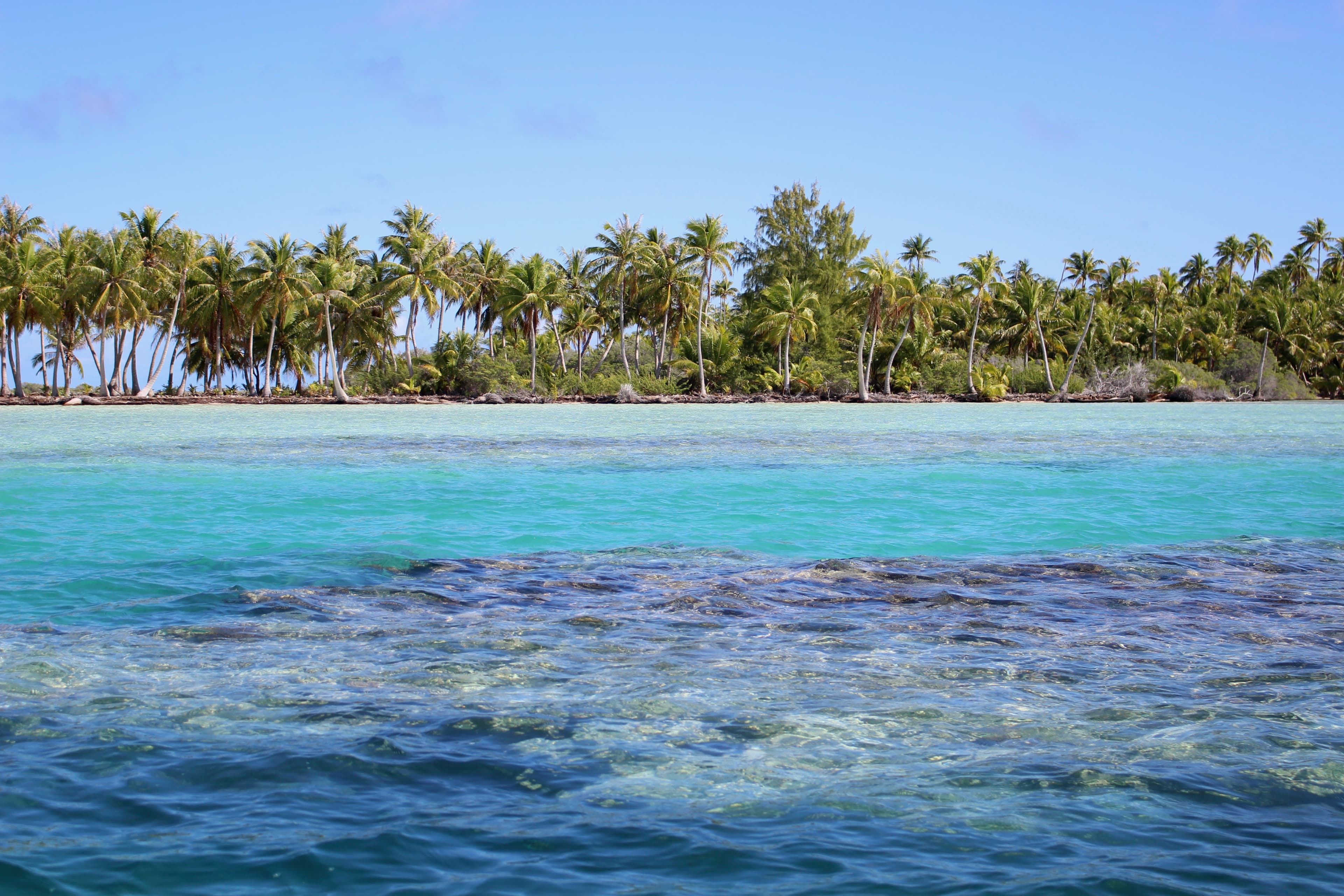
This remote territory, 17,100 km from Paris, is one of the most inaccessible places in the French-speaking world: count on at least 22 hours of flying via a Los Angeles stopover (Air France, Air Tahiti Nui, French Bee). The time difference is -12 hours in winter and -11 in summer from mainland France — almost the geographical opposite. That distance and logistical effort are repaid by total escape: nowhere else in the world do lagoons reach this level of turquoise, and nowhere else can you sleep in an overwater bungalow with a glass floor opening directly onto the coral reef.
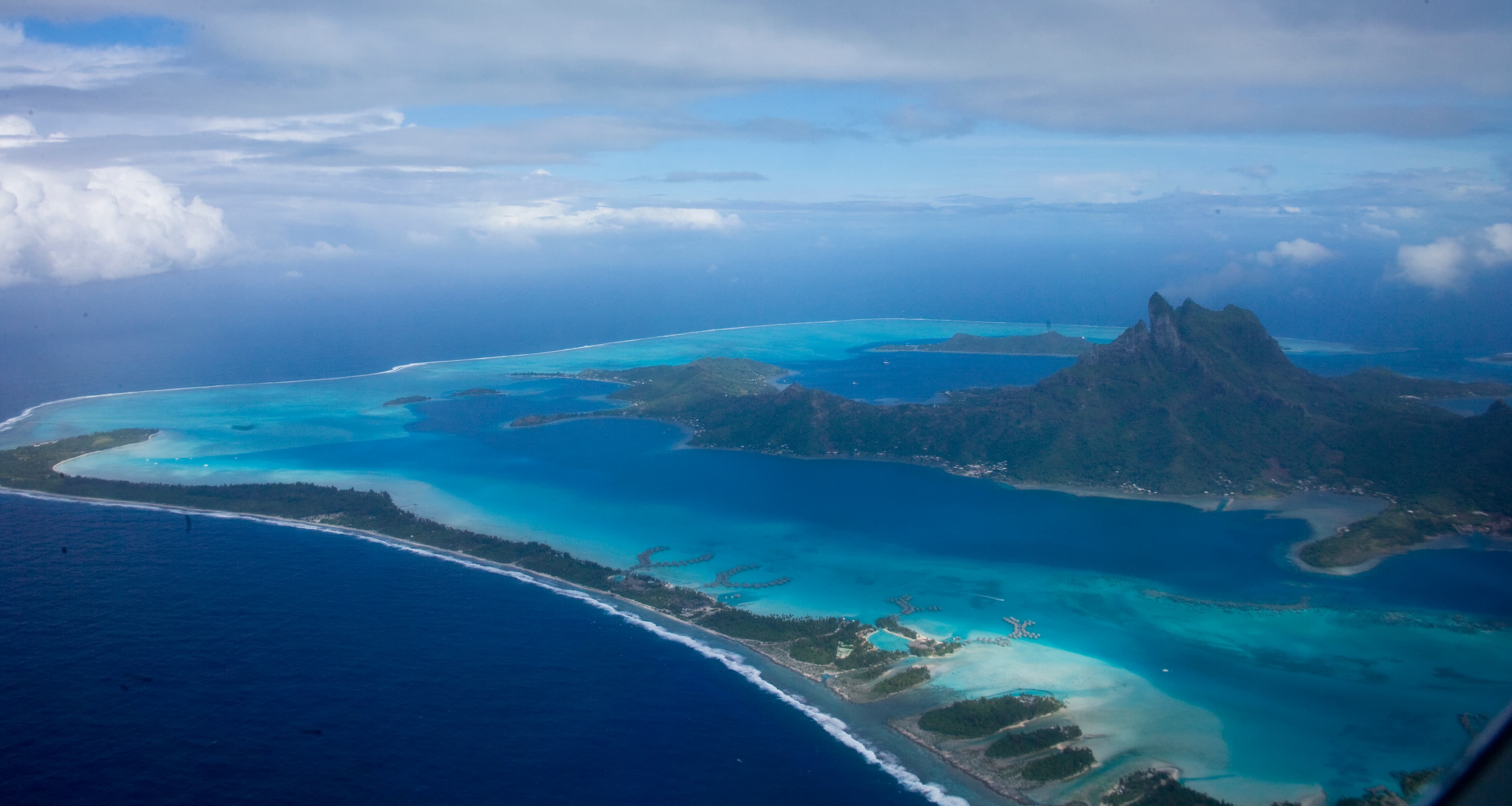
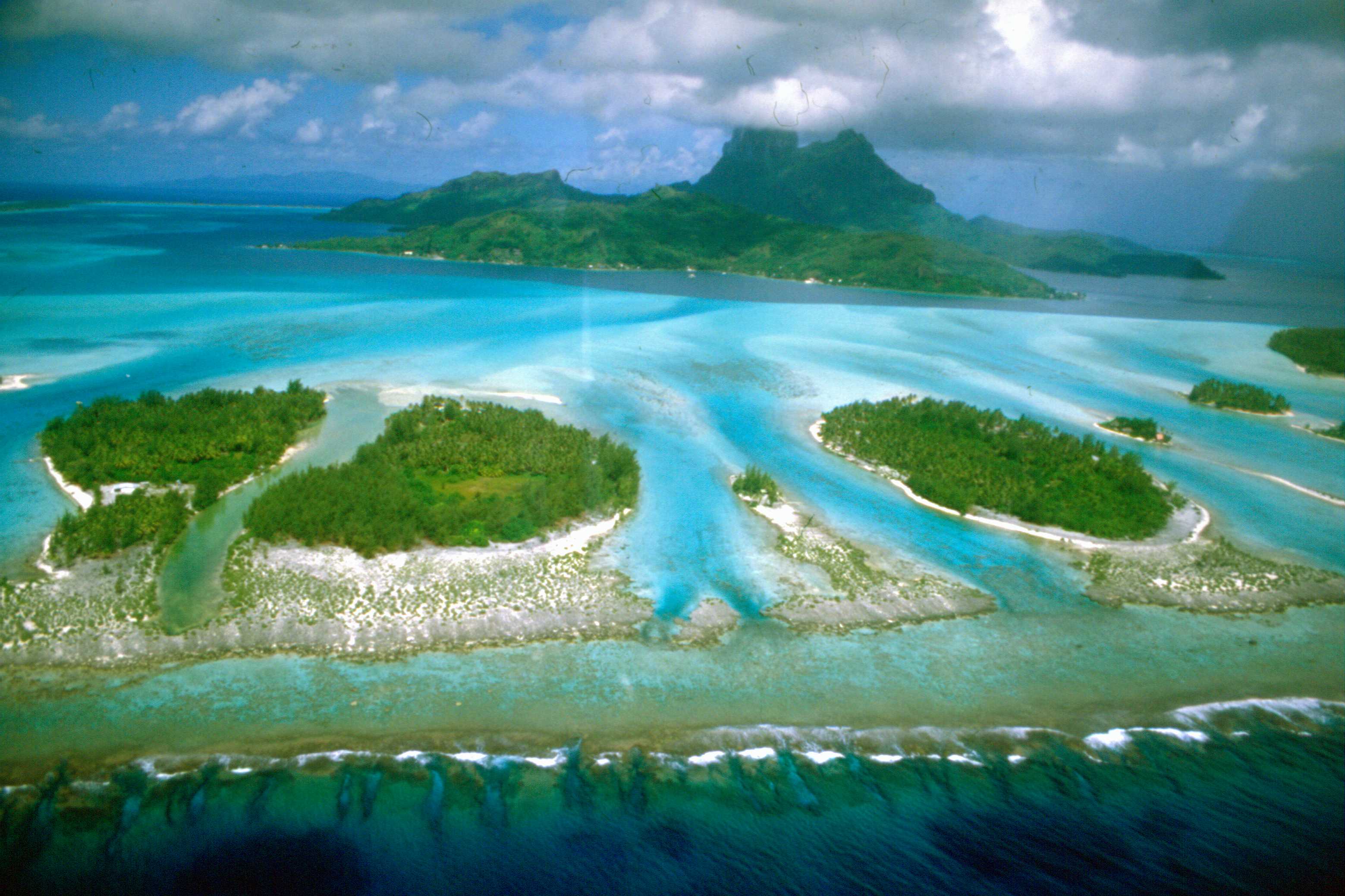
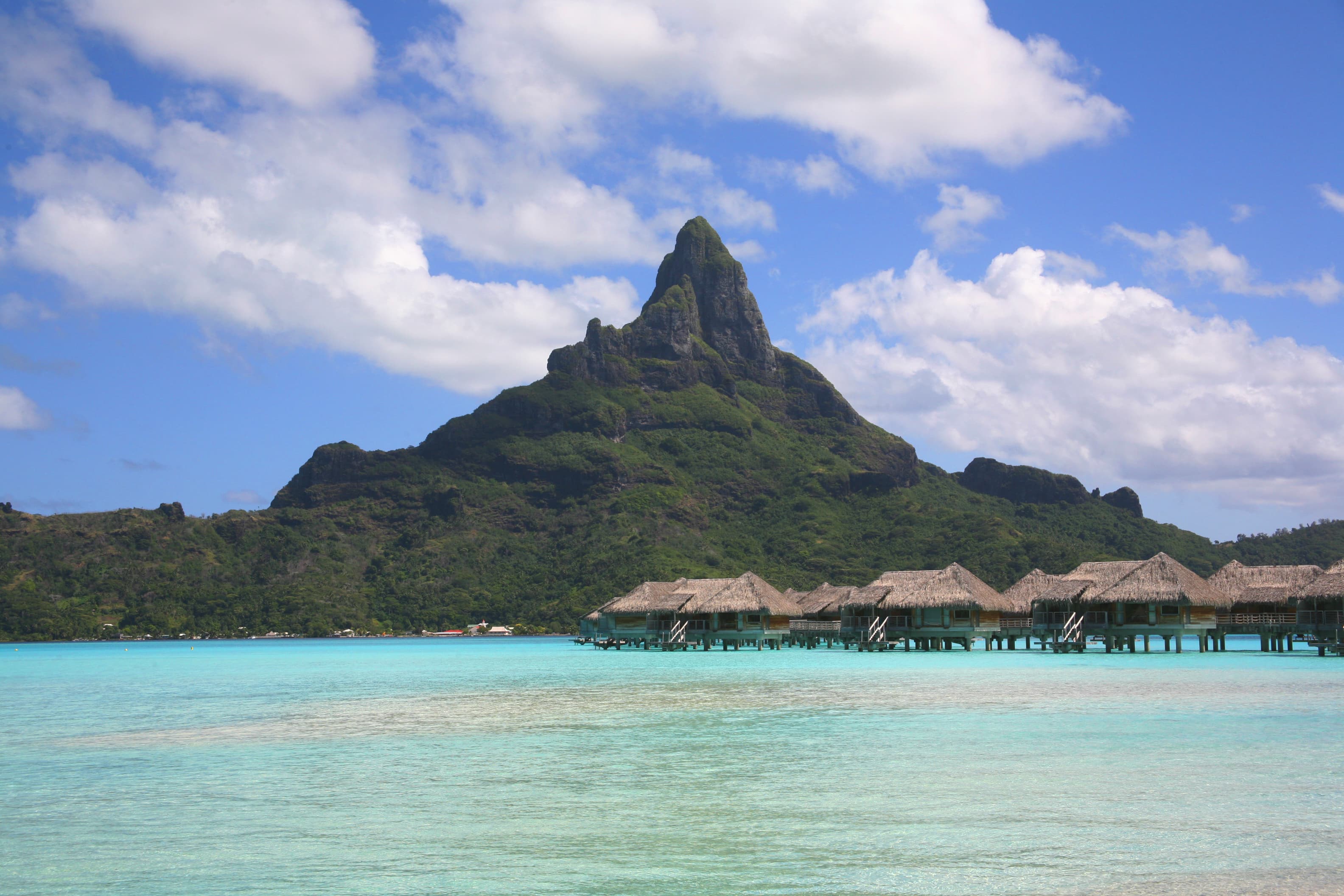
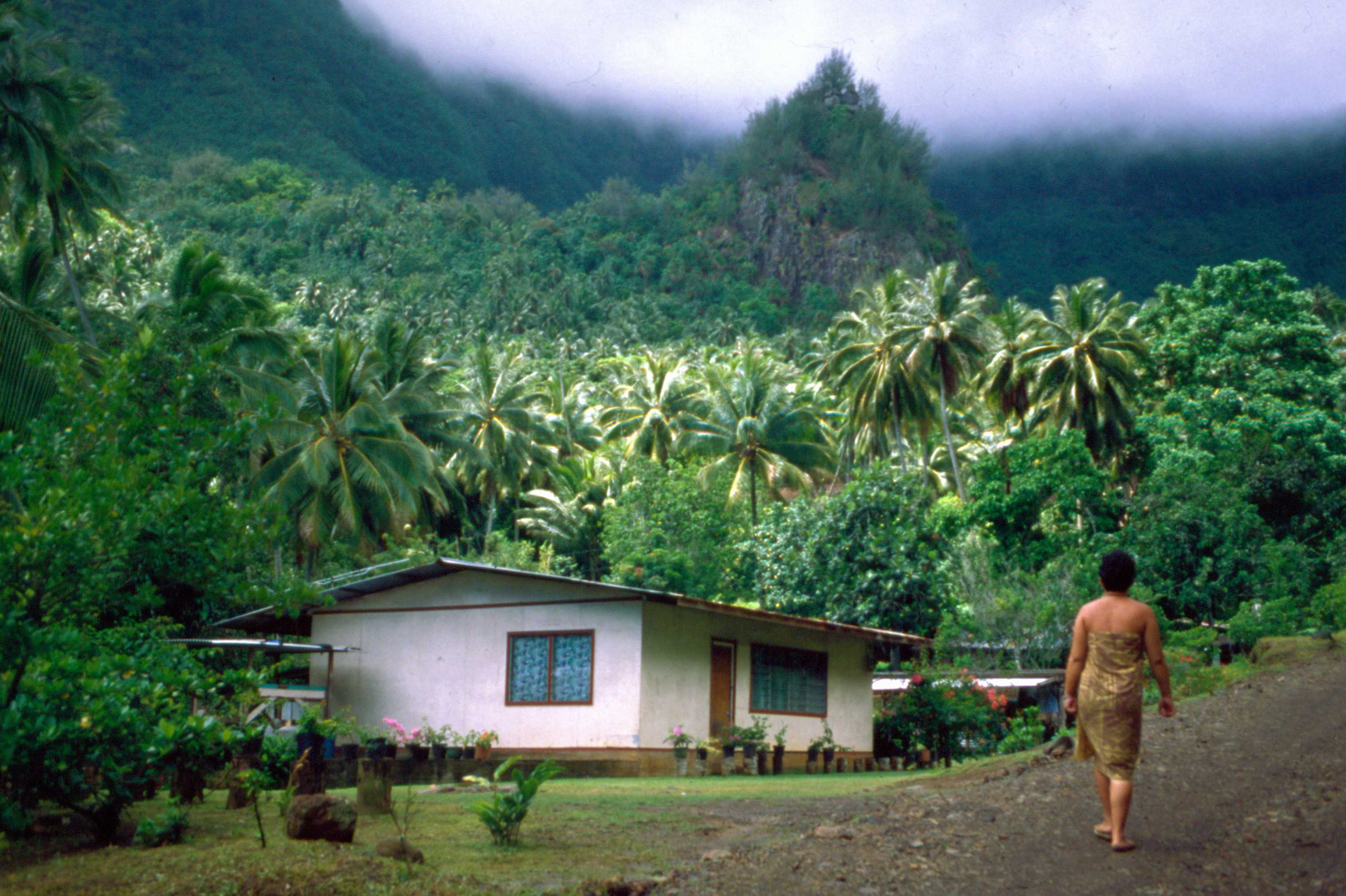
In the collective imagination French Polynesia is synonymous with premium honeymoon: Bora Bora and its Mont Otemanu (727 m) reflected in one of the world's most photographed lagoons, the overwater bungalows of the Four Seasons, the St Regis and the InterContinental at €800-2,000 per night, the catamaran cruises between Raiatea, Tahaa and Huahine. But the destination also offers more authentic and more accessible experiences: world-class diving in the Tuamotu passes (Rangiroa, Fakarava, a UNESCO Biosphere Reserve), humpback whale watching as they come to give birth in the warm Moorea waters from July to October, hiking the wild valleys of the Marquesas in the footsteps of Paul Gauguin and Jacques Brel, or surfing the world-class wave of Teahupoo (Tahiti, host of the Paris 2024 Olympic surfing events).
French Polynesia is, in short, one of the rare places on Earth that genuinely keeps the promise of its postcards. The sky is bluer, the sea more turquoise, the sunsets more violent. It is also expensive, distant and slow to reach — but for those willing to make the effort, it becomes one of the most extraordinary trips of a lifetime.
What we love
- ✅Iconic turquoise lagoons: Bora Bora, Moorea and Rangiroa rank among the planet's finest marine landscapes
- ✅No visa for EU citizens — French ID card sufficient (French overseas collectivity)
- ✅World-class diving and snorkeling in the Tuamotus, extraordinary marine life
- ✅Iconic overwater bungalows, the signature honeymoon experience
- ✅Exceptional safety and warm Polynesian welcome (mauruuru, ia ora na)
What to know
- ❌Premium budget: €250-500 per day on average, up to €2,000 per night at the top Bora Bora resorts
- ❌Very long flight from Europe: minimum 22 hours via Los Angeles, €1,500-3,500 return depending on season
- ❌Brutal time-zone shift (-12 hours in winter), several days of recovery required
- ❌Cyclone season from November to April, frequent tropical rain in the austral summer
Explore French Polynesia
Our itineraries
Regions
Popular spots

Situation
Où se situe French Polynesia ?
Ouvrir la carte en grand sur OpenStreetMap →Frequently asked questions
Do I need a visa to visit French Polynesia?+
How long is the flight to French Polynesia from Europe?+
When is the best time to visit French Polynesia?+
What budget should I plan for French Polynesia?+
What currency is used in French Polynesia?+
Our verdict
French Polynesia is one of the last great dream destinations of the Western imagination that has lost none of its magic. Bora Bora, despite its global icon status, remains one of the most beautiful lagoons ever formed by nature. The Tuamotus deliver divers one of the three most powerful underwater experiences on Earth. The Marquesas preserve a raw cultural and geographical authenticity light-years from mass tourism. The trade-off is clear: a high budget (€250 per day minimum, more often €400-800 for a signature experience), an exhausting 22-hour flight from Europe, and a time difference that takes several days to absorb. For those willing to accept these constraints, French Polynesia reveals itself as one of the great trips of a lifetime. Prioritise the dry season (May to October) for optimal conditions, give yourself at least 14 days on the ground to justify the flight, and combine Tahiti, Moorea, Bora Bora and a Tuamotu atoll to grasp the destination's full range.
Similar destinations

Expert on French Polynesia · 1 contributions
 Africa & Americas Desk — Mowando·Editor