Region
Tuamotu
The Tuamotus are the world's diving Mecca: Rangiroa and Fakarava rank among the planet's top three dive spots, with passes crossed by hundreds of sharks, manta rays and groupers.
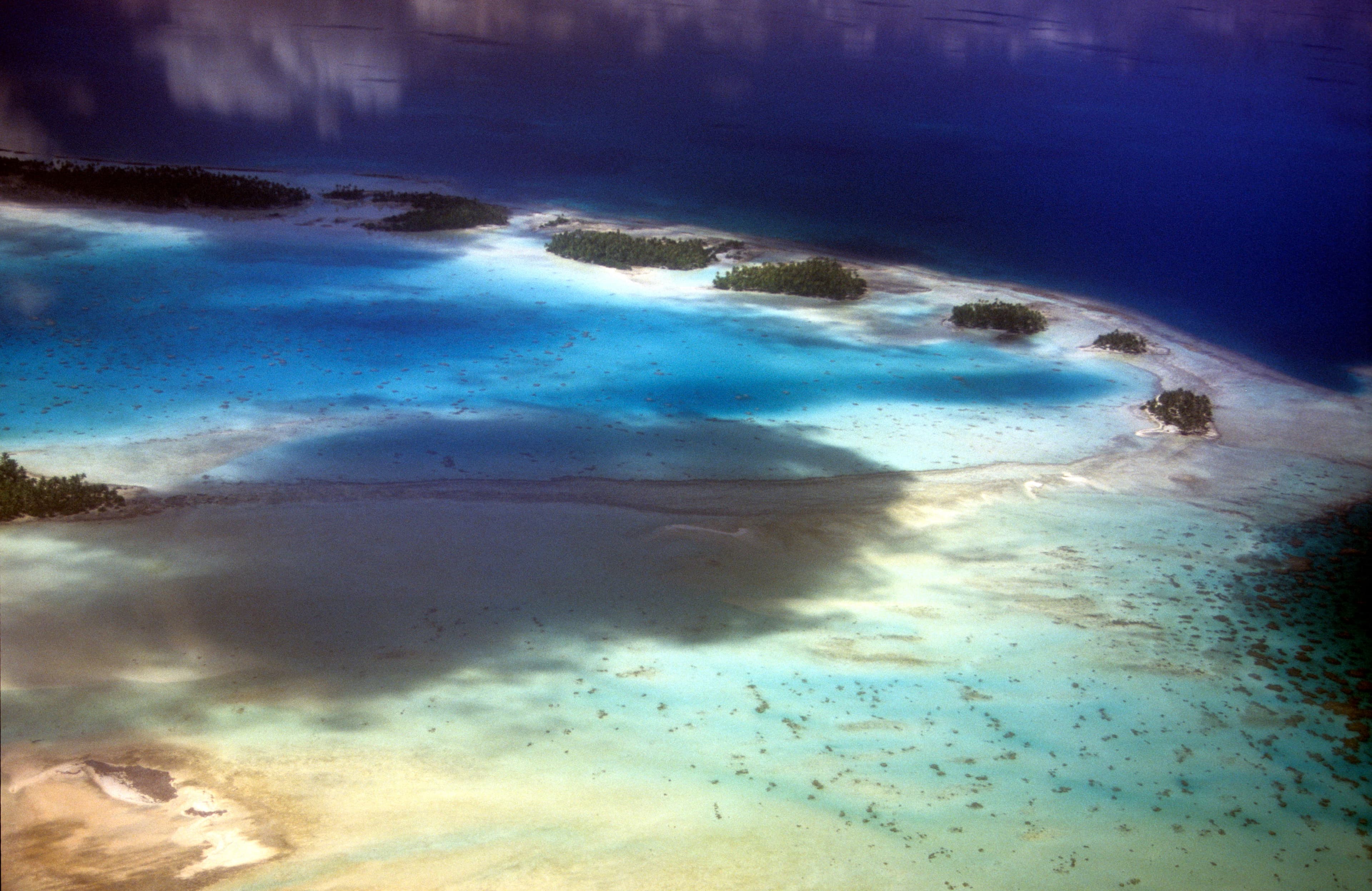
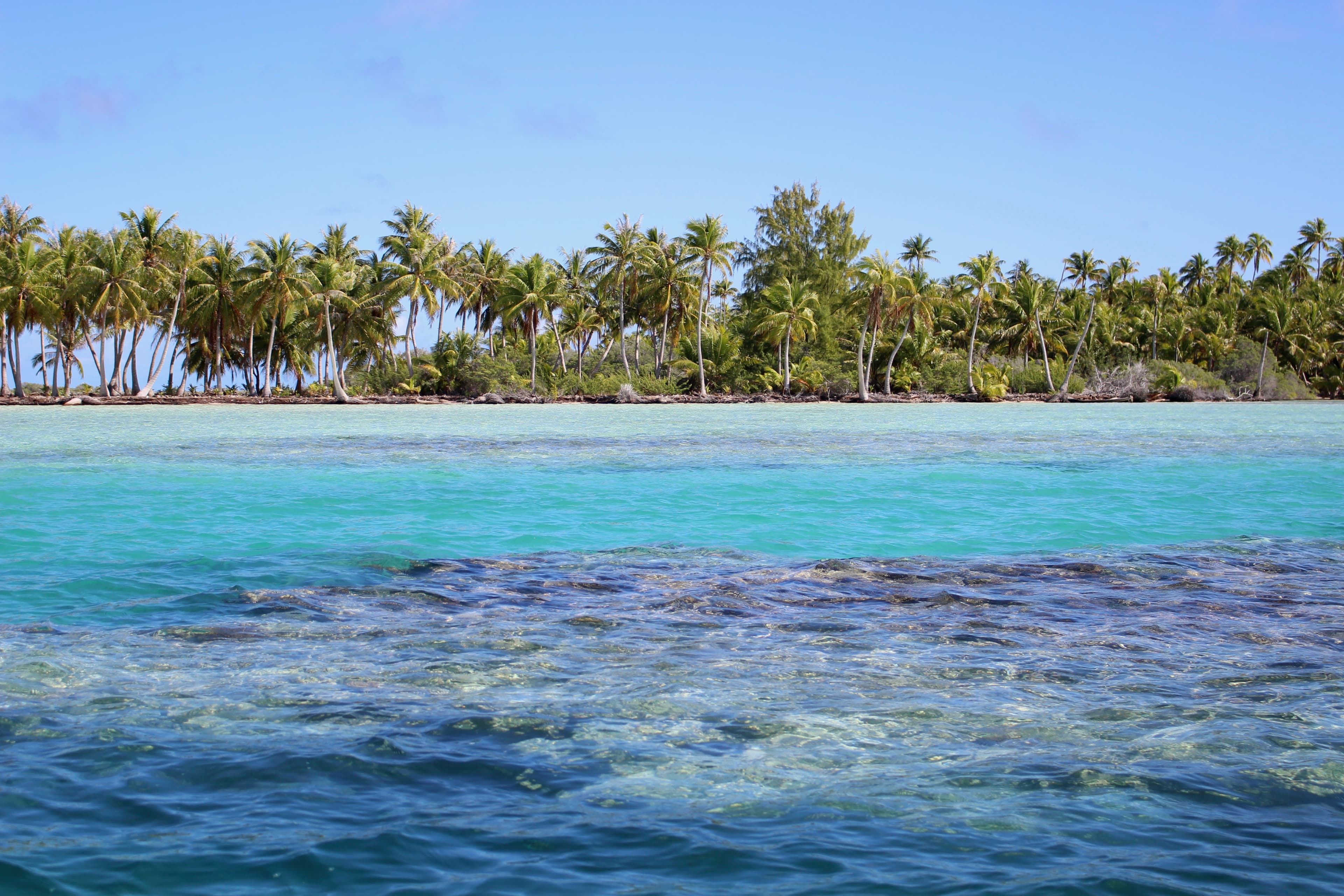
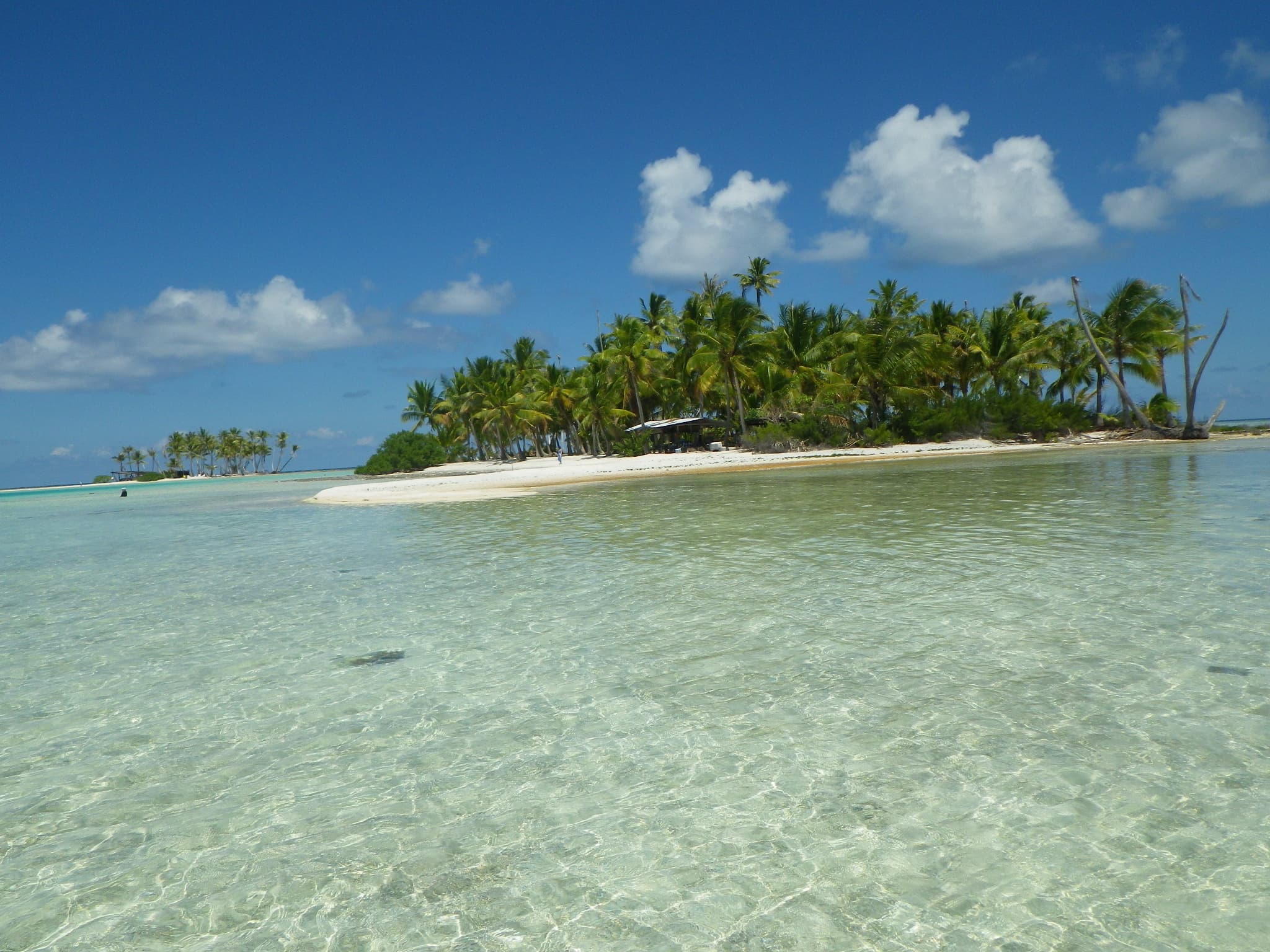
The Tuamotu archipelago is the world's largest collection of coral atolls: 77 atolls scattered across 1,500 km in the heart of the South Pacific, between the Society Islands and the Marquesas. Unlike the high volcanic islands of the Society group (Bora Bora, Moorea), the Tuamotus are flat atolls — coral rings floating at sea level around a central lagoon, rarely exceeding 5 metres in elevation. This unique geography makes them one of the world's purest destinations for divers and snorkellers.
The main tourist atolls are Rangiroa (the second-largest atoll in the world, 250 km around), Fakarava (a UNESCO Biosphere Reserve since 2006), Tikehau (the pink atoll famous for its fish-rich lagoon studied by Cousteau) and Manihi (pearl farming). Each follows the same template: a central lagoon of 200-1,600 km² connects with the ocean through passes (narrow channels) where the inflowing and outflowing current concentrates marine life. It is in these passes that the world-famous drift diving takes place: you let yourself be carried by the current and observe hundreds of grey reef sharks, parrotfish, groupers, manta rays and sometimes dolphins.
The Tuamotus offer what few destinations in the world can claim: an intact and concentrated marine biodiversity, with technical dive sites (currents can be strong) of exceptional intensity. The Tiputa pass at Rangiroa is world-famous for its playful dolphins that ride the standing waves at the entrance. The south pass of Fakarava hosts in June-July one of the world's largest grouper aggregations — up to 18,000 individuals coming to spawn — a phenomenon filmed by Laurent Ballesta's team in the famous documentary '700 Sharks in the Night'.
The trade-off is clear: the Tuamotus are minimalist islands. No mountains, no waterfalls, no nightlife, limited tourist infrastructure. Accommodation is mainly family pensions (€40-100/night), a few diving lodges (€150-300/night) and a single upmarket resort per main atoll (Kia Ora on Rangiroa, Pearl Beach on Manihi). This is a trip you take for the diving, the absolute calm and the raw beauty of turquoise lagoons — not for luxury or dramatic landscapes.
Explore Tuamotu
Spots in the region
Situation
Où se situe Tuamotu ?
Ouvrir la carte en grand sur OpenStreetMap →Frequently asked questions
Which Tuamotu atolls are best for a first trip?+
Do you need to be a certified diver to visit the Tuamotus?+
When can you see the grouper aggregation at Fakarava?+
How do you get to the Tuamotus from Tahiti?+
What is the budget for a stay in the Tuamotus?+
Do you need cash in the Tuamotus?+
What can you do in the Tuamotus if you don't dive?+
Our verdict
The Tuamotus are the ultimate diving and snorkelling experience in French Polynesia — and probably one of the three best diving destinations in the world. Rangiroa and Fakarava are global benchmarks for their passes filled with grey reef sharks, dolphins, manta rays and groupers. But this is a minimalist destination that has to be earned: no mountains, little luxury, raw and authentic atmosphere. Plan a minimum of 5-7 days on a single atoll to do several dives and explore the lagoon. The dry season (May to October) is strongly preferable for diving. Combine the Tuamotus with the Society Islands for a balanced trip: 4-5 days in Bora Bora or Moorea + 4-5 days in Fakarava or Rangiroa.