Oceania
Australia
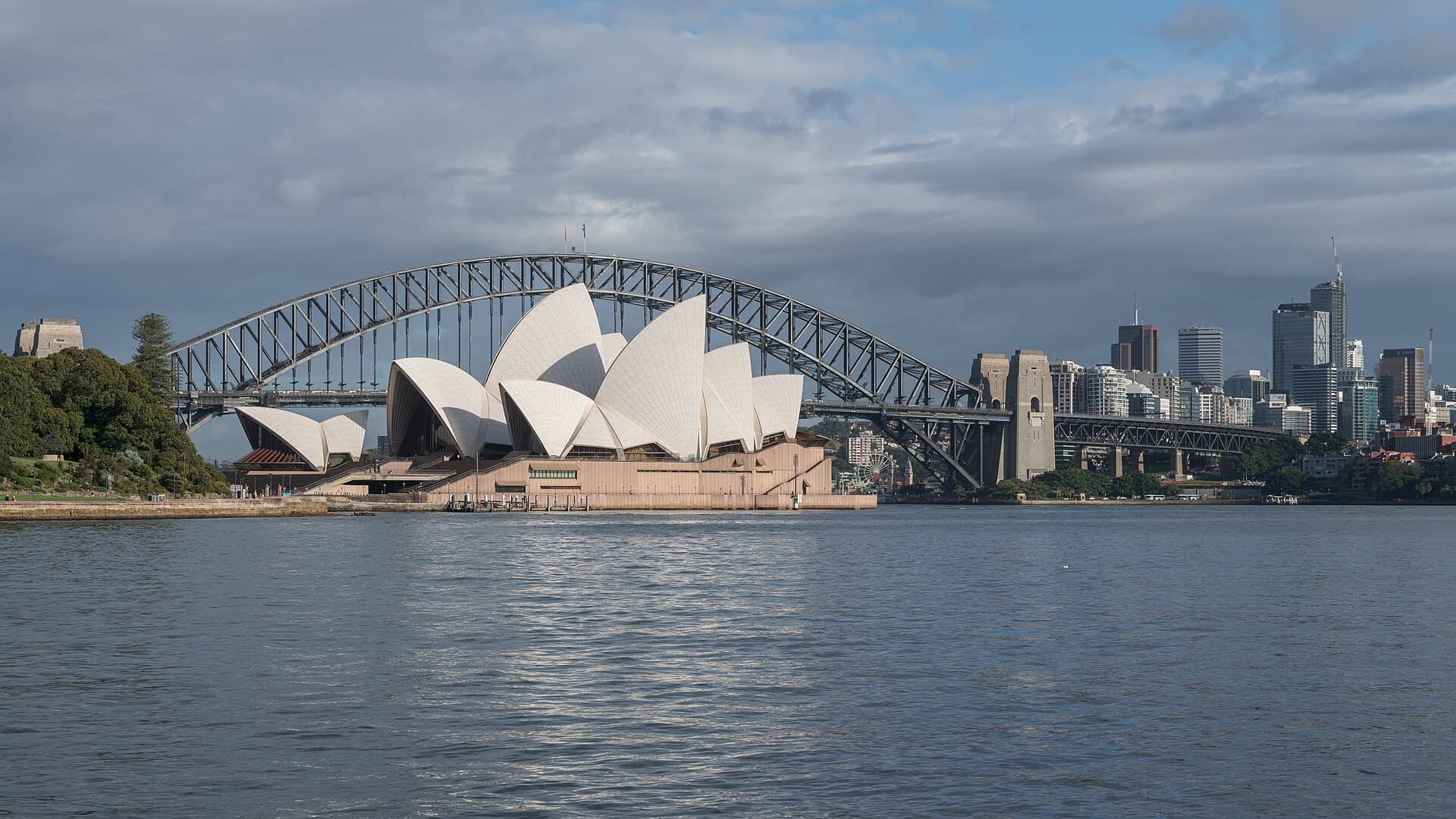
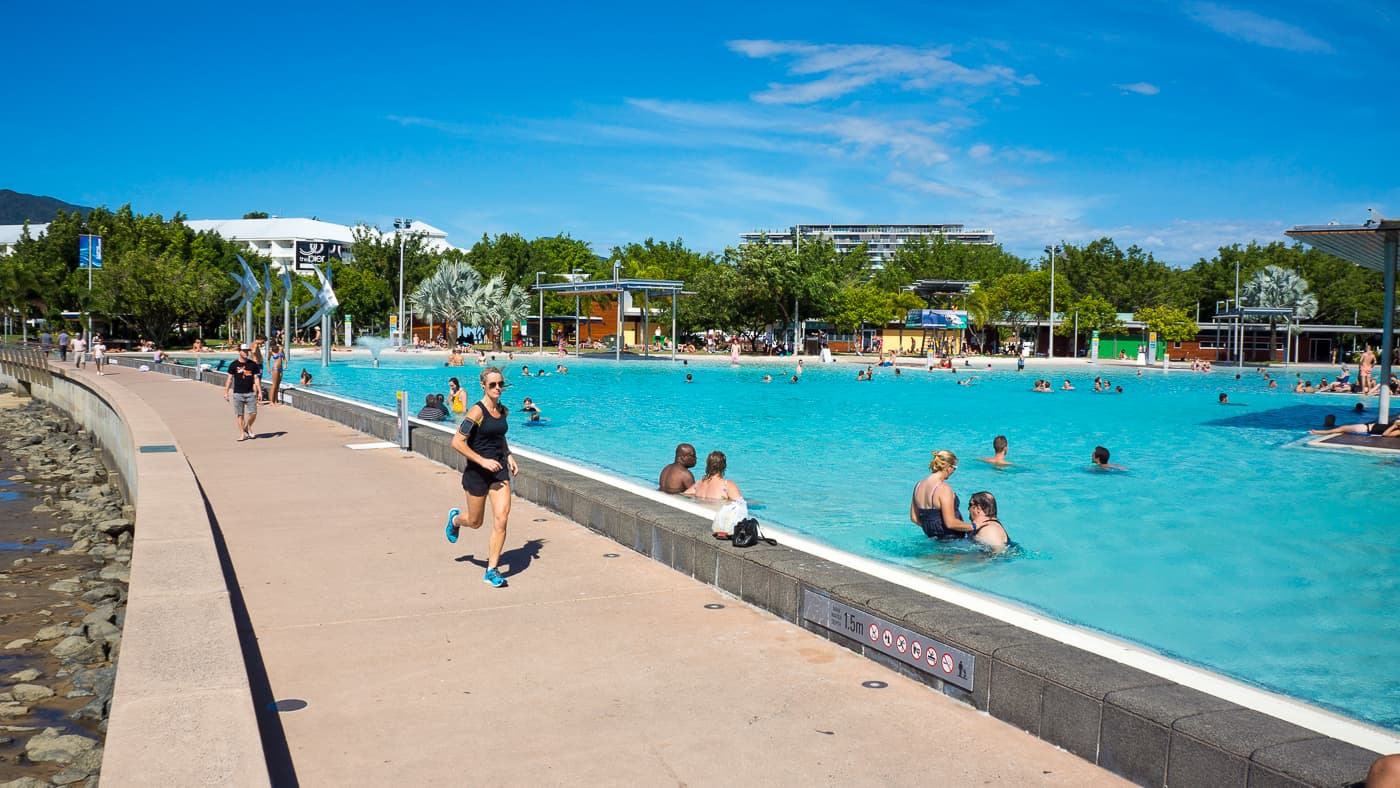
Sydney and Melbourne on the east coast, the Great Barrier Reef at Cairns, the sacred Uluru monolith in the heart of the red Outback, wild Tasmania — Australia is the great signature destination, 22 hours of flying offset by total escape and unmatched nature.
- Capital
- Canberra
- Currency
- Dollar australien (AUD)
- Languages
- Anglais (australien)
- Budget
- Mid-to-high — around €130/day/person; international flight Paris-Sydney €1,100-2,500 return
Australia at a glance
Australia is the world's 6th largest country by area (7,692,024 km², 14 times mainland France) but has only 26 million inhabitants — concentrated over 85% on the east and south-east coasts around Sydney, Melbourne, Brisbane, Adelaide and Perth. This extremely low population density (3.4 inhabitants/km²) creates a unique country, where ultra-modern cities sit beside an immense quasi-desert interior — the legendary red Outback covering two thirds of the territory.
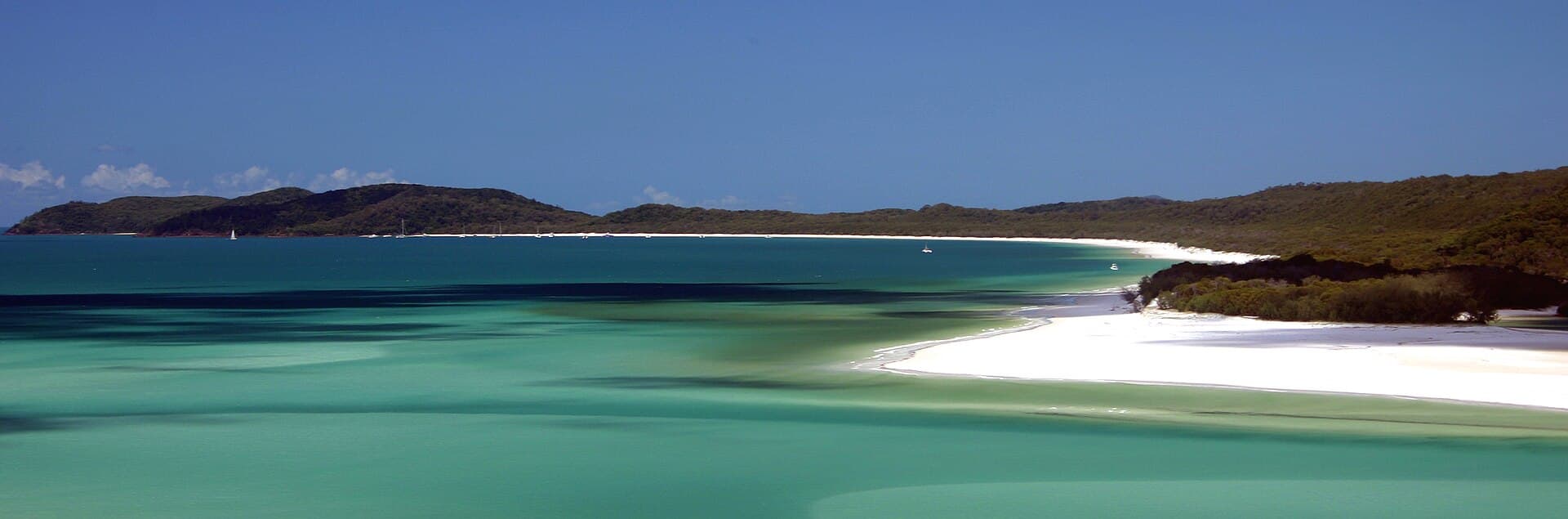
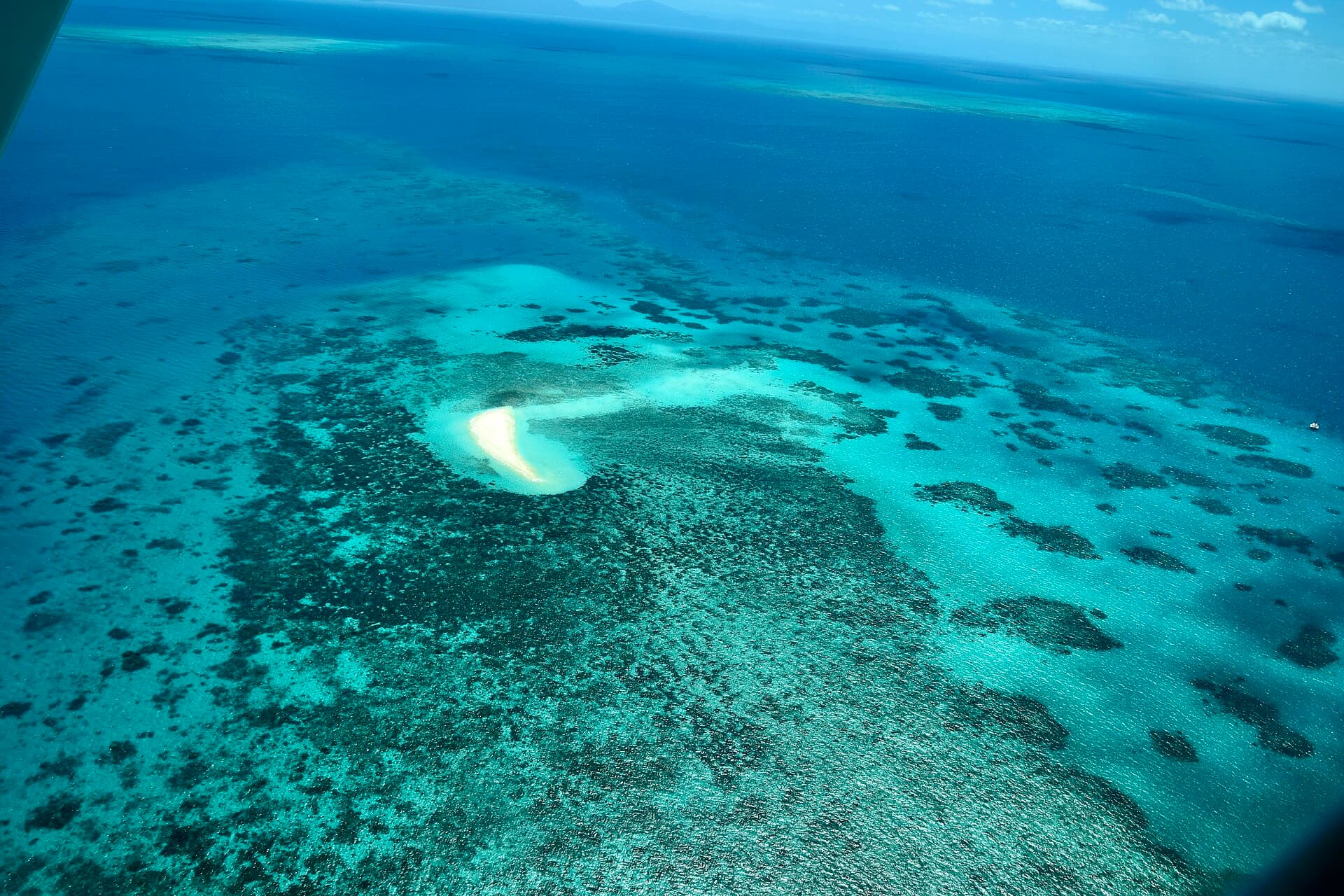
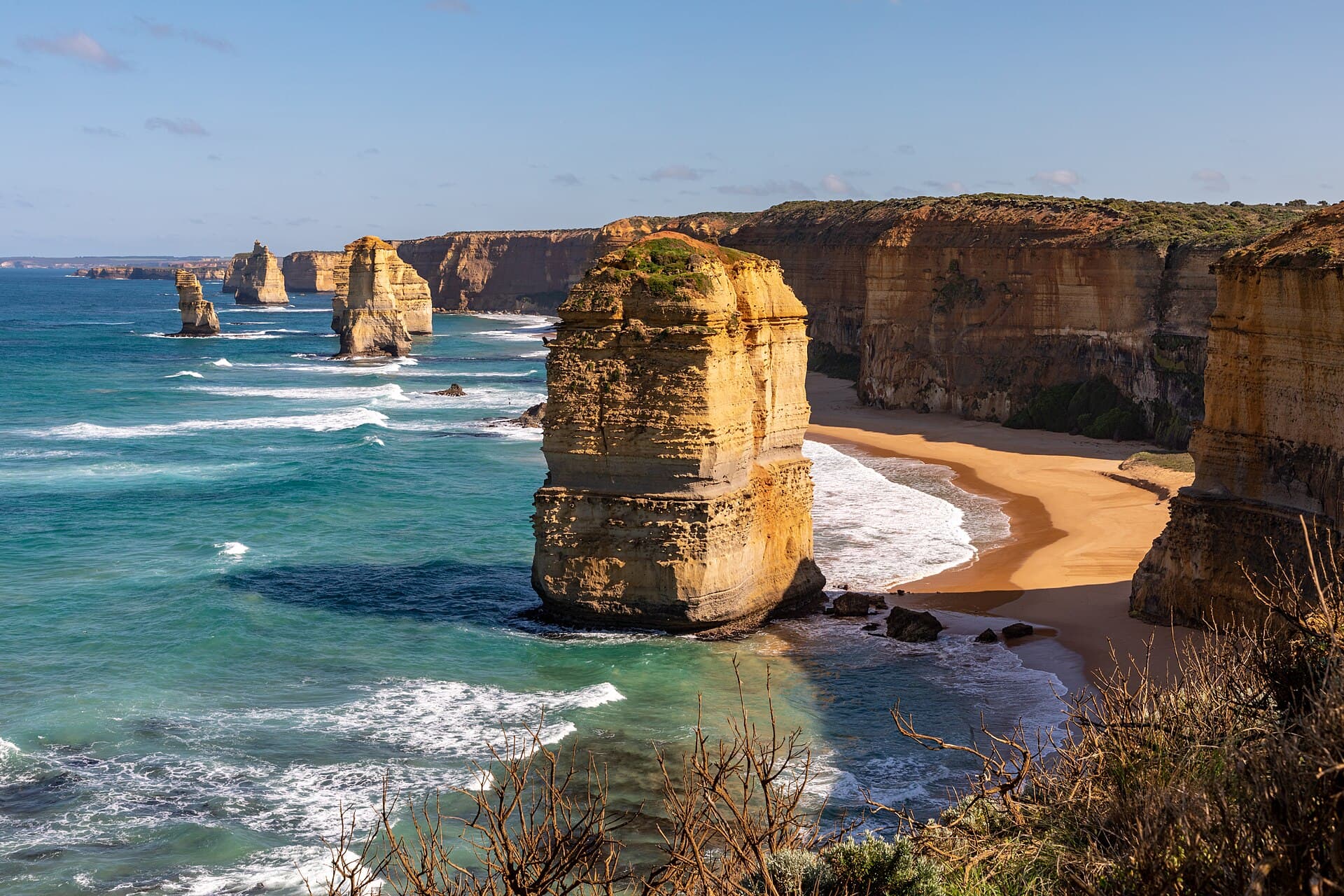
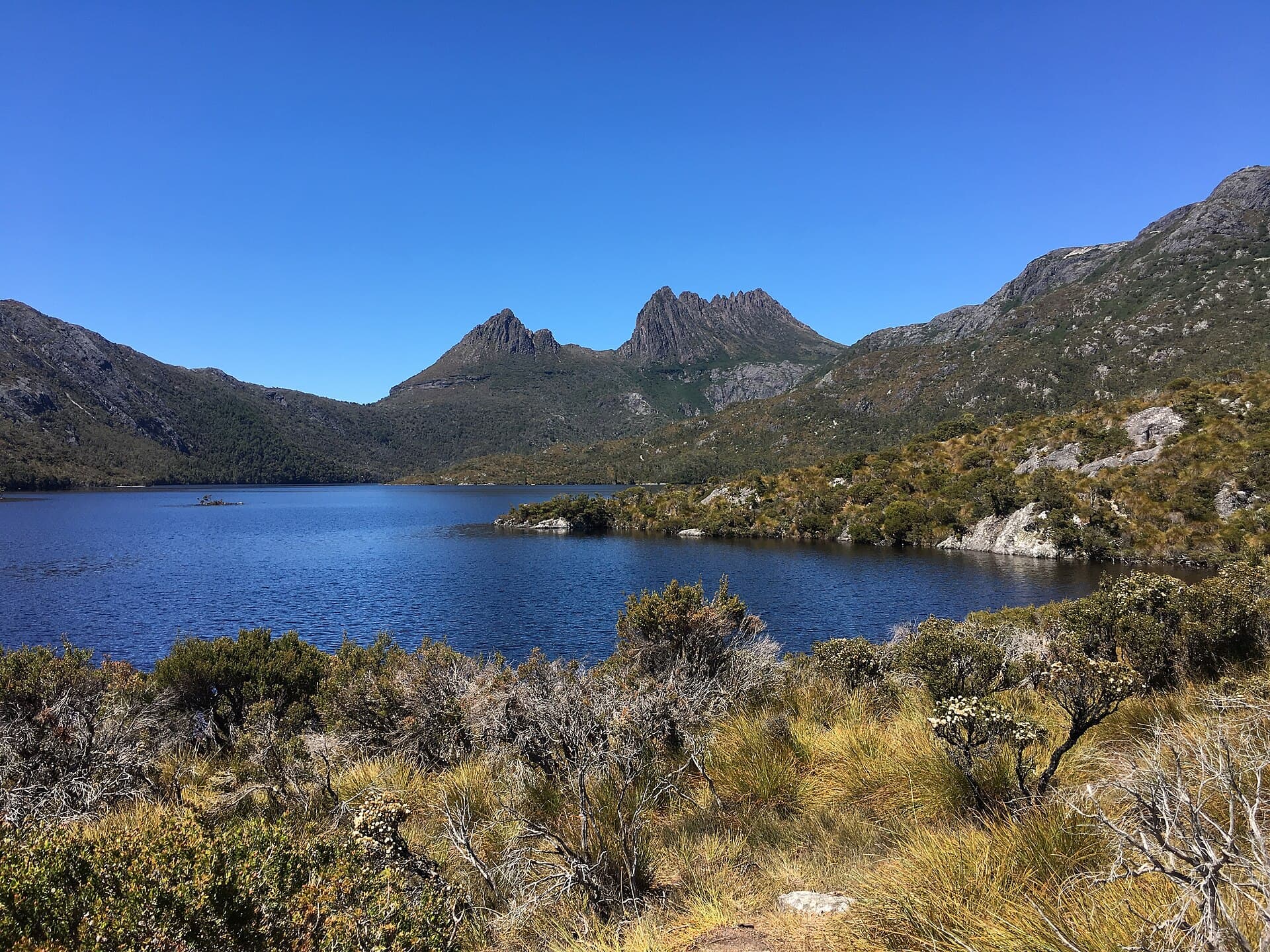
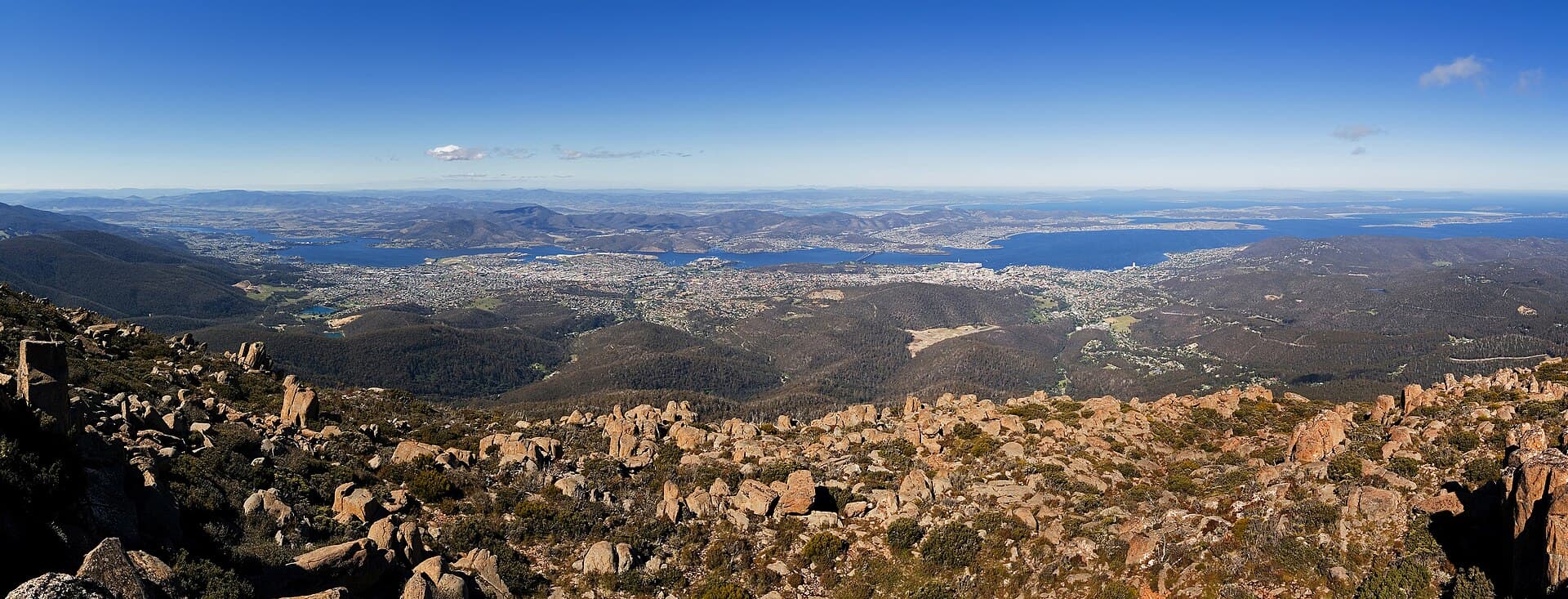
Geographically, Australia is a continent in itself (the largest island, the smallest continent). Its landscape diversity is extraordinary: iconic east coast beaches (Bondi, Surfers Paradise, Whitehaven), the world's largest coral reef (Great Barrier Reef, 2,300 km long, UNESCO 1981), Queensland's tropical rainforests (Daintree Rainforest, UNESCO), red deserts of the Centre (Uluru, Kings Canyon, MacDonnell Ranges), alpine mountains (Snowy Mountains, Victorian Alps with winter skiing), wild Tasmanian island (40% nature reserves), western coastline (Ningaloo Reef, Karijini National Park). Each region delivers a radically different experience.
Australian wildlife is among the most unique in the world — the result of 80 million years of isolated evolution since the breakup of Gondwana. Endemic marsupials (kangaroos — 50 million wild individuals, twice the human population, koalas threatened by habitat loss, wombats, Tasmanian devils), unique monotremes (platypus, echidna), spectacular birds (cockatoos, kookaburras, emu — on the national coat of arms), reptiles (saltwater crocodiles of the Top End, some of the world's most venomous snakes), extraordinary marine life (rays, sharks, humpback whales, dugongs, lethal box jellyfish in tropical waters). Australia is also among the ecosystems most threatened by climate change — the Great Barrier Reef has suffered severe bleaching episodes (2016, 2017, 2020, 2022, 2024).
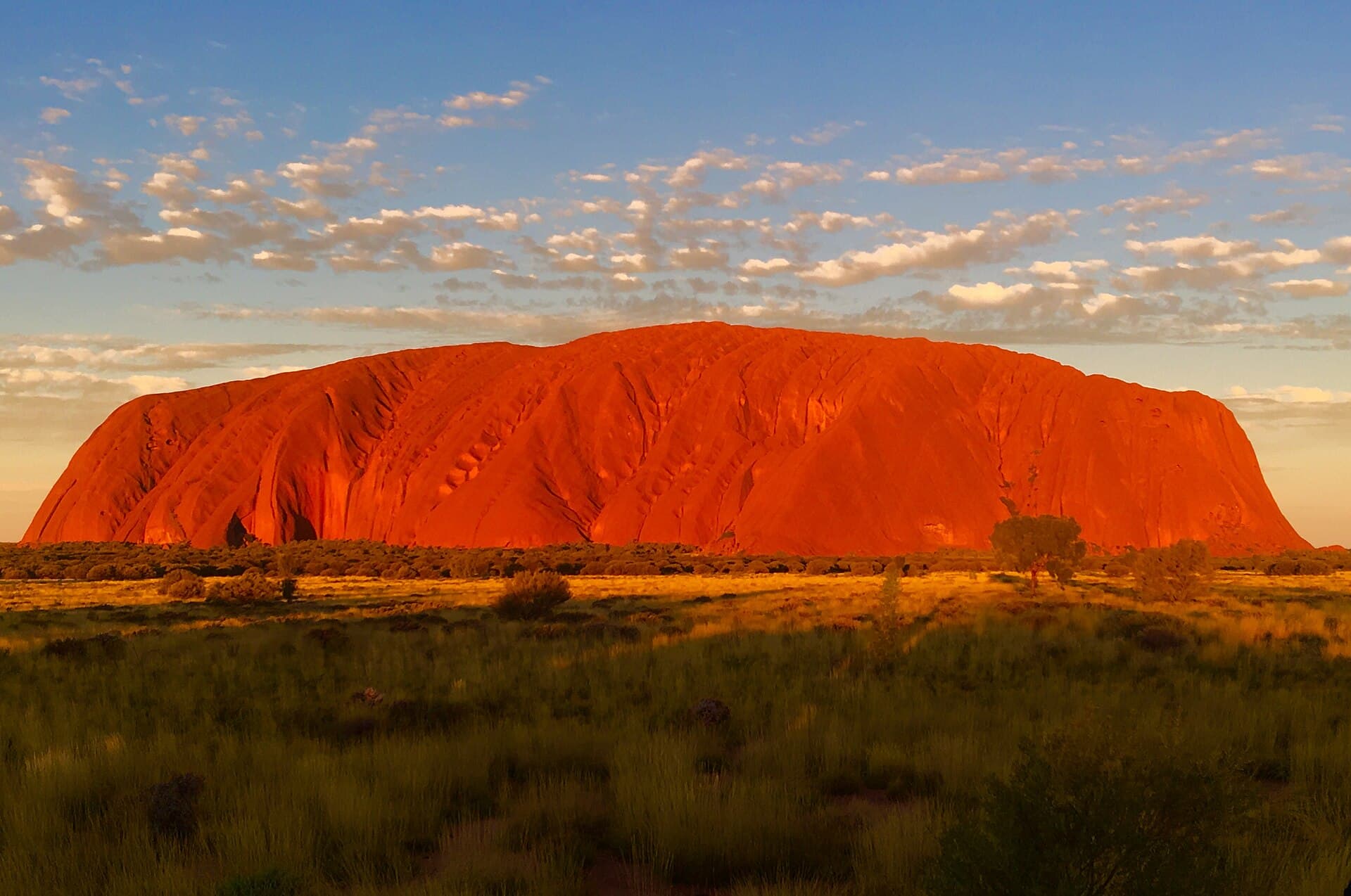
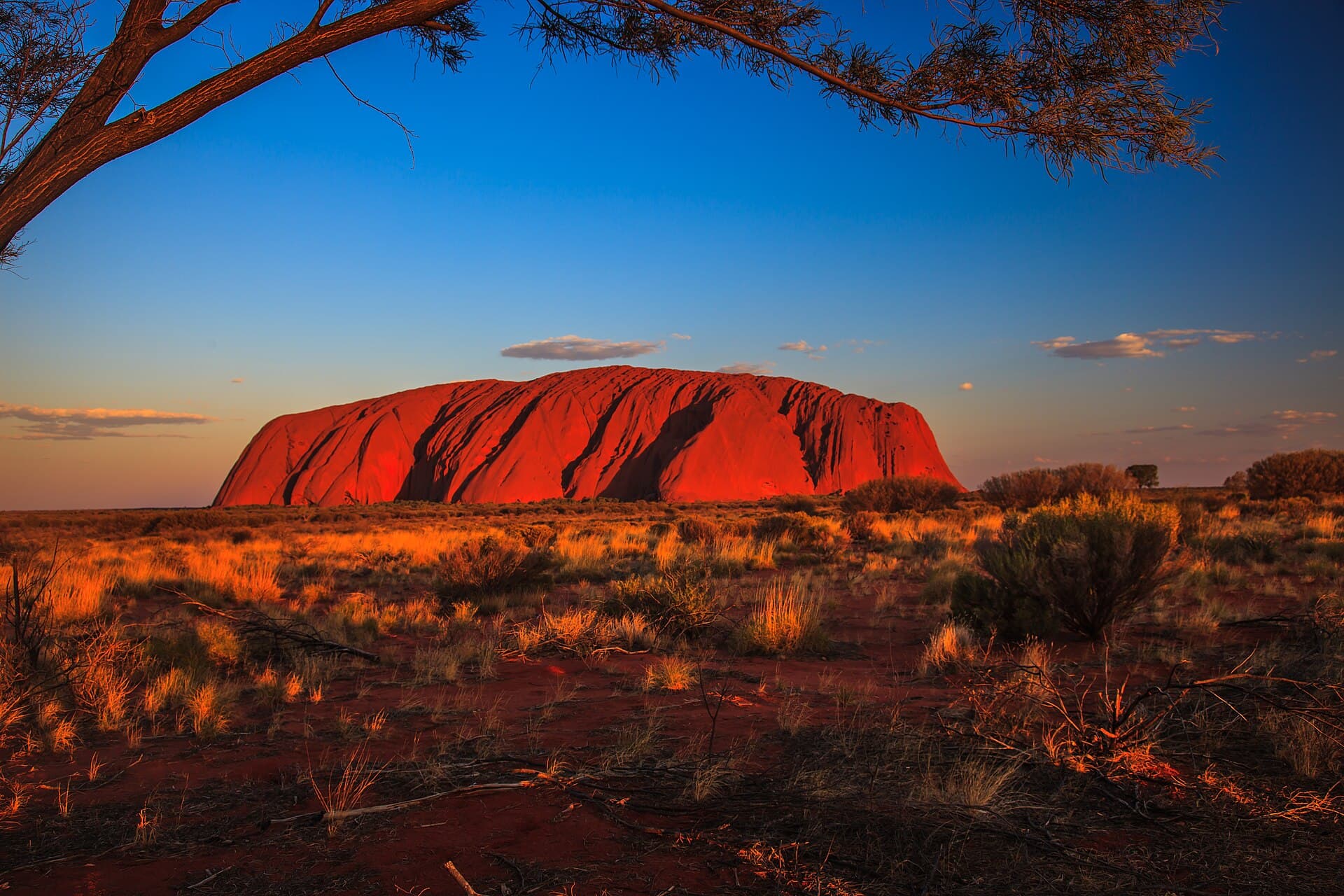
Aboriginal culture is the oldest continuous human culture in the world — Australia's First Nations (Aboriginals and Torres Strait Islanders) have been present on the continent for more than 65,000 years, ten times longer than Egyptian or Mesopotamian civilisations. This culture, long crushed by British colonisation (1788) and forced assimilation policies (Stolen Generations), is now gaining growing recognition: Uluru (Ayers Rock) officially returned to the Anangu people in 1985 and closed to climbing in 2019 out of respect for its sacredness, Aboriginal contemporary art celebrated worldwide, indigenous languages (more than 250 distinct languages at colonisation, about 120 still spoken) taught in some schools. Travellers can explore this culture via cultural centres in Alice Springs, Cairns, Uluru and many Aboriginal-led guided experiences.
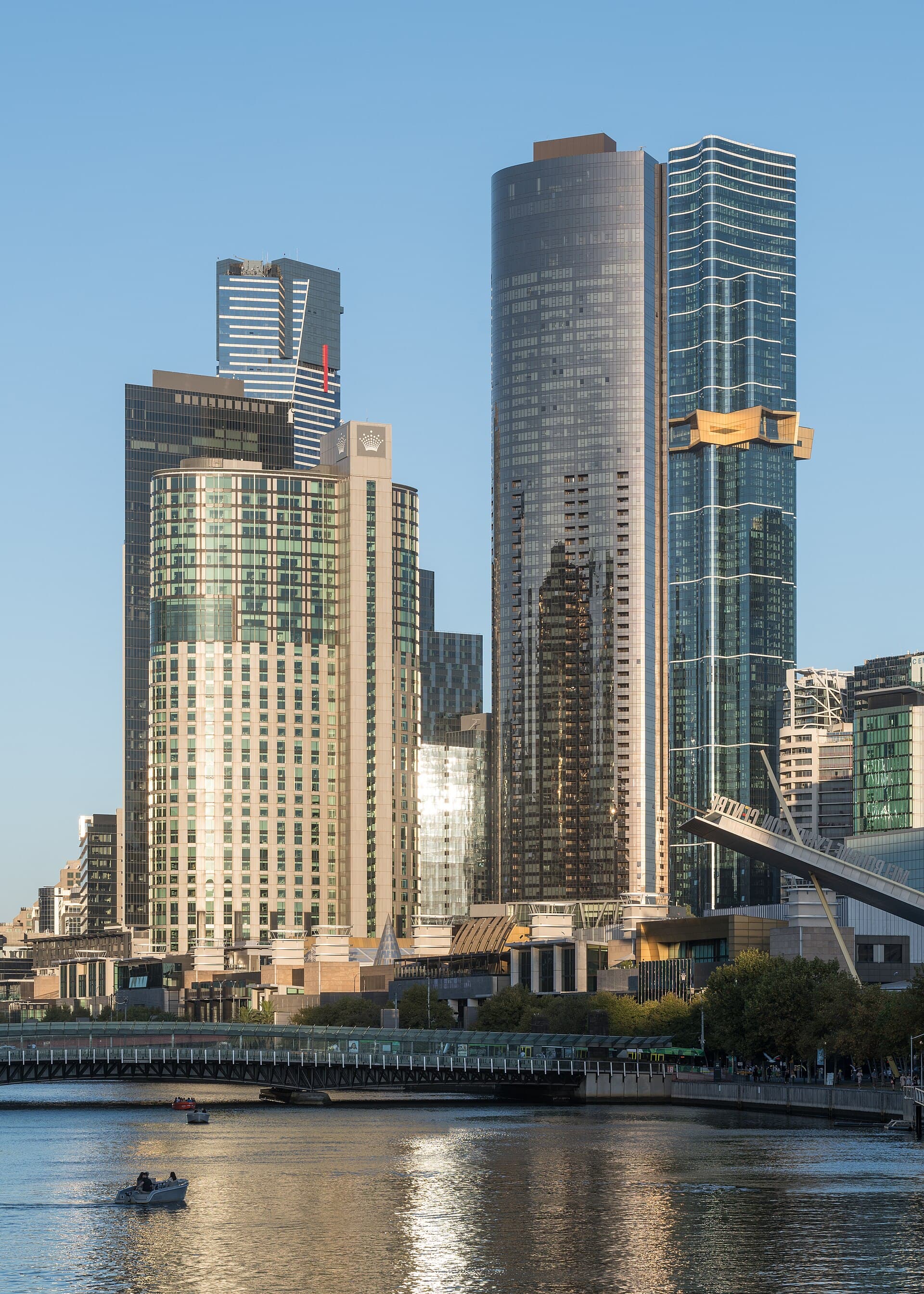
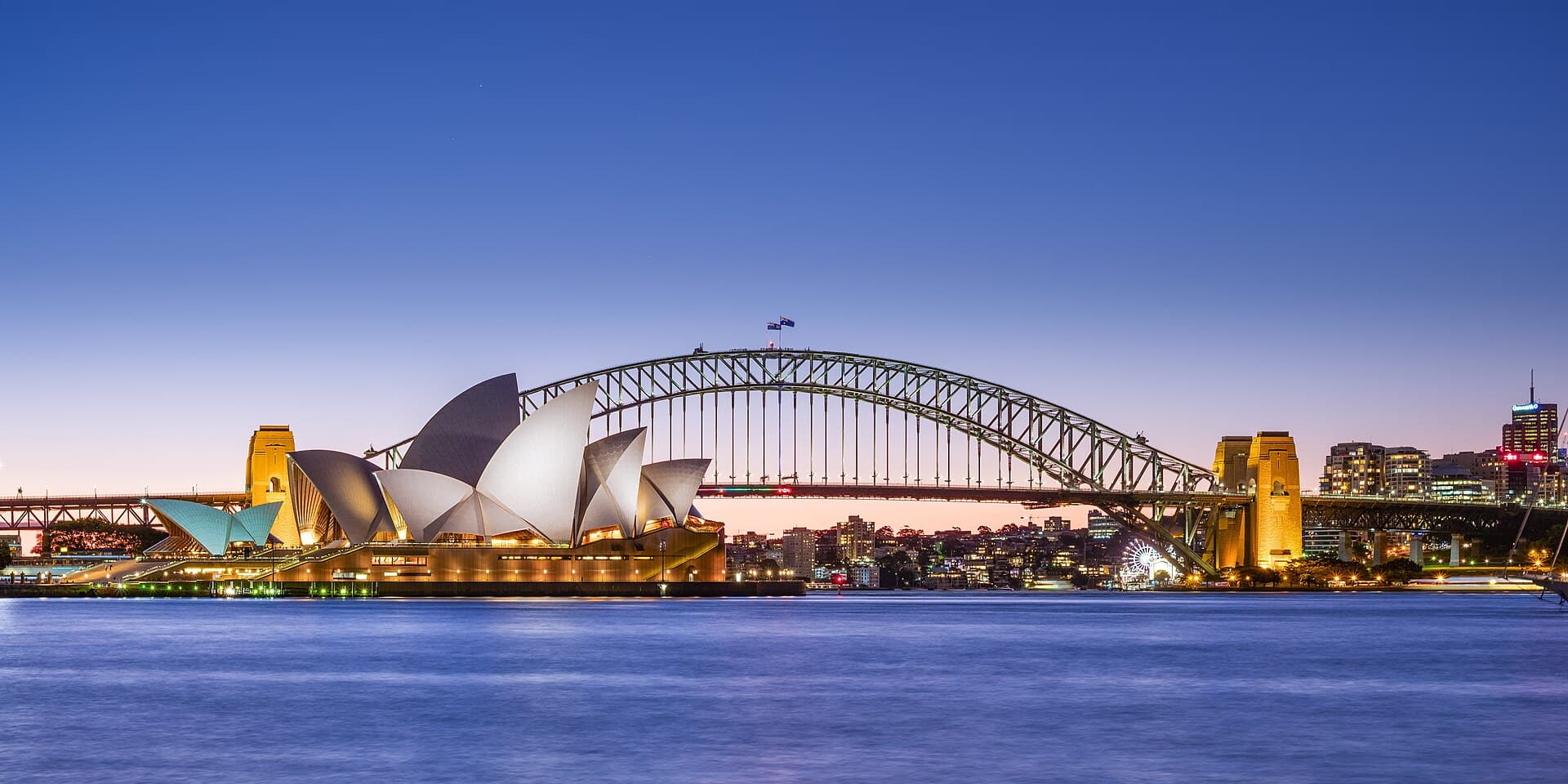
Contemporary Australian culture is a singular blend of British heritage (political system, language, left-hand driving, constitutional monarchy with Charles III as head of state), American influence (consumerism, surf, BBQ, weekend culture) and intense multiculturalism (25% of the population born abroad, very visible Italian, Greek, Chinese, Vietnamese, Lebanese, Indian communities in Sydney and Melbourne). The Australian way of life — relaxed, sporty, outdoors-oriented, attached to beach culture — instantly appeals to European travellers. Gastronomy has evolved from a British fish & chips heritage to high-level contemporary fusion cuisine, particularly in Melbourne (rivalling world capital gastronomies) and Sydney, and around the exceptional wines of Hunter Valley (Sémillon, Shiraz), Barossa Valley (Shiraz), Margaret River (Cabernet, Chardonnay).
What we love
- ✅World's 6th largest country: extraordinary landscape diversity, from desert to rainforest via turquoise sea
- ✅Unique wildlife (kangaroos, koalas, platypus) and fascinating endemic flora
- ✅Great Barrier Reef (UNESCO 1981): the world's largest coral reef, world-class diving and snorkelling
- ✅World's oldest culture: 65,000-year Aboriginal heritage and sacred Uluru accessible with respect
- ✅Exceptional safety, Western-standard infrastructure, English easy to practise
What to know
- ❌22-24 hours of flying from Paris (via Singapore or Dubai) — very long and tiring journey
- ❌Mid-to-high budget: €130/day/person comfort level, €200-300/day signature, plus €1,100-2,500 flight
- ❌Immense internal distances: Sydney-Perth equals Paris-Tehran, demanding logistical planning
- ❌Reversed seasons (southern hemisphere) — summer December to February, winter June to August
- ❌Great Barrier Reef threatened by warming (bleaching 2016, 2020, 2022, 2024)
Explore Australia
Our itineraries
Regions
Popular spots
Situation
Où se situe Australia ?
Ouvrir la carte en grand sur OpenStreetMap →Frequently asked questions
Do you need a visa to visit Australia?+
How long is the flight Paris-Sydney?+
When is the best time to visit Australia?+
How many days for Australia?+
What budget for an Australian trip?+
What currency is used in Australia?+
What are the must-see sites in Australia?+
Our verdict
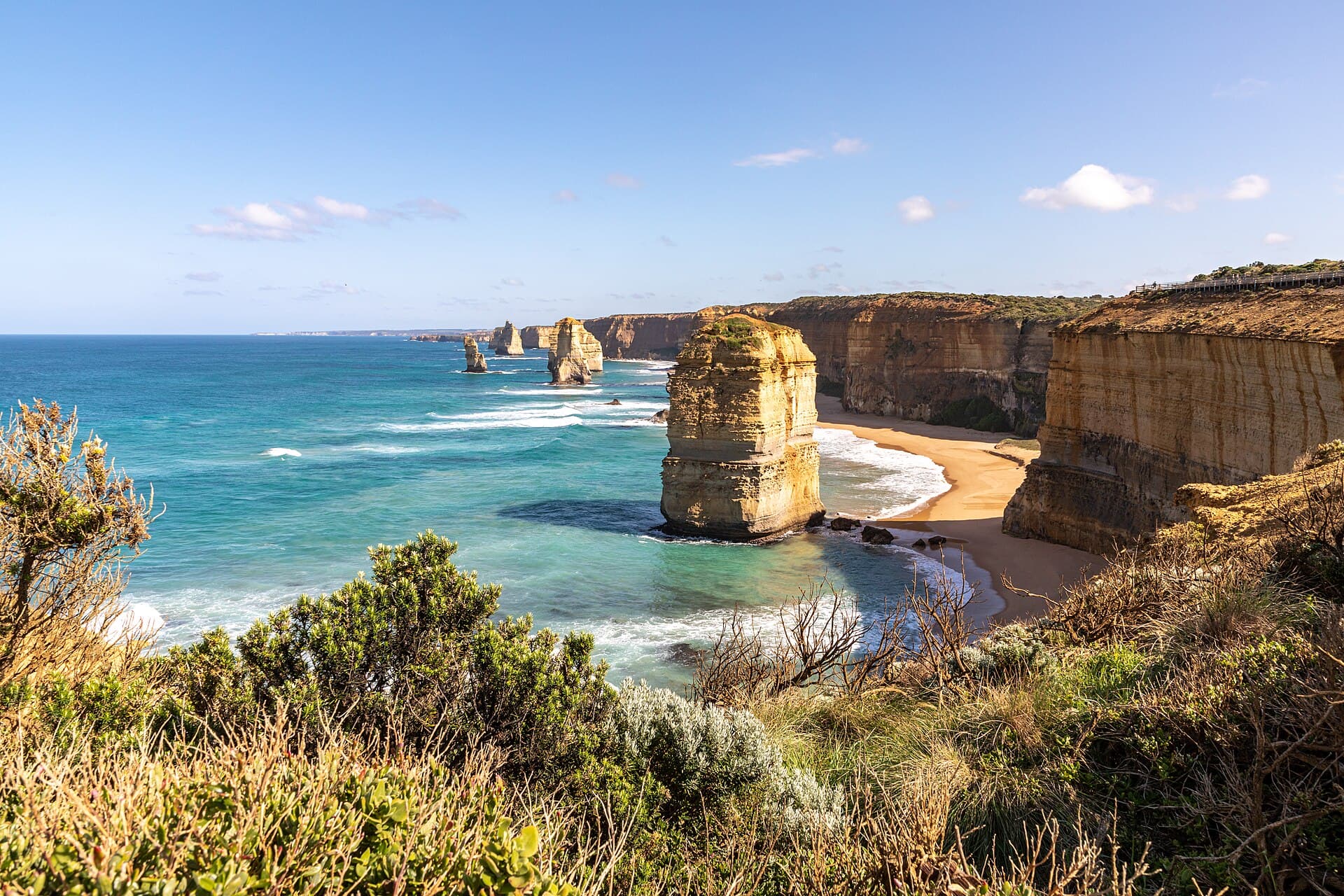
Australia is one of the greatest signature trips a European can undertake. The world's 6th largest country offers unmatched landscape diversity — iconic east coast beaches, UNESCO Great Barrier Reef (1981), red Outback dominated by sacred Uluru, wild Tasmania, unique wildlife, 65,000-year Aboriginal culture, ultra-modern cities Sydney and Melbourne. The trade-off is clear: 22-24 hours of flying from Paris (via Singapore or Dubai), a mid-to-high budget (€130/day minimum on site, plus €1,100-2,500 return flight), and immense internal distances requiring careful logistical planning. For these reasons, plan at least 3 weeks on the ground to make the trip worthwhile — ideally 4-6 weeks for a real discovery. Our signature formula: Sydney and east coast (5 days), Cairns and Great Barrier Reef (5 days), Uluru and Outback (4 days), Melbourne and Great Ocean Road (4 days), Tasmania optional (5 days). Prioritise austral spring (September to November) or austral autumn (March to May) for balanced climate across the whole territory — austral summer (December to February) makes the Outback inaccessible, austral winter (June to August) cools the south-east.
Similar destinations

Expert on Australia · 1 contributions
 South-East Asia Desk — Mowando·Editor