Africa
Egypt
Cradle of civilisation, Egypt concentrates a density of archaeological sites (33 UNESCO sites, 5 millennia) unmatched anywhere on Earth.
- Capital
- Le Caire
- Currency
- Livre égyptienne (EGP)
- Languages
- Arabe
- Budget
- Mid-range travel from around €65/day/person; budget travellers manage on €30-45, comfort travel on €120-250
Egypt at a glance
Egypt is one of the world's oldest continuous civilisations — 5,000 years of written record, from the first pharaonic dynasty (3100 BC) to today's Arab Republic of Egypt. The country revolves around the Nile, the river that flows from Lake Victoria for 6,650 km (one of the world's longest, alongside the Amazon) and irrigates a narrow green ribbon — 5% of the territory — where 95% of Egypt's 110 million people live. The rest is desert: the Libyan Desert to the west (oases of Siwa, Bahariya, Farafra, Dakhla, Kharga), the Arabian Desert to the east towards the Red Sea, and the Sinai Peninsula between the Mediterranean and Red Sea.
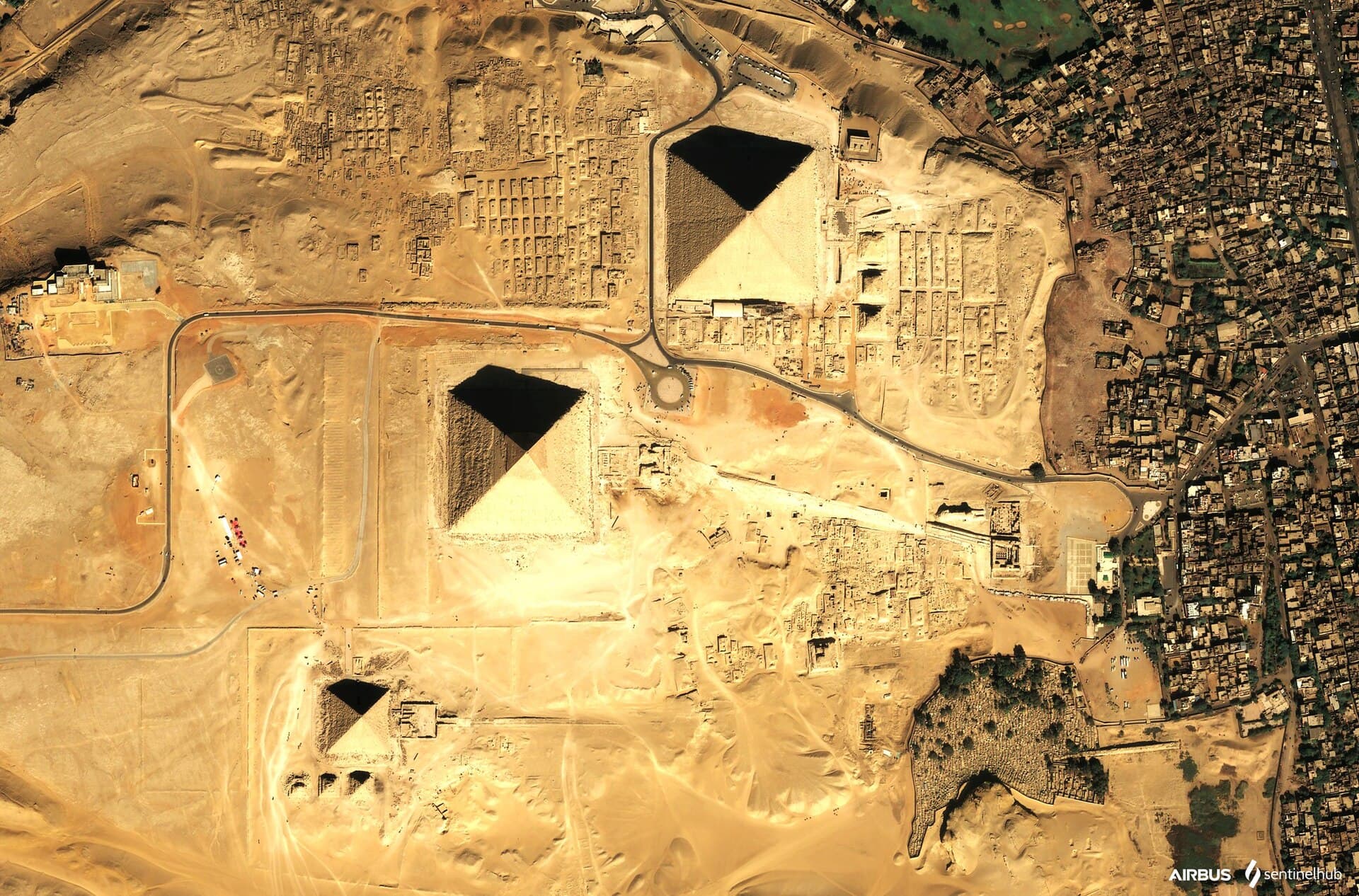
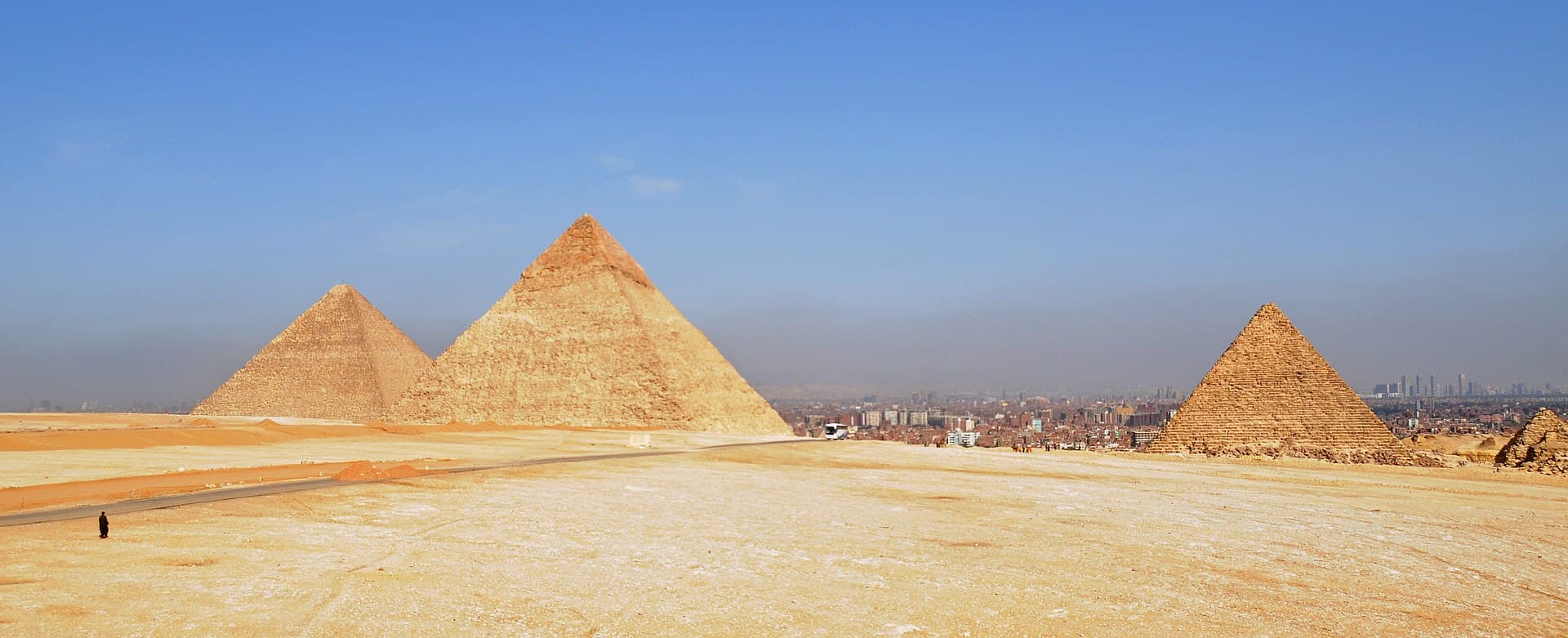
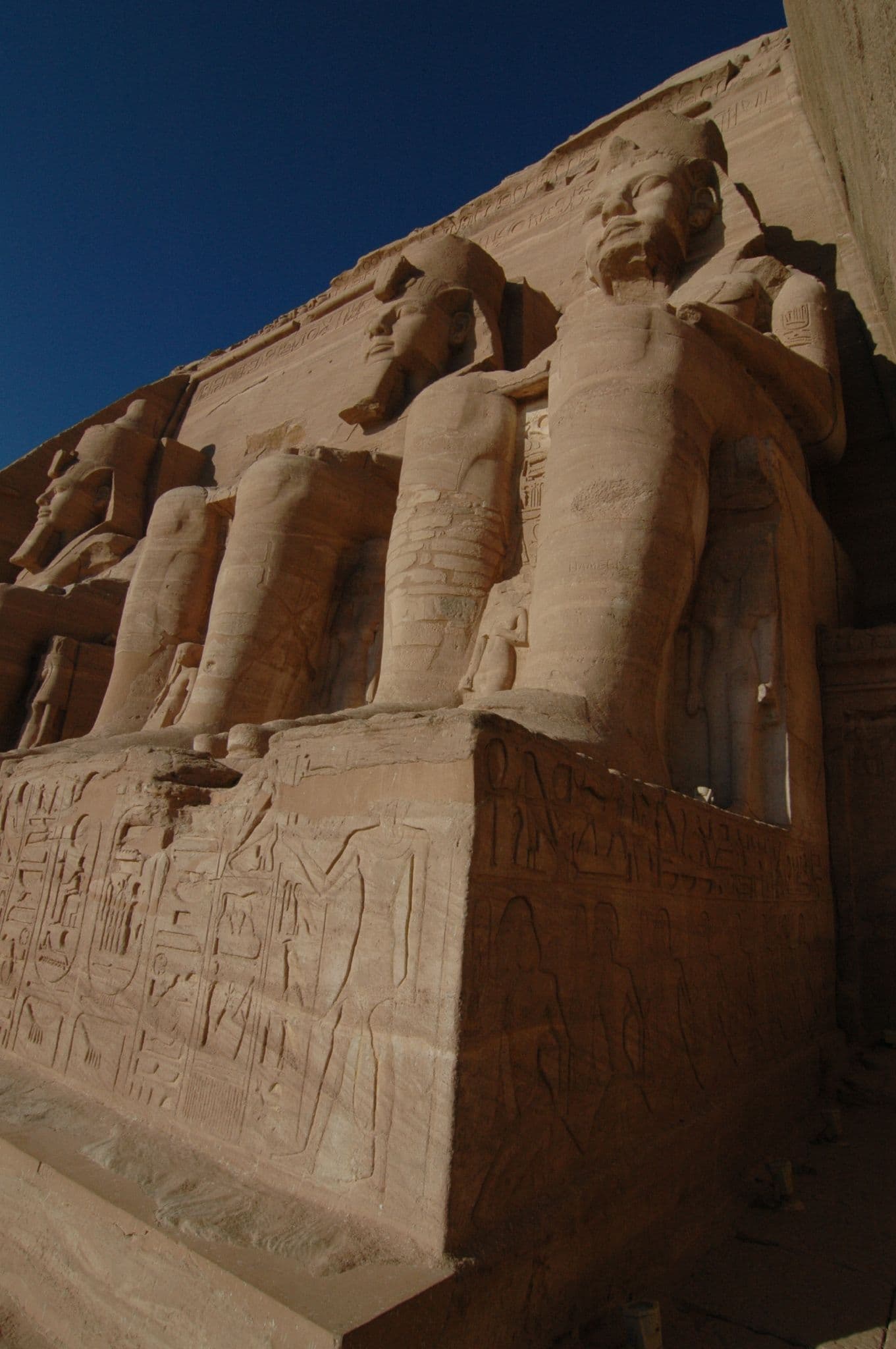
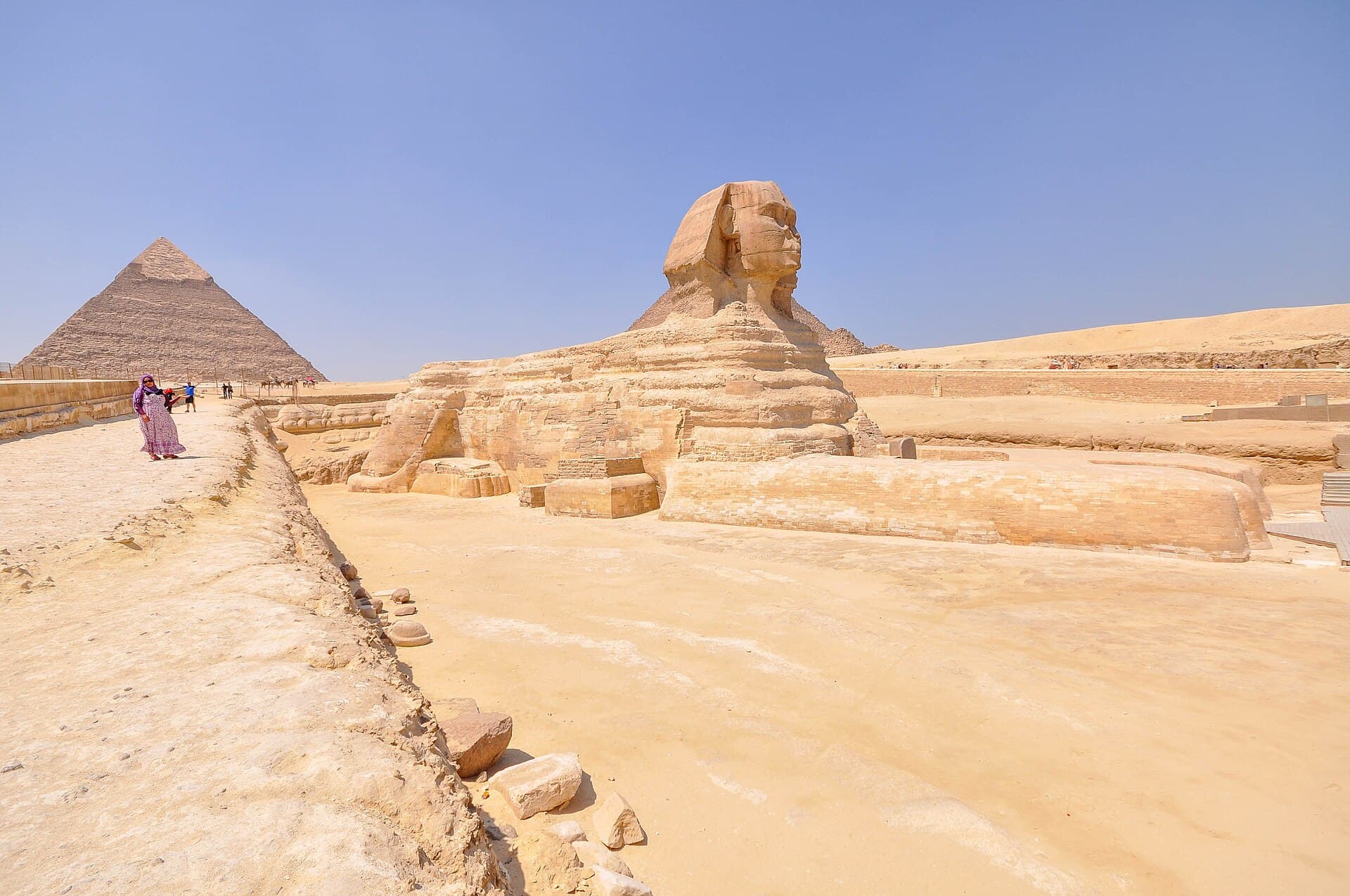
The Nile Valley unrolls an archaeological heritage of unique global density. Cairo and its 22-million-person metro area concentrate the Giza plateau (pyramids of Khufu, Khafre, Menkaure and the Sphinx) and the brand-new Grand Egyptian Museum (GEM, opened in 2024 after 20 years of construction), which finally reunites the 100,000 most important pieces, including Tutankhamun's complete treasure. Luxor, ancient Thebes, holds the Valley of the Kings (62 pharaonic tombs including Tutankhamun's, discovered intact in 1922) and the colossal temples of Karnak and Luxor. Aswan marks the southern edge of ancient Egypt, gateway to Abu Simbel (the two Ramses II temples saved from Lake Nasser's rising waters in the 1960s).
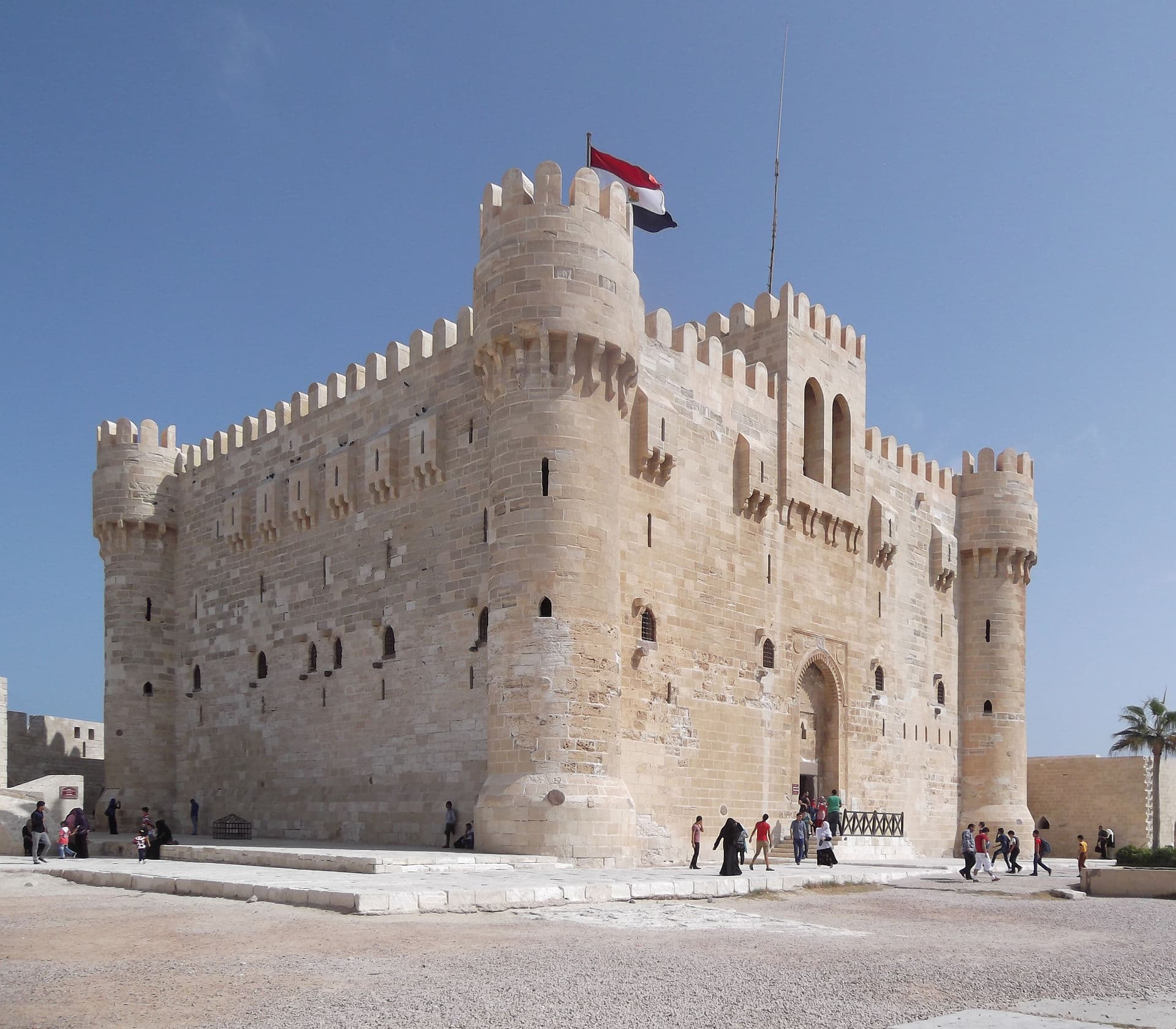
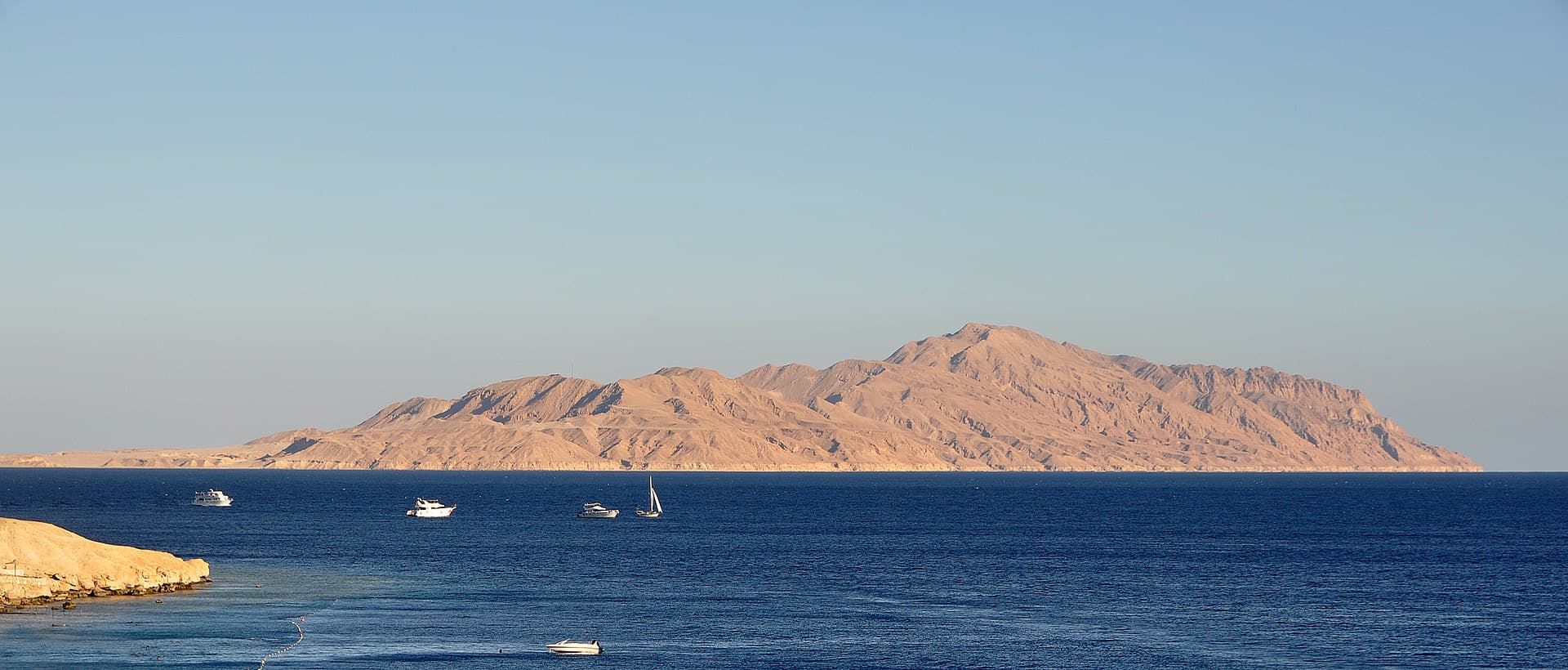
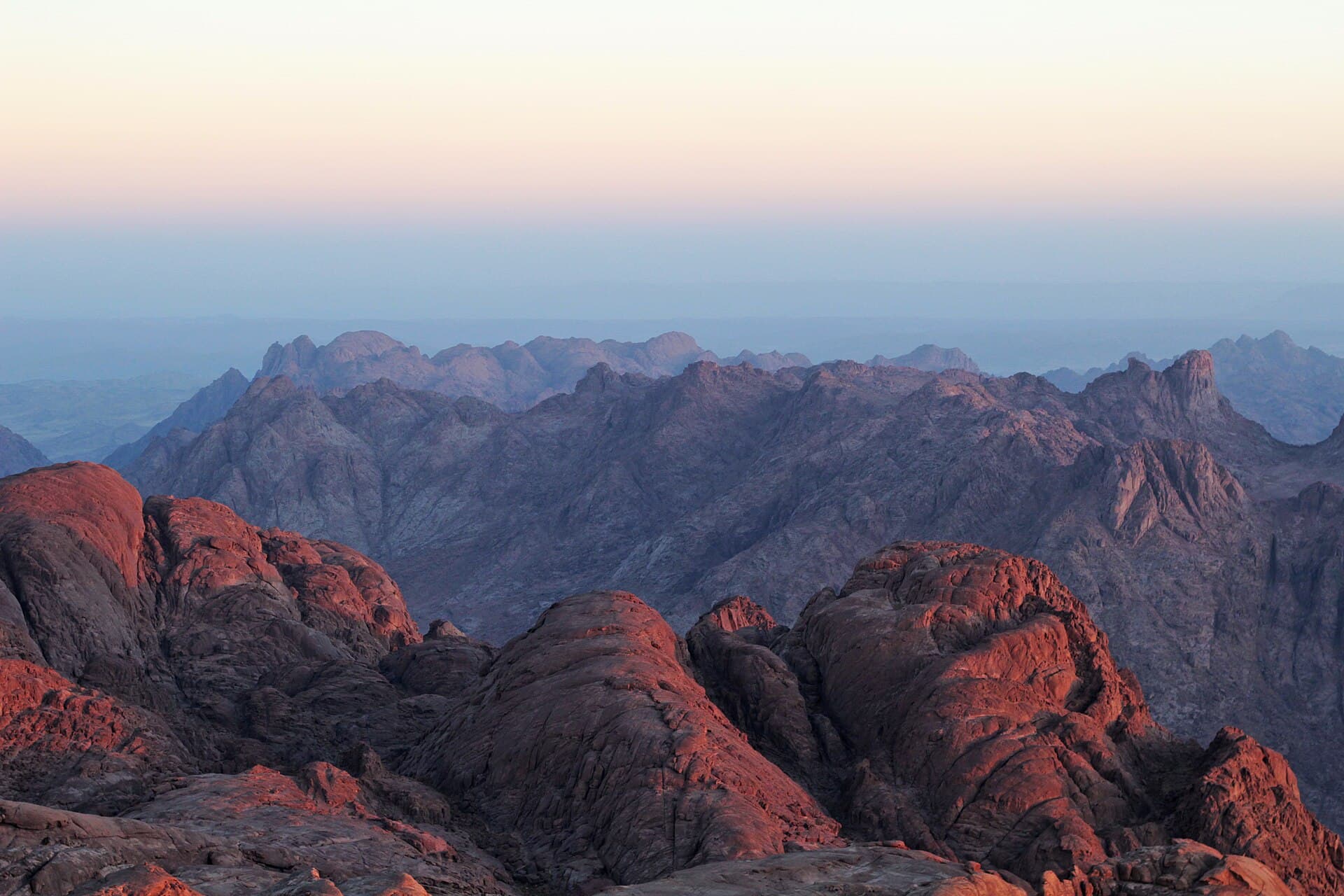
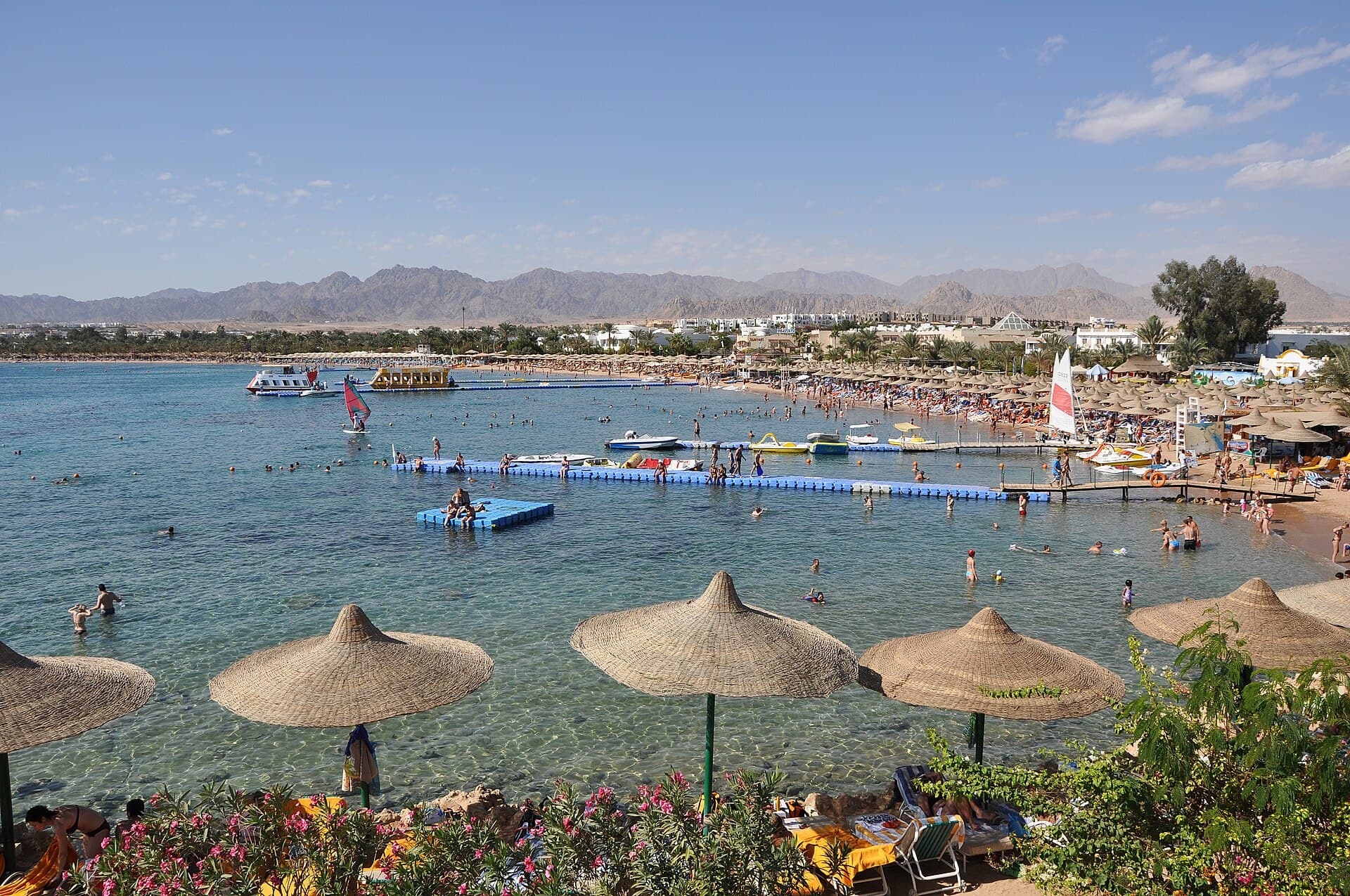
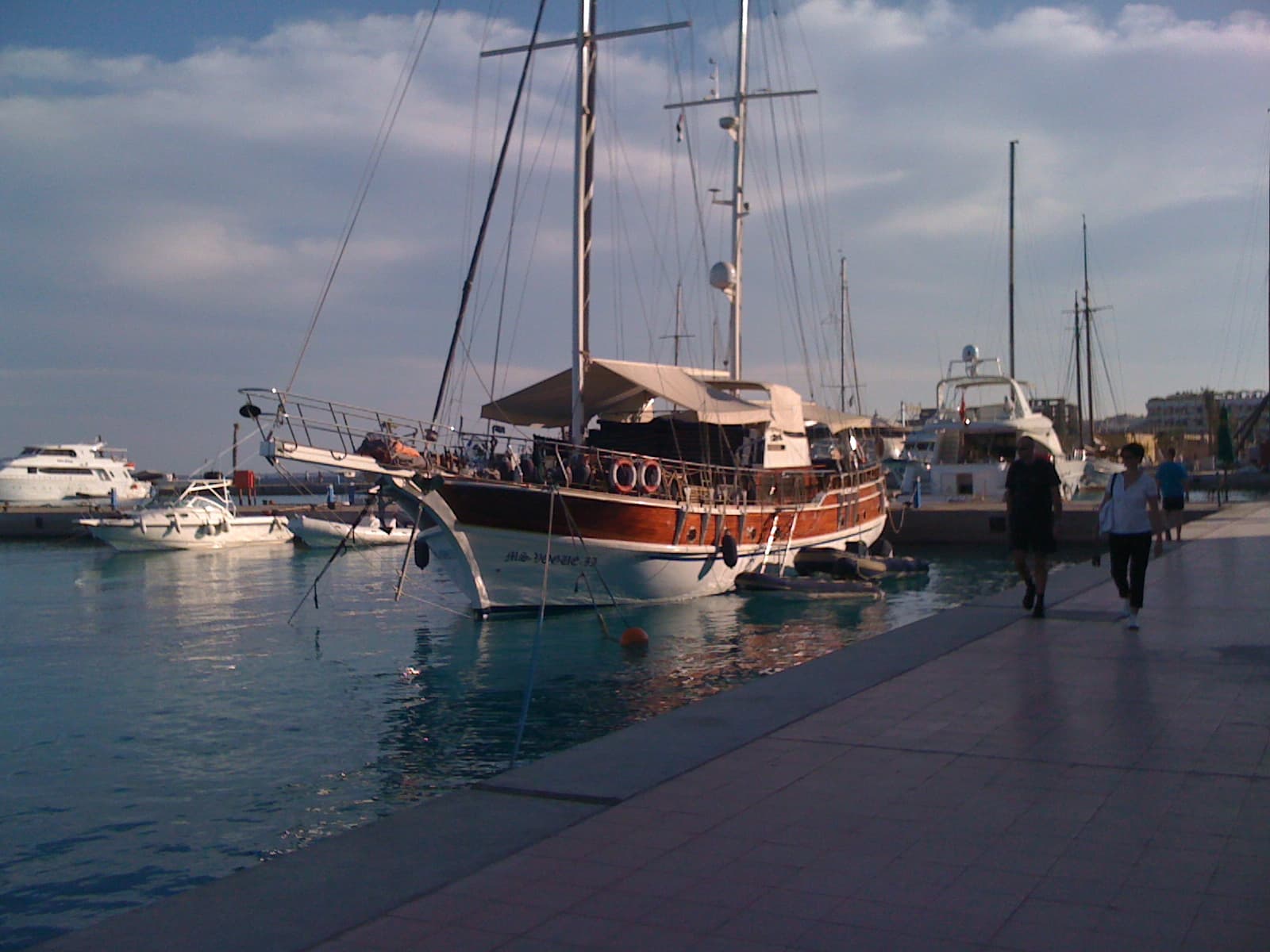
The Red Sea offers one of the world's top diving and snorkelling destinations — pristine coral reefs, 30 m visibility, water at 22-28 °C year-round, abundant marine life (reef sharks, dolphins, manta rays, dugongs). The resorts of Sharm el-Sheikh, Hurghada, Marsa Alam and Dahab welcome 6 million tourists a year. Mount Sinai and Saint Catherine's Monastery (UNESCO, the oldest continuously operating Christian monastery) add a unique spiritual dimension. The Mediterranean and cosmopolitan Alexandria round out a country of staggering diversity.
What we love
- ✅Unique archaeological density: 33 UNESCO sites, 5,000 years of continuous accessible history
- ✅Grand Egyptian Museum (GEM) opened 2024: the world's largest archaeological museum, full Tutankhamun treasure reunited
- ✅Exceptional Red Sea: world-class diving, water at 22-28 °C year-round, pristine coral reefs
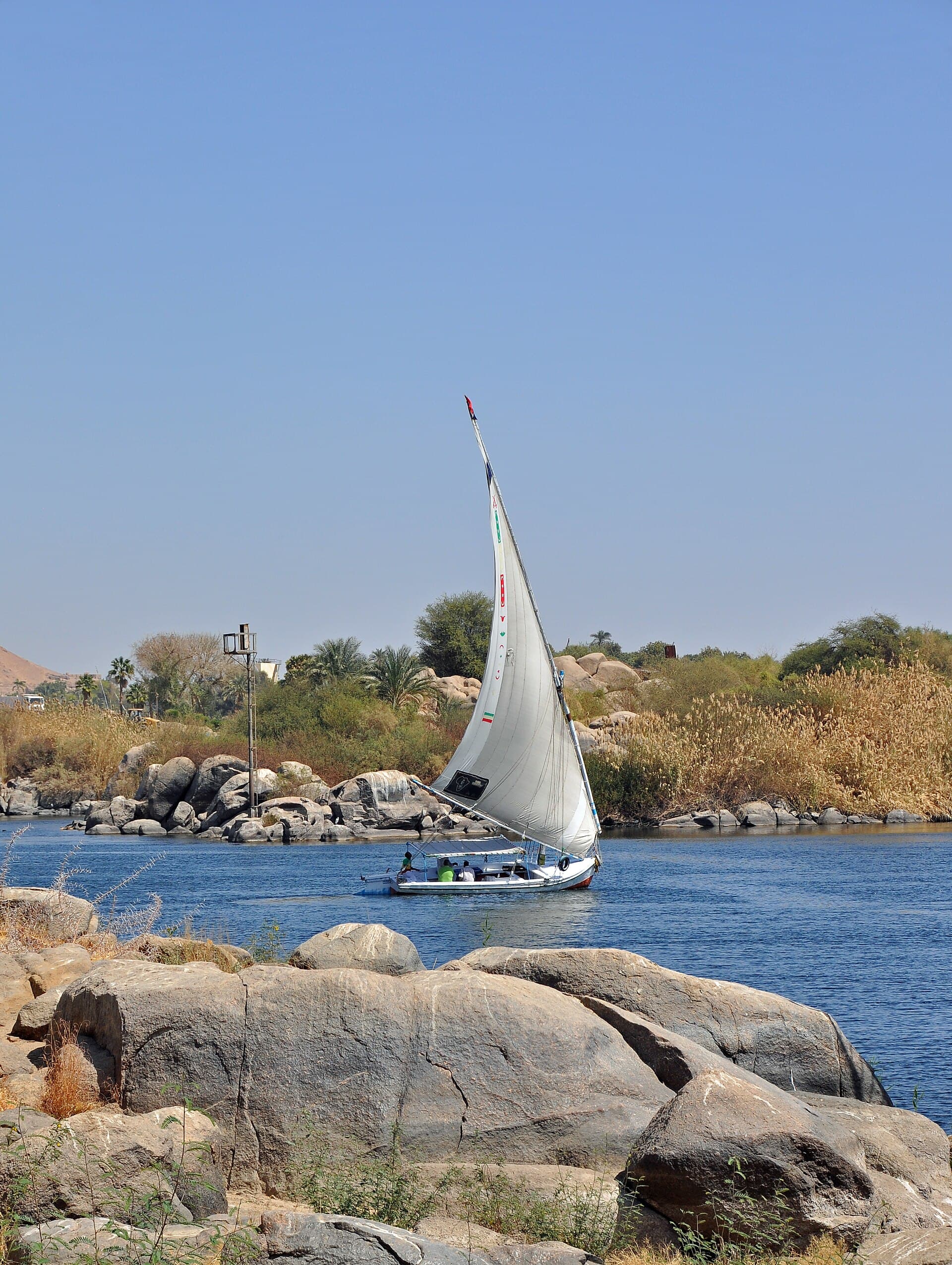
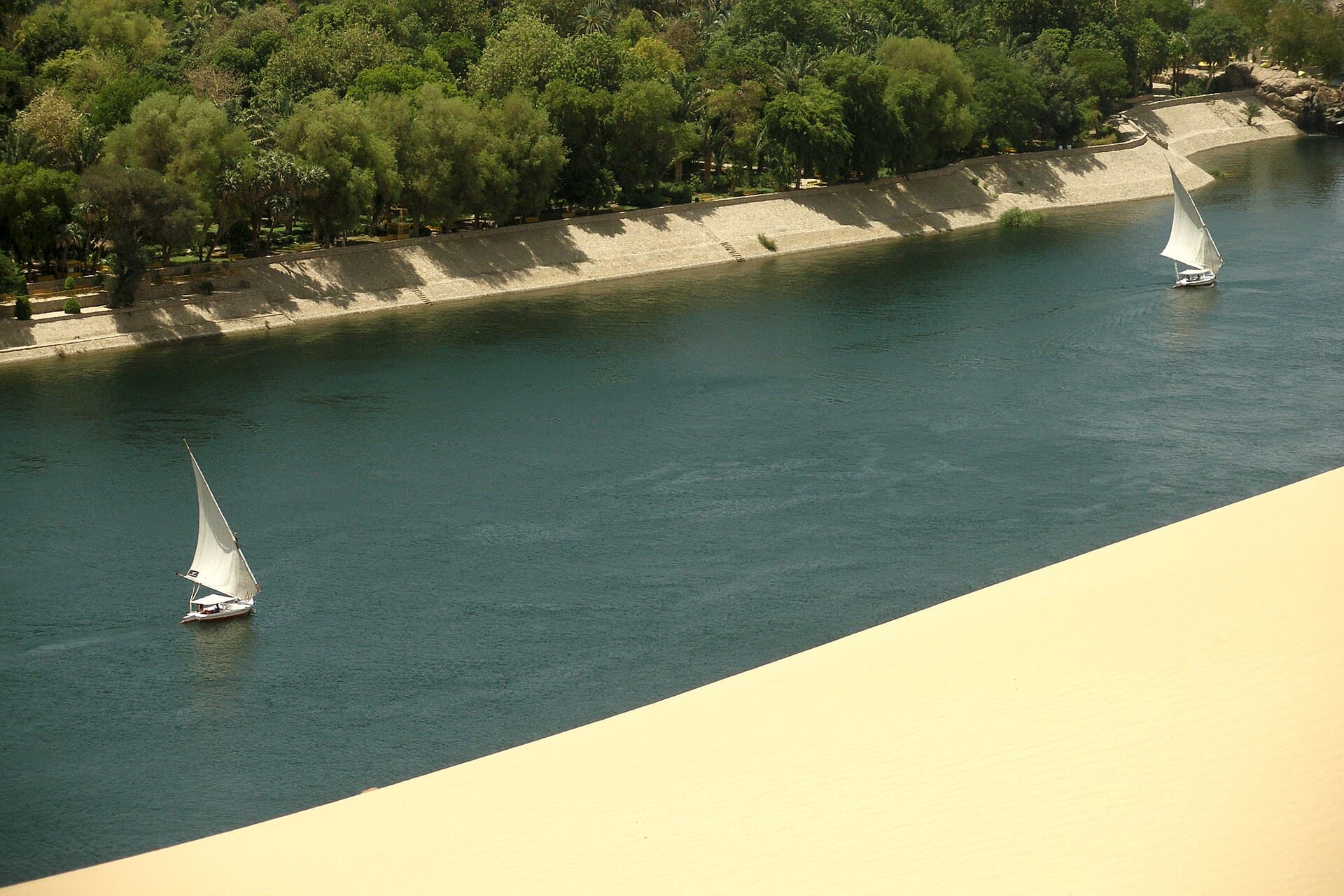
- ✅Nile cruise: iconic experience on traditional boats or dahabieh between Luxor and Aswan
- ✅Very affordable cost of living (deeply devalued Egyptian pound), excellent value for Europeans
What to know
- ❌Security vigilance required: North Sinai formally inadvisable, residual terrorism, escorts sometimes required
- ❌Widespread tourist scams: unmetered taxis, constant baksheesh, pushy vendors in Giza and Luxor
- ❌Cairo's monstrous pollution and traffic (22 million people, constant gridlock)
- ❌Extreme heat April to October in the Nile Valley (up to 48 °C in summer in Luxor)
Explore Egypt
Our itineraries
View all itineraries →8 days8 days Egypt: Cairo + Classic Nile Cruise (Luxor-Aswan)
A week to discover Egypt's essentials — 3 nights in Cairo (Giza Pyramids, Grand Egyptian Museum 2024, Old Cairo) + 4 nights cruising the Nile between Luxor and Aswan (Karnak, Valley of the Kings, Edfu, Kom Ombo, Philae).
10 days10 days Egypt: Cairo + Nile Cruise + Abu Simbel + Red Sea
The balanced 10-day itinerary — Cairo (2 days pyramids + GEM), 4-night Nile cruise (Luxor-Aswan), Abu Simbel excursion, then 3 days diving and beach Red Sea (Hurghada). Combines archaeology and beach relaxation.
14 days14 days Grand Tour of Egypt: Cairo, Nile Cruise, Abu Simbel, Red Sea
The grand tour of Egypt in 2 weeks — Cairo and Giza (3 days), 7-night Nile cruise Luxor-Aswan, Abu Simbel, then 4 days Red Sea diving (Hurghada or Marsa Alam). The complete Egypt experience.
Regions
Popular spots
Situation
Où se situe Egypt ?
Ouvrir la carte en grand sur OpenStreetMap →Frequently asked questions
Faut-il un visa pour aller en Égypte ?+
Quand est la meilleure période pour visiter l'Égypte ?+
L'Égypte est-elle sûre pour les touristes ?+
Combien coûte un voyage en Égypte ?+
Faut-il choisir une croisière du Nil ou un séjour terrestre ?+
Our verdict
Despite all its challenges, Egypt remains one of the world's most astonishing destinations. No other country concentrates such a density of globally important archaeological sites — Giza, Karnak, Luxor, the Valley of the Kings, Abu Simbel — accessible at affordable prices. The opening of the Grand Egyptian Museum in 2024 (with Tutankhamun's complete treasure finally reunited in one place) gives the destination renewed prestige. The Red Sea adds a world-class diving dimension few countries can match. The constraints are real: constant commercial solicitation, complex logistics, security vigilance (North Sinai formally inadvisable), extreme heat from April to October. Visit October through April for comfortable temperatures, favour organised cruises or experienced English-speaking operators for the Nile Valley, and ideally combine 5-7 days Cairo + Nile cruise + 3-5 days Red Sea for a complete experience.
Similar destinations

Expert on Egypt · 1 contributions
 Africa & Americas Desk — Mowando·Editor