Africa
Tanzania
Great Migration, Big Five in the Ngorongoro Crater and the turquoise beaches of Zanzibar — Tanzania packs Africa's most iconic experiences into a single country.
- Capital
- Dodoma
- Currency
- Shilling tanzanien (TZS)
- Languages
- Swahili, Anglais
- Budget
- From around €150/day/person at the very low end; realistic quality safari budgets are €300–700/day/person all-inclusive
Tanzania at a glance
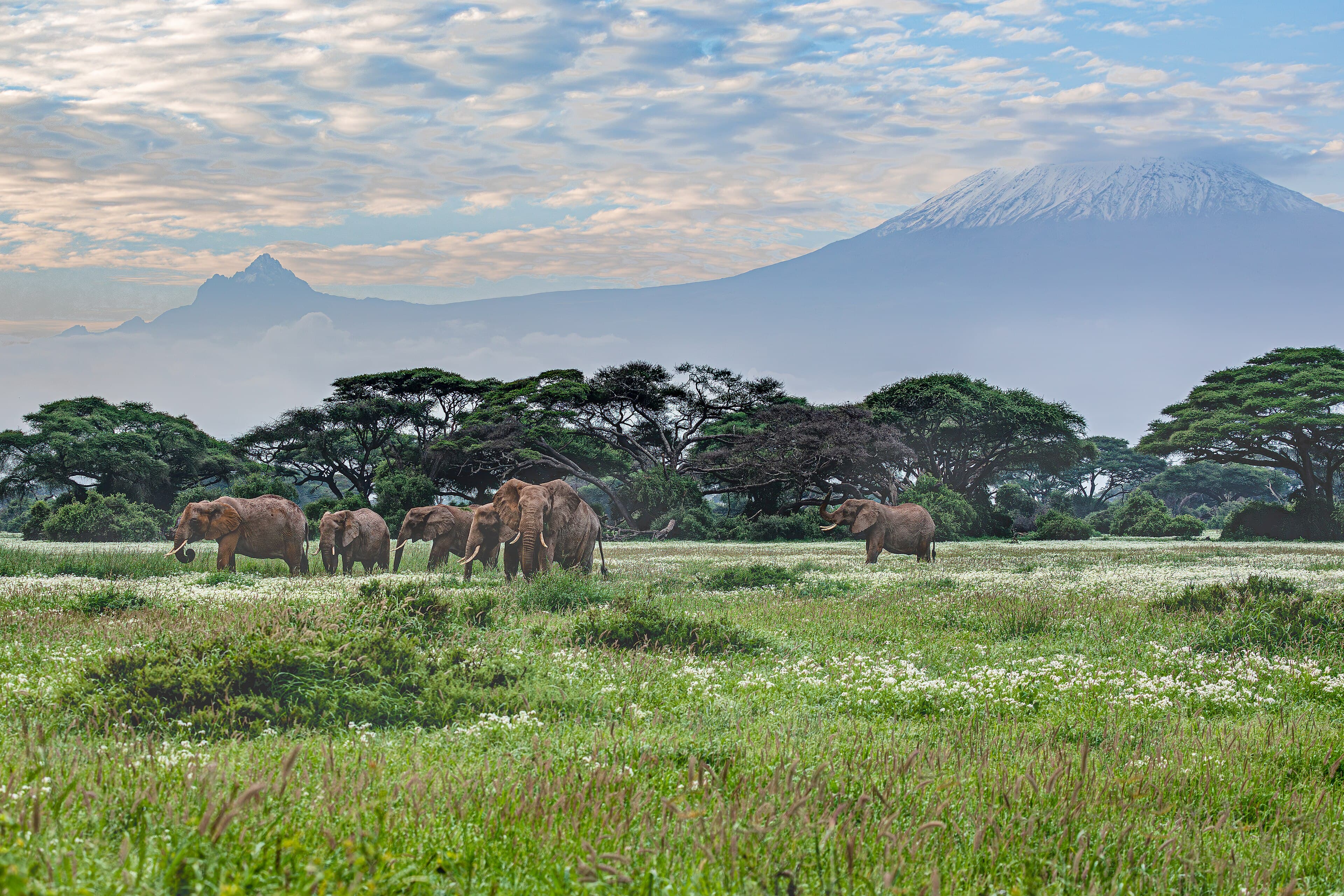
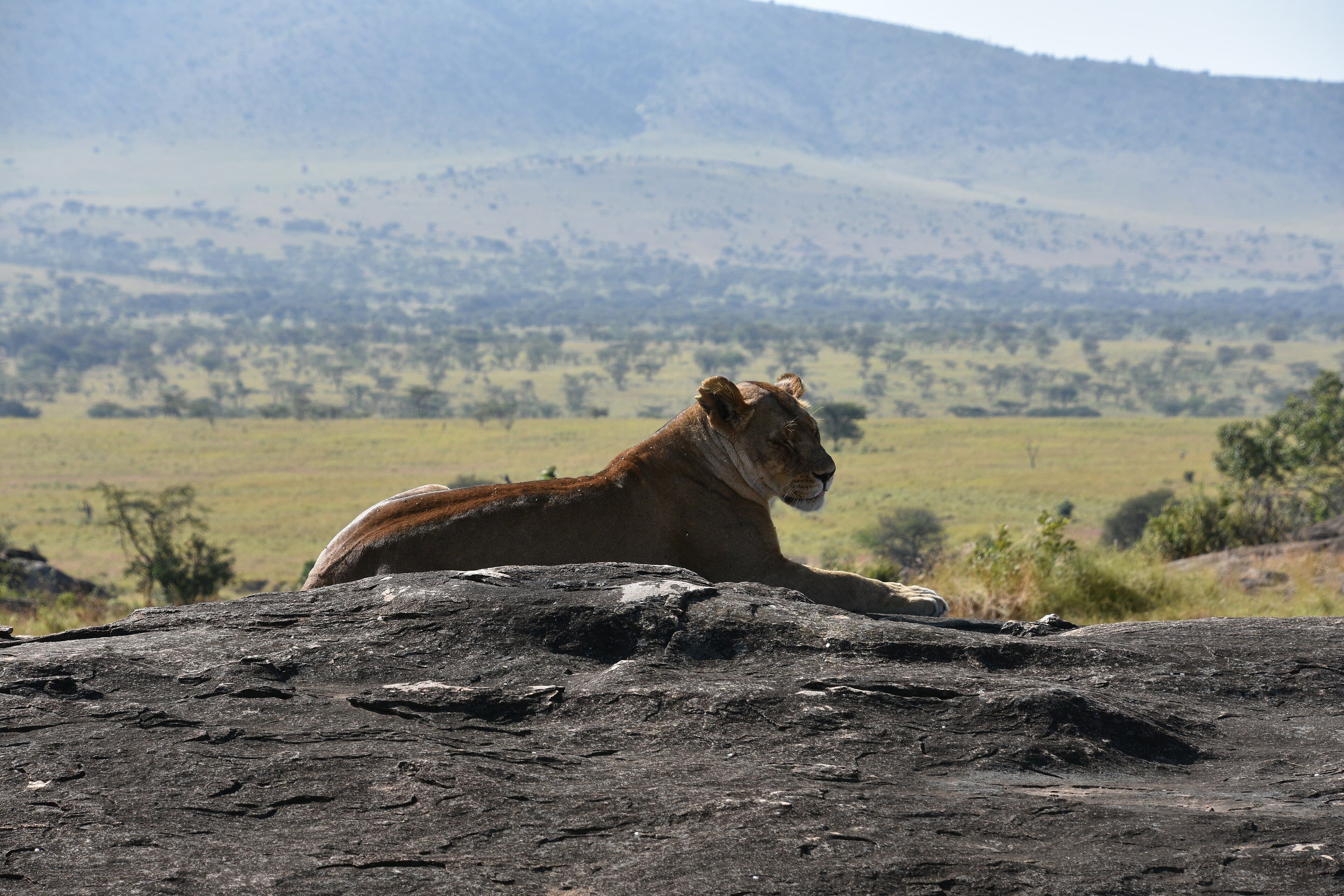
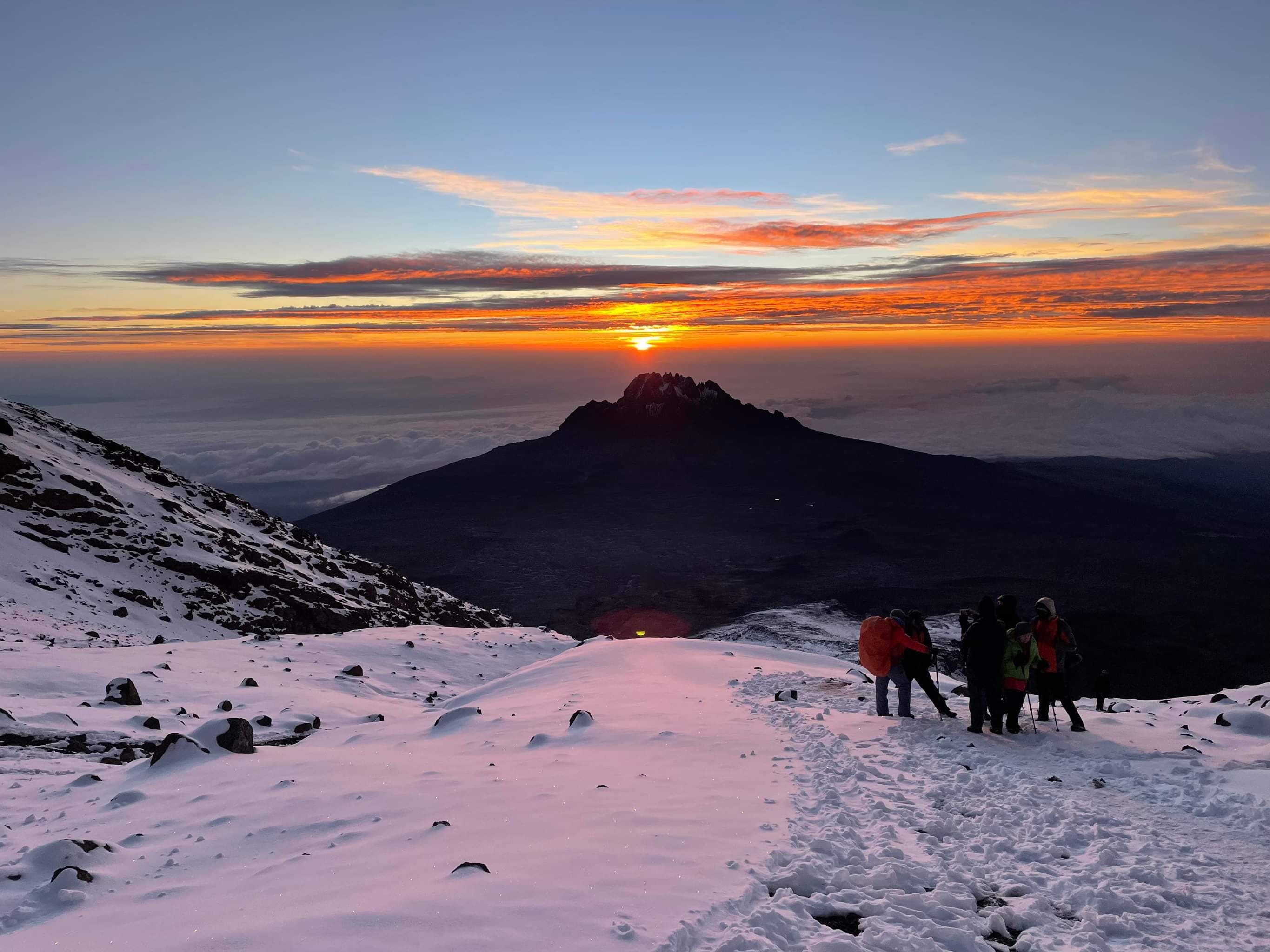
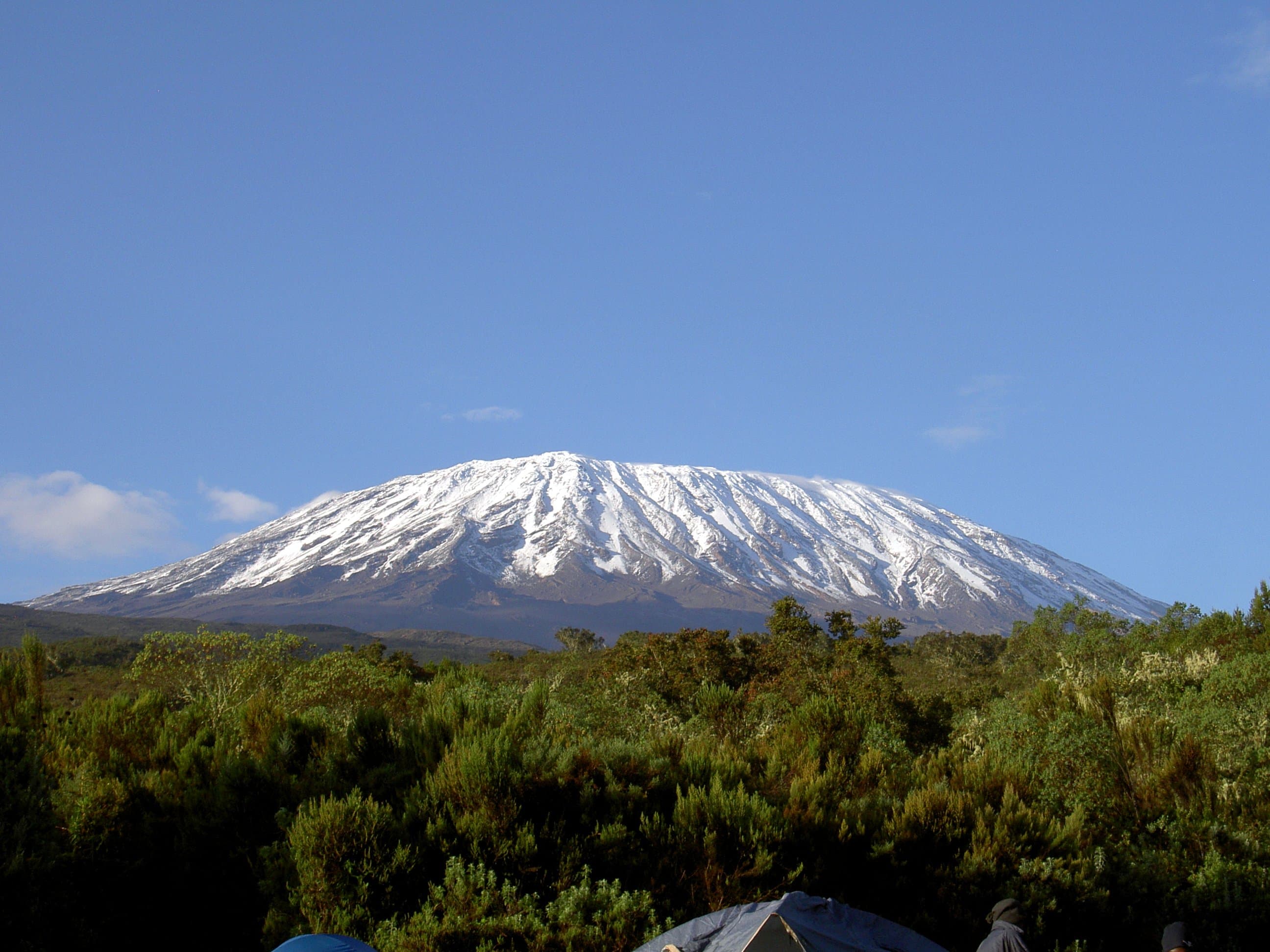
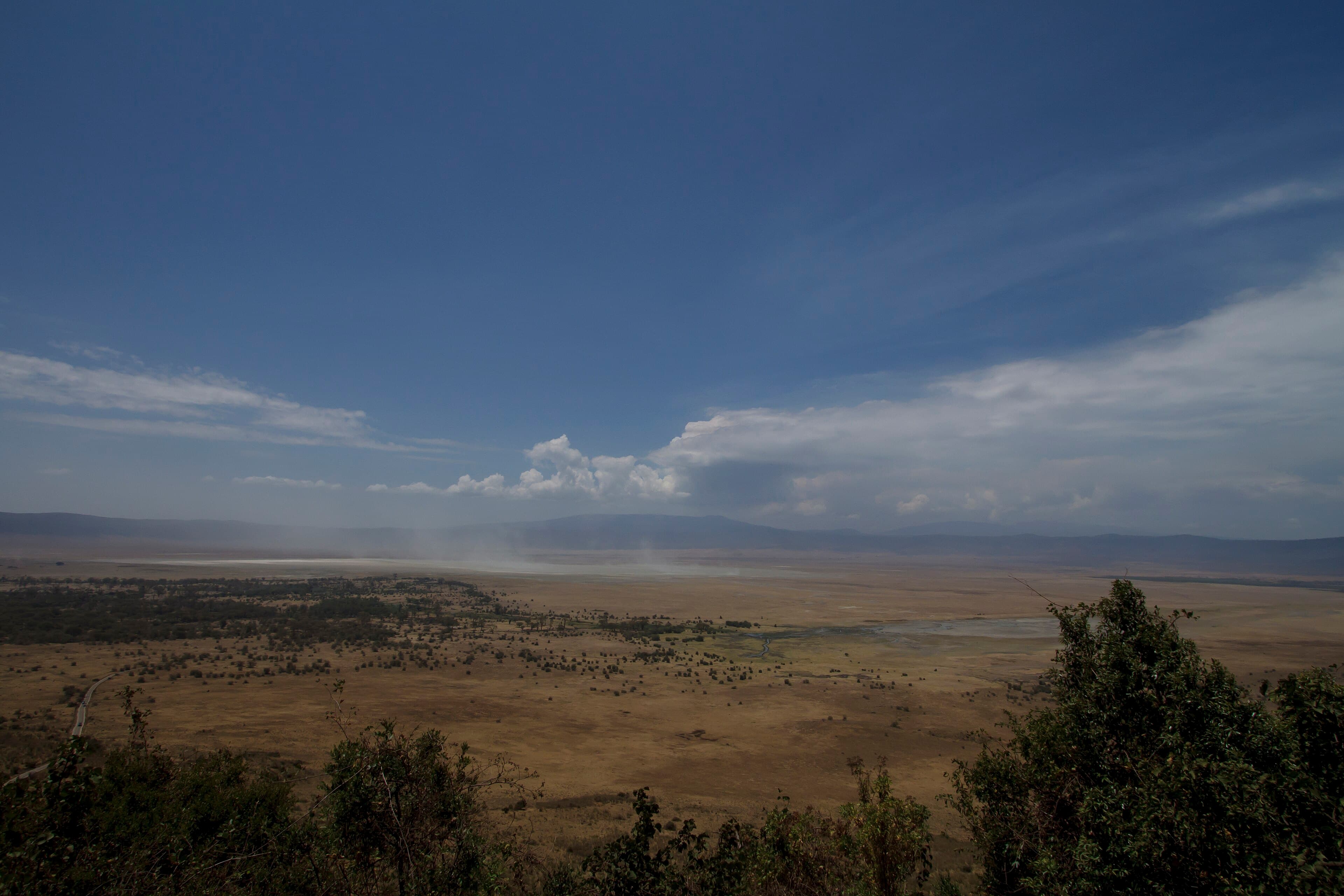
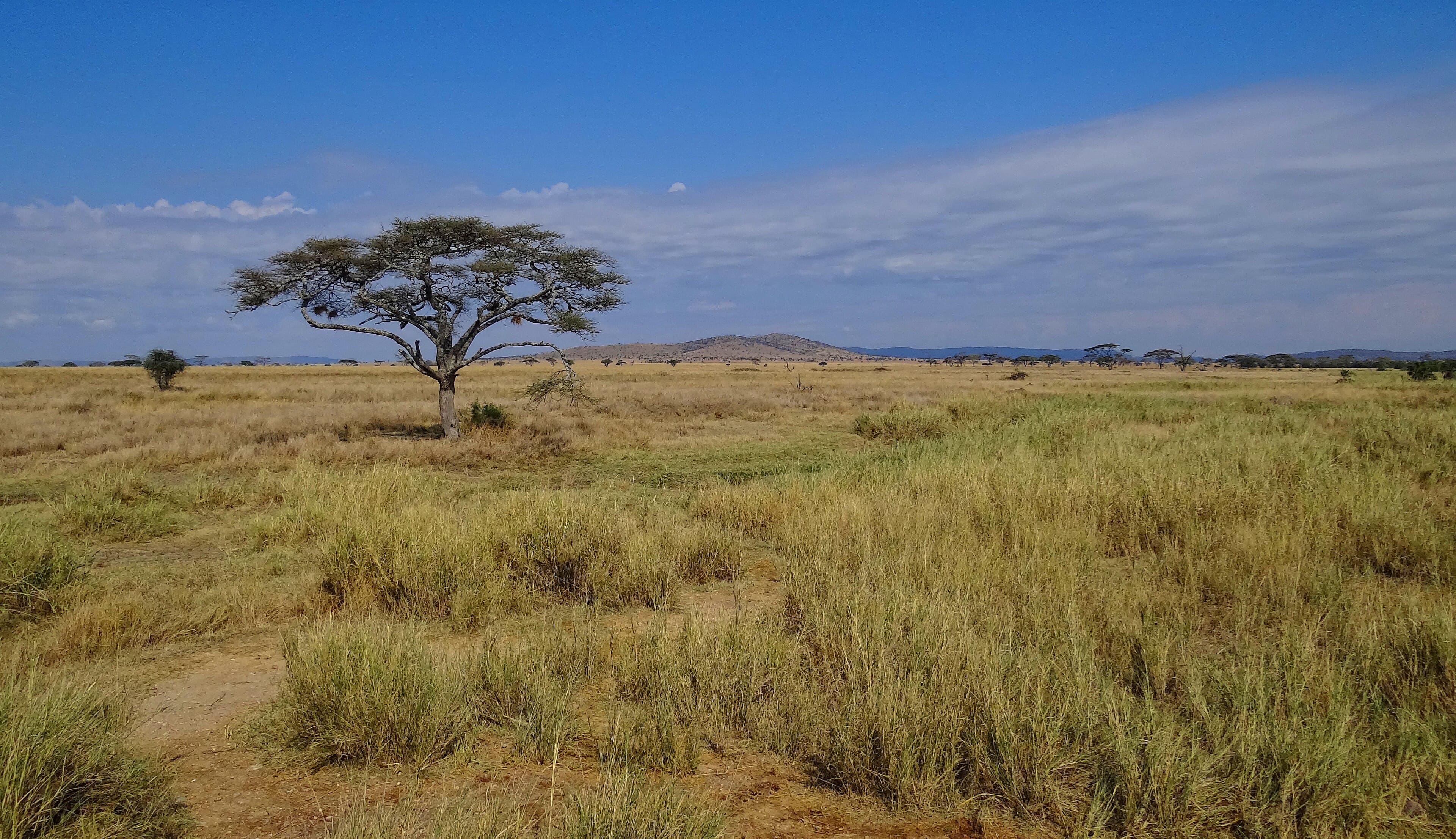
Tanzania is the most emblematic safari destination on earth. This is where wild Africa takes on its full cinematic dimension: herds of wildebeest and zebra crossing the Serengeti plains in their hundreds of thousands, lions stretched out on kopjes at dusk, the Ngorongoro Crater — a 19-kilometre-wide caldera forming a closed ecosystem with the highest mammal density in Africa — and the snow-capped silhouette of Kilimanjaro, the continent's highest peak at 5,895 metres, rising over the Maasai plains.
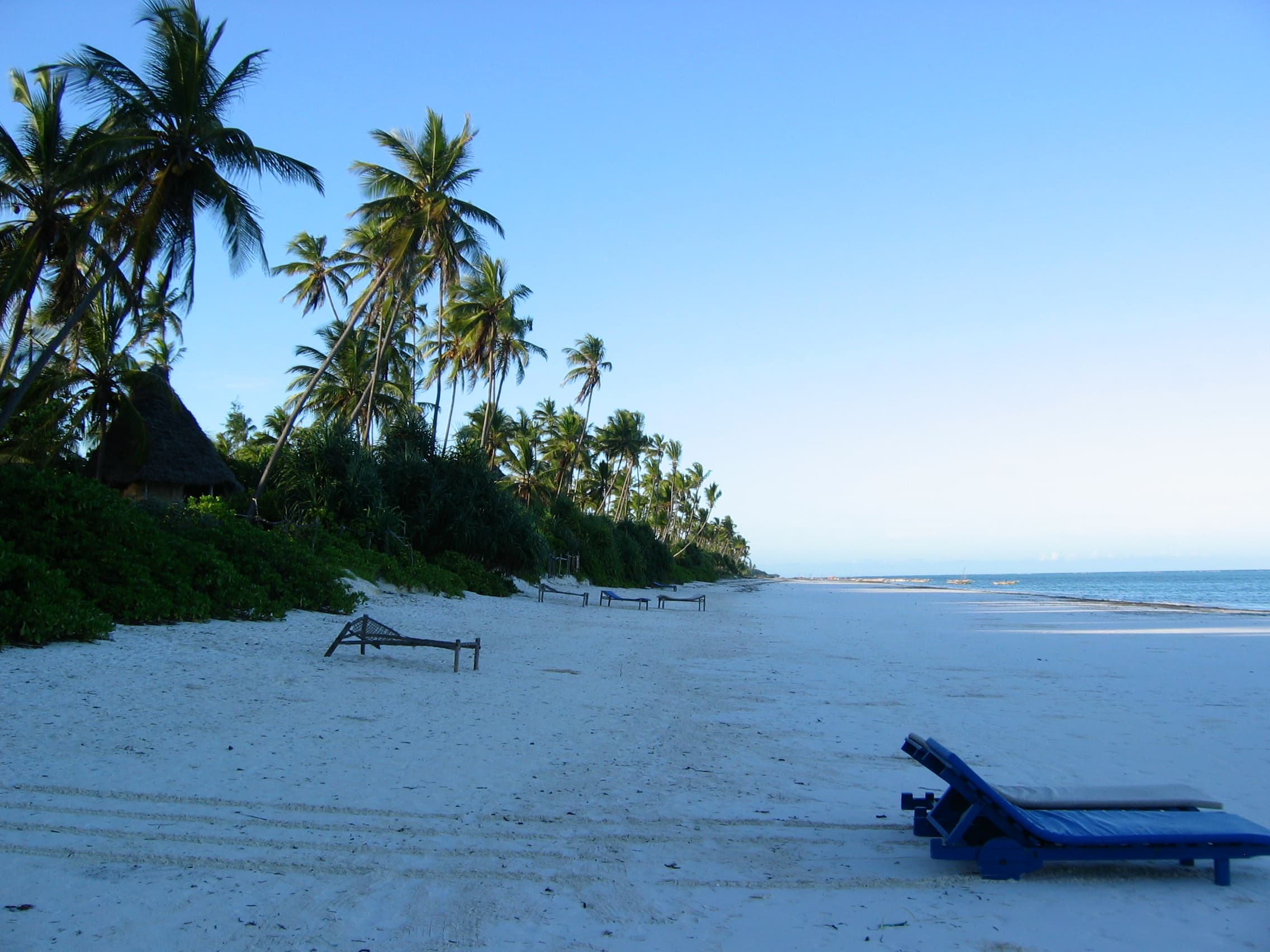
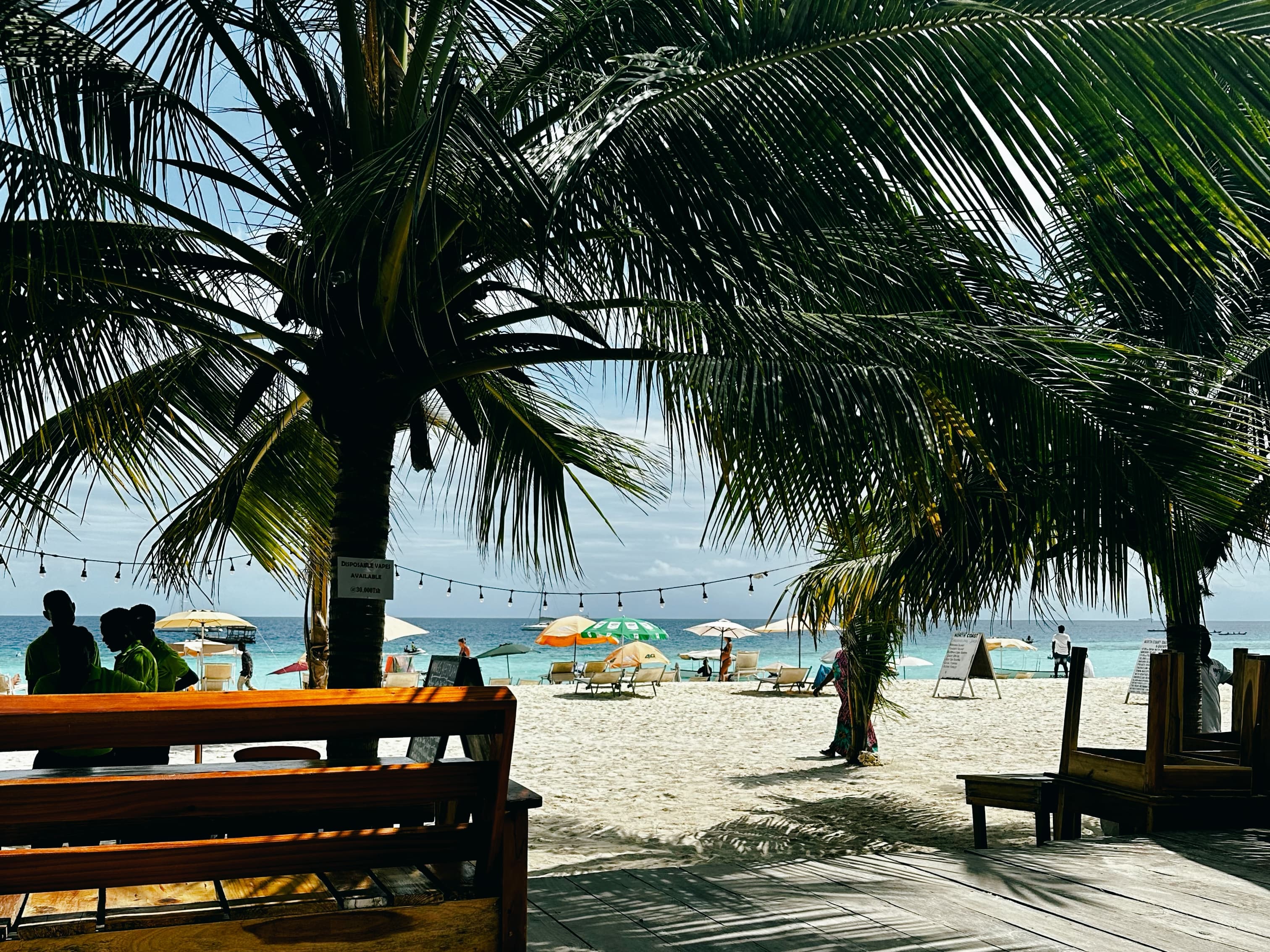
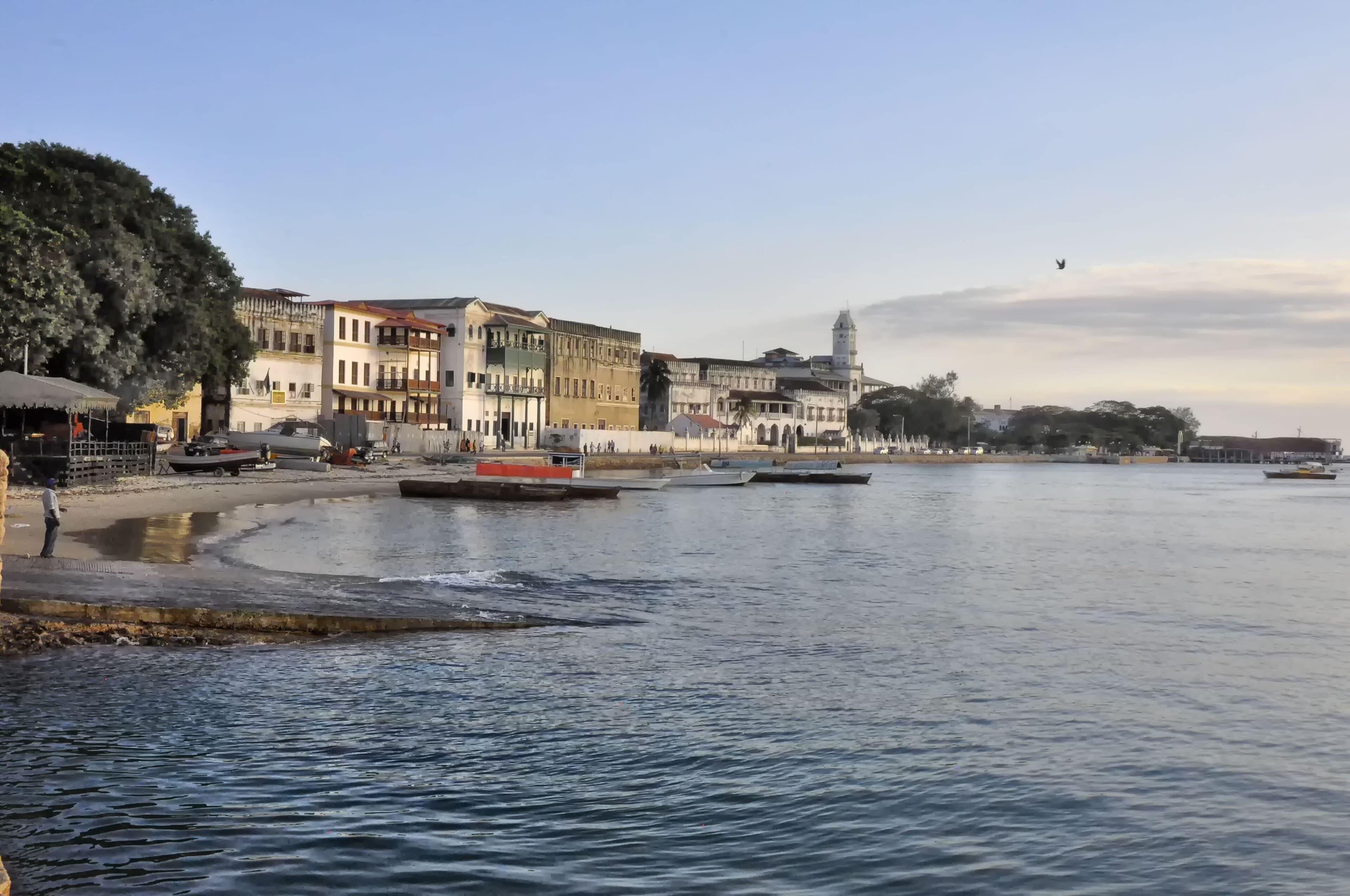
But Tanzania is far more than safaris. Off the eastern coast lies the archipelago of Zanzibar, an ancient trading sultanate turned crossroads of Swahili, Arab, Persian and Indian civilisations. Stone Town, its UNESCO-listed historic capital, is a labyrinth of carved doors and salt-eaten wooden balconies, scented with cloves and cinnamon. The beaches of Nungwi, Kendwa and Paje unroll their white sand into a turquoise sea that few places on the planet can match. This duality — sun-baked savannah on one side, tropical lagoons on the other — makes Tanzania a destination that can cover, in just two weeks, the full African spectrum.
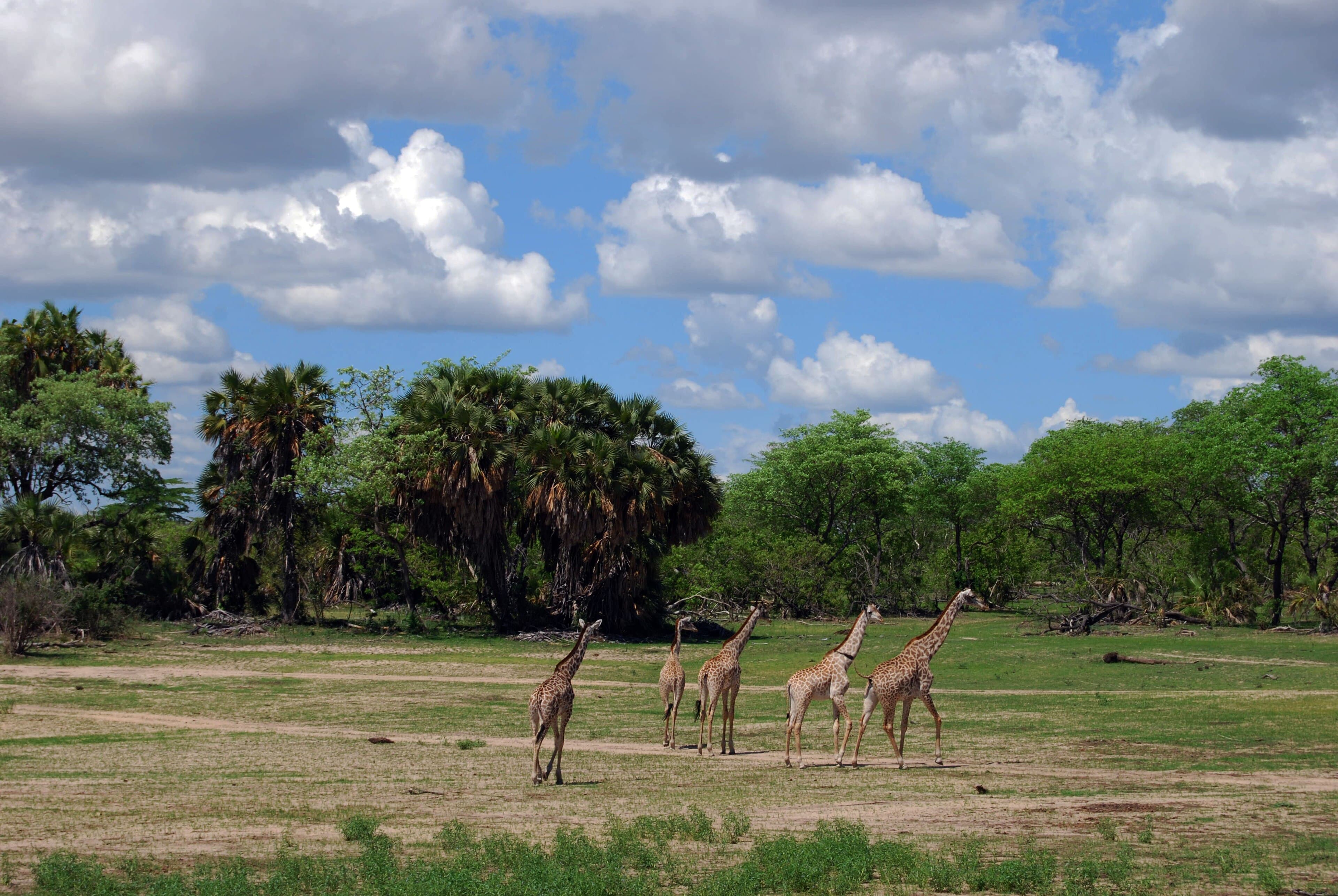
Tanzania boasts 22 national parks and protected areas covering more than 38% of its territory — one of the highest proportions in the world. The country shelters the last intact African megafauna: 1.5 million wildebeest, 2.5 million antelopes, more than 4,000 lions, 1,100 elephants in Tarangire alone, plus significant populations of leopards, cheetahs, black rhinos, hippos and buffalo. The cost of accessing this exceptional nature is high — park entry fees keep climbing (70 USD/day in the Serengeti) and quality accommodation remains expensive — but the experience is incomparable. No wildlife documentary prepares you for the emotional jolt of seeing, at ten metres, a lion stretch his mane in the golden light of an African sunset.
What we love
- ✅Intact megafauna: the highest concentration of wild mammals in the world across the Serengeti, Ngorongoro and Selous
- ✅Great Migration: 2 million wildebeest on the move between the Serengeti and the Masai Mara — one of the planet's greatest natural spectacles
- ✅Diversity in a single country: safari, climbing Kilimanjaro (Africa's roof), Zanzibar's idyllic beaches, Swahili culture
- ✅Remarkable political stability since independence — one of the most stable nations in East Africa
- ✅Welcoming, bilingual Swahili/English population that makes communication very easy
What to know
- ❌High cost: a quality safari runs €350-700/day/person all-in — one of Africa's most expensive destinations
- ❌Constantly rising park entry fees (70 USD/day Serengeti, 70.80 USD/day Ngorongoro plus crater fee)
- ❌Complex logistics: internal Cessna flights essentially required to move between parks efficiently
- ❌Yellow fever vaccine required if transiting through an endemic country; antimalarial treatment recommended throughout
- ❌Long rains (March-May) close certain parks and make Zanzibar beach time less appealing
Explore Tanzania
Our itineraries
Regions
Popular spots
Situation
Où se situe Tanzania ?
Ouvrir la carte en grand sur OpenStreetMap →Frequently asked questions
When is the best time to visit Tanzania?+
How much does a Tanzanian safari cost?+
How do you move between parks and Zanzibar?+
Which circuit to choose: Northern or Southern Tanzania?+
Is climbing Kilimanjaro accessible to non-mountaineers?+
Do I need a visa to visit Tanzania?+
Is Zanzibar part of Tanzania or a separate country?+
Our verdict
Tanzania is arguably the ultimate safari destination — the place where wild Africa still exists in its full prehistoric scale. Combining the Serengeti, Ngorongoro and Zanzibar in a single trip delivers an intensity of experience no other African destination matches. The cost is real (count €4,000-8,000 for a two-week quality trip including international flights), but the emotional return on investment is enormous. Favour July-August for the Great Migration in the north, January-February for the southern calving season, and combine 7-10 days of safari with 4-5 days in Zanzibar to decompress on the beaches. Work with a serious local operator who can arrange Cessna transfers between parks — that's the single biggest time-saver available in a country this size.
Similar destinations

Expert on Tanzania · 1 contributions
 Africa & Americas Desk — Mowando·Editor