ville
Aswan
The Nubian soul of Egypt on the peaceful banks of the Nile: sunsets over the cataract, lateen-sailed feluccas and an atmosphere more African than Mediterranean.
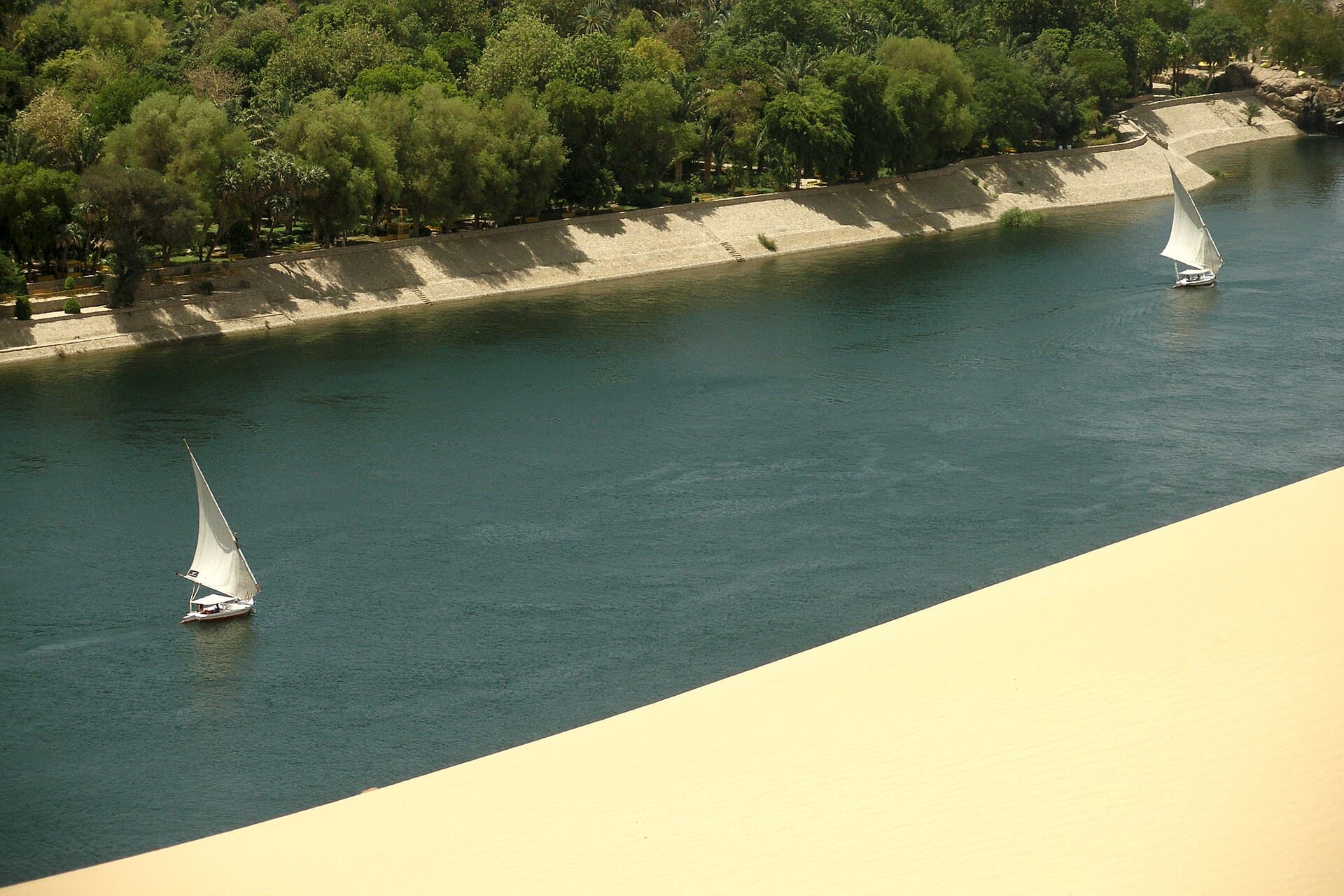
Aswan is the gentle, soothing antithesis of Luxor. 220 km to the south, in the great Nile bend that has traditionally marked the border between Egypt and Nubia, the city stretches along the east bank facing several inhabited islands and a horizon of ochre dunes. The Aswan cataract — one of the first obstacles to navigation upstream from the delta — creates here a unique landscape of granite rocks sculpted by the river, on which dozens of lateen-sailed feluccas glide silently. With 280,000 inhabitants, it is a human-scale city where you move around on foot or by horse-drawn cart, where the spice souk smells of cardamom and karkadé (hibiscus), and where the Nubian population — more African than Mediterranean, warmer than Cairo's — welcomes visitors with a disarming simplicity.
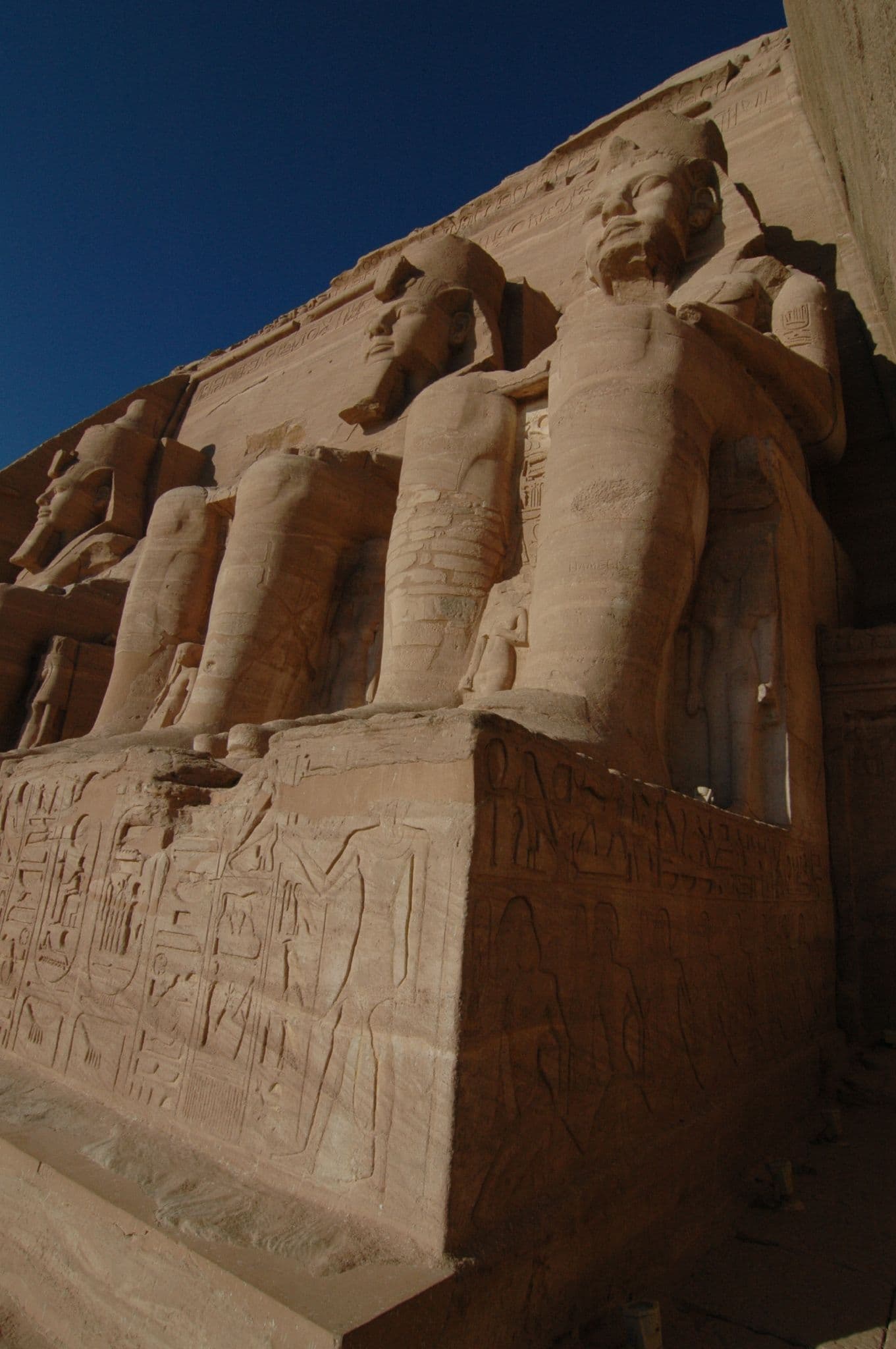
Aswan concentrates several major sites. Philae Island, saved from the waters of Lake Nasser in the 1970s by a UNESCO operation and rebuilt stone by stone on neighbouring Agilkia island, holds the Temple of Isis — one of the last pagan temples to remain active (until 535 AD, well after the official Christianisation of the Roman Empire). Elephantine Island, in the heart of the Nile facing the city, holds three authentic Nubian villages, the remains of the ancient city of Yebou (capital of the first nome of Upper Egypt) and the Aswan Museum. Kitchener's Island is a magnificent 7-hectare botanical garden planted in the late 19th century. The Aswan High Dam, completed in 1970, holds back Lake Nasser's waters over 500 km in length and transformed the economy of the entire region. For enthusiasts, the Unfinished Obelisk in the ancient granite quarries shows how the Egyptians cut these 42-metre monoliths directly from the rock. And for the supreme experience, departure for Abu Simbel (280 km south) leaves from Aswan by plane (45 min) or 4WD convoy (3h30).
What we love
- ✅Soothing and Nubian atmosphere, striking contrast with Cairo and Luxor
- ✅Lateen-sailed feluccas at sunset — an iconic Egyptian travel moment
- ✅Temple of Isis at Philae, one of the country's most beautiful and moving
- ✅Lively spice souk, authentic Nubian cuisine (spiced chicken, hibiscus dishes)
- ✅Ideal starting point for Abu Simbel and cruises back up to Luxor
What to know
- ❌Extreme heat from April to October (42-46 °C in summer)
- ❌Limited hotel supply compared to Luxor — book early in high season
- ❌Commercial harassment at Philae and around the marinas
- ❌Little nightlife, a city that sleeps early
Situation
Où se situe Aswan ?
Ouvrir la carte en grand sur OpenStreetMap →Frequently asked questions
How many days should I plan for Aswan?+
How do I get to Aswan from Luxor?+
Hotel base in Aswan or onboard a cruise?+
Is the Abu Simbel excursion worth the effort?+
What should I try in Aswan?+
Is Elephantine Island worth the detour?+
Is Aswan a safe destination?+
Our verdict
Aswan is the gentle breath of an Egyptian trip. After the cultural intensity of Luxor and the buzz of Cairo, you find here a slower rhythm, a more golden light, a warmer population. The Temple of Philae at dusk, feluccas on the cataract at sunset, the spice souk and Elephantine Island alone deserve a 2-3 day stop. Combined with a day at Abu Simbel and a cruise back to Luxor, Aswan becomes one of the great stages of a journey that marks you forever. Come strictly from October to March: Aswan summer is among the harshest in Egypt.
Nearby

"Saison sèche idéale, 22°C journée."
Expert on Aswan · 1 contributions
 Africa & Americas Desk — Mowando·Editor