Mowando

Region

Cairo and Giza

The historic heart of Egypt: the Giza plateau and its three millennia-old pyramids, the Grand Egyptian Museum which finally reunites Tutankhamun's complete treasure, and the sprawling megacity where medieval Islam, Coptic Christianity and the pharaohs coexist within a few streets of each other.

4.80

The Cairo and Giza region concentrates the essential pharaonic and medieval heritage of Egypt within an 80 km radius of the capital. Cairo, a 22-million-person megacity (the largest in Africa and the Arab world), is not an easy destination — incessant noise, pollution, monstrous traffic — but no other city in the world offers such a density of architectural masterpieces over such an extended historical period.

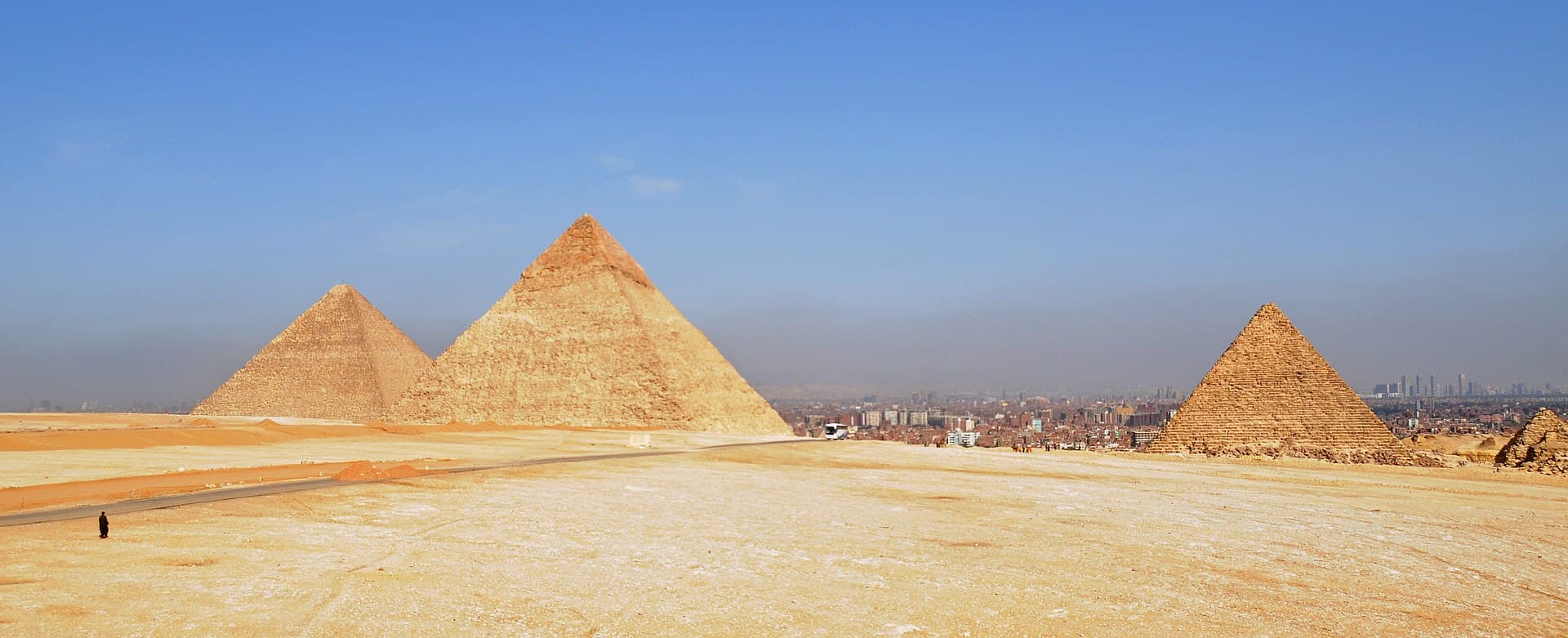
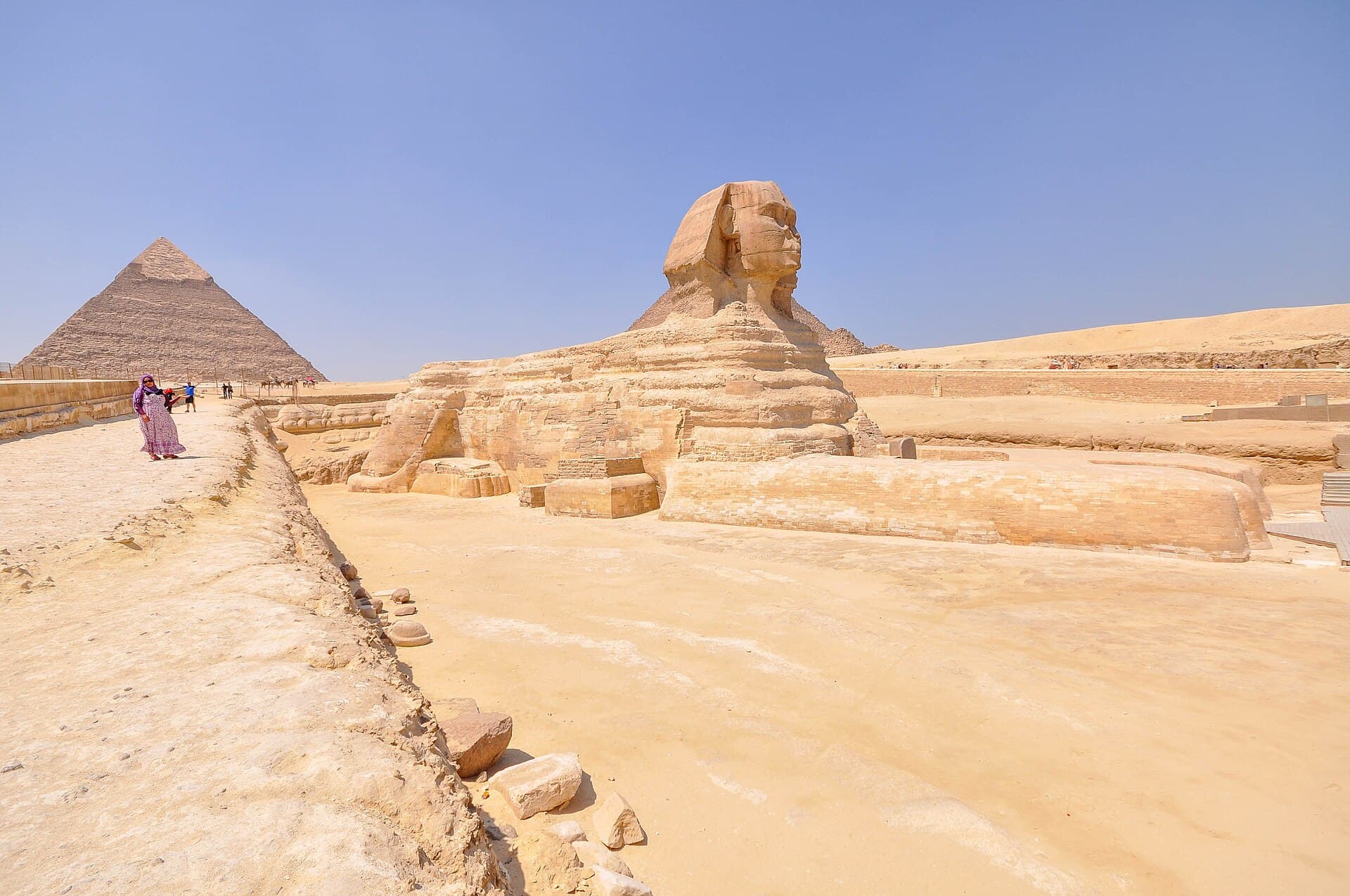
The iconic site remains the Giza Plateau, 18 km west of the centre, where three great pyramids rise (Khufu, originally 146 m tall, the last of the Seven Wonders of the Ancient World still standing; Khafre and Menkaure) alongside the Sphinx, millennia-old guardian with its weathered face. At their feet, the brand-new Grand Egyptian Museum (GEM), officially inaugurated in 2024 after twenty years of construction and a billion euros of investment, is now the largest archaeological museum in the world — 480,000 sqm, 100,000 pieces, and Tutankhamun's complete treasure finally reunited (5,398 objects including the gold mask and the three nested sarcophagi).

Twenty-five kilometres to the south, Saqqara houses the Step Pyramid of Djoser (2630 BC), the first pyramid ever built, alongside a funerary complex of mastabas and decorated tombs that surpass those of Giza in refinement. Further on, Dahshur and Sneferu's Bent Pyramid show the architectural trial and error that preceded Khufu, and Memphis, capital of the Old Kingdom, preserves a colossus of Ramses II lying in an open-air museum.

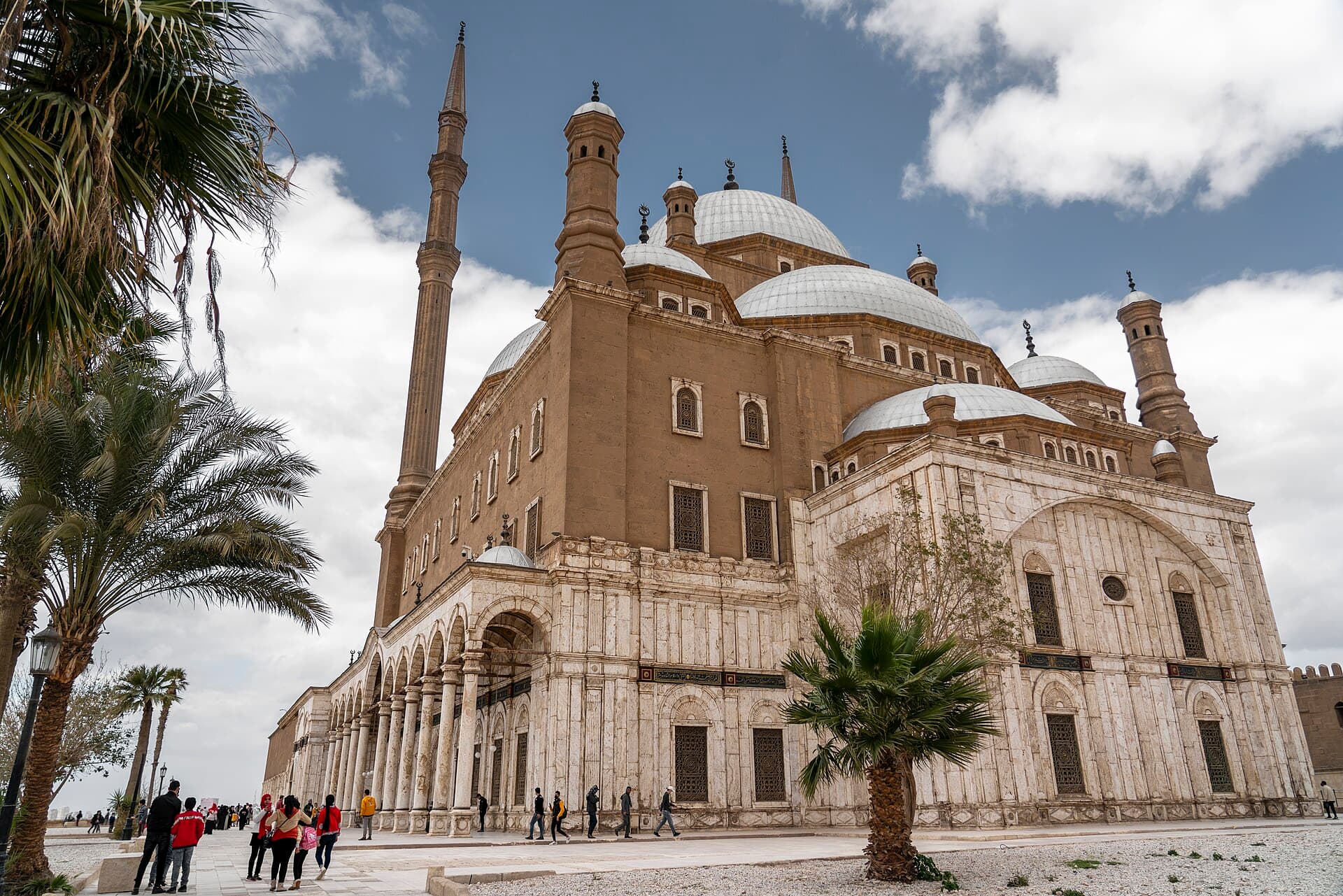
Old Cairo divides into two complementary poles. Coptic Cairo (Misr al-Qadima), to the south, gathers the Roman fortress of Babylon, the Hanging Church (al-Muallaqa), the Church of Saints Sergius and Bacchus where the Holy Family is said to have taken refuge during the flight into Egypt, and the Coptic Museum. Islamic Cairo, UNESCO-listed, displays 800 years of medieval architecture: Ibn Tulun Mosque (9th century, oldest in Cairo still intact), Sultan Hassan Mosque, Citadel of Saladin and Mohamed Ali Mosque (recognisable Ottoman silhouette), Khan el-Khalili bazaar (14th century) and its artisan alleys (coppersmiths, perfumes, spices, water pipes).

Explore Cairo and Giza

Spots in the region
Situation

Où se situe Cairo and Giza ?

Ouvrir la carte en grand sur OpenStreetMap →

Frequently asked questions

How many days do you need to visit Cairo and Giza?+
Plan for __at least 3 to 4 days__ for a balanced experience: a full day at the Giza Plateau (pyramids + Sphinx + Grand Egyptian Museum, the latter deserving 4 hours on its own), a day in Islamic Old Cairo (Ibn Tulun, Sultan Hassan, Citadel of Saladin, Khan el-Khalili bazaar) and Coptic Old Cairo (Hanging Church, Coptic Museum), and a day at __Saqqara, Dahshur and Memphis__ to understand the genesis of pyramid architecture. With 5 days, add a half day at the Museum of Islamic Art and an excursion to the Fayoum oasis (Lake Qarun, Valley of the Whales).
Is the Grand Egyptian Museum really worth the trip?+
Yes, without hesitation. Officially opened in 2024 after twenty years of construction and a billion euros of investment, the __Grand Egyptian Museum (GEM)__ is now the largest archaeological museum in the world — 480,000 sqm, 100,000 pieces on display. It has replaced the old Cairo museum (Tahrir Square) for the major pieces. The highlight: __Tutankhamun's complete treasure finally reunited__ for the first time since its discovery in 1922, i.e. 5,398 objects including the gold mask, the three nested sarcophagi and the funerary furniture. Allow a minimum of 4 hours for the visit. Entry €30, combined GEM + pyramids ticket recommended.
Do you need a guide to visit the Giza pyramids?+
Strongly recommended, for two reasons. First, the __Giza plateau is saturated with fake guides and touts__ — camel handlers demanding abusive sums, impromptu photographers, ultra-insistent souvenir sellers. An official guide accredited by the Ministry of Tourism (badge mandatory) protects you from these solicitations. Second, the pyramids are an experience best enjoyed with __historical context__: without a guide, you see large stones; with a good English-speaking guide, you understand the construction site organisation, lifting techniques, pharaonic astronomy. Rate: €60-100 per day for a private guide, to be booked in advance through a reputable operator.
Can you enter the inside of the pyramids?+
Yes, interior access to the __Pyramid of Khufu__ is possible with an additional ticket (around €22, daily quota limited to 300 people — book early in the morning). The visit is demanding: low narrow corridor (1.20 m high over 39 m long), high heat and humidity, possible claustrophobia. The King's Chamber is bare (the sarcophagus has been empty since antiquity). The experience remains memorable for those wanting to touch the millennia-old stone from within. Less crowded alternatives: Khafre Pyramid (€15) or Menkaure Pyramid (€10), often opened in rotation with Khufu's to preserve their conservation.
Is Old Cairo safe for tourists?+
Yes, __Islamic Old Cairo__ (around Al-Hussein Mosque and Khan el-Khalili bazaar) and __Coptic Old Cairo__ (Babylon, Hanging Church, Coptic Museum) are heavily touristed areas protected by a visible police presence. The main risks are pickpockets in crowded bazaars and pushy vendors — no assaults. Dress modestly (shoulders and knees covered) to visit mosques and churches. Avoid very narrow and deserted alleys after dark. A guided tour is recommended to understand the historical richness of the place and navigate efficiently through the maze of alleys.
What is Saqqara and why visit it?+
__Saqqara__ is the necropolis of ancient Memphis (capital of the Old Kingdom), located 25 km south of Giza. It is here that the __Step Pyramid of Djoser__ (2630 BC) rises, considered the __first pyramid ever built__ — a century before that of Khufu. Designed by architect Imhotep (the first known architect in history, later deified), it marks the invention of monumental stone architecture. Saqqara also houses dozens of __decorated mastabas__ (noble tombs) with polychrome frescoes of exceptional finesse, and the very recent __Imhotep Museum__. Allow 3-4 hours on site, ideally combined with Dahshur (Bent Pyramid and Red Pyramid of Sneferu).
Where to stay in Cairo to fully enjoy the region?+
Three main choices depending on your profile. __In Giza__, the legendary Mena House (Marriott) or the Steigenberger Pyramids offer a direct view of the pyramids from the room — magical but far from historic Cairo (45 min by taxi). __In Zamalek__ (a leafy island at the heart of Cairo), boutique hotels and apartments offer a calm residential atmosphere, 15-20 min by taxi from the pyramids or Old Cairo. __In Garden City / Downtown__ (Tahrir Square), you are close to the Egyptian Museum (which still houses secondary pieces post-GEM transfer) and to the popular bustle. Avoid very distant areas like New Cairo or the New Administrative Capital — too far from tourist sites.

Our verdict

The Cairo and Giza region is a mandatory stop on any trip to Egypt — and probably the most astonishing experience that 5,000 years of accumulated human heritage can offer. Dedicate at least 3 to 4 full days: a full day at the Giza Plateau + Grand Egyptian Museum (which deserves a half day on its own), a day in Islamic and Coptic Old Cairo (Ibn Tulun mosque, Khan el-Khalili, Citadel, Hanging Church), and a day at Saqqara/Dahshur/Memphis to understand the genesis of pyramid architecture. Stay at Giza (Mena House, direct view of Khufu) for the magical side, or in Zamalek (a leafy island at the heart of Cairo) for tranquillity. Book your French-speaking guides through reputable operators to avoid scams.

Mowando Letter

Once a month: the right destinations for the right season + the best booking windows.

No spam. One-click unsubscribe. Your data is never shared.