Asia
India
World's most populous country (1.43 bn), 7th by surface, 42 UNESCO sites (3rd worldwide), birthplace of Hinduism and Buddhism — India offers the planet's densest civilisational intensity, from the Taj Mahal to Kerala backwaters.
- Capital
- New Delhi
- Currency
- Roupie indienne (INR)
- Languages
- Hindi, Anglais, Tamoul
- Budget
- From €50/day/person
India at a glance
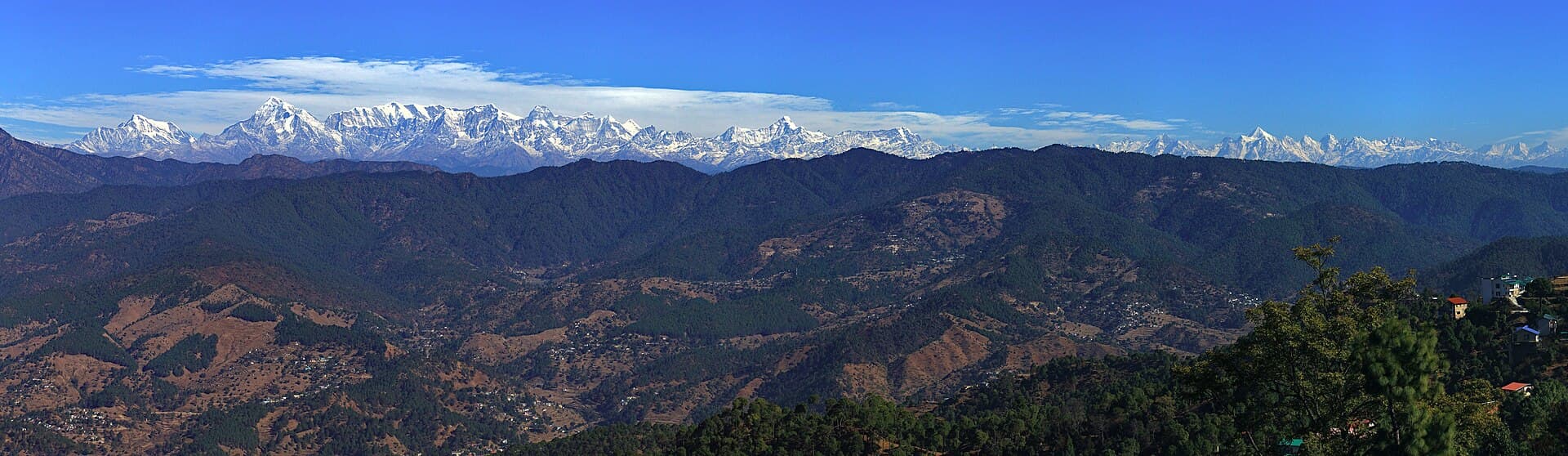
India is a subcontinent as much as a country — 3.3 million km² (7th worldwide), 1.43 billion inhabitants (most populous country since 2023, surpassing China), 28 states, 22 official languages, hundreds of dialects, and dizzying geographical diversity stretching from snow-capped Himalayan summits to Kerala's tropical beaches, Thar deserts to southern jungles, Ganges fertile plains to Deccan plateau foothills. No country in the world offers such civilisational density, such variety of landscapes, such historical depth.
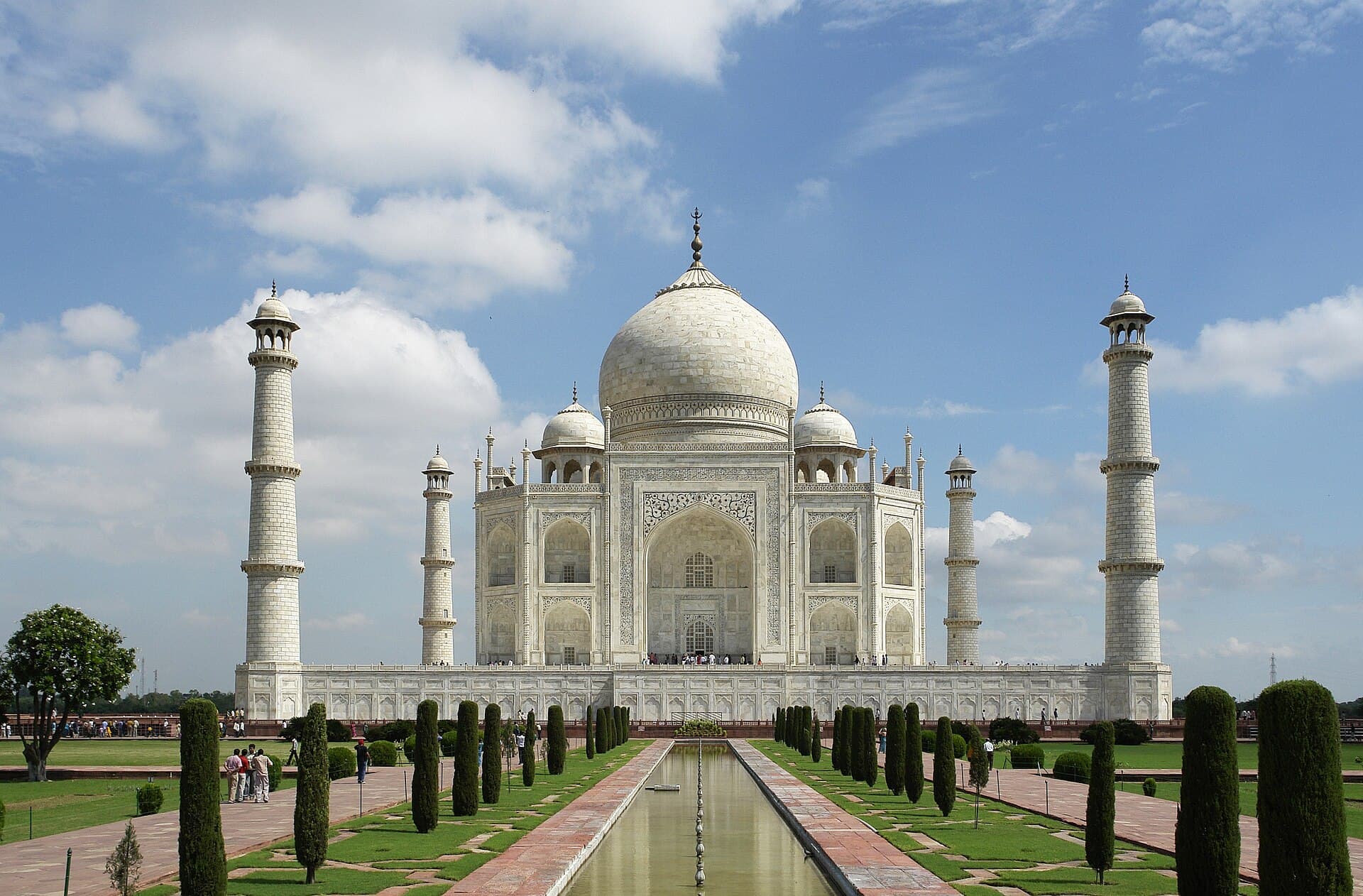
History is among humanity's longest. The Indus Valley Civilisation (3300-1300 BCE) ranks among the cradles of world civilisation. India is the birthplace of four major religions — Hinduism (80% today), Buddhism (born at Bodh Gaya in the 6th century BCE), Jainism and Sikhism — and also hosts 200 million Muslims (14%), 28 million Christians, Zoroastrian (Parsi), Jewish and Baha'i communities. The Maurya (3rd century BCE, Ashoka), Gupta (4th-6th centuries, classical golden age), Mughal (1526-1857, including Shâh Jahân's reign which built the Taj Mahal in 1632-1653) and British (1858-1947) empires left an architectural and cultural heritage of unmatched richness: 42 UNESCO-listed sites, placing India 3rd worldwide behind Italy and China.
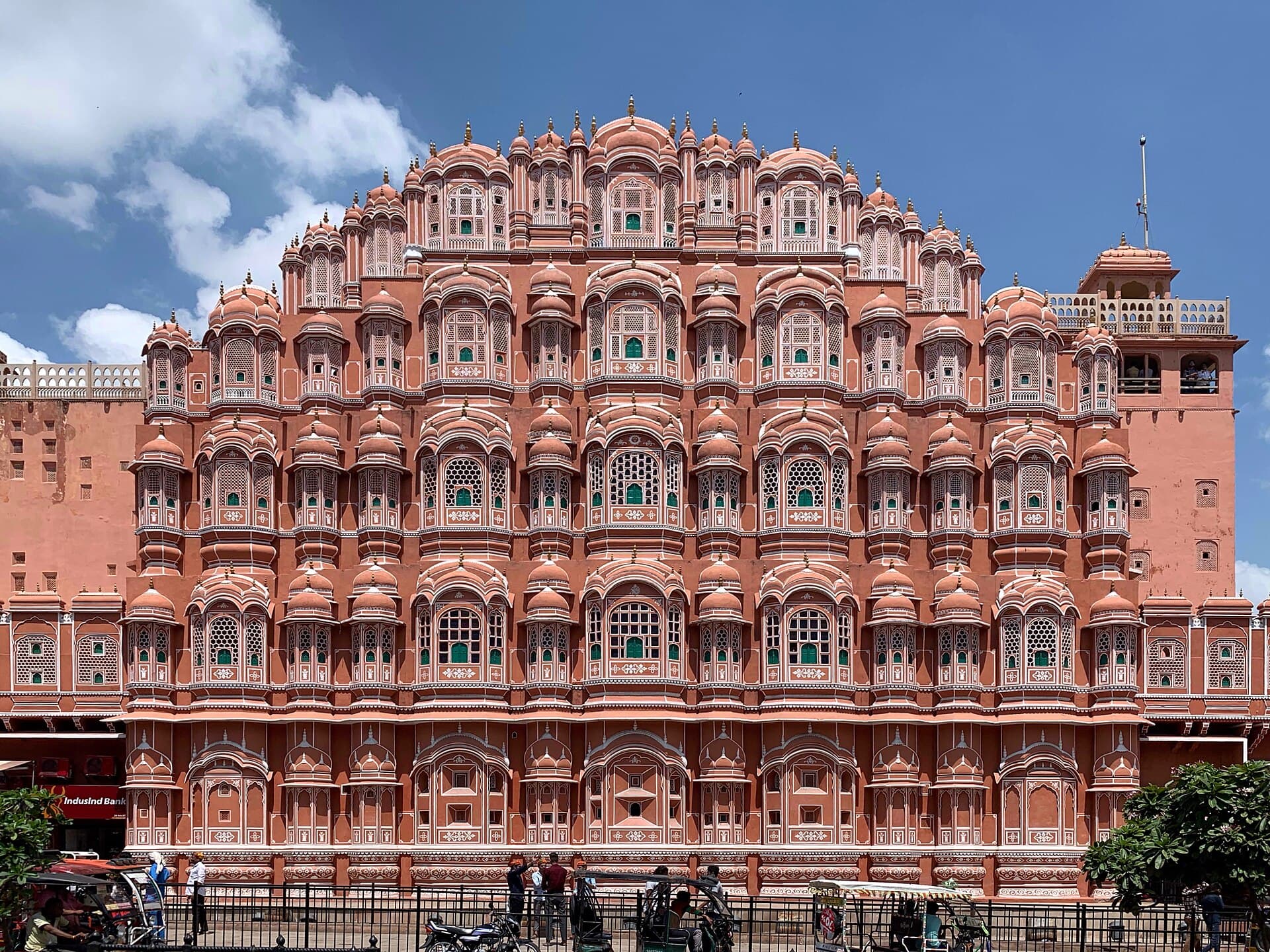
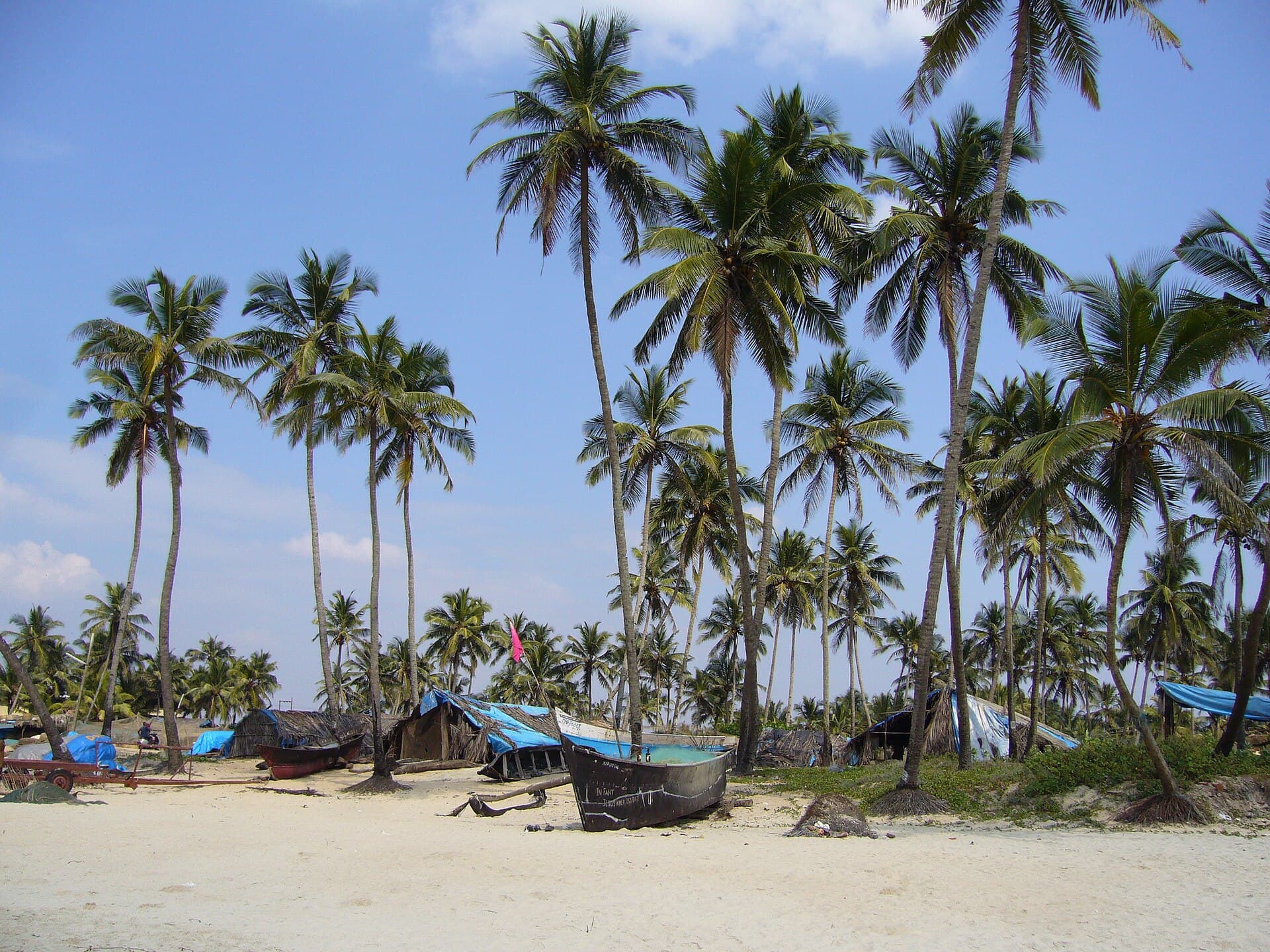
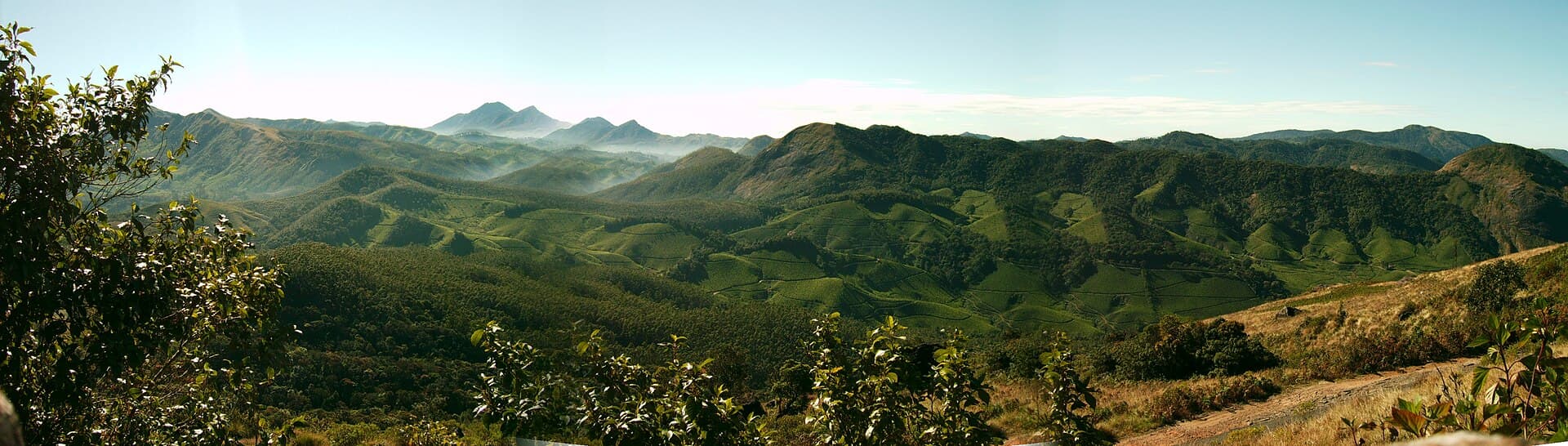
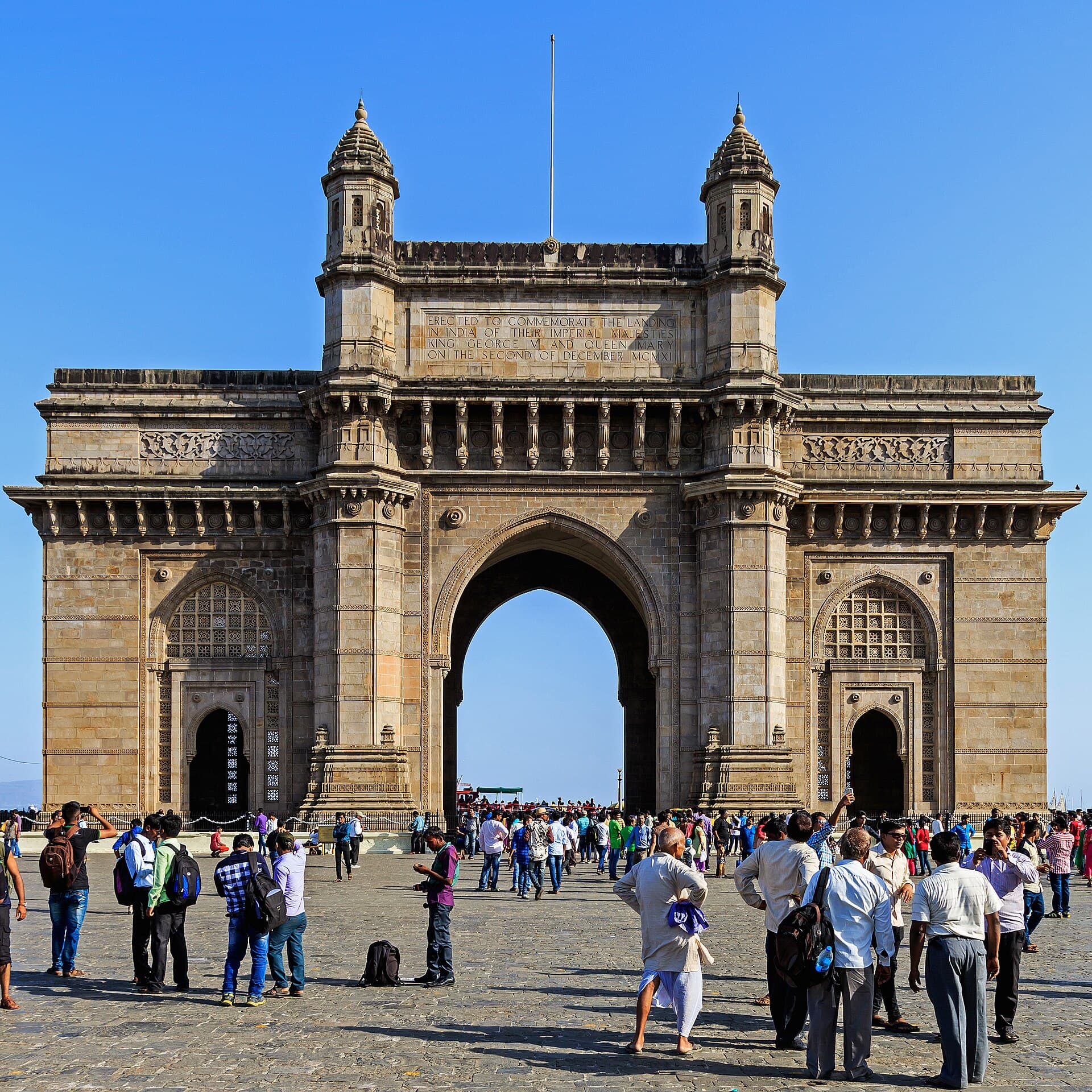
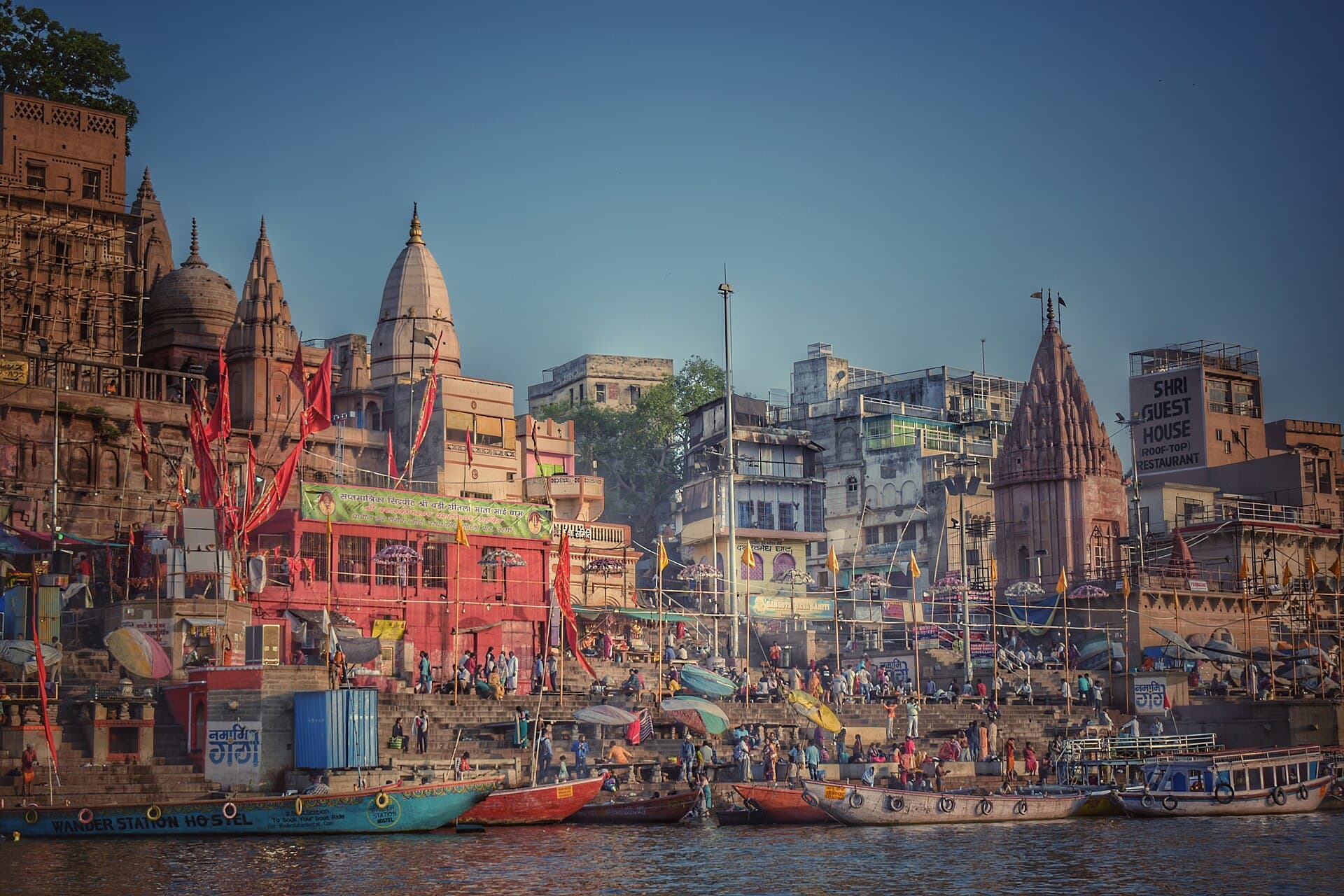
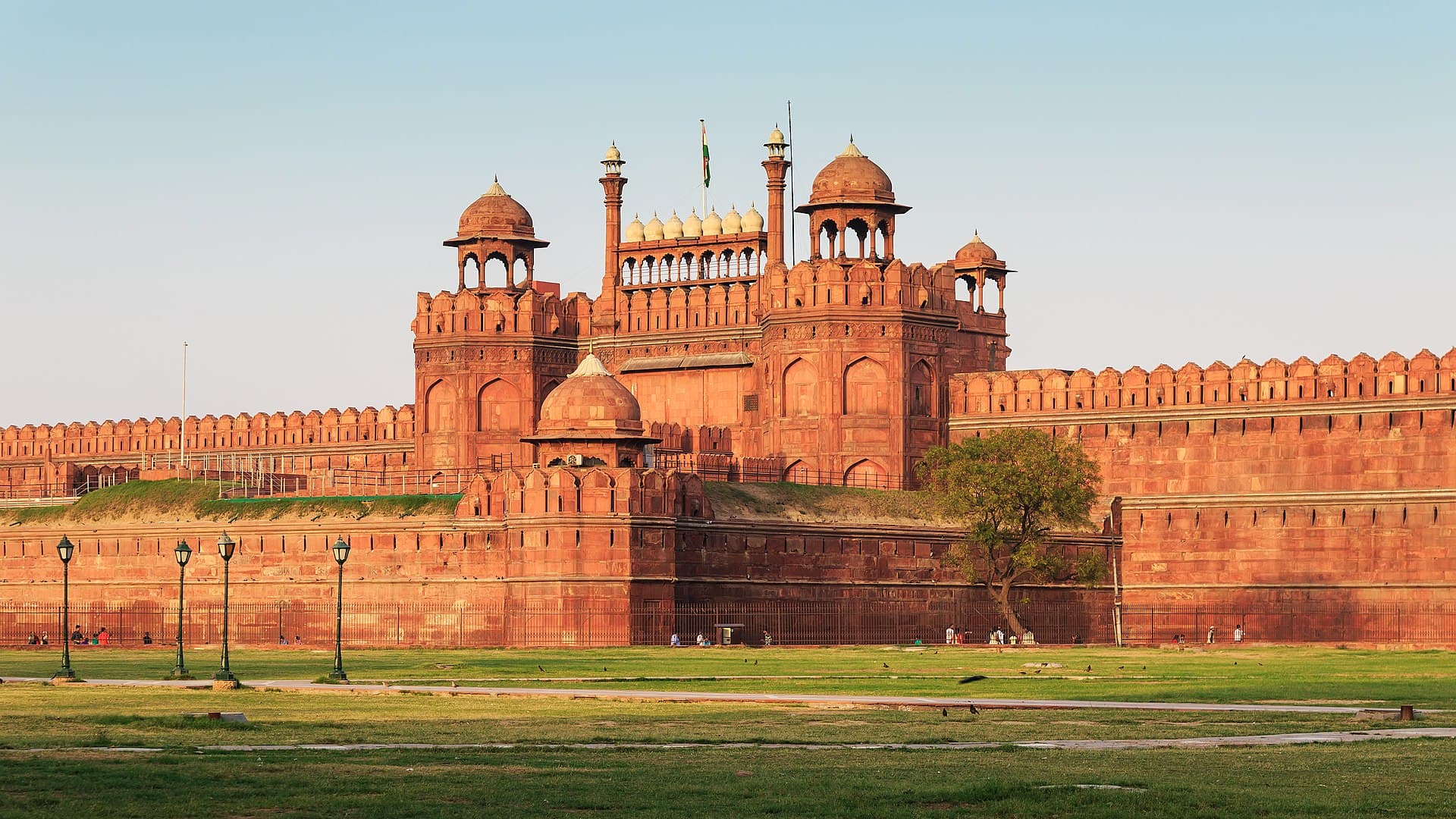
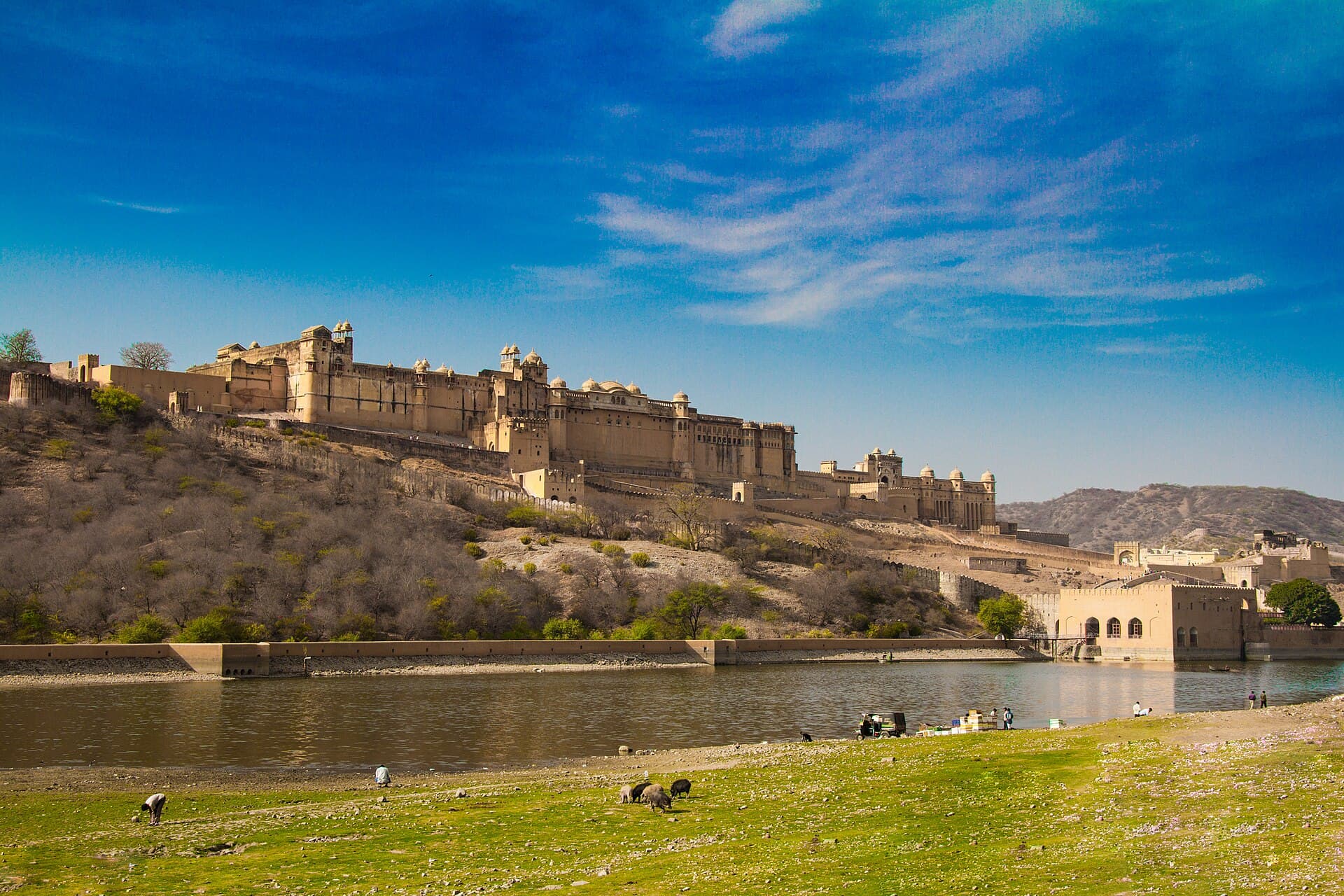
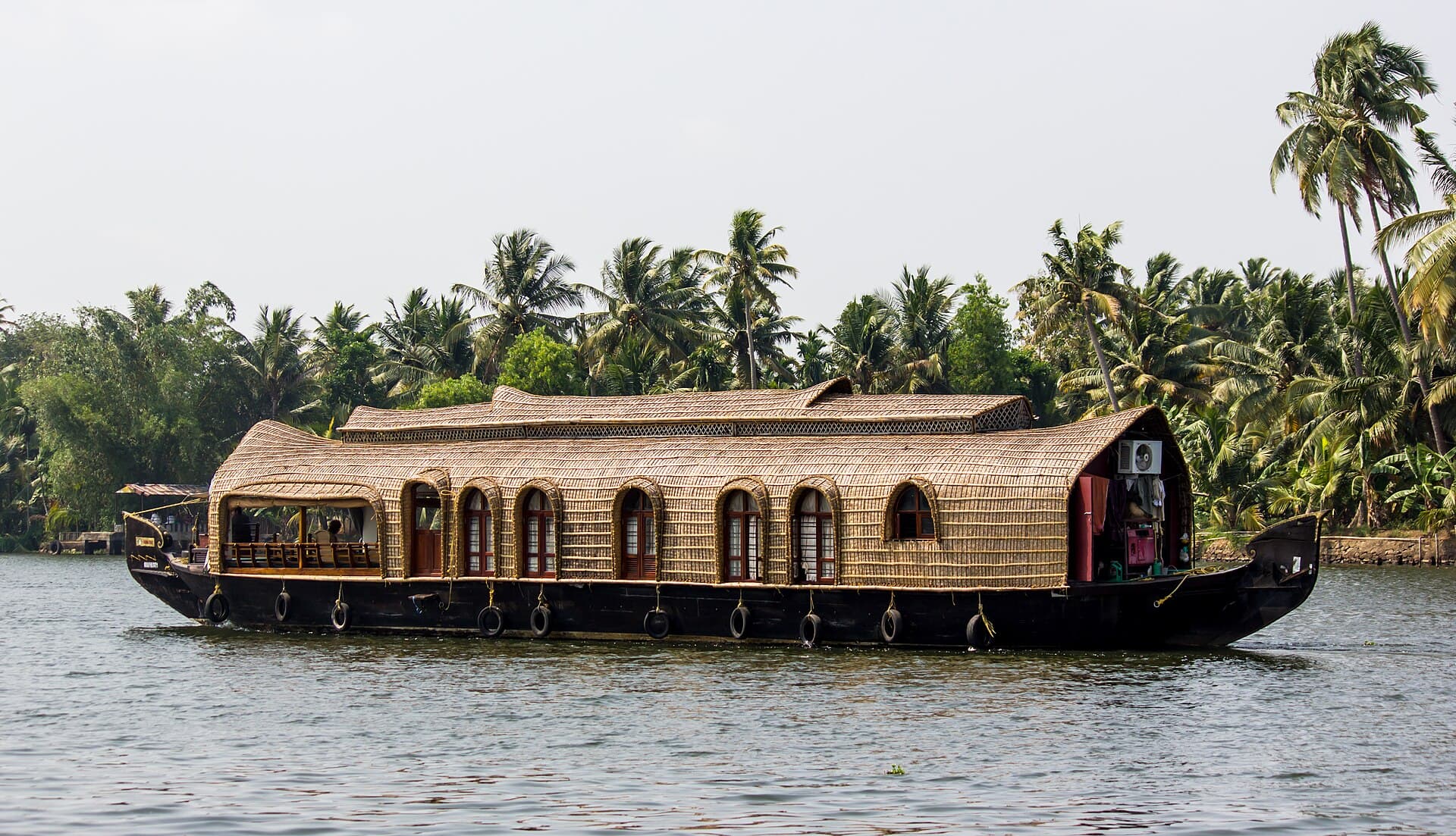
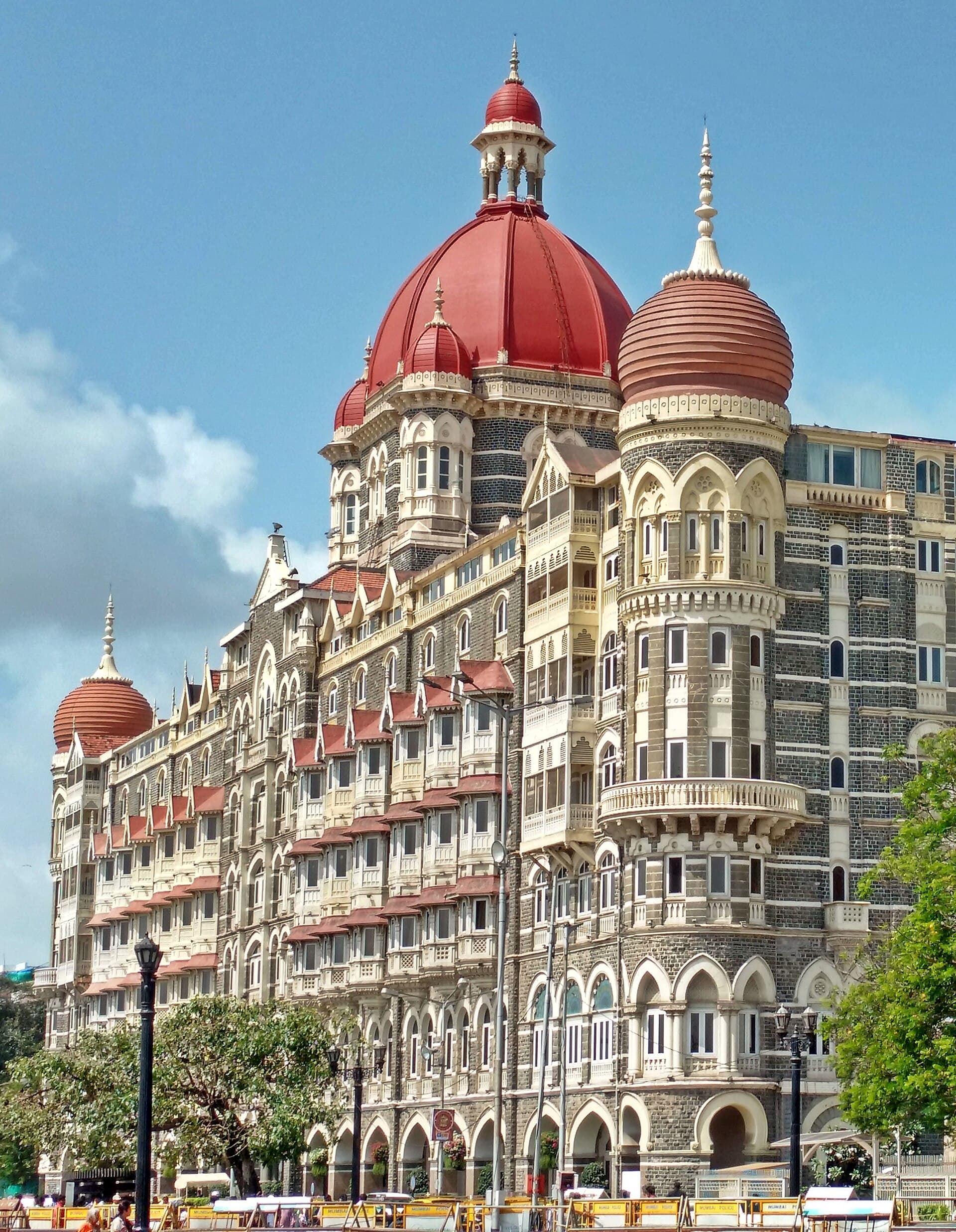
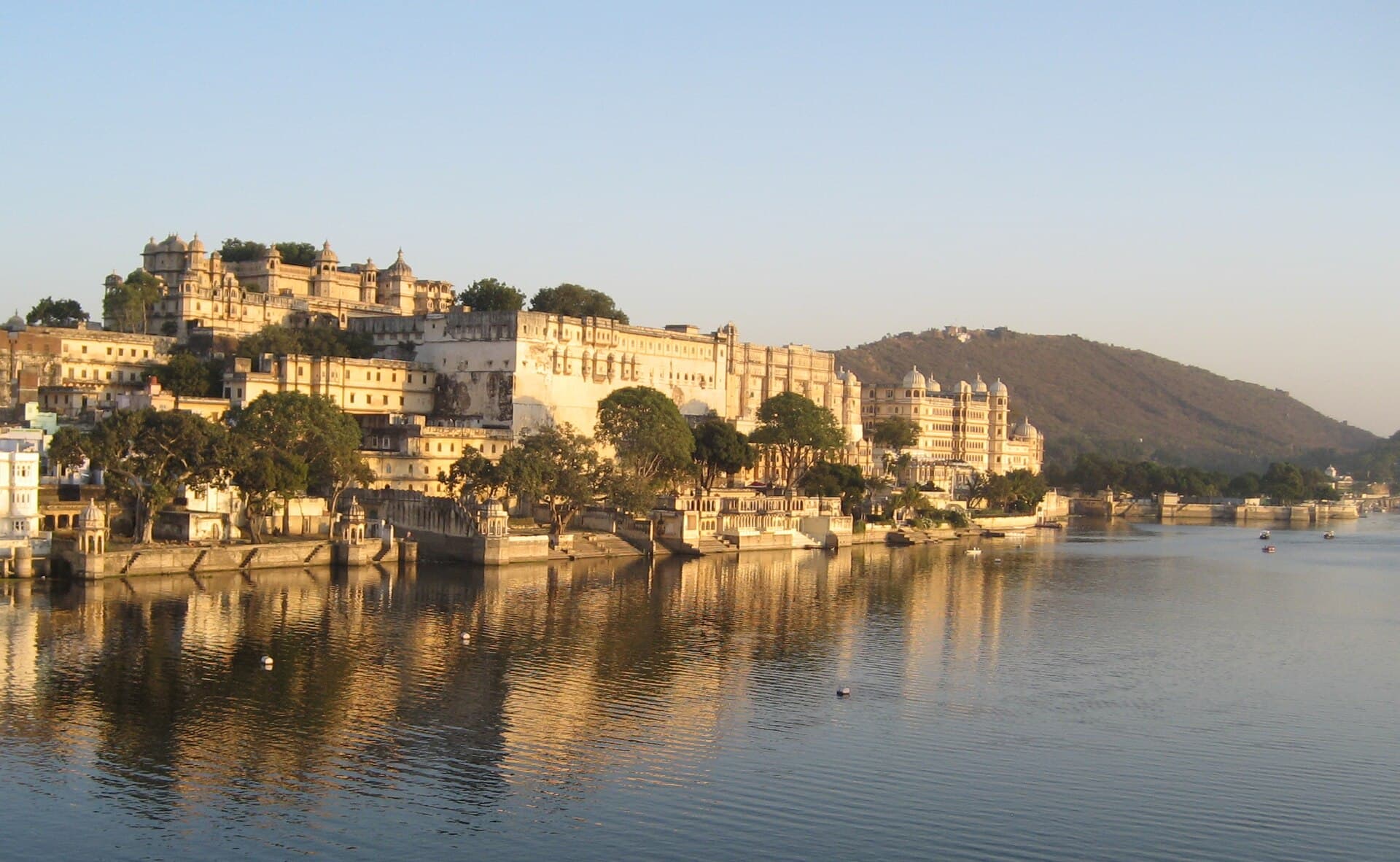
The Indian tourism proposition structures around five complementary major zones. The North (Delhi-Rajasthan) concentrates most historical must-sees: Taj Mahal at Agra, Golden Triangle (Delhi-Agra-Jaipur), Rajasthan forts and palaces (Udaipur city of lakes, Jodhpur blue city, Jaisalmer golden city, Pushkar sacred city), Varanasi the most sacred Hindu city on the Ganges. The South offers a radically different experience: Kerala (Alleppey backwaters, Munnar tea plantations, Varkala and Kovalam beaches, spiced coconut cuisine), Tamil Nadu (monumental Dravidian temples at Madurai, Thanjavur, UNESCO Mahabalipuram), Karnataka (tech-capital Bengaluru, UNESCO Hampi Vijayanagar ruins, Mysore). Goa offers Portuguese colonial heritage and the most festive beaches. Mumbai and Maharashtra concentrate the financial metropolis, Bollywood, and UNESCO Ellora-Ajanta caves. The Indian Himalayas (Ladakh, Himachal Pradesh, Uttarakhand, Sikkim, Darjeeling) offer trekking, Tibetan monasteries and summer freshness.
Indian culture is of unique global intensity. Omnipresent Hinduism (temples, ceremonies, sacred cows, officially abolished but culturally persistent castes), millennia-old classical music (raga, tabla, sitar), sacred dances (Bharatanatyam, Kathak, Odissi), most prolific cinema in the world (Bollywood produces 2,000 films per year, more than Hollywood), varied spiced gastronomy (thali, curry, biryani, tandoori, southern dosa and idli, lassi, masala chai) ranking among the world's most complex. Western travellers must expect constant contrast — extreme wealth and massive poverty coexisting within a metre, spiritual order and visual chaos, sublime beauty and oppressive dirt, meditative slowness and infernal traffic. This very intensity makes India one of the world's most transformative destinations, provided it is approached with preparation, openness and patience.
What we love
- ✅Unmatched UNESCO heritage: 42 sites (3rd worldwide), from Taj Mahal to Ellora-Ajanta caves, Khajuraho temples to Varanasi ghats
- ✅Unique cultural and geographical diversity: Himalayas, deserts, jungles, tropical beaches, metropolises, villages — all in one country
- ✅Legendary spiced gastronomy: thali, biryani, tandoori, curry, southern dosa, lassi — one of the world's richest cuisines
- ✅Highly accessible budget: €50/day comfortable, possible descent to €25/day backpacker mode
- ✅Direct flight from Paris 8h (Delhi, Mumbai) — distance and time zone accessible despite total cultural change
What to know
- ❌Intense sensory chaos: noise, crowds, pollution, smells, wealth-poverty contrast — exhausting for a first trip
- ❌High health risk: frequent Delhi belly, regional dengue and malaria, extreme Delhi air pollution in winter
- ❌Sophisticated tourist scams notably in Delhi (fake tourist office, fake guides, inflated fares)
- ❌Solo female travel requires heightened vigilance (harassment, certain areas to avoid at night)
- ❌Complex logistics: crowded trains, frequent delays, chaotic driving — prefer organised tour for 1st trip
Explore India
Our itineraries
Regions
Popular spots
Situation
Où se situe India ?
Ouvrir la carte en grand sur OpenStreetMap →Frequently asked questions
Do French/Western travellers need a visa for India?+
When is the best time to visit India?+
How many days for India?+
What's the budget for India?+
Is India safe, especially for solo female travellers?+
Mandatory and recommended vaccines for India?+
How to get around India?+
What to eat in India and how to avoid Delhi belly?+
Our verdict
India is not a destination — it is a total civilisational experience, perhaps the world's most intense. 1.43 billion inhabitants, 42 UNESCO sites, 22 official languages, 5,000 years of continuous history, and geographical and cultural diversity that nullifies any generalisation. Our key advice: never underestimate the cultural shock intensity for a Western traveller — Delhi especially can discourage the first days, but the magic then operates. For a first trip, favour the Golden Triangle (Delhi-Agra-Jaipur, 7-10 days) with Rajasthan extension (Udaipur-Jodhpur, 14 days) — the proven classic formula. For a radically different experience, head to Kerala (Kochi-Munnar-Alleppey-Varkala, 10-14 days): gentler atmosphere, coconut gastronomy, soothing backwaters, ideal for a first "gentle" trip. Avoid national monsoon (July-September) except Ladakh or Kerala (romantic landscape). Prefer November-March (cool dry season) despite Delhi pollution. Get vaccinated (Hepatitis A/B, typhoid), plan preventive antibiotics (ciprofloxacin), bottled water exclusively. Budget €50/day comfortable, €25/day backpacker. India demands preparation and patience — it largely rewards the effort.

Expert on India · 1 contributions
 South-East Asia Desk — Mowando·Editor