Mowando

Region

Kerala & South

The gentle, soothing alternative to chaotic North India — Alleppey backwaters in traditional houseboat, Munnar tea plantations at 1,600 m, Varkala tropical beaches, coconut-milk cuisine and millennial Ayurveda tradition.

4.60

The Kerala & South region offers a radically different Indian experience from the North — gentler, more soothing, less chaotic. Kerala ("Land of Coconuts", 38,000 km², 35 million inhabitants) is a coastal state stretching 580 km along the Arabian Sea, between the Western Ghats range east and the Malabar coast west. It is the Indian state with the highest literacy rate (96%), one of the most prosperous, and most marked by Ayurvedic traditions, Syriac-Christian (since the 1st century, St Thomas Christians) and traditional fishing.

Kochi (Cochin) is the historical economic lung of the state, a trading port since the 14th century. The old town of Fort Kochi and Mattancherry hosts a unique blend of influences — Paradesi Synagogue of Cochin (1568, still in service), Chinese fishing nets facing the sea, St Francis Church (1503, where Vasco da Gama was buried before repatriation), Mattancherry Dutch Palace, Jewish quarter (Jew Town).

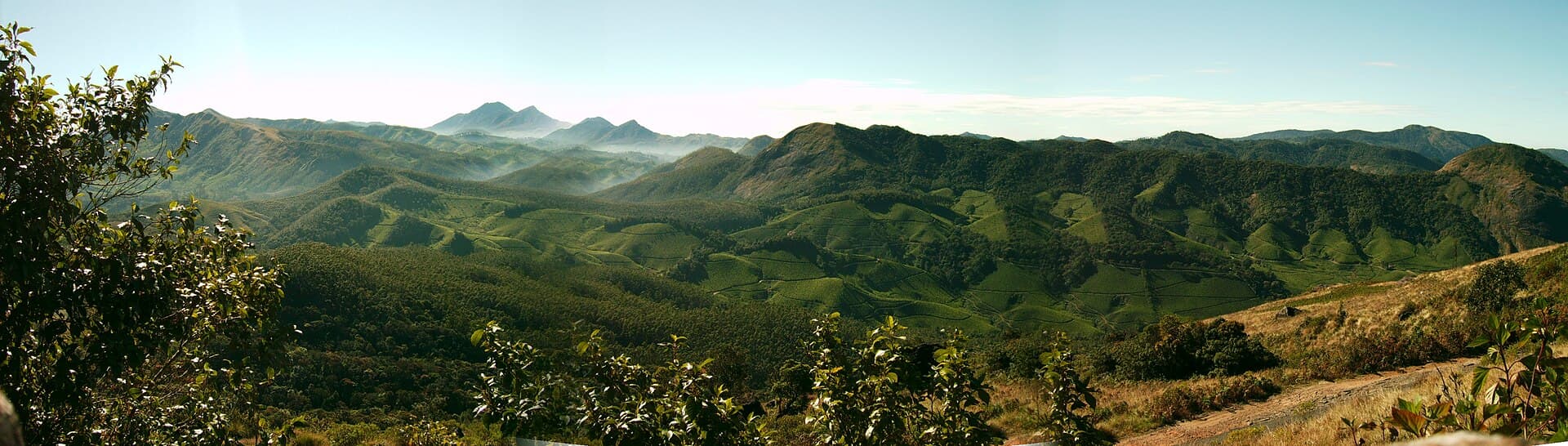
Munnar (1,600 m altitude, 4-5h drive from Kochi through the Ghats) is the quintessential plantation station — hills carpeted with emerald-green tea plantations as far as the eye can see, heritage of the East India Company. Cool altitude climate (12-25 °C), morning mist, waterfalls, natural parks (Eravikulam for Nilgiri tahr observation, Anamudi 2,695 m highest point of South India).

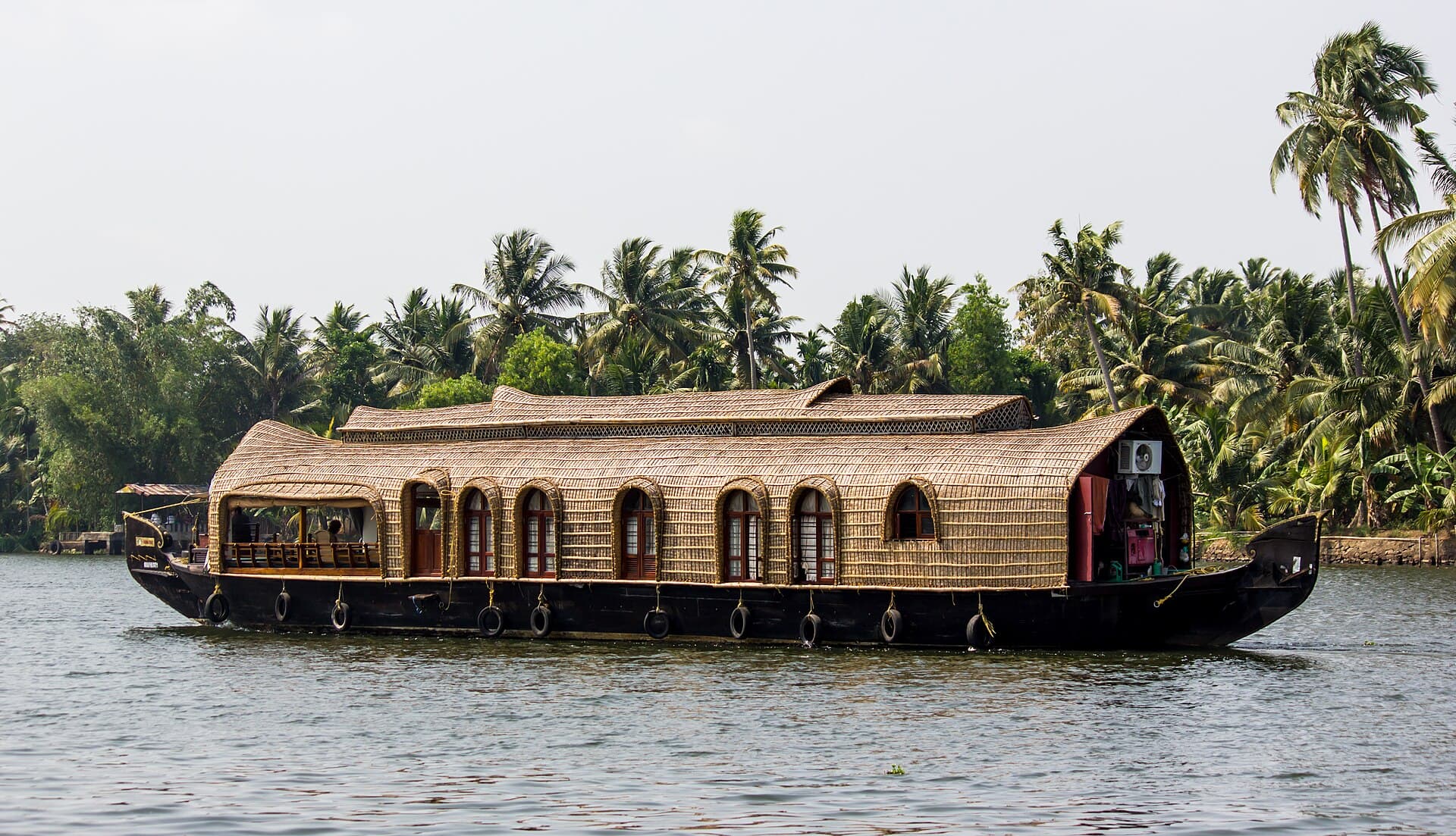
Alleppey (Alappuzha) is the epicentre of the backwaters — a labyrinthine network of canals, rivers, lakes and lagoons (notably Vembanad, 96 km, India's largest lake) stretching over 900 km across Kerala. This is where you board the kettuvallam ("tied boats" in Malayalam) — old traditional rice barges converted into houseboats. A night aboard (€200-600/night for 2) is Kerala's signature experience.

Varkala has become Kerala's most prized beach — spectacular 50 m red cliff overlooking the Arabian Sea, with a clifftop promenade lined with bohemian cafes, restaurants and shops. Hippie-yoga-ayurveda atmosphere, authentic alternative to Goa.

Explore Kerala & South

Spots in the region
Situation

Où se situe Kerala & South ?

Ouvrir la carte en grand sur OpenStreetMap →

Frequently asked questions

How many days for Kerala?+
10-14 days for a coherent complete trip. Optimal itinerary: Kochi 2 nights + Munnar 2 nights + Periyar 2 nights + Alleppey 1-2 nights (houseboat backwaters on Vembanad lake) + Varkala 3-4 nights (final beach). In 7 days: Kochi 1 night + Munnar 2 + Alleppey 1 houseboat + Varkala 3. In 21 days: add Wayanad and a 7-day Ayurvedic cure at Kovalam or Ashtamudi.
Is the Alleppey backwaters houseboat really worth the detour?+
Absolutely, it's Kerala's signature experience and one of India's most memorable. Boarding 12-1pm at Alleppey, 24h navigation on canals and Vembanad lake, village stops, Keralan meals prepared on board, sleep rocked by water lapping, last breakfast and disembarkation 9am next day. Categories: standard 1 cabin (€150-250/night for 2), deluxe 2 cabins (€250-400), premium 3 cabins with deck pool (€500-1,200). Prefer private houseboat over shared. Avoid June-July (monsoon).
Is Munnar worth the long road from Kochi?+
Yes, it's one of South India's most beautiful regions. The road from Kochi (4-5h, 130 km through Western Ghats) is itself magnificent. In Munnar: Tata Tea plantations, Eravikulam National Park (Anamudi 2,695 m highest point of South India, Nilgiri tahr observation), Mattupetty Dam, Top Station (1,700 m panoramic), Echo Point, Attukal waterfalls. Cool climate (12-25 °C) welcome. 2 nights minimum recommended, 3 if you want to really breathe.
How does an Ayurvedic cure in Kerala work?+
Kerala is the historic birthplace of Ayurveda — 5,000-year traditional Indian medicine recognised by WHO. A serious Ayurvedic cure lasts 7-21 days (ideally 14-21) and includes: initial consultation with Ayurvedic doctor (determining your dosha — Vata, Pitta, Kapha), personalised diet (3 vegetarian meals tailored to your dosha), 2 daily treatment sessions (massages with medicinal oils, shirodhara, abhyanga, swedana herbal steam), morning meditation and yoga, sometimes panchakarma (deep detox cure). Recommended centres: Kalari Kovilakom (Palakkad, 350-year-old palace, €400-700/day all inclusive, the Holy Grail), Somatheeram Ayurvedic Health Resort (Kovalam, €250-450/day), Niraamaya Surya Samudra (Kovalam, €300-500/day).
Best arrival airport for Kerala?+
Three airport options. Kochi (COK) — Cochin International Airport is the main hub, Kerala's largest. Excellent arrival point for Kochi-Munnar-Alleppey triangle. No direct flight from Europe — Middle East stopover required (Emirates via Dubai, Qatar Airways via Doha). Trivandrum (TRV) — Thiruvananthapuram International Airport in the South, good for Varkala (50 km) and South Kerala. Calicut (CCJ) — Kozhikode in the North. Our recommendation: arrive at Kochi (COK) for the classic Kochi-Munnar-Alleppey-Varkala circuit, exit at Trivandrum (TRV) from Varkala (50 km, taxi €30) to save the return drive.
Is Kerala cuisine very spicy?+
Moderately spicy compared to Tamil Nadu or Andhra Pradesh, but distinct through massive use of coconut (milk, grated, oil) and local spices (cardamom, Kerala black pepper — one of the world's finest, ginger, turmeric, curry leaves, asafoetida). Must-try dishes: sadya (traditional banquet served on banana leaf during festivals, up to 28 dishes), karimeen pollichathu (local fish cooked in banana leaf), meen moilee (mild coconut fish curry), appam (spongy fermented crepe) with stew, puttu (steamed rice and coconut cylinders), dosa and idli, thoran (vegetables sautéed with grated coconut), payasam (sweetened milk dessert). Signature drink: toddy (fermented palm wine, alcoholic, to taste at authentic toddy shops).

Our verdict

Kerala is the gentle alternative to the chaotic North — the option par excellence for those wanting to discover India without enduring its brutal intensity. Alleppey backwaters by houseboat (the signature experience), Munnar tea plantations at 1,600 m altitude, quiet Varkala beaches, coconut-milk cuisine, Ayurvedic tradition, above-average safety. Our advice: 10-14 days minimum. Optimal itinerary: Kochi 2 nights, Munnar 2 nights, Periyar 2 nights, Alleppey 1-2 nights (houseboat), Varkala 3 nights. Travel by car with driver (€60-80/day). Ideal period: November to March. Avoid June-August (most intense monsoon). For a serious Ayurvedic cure, plan 7-21 days in a certified centre (€300-600/day all inclusive).

Mowando Letter

Once a month: the right destinations for the right season + the best booking windows.

No spam. One-click unsubscribe. Your data is never shared.