Mowando

Region

North Martinique

Saint-Pierre the antique Pompeii of the Caribbean and Mount Pelée which destroyed it in 1902 — North Martinique is the most dramatic and authentic story of the Island of Flowers.

4.80

North Martinique is the most authentic, most mysterious and probably most moving region of the island. This is where the most dramatic history concentrates (the catastrophic eruption of Mount Pelée in May 1902 that annihilated Saint-Pierre, then the economic capital of the French Antilles, and killed nearly 30,000 in minutes), the wildest nature (humid tropical forest of the Regional Natural Park, volcanic summits, waterfalls), the deepest Creole culture (preserved fishing villages, rural markets, bèlè traditions) and the most prestigious AOC agricultural rum production (JM distilleries in Macouba, Neisson in Le Carbet, Depaz in Saint-Pierre).

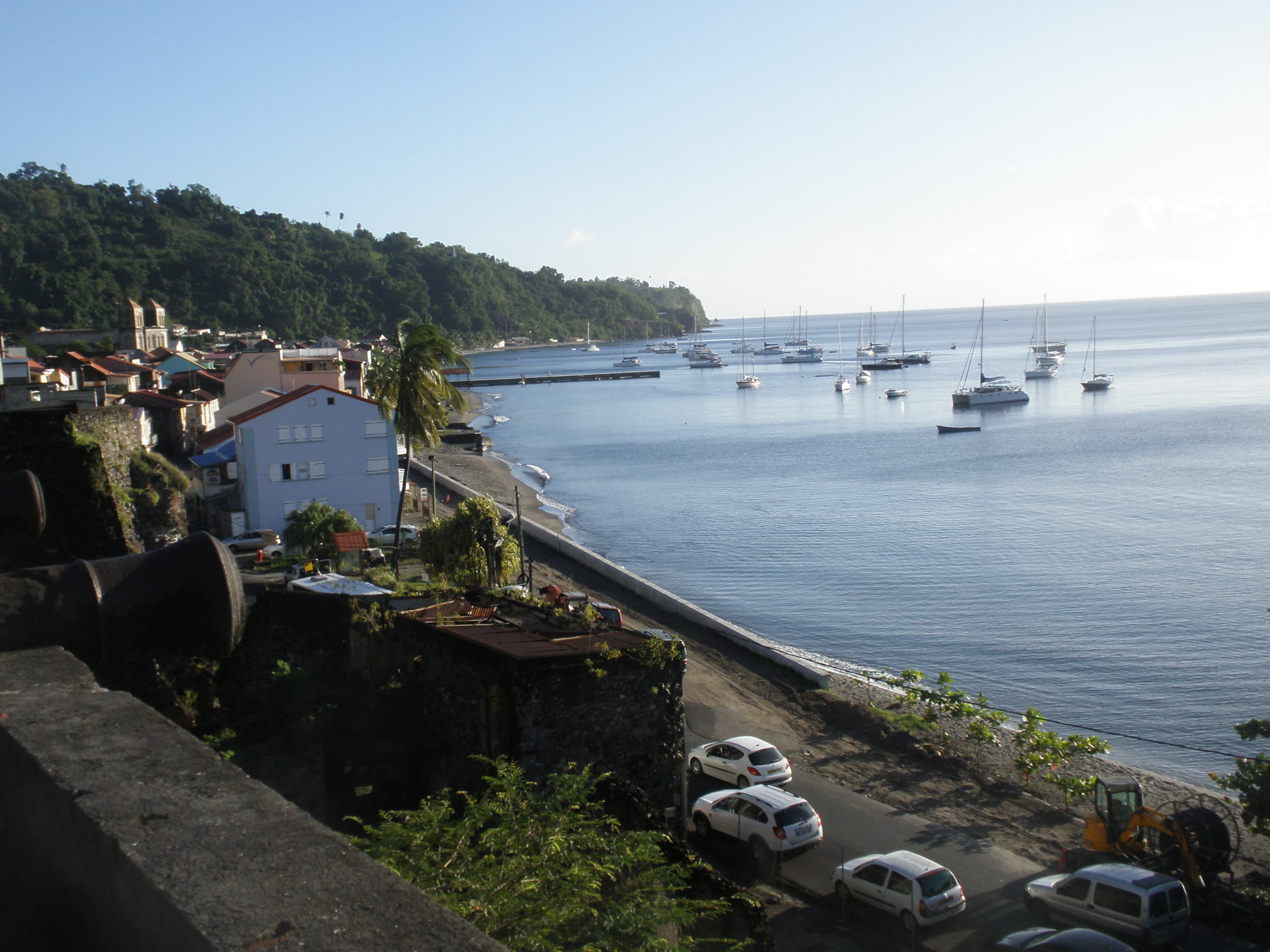
The North is structured in two slopes. The Caribbean slope (west coast), sheltered from the trade winds, stretches from Schoelcher (Centre boundary) to Grand-Rivière (northwestern extremity), via Le Carbet, Saint-Pierre, Le Prêcheur and Anse Couleuvre. This is the historic, gastronomic and seaside coast of the North — black volcanic sand beaches, fishing villages, historic ports, rum distilleries. The Atlantic slope (east coast), more exposed to trade winds, goes from Trinité (Centre boundary) to Basse-Pointe and Macouba. This is the agricultural and industrial coast — sugar cane plantations, distilleries (JM), preserved villages of the deep north, access to the Falaise gorges.

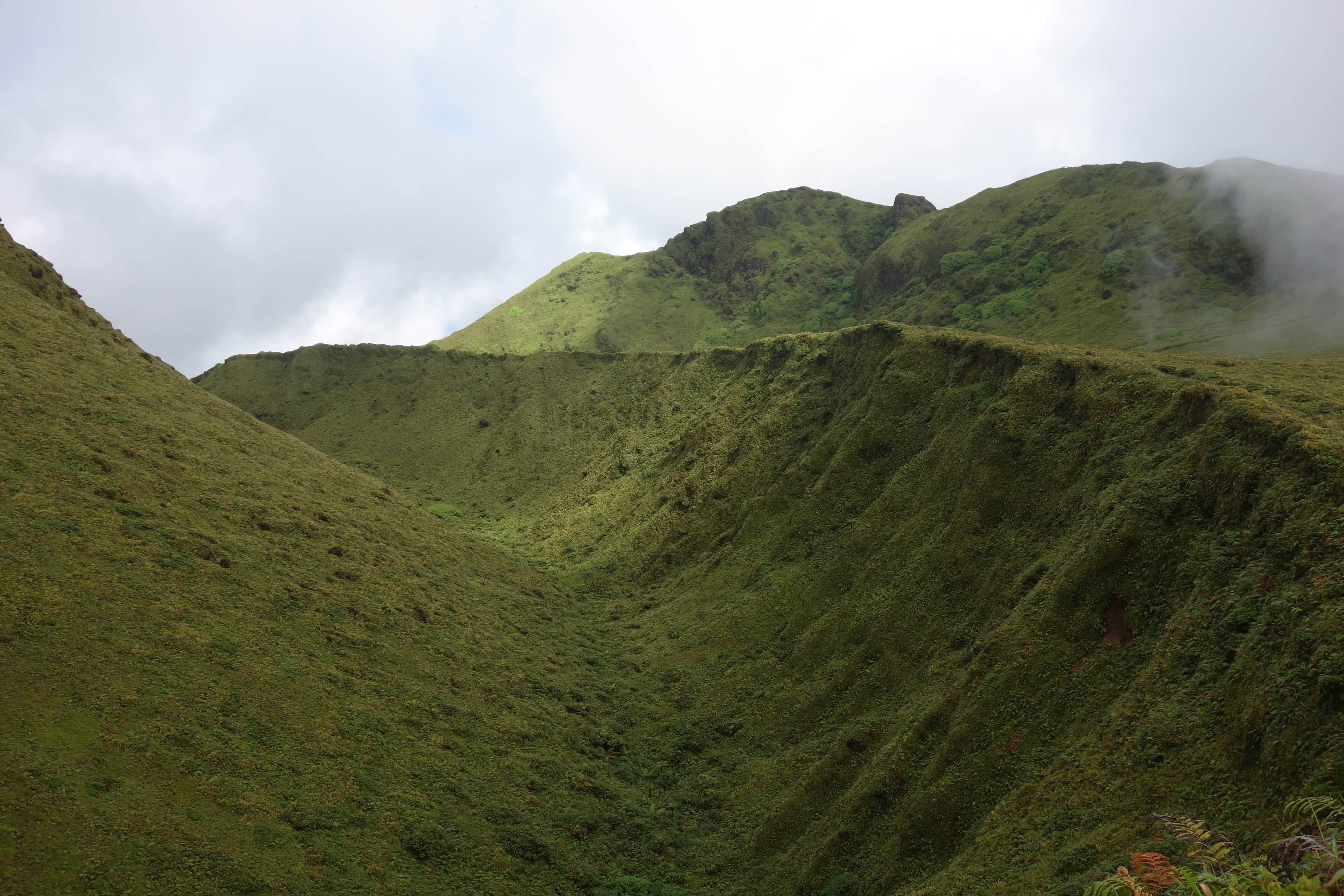
At the heart of the North stands Mount Pelée (1,397 m), active volcano of Peléan type (explosive eruptions with pyroclastic flows), under permanent surveillance by the Volcanological and Seismological Observatory of Martinique (OVSM-IPGP). Hiking to the summit is one of the emblematic experiences of a Martinican stay: Aileron trail (5h round trip, 800 m elevation, intermediate to difficult level depending on weather), accessible at normal alert level. The Morne des Cadets viewpoint (Fonds-Saint-Denis) offers one of the most beautiful panoramas over the volcano from the Caribbean coast.

Explore North Martinique

Spots in the region
Situation

Où se situe North Martinique ?

Ouvrir la carte en grand sur OpenStreetMap →

Frequently asked questions

How many days do you need to visit North Martinique?+
Plan a minimum of 3 days for the three essential poles. Day 1 — Saint-Pierre: morning ruins + Frank Perret Museum + cathedral + theatre, Creole lunch, afternoon Depaz distillery + Le Carbet beach. Day 2 — Mount Pelée: departure before 7am, Aileron trail (5h round trip), descent to Le Carbet, late lunch, rest. Day 3 — deep north: panoramic road to Grand-Rivière, JM distillery in Macouba, Anse Couleuvre (spectacular black sand beach). With 5 days, add the Falaise gorges (canyoning) and Saut du Gendarme.
Is the Mount Pelée hike dangerous?+
Not at normal alert level (to be verified on the OVSM-IPGP website before departure). The Aileron trail is the most accessible: 5h round trip, 800 m elevation, intermediate to difficult level depending on weather. Main risks are weather (thick fog from 9-10am, tropical rains, altitude storms), fatigue (humid tropical heat, sustained elevation) and dehydration. Precautions: leave before 7am, plan 3 L of water per person, high walking shoes, rain clothing, headlamp (in case of fog), charged phone. A compass and GPS track are advised for altitude trails.
Why visit Saint-Pierre?+
Saint-Pierre is one of the most moving memorial places of the Caribbean. Former 'Paris of the Antilles' (economic and cultural capital of Martinique in the 19th century, 30,000 inhabitants), the city was annihilated in minutes on May 8, 1902 by a pyroclastic flow from Mount Pelée (temperature estimated at 1,000°C). Only 2 people survived the eruption out of the 30,000 inhabitants. The ruins (theatre, prison, Cyparis cell, cathedral, former warehouses) have been preserved and constitute an open-air museum. The Frank Perret Museum (American volcanologist who settled in Saint-Pierre in the 1930s) presents the eruption and its aftermath with remarkable pedagogy.
Which black sand beaches to visit in the North?+
Anse Couleuvre (Le Prêcheur, access by 20-min trail from the parking) is probably the most spectacular: very fine volcanic black sand, vegetated cliffs, deep turquoise water contrasting with the sand. Anse Lévrier and Anse Céron (same area, access from Le Prêcheur) offer a more confidential experience. The Carbet beach and Saint-Pierre beach are more accessible (no walking) but less photogenic. These beaches are beaten by Atlantic swell: cautious swimming, follow the flags.
Which distilleries to visit in the North?+
Three unmissable addresses. Depaz (Saint-Pierre, former habitation rebuilt after the eruption, exceptional panorama over the bay and the volcano, free visit with tasting). Neisson (Le Carbet, family distillery founded in 1931, one of the most authentic on the island, free visit). JM (Macouba, at the northern extremity, famous for its exceptional aged rums, paid visit €6, tasting included, magnificent panoramic road to access it). Plan 1-2 hours per visit with tasting, plan a sober driver.
What is the best viewpoint over Mount Pelée?+
Four major belvederes. The Morne des Cadets (Fonds-Saint-Denis, access by road, free parking) offers the most complete panorama over the south face of the volcano. The Verrier viewpoint (on the Aileron road) offers a striking close-up view. The north tip of Saint-Pierre (Bertin square, seafront) gives the historical panorama of the bay facing the volcano. The road between Macouba and Grand-Rivière offers clear views of the north face of the volcano at several points. Best light is in early morning (before 8am) before the formation of altitude clouds.
What to eat in North Martinique?+
The North is one of the most authentic gastronomic terroirs of the island. Table d'hôtes and lolos (Creole snacks) of Le Carbet, Saint-Pierre and Grand-Rivière offer characterful Creole cuisine: court-bouillon of fish (red mullet, snapper), goat colombo (specialty of the heights), land crabs (traditional matoutou of Easter Monday), ouassous (giant freshwater prawns bred in northern rivers), chatrou (octopus), cod accras, Creole black pudding. Old rum from local distilleries (Depaz, Neisson, JM) accompanies meal endings. Reserve in advance the most reputed tables (few seats).

Our verdict

North Martinique is probably the most striking region of a Martinican stay — the one that transforms a seaside trip into a real Antillean narrative. Plan a minimum of 3 days on the North to do justice to its three essential poles: Saint-Pierre (visit of the ruins, Frank Perret Museum, Depaz tasting), Pelée (summit hike via the Aileron trail, in clear weather), and the deep north (Grand-Rivière, Anse Couleuvre, JM distillery in Macouba). Ideally settle in a B&B in Saint-Pierre or Le Carbet to combine authenticity and accessibility. Visit in February-March for the best compromise of weather and crowds, and imperatively plan the Pelée hike early in the morning (departure before 7am) to avoid cloud cover.

Mowando Letter

Once a month: the right destinations for the right season + the best booking windows.

No spam. One-click unsubscribe. Your data is never shared.