ville
Rome
Twenty-eight centuries of history layered into a few square kilometres — Rome is the most historically dense city on the planet.
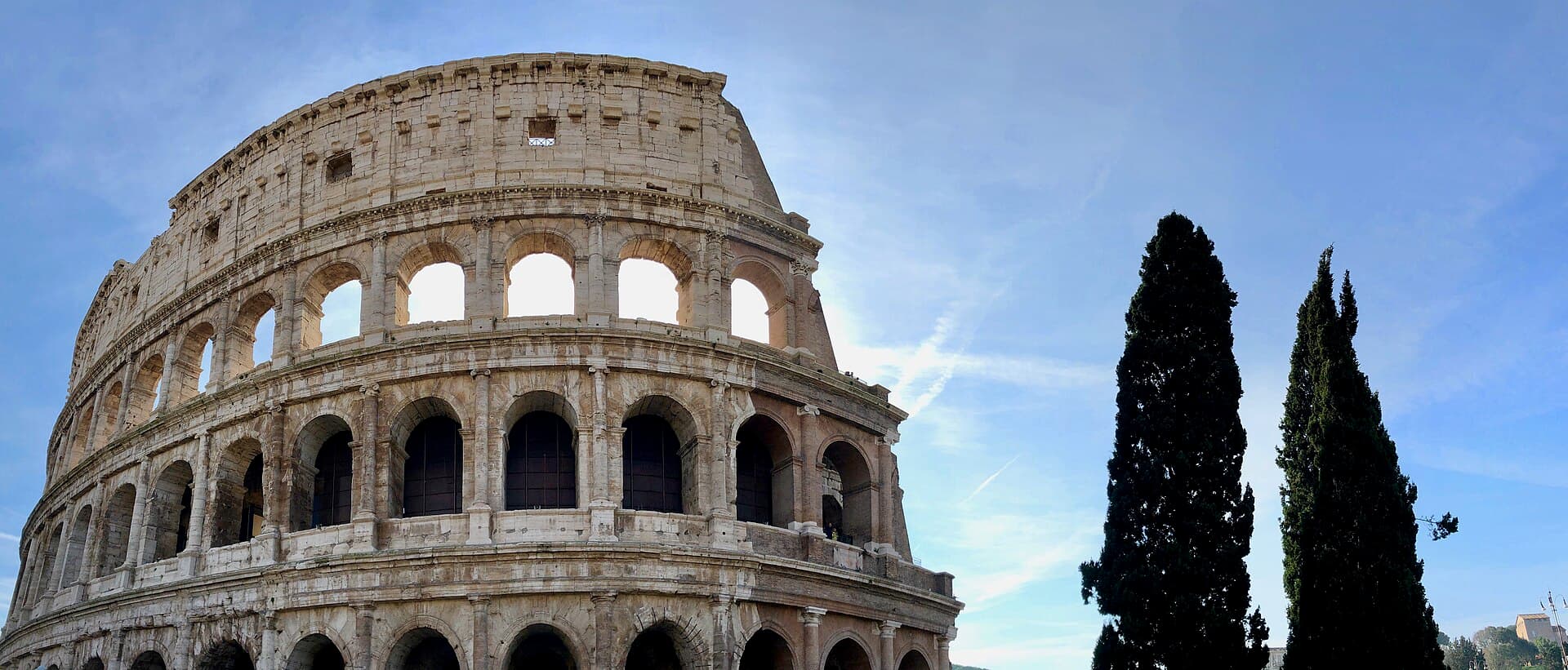
Rome is a city without equal in Europe, and arguably in the world. Nowhere else does history pile up with such density: modern streets run alongside the walls of ancient Rome, seventeenth-century Baroque piazzas open onto temples of Augustus, and Renaissance palazzi share a block with paleochristian basilicas. In three days in Rome, an attentive traveller crosses twenty-eight centuries of Western civilisation — from the Roman Forum where Cicero delivered his speeches to the Vatican Museums where Michelangelo painted the Book of Genesis on a ceiling.
But Rome is not just an open-air museum. It is a living, noisy, passionate, infuriating, captivating city, where the Roman way of life — the evening passeggiata, the standing espresso, the Sunday lunch that runs to three hours — feels as authentic now as it did a century ago. The neighbourhoods of Trastevere, Testaccio, Pigneto and Prati offer a working-class everyday life that contrasts beautifully with the grand monuments at the centre. Rome is two hours from London or Paris by plane, no visa, no currency change required — and yet the change of scene is total. The light is different, the noise is different, the way people lean against the bar to drink an espresso is different. Few cities reward repeat visits as generously: each return reveals new churches, new trattorie, new layers of an inexhaustible city.
What we love
- ✅Heritage without equal: Colosseum, Vatican, Roman Forum, Pantheon, Trevi — all within a few square kilometres
- ✅Living, authentic neighbourhoods (Trastevere, Testaccio) for everyday Roman life
- ✅Roman cuisine: carbonara, cacio e pepe, supplì, Jewish-style artichokes, artisan gelato
- ✅Easy access from across Europe: 2-3 hour flights, the euro, no visa, fast train links
- ✅Unique nightscape: Trevi, Piazza Navona and Piazza del Popolo floodlit until midnight
What to know
- ❌Heavy crowds at headline sights (Vatican, Colosseum) even out of peak — reservations essential
- ❌Punishing summer heat (35-40 °C) makes July-August visits exhausting
- ❌Pickpockets are active on public transport and around tourist sights
- ❌Chaotic traffic and effectively impossible parking in the centre
Situation
Où se situe Rome ?
Ouvrir la carte en grand sur OpenStreetMap →Frequently asked questions
How many days should I plan for Rome?+
How do I skip the queues at the Vatican and the Colosseum?+
Which Rome neighbourhood should I stay in?+
When is the best time to visit Rome?+
Is Roman food worth the hype?+
How do I get around Rome?+
Should I rent a car in Rome?+
Are there any tipping rules in Rome?+
Our verdict
Rome is one of those cities you either love or struggle with, but cannot ignore. The density of its heritage, the everyday authenticity of its neighbourhoods and the warmth of its food culture make it a full-blown travel experience rather than a city break. The friction is real — the crowds, the summer heat, the pickpockets, the buses that don't show up — but it never quite overpowers an experience that touches the foundations of Western civilisation. Three full days is the minimum to start understanding the city; five is when it begins to feel familiar; ten and you realise you've barely begun.
Come ideally in April-May or September, when the light is generous and the temperatures gentle. Book the Colosseum and the Vatican Museums weeks in advance, and never accept a walk-up ticket at the gate in summer — the time you'll spend queueing is time stolen from the rest of the trip. Sleep in Trastevere, Monti or Prati rather than directly on top of the Pantheon: you get better food, better prices and a more authentic morning espresso. Spend at least one evening on a Trastevere terrace as the swifts circle Santa Maria, and one morning at the Mercato di Testaccio buying whatever the cheesemonger recommends. Rome rewards exactly the amount of attention you bring to it — and a little more.
Réserver votre séjour
Liens partenaires — une commission peut nous être reversée, sans surcoût pour vous.
 HébergementAnnulation gratuite
Hôtels & séjours en Italie
Du B&B de charme au palazzo historique, à Rome, Florence, Venise et dans toute la péninsule italienne.
ActivitéCoup de cœurVisites & billets coupe-file en Italie
Colisée, galerie des Offices, basilique Saint-Marc, balade en gondole : évitez les files avec des billets réservés.
VolComparateurVols vers l'Italie
Rome, Venise, Milan, Naples : des vols directs de 1 h 30 à 2 h 30 depuis la France, comparés en un coup d'œil.
Nearby

"Janvier est le mois le plus calme de l'année à Rome : musées quasi vides, pas de file d'attente, tarifs d'hébergement au plancher. Idéal pour les amateurs d'art qui détestent la foule."
Expert on Rome · 1 contributions