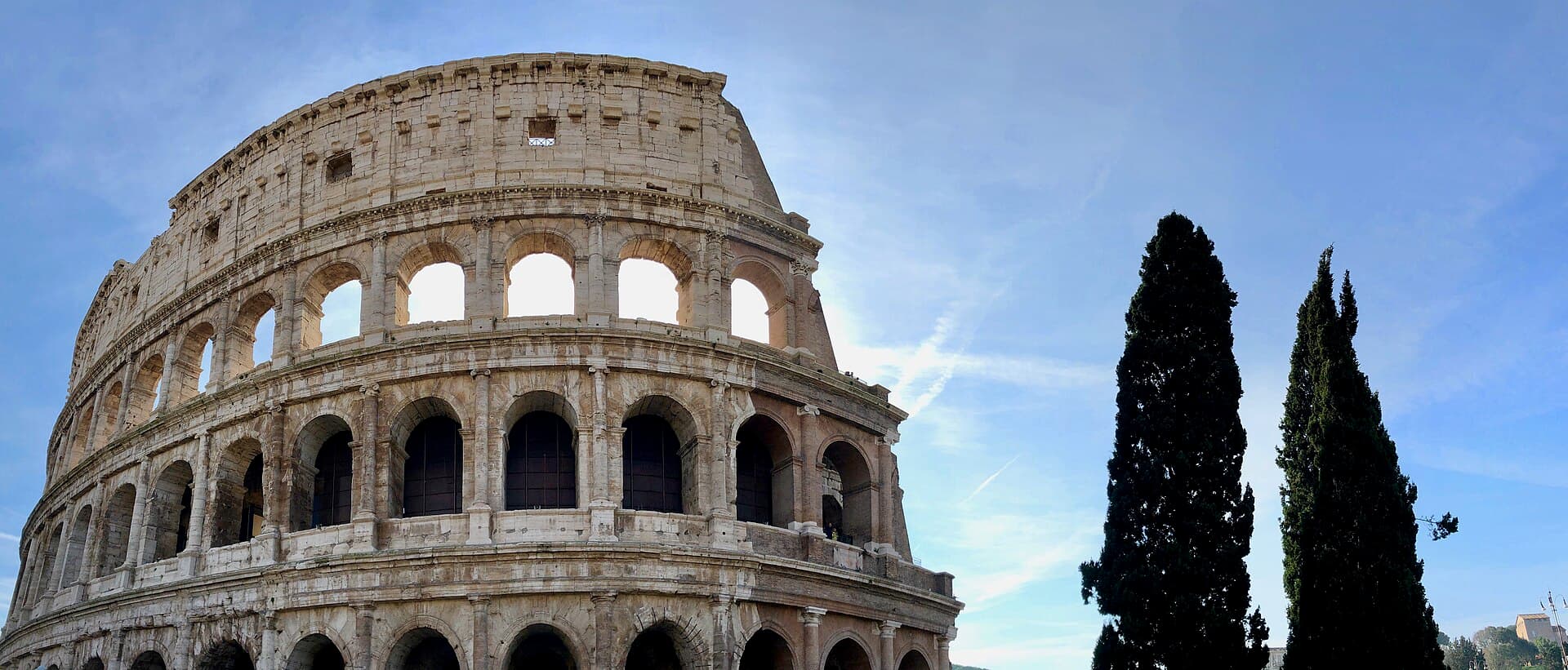

"Janvier est le mois le plus calme de l'année à Rome : musées quasi vides, pas de file d'attente, tarifs d'hébergement au plancher. Idéal pour les amateurs d'art qui détestent la foule."
Expert on Rome · 1 contributions
The best periods
The best time to visit Rome is April to June and September to October. The most recommended months are Juin, Juillet, Août, Septembre.
Printemps — saison idéale
- ✅Temperatures parfaites (18-26 °C), idéales pour visiter les sites en plein air
- ✅Floraison des glicines et des roses, Rome dans sa plus belle tenue
- ✅Affluence croissante mais encore gérable, surtout avant Pâques
- ❌Pâques et jours fériés de mai très chargés, hébergements chers
- ❌Pluies printanières possibles en avril
Été — chaleur et foule
- ✅Longues soirées, terrasses animées, cinéma en plein air dans les parcs
- ✅Nombreux festivals culturels (Estate Romana)
- ❌Chaleur étouffante (35-40 °C en juillet-août), visites épuisantes
- ❌Foule maximale, files d'attente de plusieurs heures devant les sites phares
- ❌Août : Ferragosto — de nombreux commerces et restaurants ferment
Automne — douceur et authenticité
- ✅Temperatures agréables (20-26 °C), lumière méditerranéenne dorée
- ✅Fréquentation en baisse après la rentrée, sites plus sereins
- ✅Gastronomie d'automne : champignons, artichauts, vins nouveaux du Latium
- ❌Pluies possibles en octobre, quelques journées grises
- ❌Jours plus courts à partir d'octobre
Month-by-month climate
Temperatures, rainfall and sunshine in Rome across the 12 months.
| Jan | Fév | Mar | Avr | Mai | Juin | Jui | Aoû | Sep | Oct | Nov | Déc | |
|---|---|---|---|---|---|---|---|---|---|---|---|---|
| Min | 4° | 5° | 6° | 8° | 14° | 18° | 21° | 21° | 17° | 14° | 9° | 6° |
| Max | 13° | 15° | 17° | 19° | 24° | 29° | 34° | 33° | 28° | 23° | 18° | 14° |
| Mer | — | — | — | — | — | — | — | — | — | — | — | — |
| Pluie | 69mm | 56mm | 82mm | 63mm | 67mm | 49mm | 12mm | 41mm | 93mm | 90mm | 139mm | 127mm |
| Soleil/j | 7.1h | 8.7h | 9.4h | 10.8h | 11.6h | 13.2h | 13.8h | 12.7h | 10.9h | 8.8h | 7.3h | 6.6h |
Tourist crowds
Monthly attendance levels (0 = empty, 100 = saturated).
Average flight prices
Average round-trip Paris → Rome by month.
Frequently asked questions
How many days should I plan for Rome?+
How do I skip the queues at the Vatican and the Colosseum?+
Which Rome neighbourhood should I stay in?+
When is the best time to visit Rome?+
Is Roman food worth the hype?+
How do I get around Rome?+
Should I rent a car in Rome?+
Are there any tipping rules in Rome?+
Our verdict
Rome is one of those cities you either love or struggle with, but cannot ignore. The density of its heritage, the everyday authenticity of its neighbourhoods and the warmth of its food culture make it a full-blown travel experience rather than a city break. The friction is real — the crowds, the summer heat, the pickpockets, the buses that don't show up — but it never quite overpowers an experience that touches the foundations of Western civilisation. Three full days is the minimum to start understanding the city; five is when it begins to feel familiar; ten and you realise you've barely begun.
Come ideally in April-May or September, when the light is generous and the temperatures gentle. Book the Colosseum and the Vatican Museums weeks in advance, and never accept a walk-up ticket at the gate in summer — the time you'll spend queueing is time stolen from the rest of the trip. Sleep in Trastevere, Monti or Prati rather than directly on top of the Pantheon: you get better food, better prices and a more authentic morning espresso. Spend at least one evening on a Trastevere terrace as the swifts circle Santa Maria, and one morning at the Mercato di Testaccio buying whatever the cheesemonger recommends. Rome rewards exactly the amount of attention you bring to it — and a little more.
Réserver votre séjour
Liens partenaires — une commission peut nous être reversée, sans surcoût pour vous.
 HébergementAnnulation gratuite
Hôtels & séjours en Italie
Du B&B de charme au palazzo historique, à Rome, Florence, Venise et dans toute la péninsule italienne.
ActivitéCoup de cœurVisites & billets coupe-file en Italie
Colisée, galerie des Offices, basilique Saint-Marc, balade en gondole : évitez les files avec des billets réservés.
VolComparateurVols vers l'Italie
Rome, Venise, Milan, Naples : des vols directs de 1 h 30 à 2 h 30 depuis la France, comparés en un coup d'œil.
Similar destinations