Region
Central Italy
The artistic and historical heart of Italy: ancient Rome, Renaissance Florence and the postcard Tuscan landscape, all in a single region.
Central Italy is where most of the Italian identity was forged. It groups together Lazio, Tuscany, Umbria and Le Marche — a contiguous block of countryside and city that holds an artistic and historic density unmatched anywhere in Europe. Rome, the Eternal City, layers twenty-eight centuries of history across a few square kilometres — Antiquity, Empire, medieval Christendom, the Renaissance, the Baroque — with the Vatican at its core. Florence, world capital of the Renaissance, shelters the Uffizi, Brunelleschi's Dome and Michelangelo's sculptures inside a human-scale city that remains one of the most beautiful in Italy.
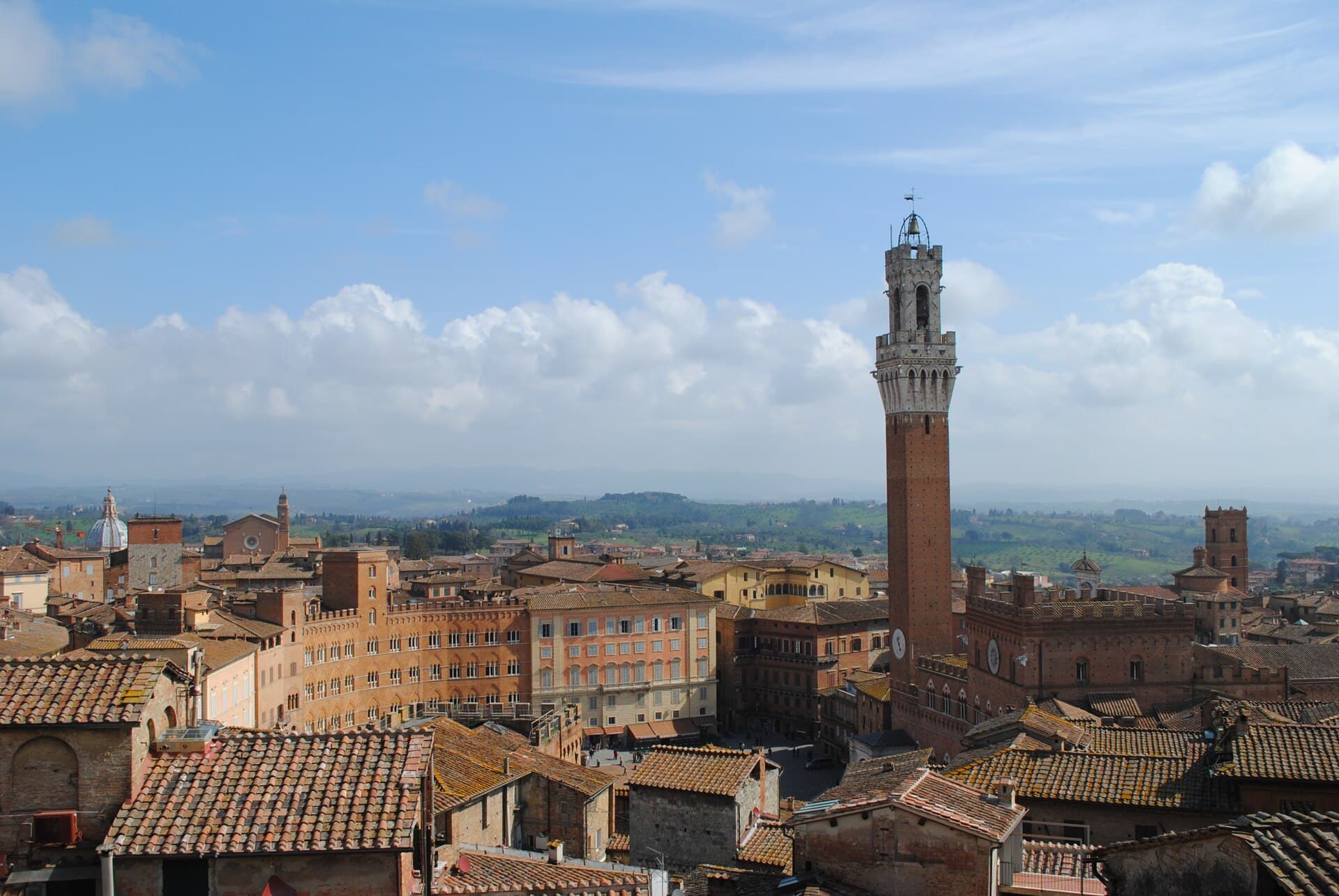
Between these two urban poles, the region unfolds the landscapes that inspired fifteenth-century painters: the rounded hills of the Val d'Orcia (UNESCO), the terraced vineyards of Chianti, the cypress-lined Tuscan poderi, the silvery olive groves of Umbria and the hilltop borghi of Le Marche. The alternation between heavy cultural density in the cities and a softer rural sweetness in between is what makes Central Italy work equally well for an art-led blitz or for a slow week in an agriturismo among the vines.
Gastronomically, the region is no less rich than artistically. Chianti Classico and Brunello di Montalcino, Vino Nobile di Montepulciano, white truffles from San Miniato, the Florentine bistecca over chestnut embers, Roman pasta classics built on guanciale and pecorino — these are not regional curiosities but core dishes of Central Italy's culinary heritage, and the simplest trattoria in Trastevere or San Niccolò usually does them better than the fanciest hotel restaurant.
Situation
Où se situe Central Italy ?
Ouvrir la carte en grand sur OpenStreetMap →Frequently asked questions
How many days do I need for Central Italy?+
How do I travel between Rome and Florence?+
Should I start my trip in Rome or Florence?+
Do I need to rent a car in Central Italy?+
What's the best base for exploring Tuscany?+
Is there more to Rome than the Vatican and the Colosseum?+
What is an agriturismo and how do I choose one?+
Our verdict
Central Italy is the region that on its own justifies an Italian trip. The Rome-Florence pairing concentrates an artistic and historical heritage with no real equivalent anywhere in the world, beautifully framed by the gentle Tuscan and Umbrian countryside. Come in spring or autumn for a calmer experience, book the headline museums weeks ahead of arrival, and allow yourself to be surprised by the second-string cities — Siena, Perugia, Lucca, Orvieto — which often deliver the authenticity the big two have partly traded away.
A pragmatic plan looks like this: open the trip in Rome (three to four nights) for Antiquity and the Baroque, hop on the Frecciarossa to Florence (two to three nights) for the Renaissance, then steal a couple of nights in a Chianti agriturismo for slow living, cypress avenues and an unrushed dinner. Add Siena or Lucca on the way down, swap two days for Orvieto, Assisi or Perugia if Umbria pulls at you, and finish back in Rome or out via Pisa. Central Italy is at its best when you stop trying to tick everything off and start letting the region's pace catch you — usually around the second espresso of the morning.