ville
Bangkok
A megacity of 10 million where gold-spired temples stand beside glass skyscrapers — Bangkok is Southeast Asia's most captivating city.
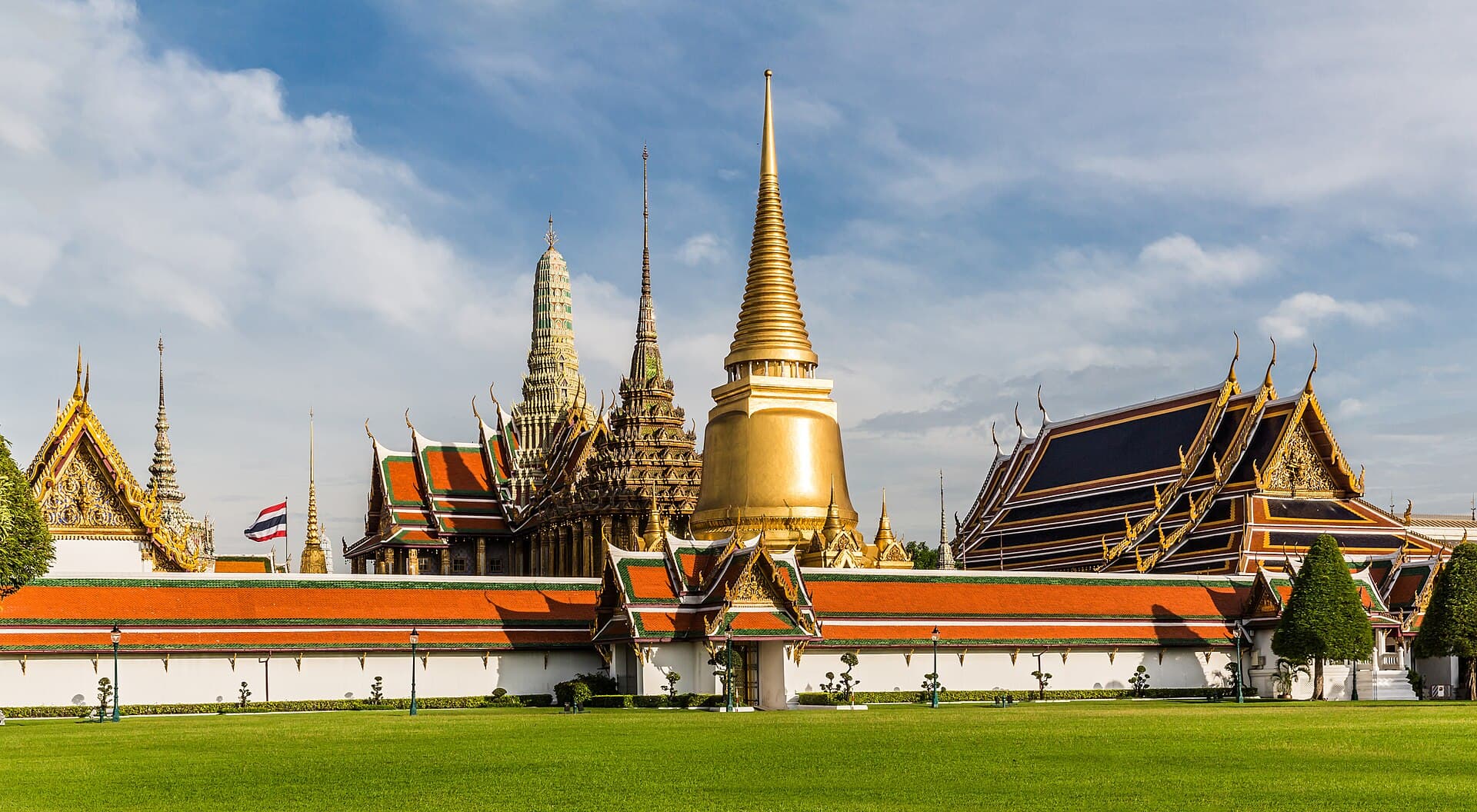
Bangkok (Krung Thep to Thais) is one of the most intense and most captivating metropolises in Asia. Some 10 to 15 million people live in a vertical tangle of gold-spired Buddhist temples, floating markets, ultramodern shopping malls, steaming street-food lanes and glass towers reflecting the tropical sky. The city is simultaneously a millennium-old royal capital and a 21st-century urban machine, and it is this tension between past and present that makes Bangkok unforgettable.
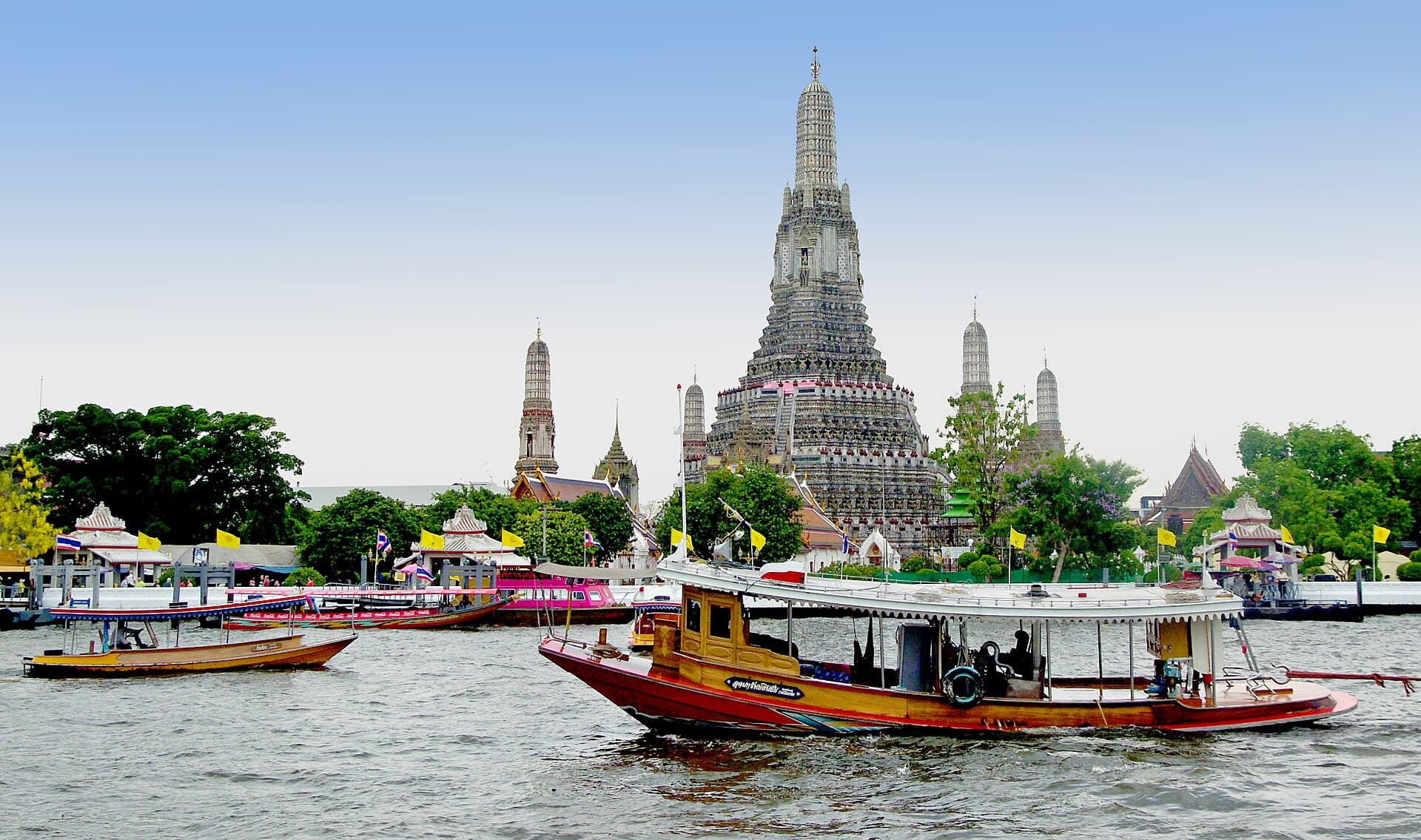
The headline sights are plentiful: Wat Phra Kaew and the Grand Palace, Wat Pho with its 46-metre reclining Buddha, Wat Arun glittering in porcelain on the banks of the Chao Phraya, the Chatuchak and Chinatown markets, the canals of old Bangkok. But the city also keeps its surprises for those willing to step off the marked trail: a hidden café in a Chinatown shophouse, a neighbourhood temple where monks chant at sunrise, a back-soi night market untouched by any guidebook.
Few Asian capitals reward curiosity quite so generously. Each district has its own grammar — Rattanakosin its royal heritage, Yaowarat its gilded chaos, Sukhumvit its glassy international face, Thonburi its riverside calm. Move between them by BTS, by river boat or on foot through the alleyways, and Bangkok slowly stops being a single overwhelming city and becomes a stack of villages, each with its own pace, smell and small loyal crowd.
What we love
- ✅Exceptional concentration of Buddhist temples among the world's finest
- ✅World-class street food: pad thai, som tam, pad kra pao on every corner
- ✅Intense and varied nightlife, from sky-bars to underground clubs
- ✅High-performing transport: BTS Skytrain, MRT, river boats — Bangkok actually moves
- ✅Shopping: from Chatuchak weekend market crafts to the Siam mall designer brands
What to know
- ❌Punishing heat and humidity from April to October (35-40 °C)
- ❌Air pollution and chronic traffic in areas without BTS
- ❌The Grand Palace and floating markets are heavily touristed — gem scams are common
- ❌A daunting city for first-time visitors: vast and complex
Situation
Où se situe Bangkok ?
Ouvrir la carte en grand sur OpenStreetMap →Frequently asked questions
How many days do I need in Bangkok?+
When is the best time to visit Bangkok?+
How do I get around Bangkok?+
Which temples are unmissable in Bangkok?+
Where can I eat the best street food in Bangkok?+
Is Bangkok safe for tourists?+
Do I need to cover up to visit Bangkok's temples?+
Can I take a day trip to Ayutthaya from Bangkok?+
Our verdict
Bangkok is one of those cities that leaves a lasting mark: the gold of the temples, the fire of the street spices, the gentleness of the Thai smile — everything combines into a singular experience. The Thai capital is ideal at the beginning or the end of an itinerary, and deserves a minimum of 3 to 4 days to grasp its full diversity. Come in the cool season (November to February), use the BTS rather than taxis for getting around, and treat yourself to a sunset from a rooftop bar — Bangkok under the last rays of evening is unforgettable.
Our take: don't try to tame Bangkok in a single visit. Pick two districts, walk them at dawn and at dusk, eat where the office workers eat at lunchtime, and let the rest unfold. The city is too big and too layered to be conquered in one trip — and that, in the end, is precisely the reason most travellers come back.
Réserver votre séjour
Liens partenaires — une commission peut nous être reversée, sans surcoût pour vous.
 HébergementAnnulation gratuite
Hôtels & resorts en Thaïlande
Guesthouses de Bangkok, resorts des îles du Sud et lodges du Nord : comparez tout le royaume au meilleur prix.
ActivitéCoup de cœurTemples, îles & excursions en Thaïlande
Grand Palais de Bangkok, île-hopping vers Phi Phi, sanctuaires d'éléphants éthiques : la Thaïlande à la carte.
VolComparateurVols vers la Thaïlande
Bangkok en vol direct ou avec escale (environ 11 à 12 h) : comparez les tarifs, au plus bas hors vacances scolaires.
Nearby

"Janvier est le meilleur mois pour Bangkok : fraîcheur relative, ciel bleu, idéal pour les visites de temples et les marchés nocturnes. Réservez à l'avance."
Expert on Bangkok · 1 contributions