ile
Lombok
An island with two faces: a towering volcano for trekkers and some of Indonesia's most untouched beaches for beach lovers.
Lombok is a 4,725-square-kilometre island in Indonesia's West Nusa Tenggara province, separated from Bali by the 35-km Lombok Strait — a stretch of water that also marks the Wallace Line, the zoogeographic frontier between Asian and Australasian fauna. The island is anchored by Mount Rinjani (3,726 m), Indonesia's second-highest volcano and one of the great hikes in Southeast Asia. The crater holds Lake Segara Anak at 2,000 metres, fed by hot springs and dominated by the young volcanic cone of Gunung Baru (2,376 m), still steaming at its centre — together one of the most striking volcanic panoramas in the region.
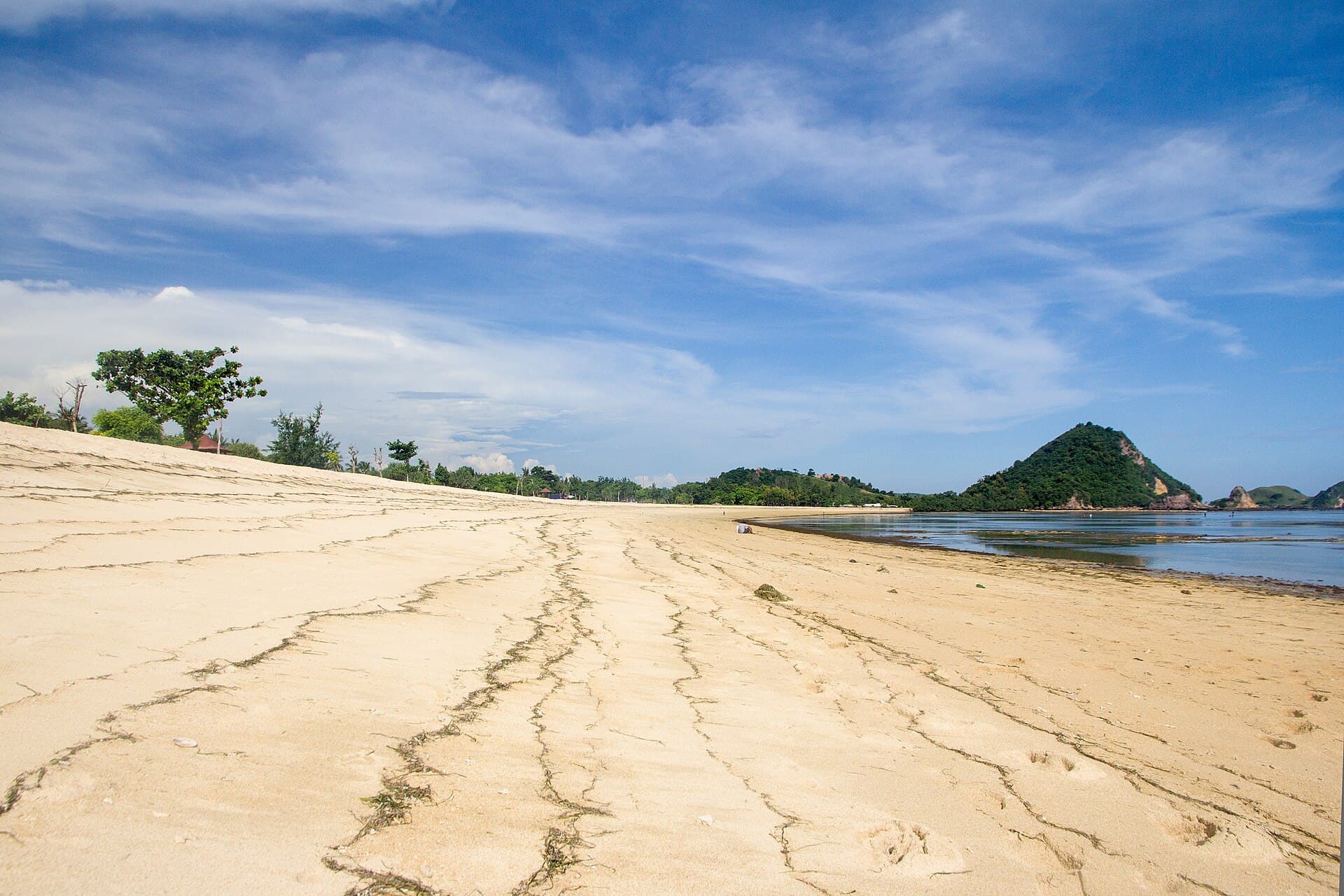
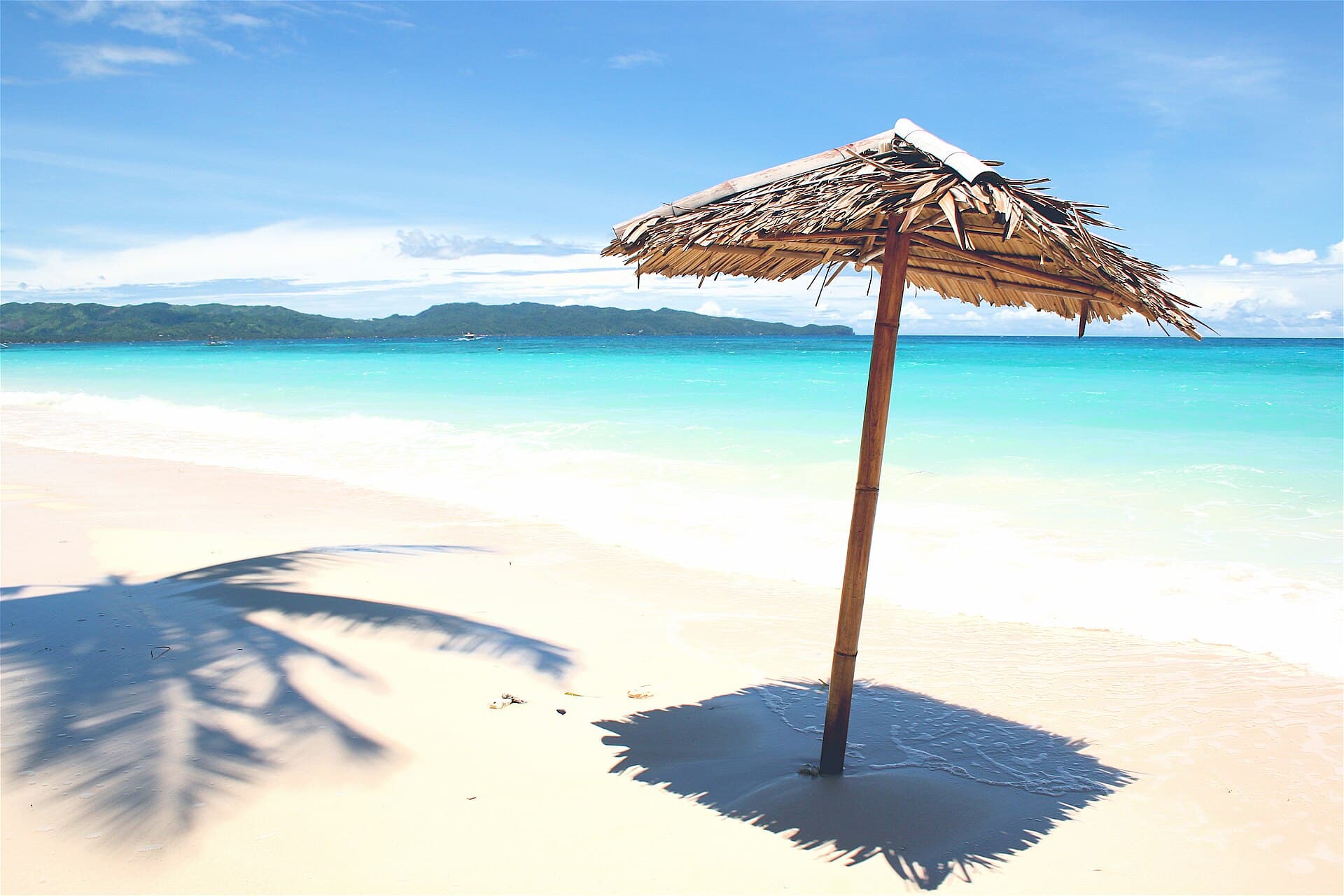
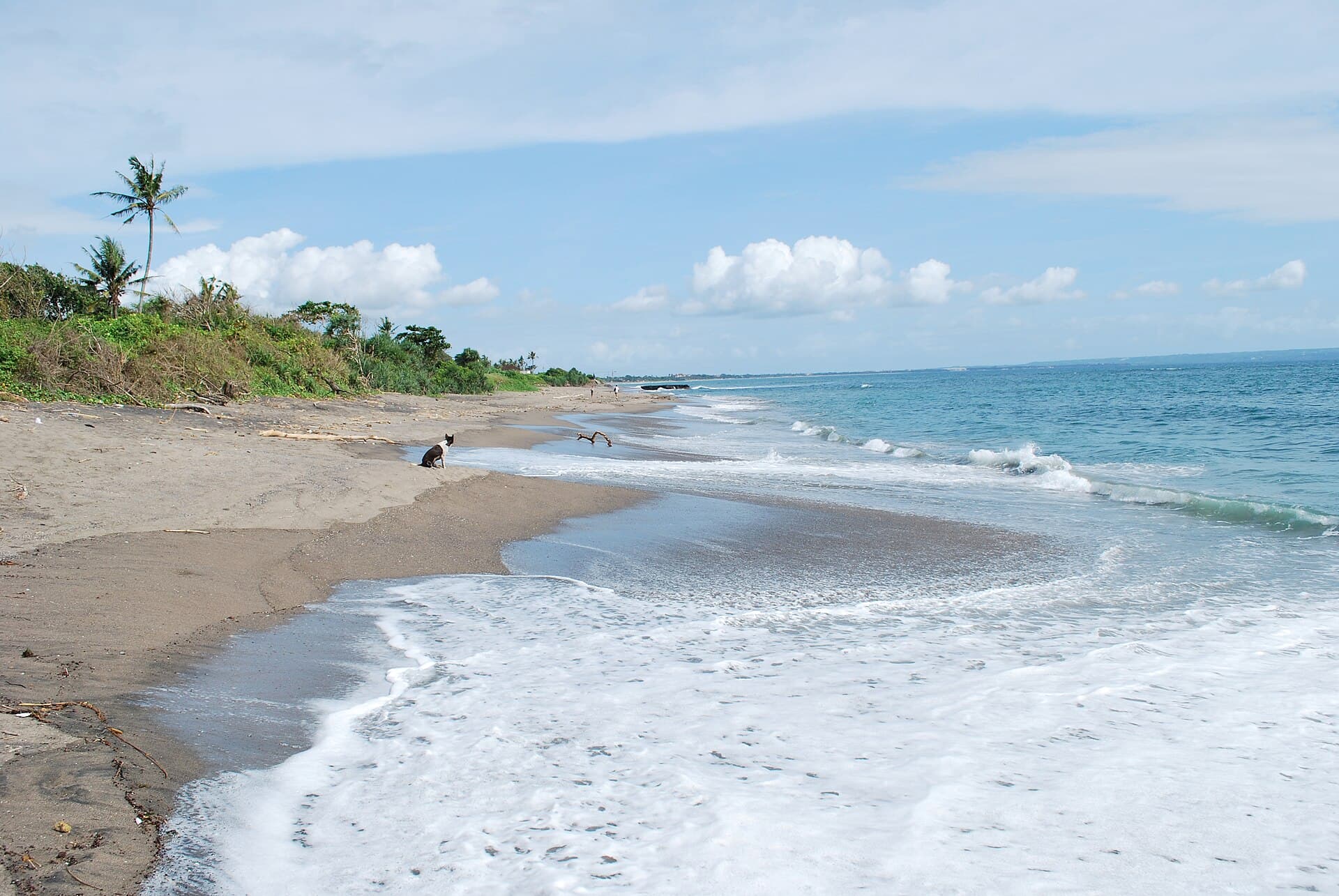
Southern Lombok holds some of Indonesia's most beautiful beaches, still largely untouched by the kind of mass tourism that has reshaped Bali. Tanjung Aan — with its unusual two-tone sand (white and beige) and twin turquoise-and-emerald bays — is consistently ranked among Asia's finest beaches. Mawun, Selong Belanak and Selong Blanak are equally striking. The local population is predominantly Sasak, an Indonesian Muslim ethnic group with its own language, architecture and craft traditions — including the pottery of Banyumulek and the ikat weaving of Sukarara. Between the volcano, the southern coast and the Sasak villages, Lombok offers one of the most rounded island experiences in Indonesia for travellers willing to step beyond Bali.
What we love
- ✅Mount Rinjani trek (3,726 m), one of Asia's most epic volcanic hikes
- ✅Southern beaches (Tanjung Aan, Mawun) among Indonesia's most beautiful, still quiet
- ✅Authentic Sasak culture distinct from Bali — pottery and weaving villages to visit
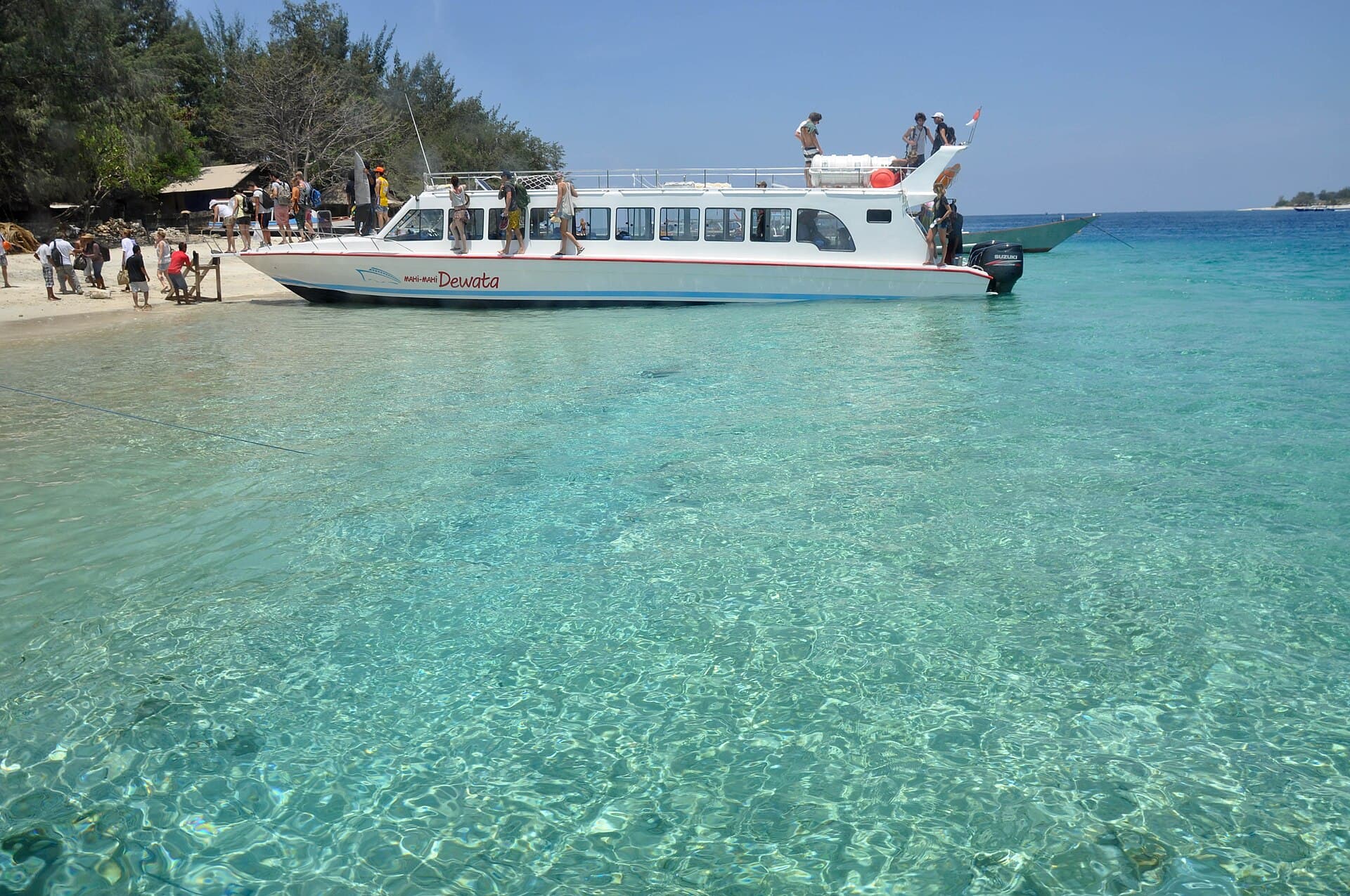
- ✅Ideal gateway to the Gili Islands (30 minutes from Bangsal)
- ✅More affordable than Bali for arguably superior natural settings
What to know
- ❌Tourism infrastructure thinner than Bali: fewer restaurants, hotels and activities
- ❌Rinjani closed from December through March — the least recommended period
- ❌Significant seismic risk — magnitude 7 earthquake in 2018
- ❌Limited local transport; scooter or driver hire essentially mandatory
Situation
Où se situe Lombok ?
Ouvrir la carte en grand sur OpenStreetMap →Frequently asked questions
How do you get to Lombok from Bali?+
Is the Mount Rinjani trek difficult?+
Which is the best beach in Lombok?+
How do you get around in Lombok?+
What is Sasak culture and how do you experience it?+
Is Lombok safe after the 2018 earthquake?+
Can you surf in Lombok?+
Our verdict
Lombok is the Indonesian destination travellers most often regret not staying longer on. The island delivers an unusually rounded experience: the Rinjani trek for the volcanic-adventure crowd, beaches that hold their own against the best in Asia, an authentic Sasak culture and a streamlined logistical setup thanks to the proximity of the Gili Islands. For travellers ready to trade a slice of Bali's comfort for wilder landscapes and real authenticity, Lombok is one of the most satisfying revelations in the region.
The practical recipe: combine Lombok with the Gili Islands over a 7-to-10-day window. Start with two days of diving on Gili Trawangan, cross to Lombok for two more days on the southern beaches, then tackle the Rinjani trek if your fitness allows. Travel between May and September for the best window — May, June and September offer the strongest balance of weather and crowd levels. Skip the wet-season months (December to March) if you want the volcano on the menu. Book guides and fast boats well ahead in summer, and treat Lombok as the main event rather than a Bali side-trip — it earns the billing.
Réserver votre séjour
Liens partenaires — une commission peut nous être reversée, sans surcoût pour vous.
 HébergementAnnulation gratuite
Hôtels & villas en Indonésie
Villas privées de Bali, bungalows des Gili et guesthouses d'Ubud : comparez les hébergements de tout l'archipel.
ActivitéCoup de cœurTemples, volcans & plongée en Indonésie
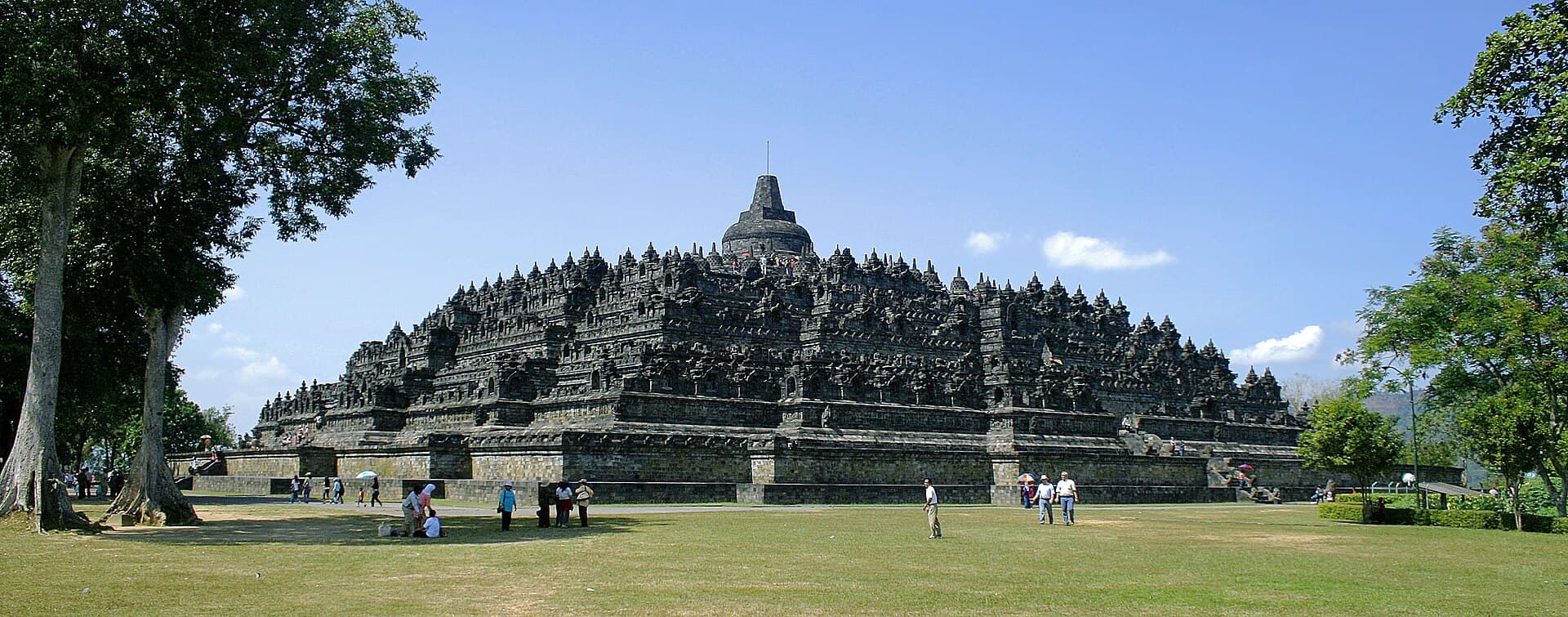
Lever de soleil sur Borobudur, ascension de volcans, plongée aux Gili, rizières d'Ubud : les expériences phares.
VolComparateurVols vers l'Indonésie
Bali (Denpasar) et Jakarta via une escale : comparez les compagnies sur ce long-courrier d'environ 16 à 18 h.
Nearby

"Janvier est la période creuse à Lombok : pluies abondantes, Rinjani fermé, plages du sud avec des houles puissantes. Seuls les voyageurs cherchant l'authenticité et les prix bas s'y aventurent."
Expert on Lombok · 1 contributions