ville
Santiago de Cuba
Cuba's most Caribbean city — tropical heat unapologetically owned, a unique Afro-Cuban mix, cradle of the Castro revolution and undisputed capital of Cuban music.
Santiago de Cuba is the country's second city (425,000 inhabitants), capital of Oriente province and arguably the most singular of all Cuban cities. Founded in 1515 by Diego Velázquez on the most sheltered natural bay in the Caribbean, it was Cuba's capital long before that title transferred to Havana in 1607. Set 870 km east of Havana, at the eastern tip of the island, Santiago lives at its own rhythm — hotter, more Caribbean, more African, more festive and more rebellious than the rest of the country.
The city is the cradle of the Cuban revolution. It was here, on 26 July 1953, that Fidel Castro and 130 young revolutionaries attacked the Moncada barracks — a failed military operation but the symbolic beginning of the 26 July Movement. It was also in Santiago that the revolution symbolically triumphed on 1 January 1959, when Castro proclaimed victory from the town hall balcony. The Santa Ifigenia cemetery holds the mausoleum of José Martí (national hero) and the tomb of Fidel Castro (since 2016) — one of the most emotionally charged sites in the country.
But Santiago is also Cuba's musical capital. Cradle of the son cubano (the quintessential traditional Cuban style, ancestor of salsa, mambo and cha-cha-cha), it produced the Buena Vista Social Club, Compay Segundo, Eliades Ochoa and many other legends. The Casa de la Trova, the Casa de la Música and countless peñas (informal music clubs) keep the city vibrating every evening. The Santiago Carnival (third week of July) is the biggest in Cuba — comparsa parades, giant conga processions, an atmosphere comparable to Salvador de Bahia or Trinidad's carnival.
What we love
- ✅Cradle of the Cuban revolution: Moncada barracks, Santa Ifigenia cemetery, Castro mausoleum
- ✅Musical capital: birthplace of son cubano, vibrant live scene every evening at the casas de la trova
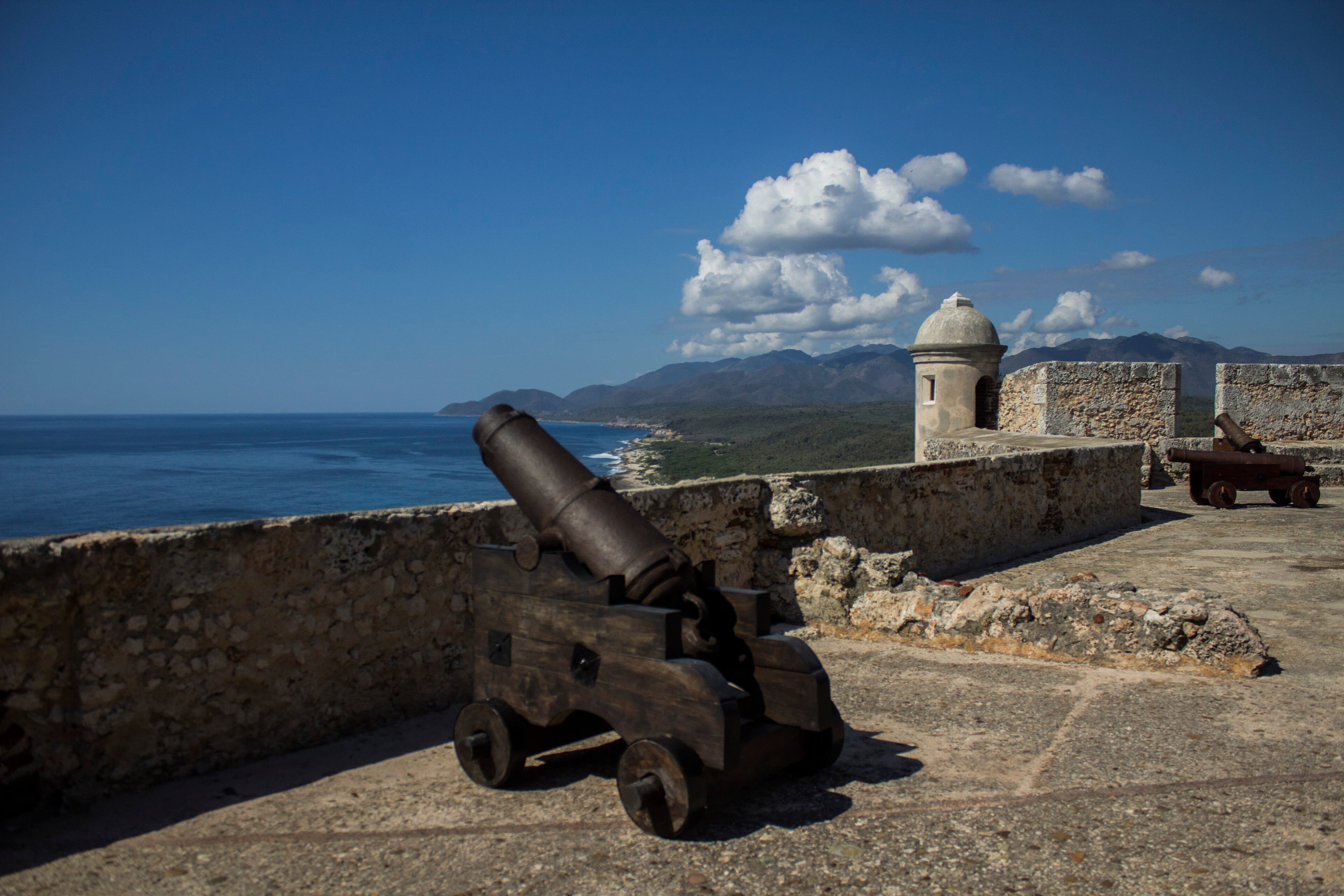
- ✅UNESCO Castillo del Morro: 17th-century fortress overlooking the bay, spectacular views
- ✅Carnival in July: Cuba's biggest celebration, unmatched Caribbean atmosphere
- ✅Unique Afro-Cuban mix: santería, Afro dances, specific Creole gastronomy
What to know
- ❌Extreme heat year-round (29-34 °C), crushing humidity
- ❌Distance from Havana (870 km): long bus journey or domestic flight
- ❌More pronounced shortages than Havana (Oriente lower priority for resources)
- ❌More persistent tourist hassle (jineteros), sometimes draining atmosphere
Situation
Où se situe Santiago de Cuba ?
Ouvrir la carte en grand sur OpenStreetMap →Frequently asked questions
How many days do you need in Santiago de Cuba?+
How do you get to Santiago from Havana?+
What is special about the music in Santiago?+
Is the Santiago Carnival really worth it?+
What are the absolute must-sees in Santiago de Cuba?+
Our verdict
Santiago de Cuba is Cuba's most singular city — more African, more Caribbean, more rebellious and more musical than the others. It has to be earned (870 km from Havana, extreme heat, less developed infrastructure) but generously rewards the traveller who ventures there. Plan a minimum of three nights: one day for the historic centre (Parque Céspedes, cathedral, Casa Diego Velázquez, 26 July balcony), one for Castillo del Morro and Santa Ifigenia cemetery, one for the Sierra Maestra or Siboney beach. Stay in a casa particular in the centre or Vista Alegre, and devote at least two evenings to the Casa de la Trova or the local peñas — Santiago's music is unforgettable.
Nearby

"Janvier est l'un des rares moments de fraîcheur relative à Santiago (29 °C contre 33-35 °C en été). La ville reste festive mais respirable."
Expert on Santiago de Cuba · 1 contributions
 Africa & Americas Desk — Mowando·Editor