- Visa
- Required
- Passport validity
- 6 months
- Safety level
- Élevée
- Recommended vaccines
- DTP, ROR, Hépatite A, Hépatite B, Typhoïde (séjours ruraux prolongés)
Un visa touristique obligatoire est requis pour entrer à Cuba : la Tarjeta de Turista (carte de tourisme), à acheter avant le départ pour 25 € en agence de voyages ou auprès du consulat de Cuba à Paris. Cette carte est valable 30 jours sur place, prolongeable une fois pour 30 jours supplémentaires sur place (25 € en plus). Le formulaire D'Viajeros (formulaire de santé et de douane en ligne) doit également être rempli dans les 72h précédant l'arrivée — gratuit, accessible sur dviajeros.mitrans.gob.cu.
L'assurance voyage couvrant les frais médicaux à Cuba est obligatoire à l'entrée et peut être contrôlée à l'aéroport — l'assurance Visa Premier ou Mastercard Gold ne suffit pas toujours, vérifiez la mention explicite "Cuba inclus" sur votre attestation. Si vous n'avez pas d'assurance, vous serez obligé d'en acheter une sur place (environ 30-40 €/personne pour 15 jours via l'agence ASISTUR).
Le passeport doit être valide au moins 6 mois après la date de retour prévue. Aucun vaccin obligatoire ni recommandé spécifiquement pour Cuba (vaccinations universelles à jour : DTP, ROR, hépatite A et B recommandées comme partout en zone tropicale).
À noter : les voyageurs ayant visité Cuba sont soumis à des restrictions ESTA pour entrer aux États-Unis ensuite — depuis janvier 2021, l'ESTA est refusée et un visa B1/B2 classique est requis. Un détour par Cuba peut donc compliquer un voyage ultérieur aux USA.
Cuba ranks among the safest Latin American destinations in terms of violent crime. The very low homicide rate (4/100,000 inhabitants, comparable to France) and near-absence of armed robberies make it a safe destination for all types of travellers, including solo women and families with children. The French Foreign Ministry classifies the country at normal vigilance level (green) across the entire territory.
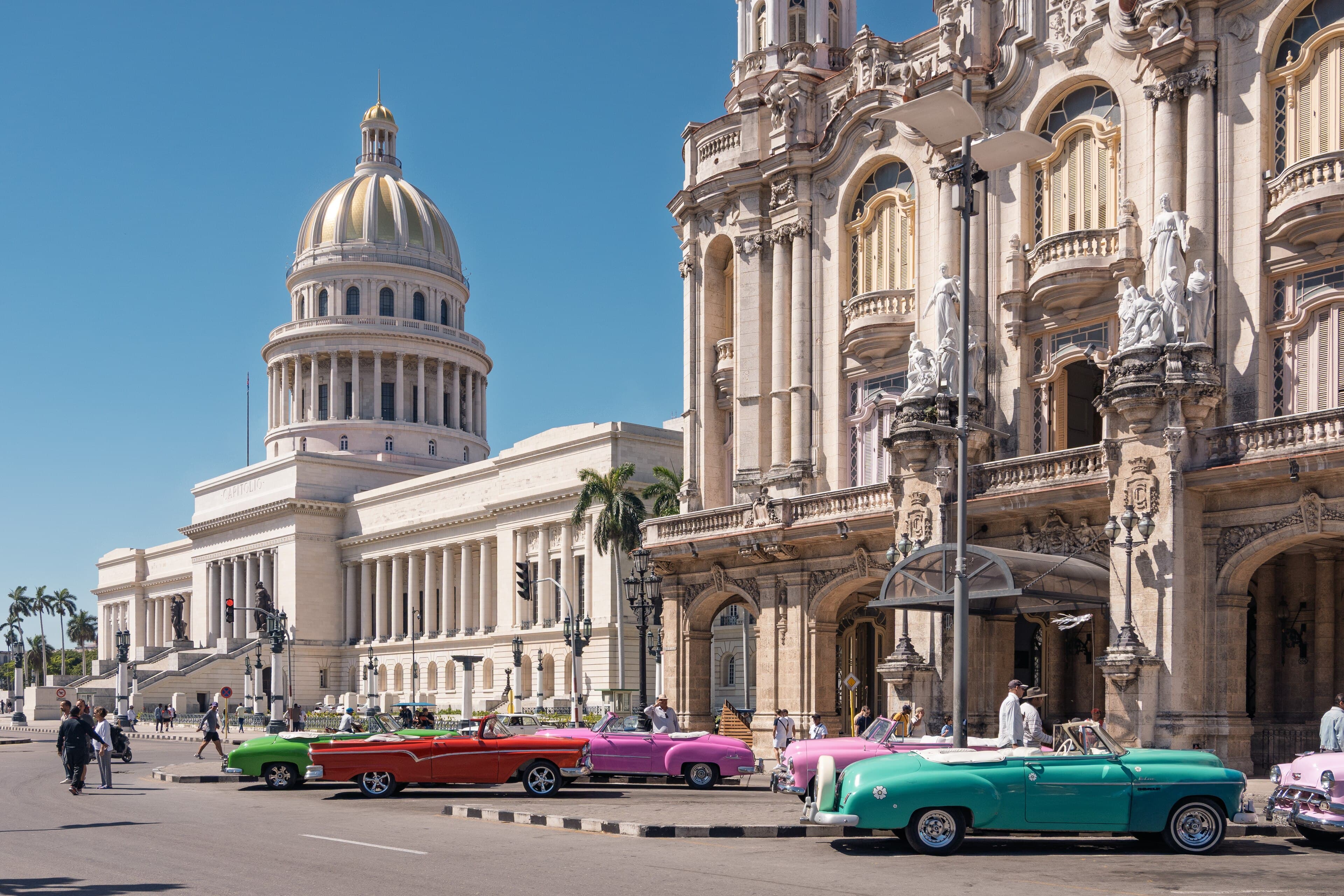
The main risk for tourists remains pickpocketing, concentrated in the most-frequented areas: Habana Vieja (especially around Plaza Vieja, the cathedral, the Capitolio), Havana Malecón in the evening, Trinidad historic centre in high season, certain central Santiago streets. Standard precautions suffice: bag worn across body in tourist zones, phone in a zipped pocket, copy of documents separate from originals.
Tourist scams are numerous and persistent. Jineteros (tourist touts) approach foreign travellers offering fake cigars, fake casas particulares, dodgy taxis, inflated restaurants, fake tour guides. Always refuse with a smile and a firm 'no, gracias'. Never follow anyone to a casa, restaurant or shop not recommended by your official casa particular. Buy cigars directly from Viñales vegueros (€1-3 each, incomparable quality) rather than at Havana tourist shops (often counterfeit).
Solo women travellers may receive persistent verbal harassment (catcalling, propositions) but rarely physical. The situation is uncomfortable but without real risk. A smile and firm 'no, gracias' suffice. Avoid nighttime walks in Centro Habana and deserted alleys of Santiago after midnight.
On the natural risk side, the hurricane season (June to November, peak in September) is the main risk. Cuba sits on the classic Atlantic hurricane path — Irma (2017), Matthew (2016), Ian (2022) caused catastrophic damage. Pinar del Río (Viñales), Oriente (Santiago, Baracoa) and the Cayos (Varadero, Cayo Coco, Cayo Largo) are the most vulnerable zones. If travelling during this period, take out hurricane-cover travel insurance and follow INSMET bulletins (Cuban National Meteorological Institute).
Medical care is decent in Havana and Santiago (Cira García hospitals for foreigners, Hermanos Ameijeiras) but limited in the provinces and rural areas. Travel insurance covering repatriation is mandatory on entry and indispensable in practice. Emergency number is 106 for police, 104 for ambulance, 105 for fire.
Chronic shortages (water, electricity, medicines, everyday goods) may affect your stay. Power cuts of 4-12 hours are frequent in Havana and the provinces. Bring your own travel pharmacy with painkillers, anti-diarrhoea, antiseptics, plasters, mosquito repellent — Cuban pharmacies are often out of the most basic medicines.
Read also
- Havana and the West — The UNESCO capital and Viñales Valley: absolute priority for a first Cuban trip.
- Central Cuba — UNESCO Trinidad, Cienfuegos, Santa Clara: the historic colonial and revolutionary heart.
- South-East and Santiago — Santiago de Cuba, Baracoa, Sierra Maestra: the most authentic and African Cuban Oriente.
- Cayos and Beaches — Varadero, Cayo Coco, Cayo Largo: Cuba's paradise beaches in all-inclusive formula.
- Havana, the frozen capital — UNESCO Old Havana, the Malecón, American classic cars, nightly salsa: the Cuban heart.