Middle East
Turkey
A country-continent straddling two worlds: Istanbul's Blue Mosque, Cappadocia's coloured balloons, the turquoise coast from Bodrum to Antalya and 19 UNESCO-listed sites — Turkey is one of the most complete destinations in the Mediterranean basin.
- Capital
- Ankara
- Currency
- Livre turque (TRY)
- Languages
- Turc
- Budget
- Mid-range travel from around €60/day/person; budget travellers can manage on €30-45, comfort travel on €100-180
Turkey at a glance
Turkey is a destination that defies easy categorisation: at once Eastern and European, beach and cultural, ultra-modern and rooted in millennia of history. Across 783,000 km² (almost one and a half times France), the country unfurls a succession of civilisations whose remains intersect without merging: prehistoric at Göbekli Tepe (the oldest known temple in human history, 12,000 years old), Hittite in central Anatolia, Greek on the Aegean coast, Roman at Ephesus, Byzantine at Hagia Sophia, Ottoman across Anatolia and Thrace.
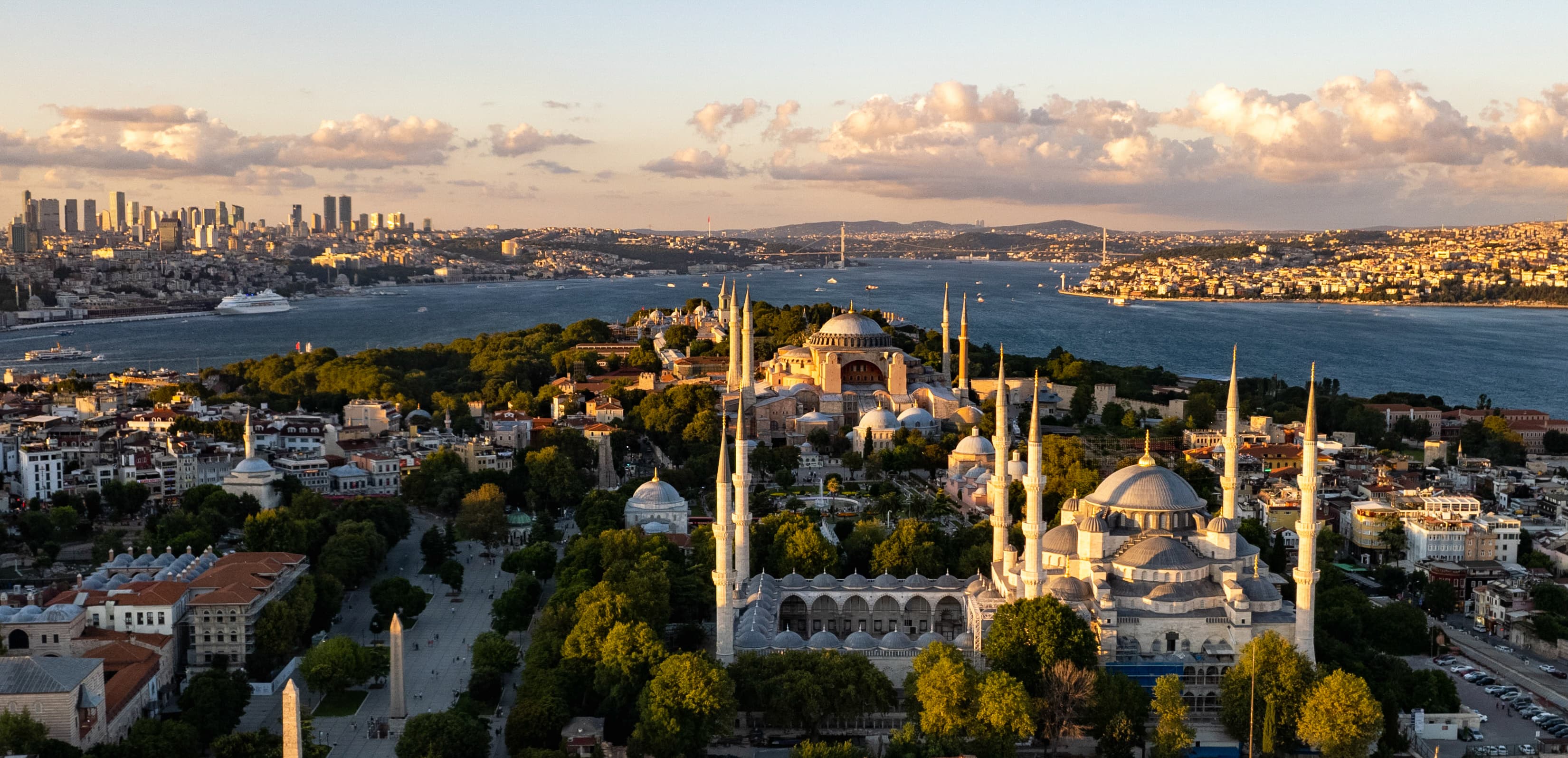
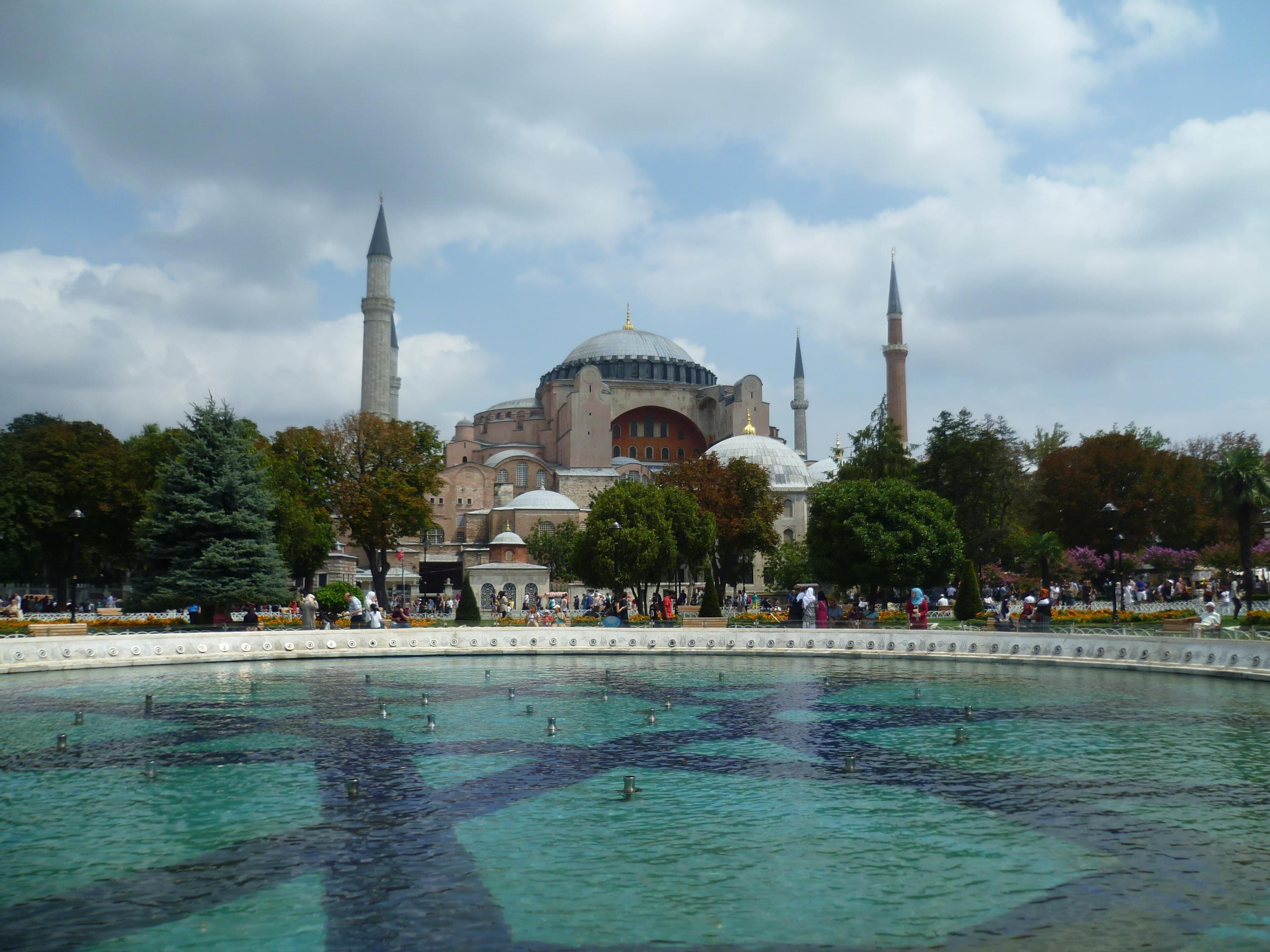
Istanbul, a 16-million-strong megalopolis, is the epicentre of that density. The city stretches across the Bosphorus, a strait that both separates and joins Europe and Asia — the only major metropolis in the world that literally straddles two continents. Hagia Sophia (537 AD, Byzantine basilica turned mosque turned museum turned mosque again in 2020), the Blue Mosque with its six minarets, the Topkapi Palace of the Ottoman sultans, the Grand Bazaar with its 4,000 shops — Istanbul concentrates such a density of treasures that a single week barely scratches the surface.
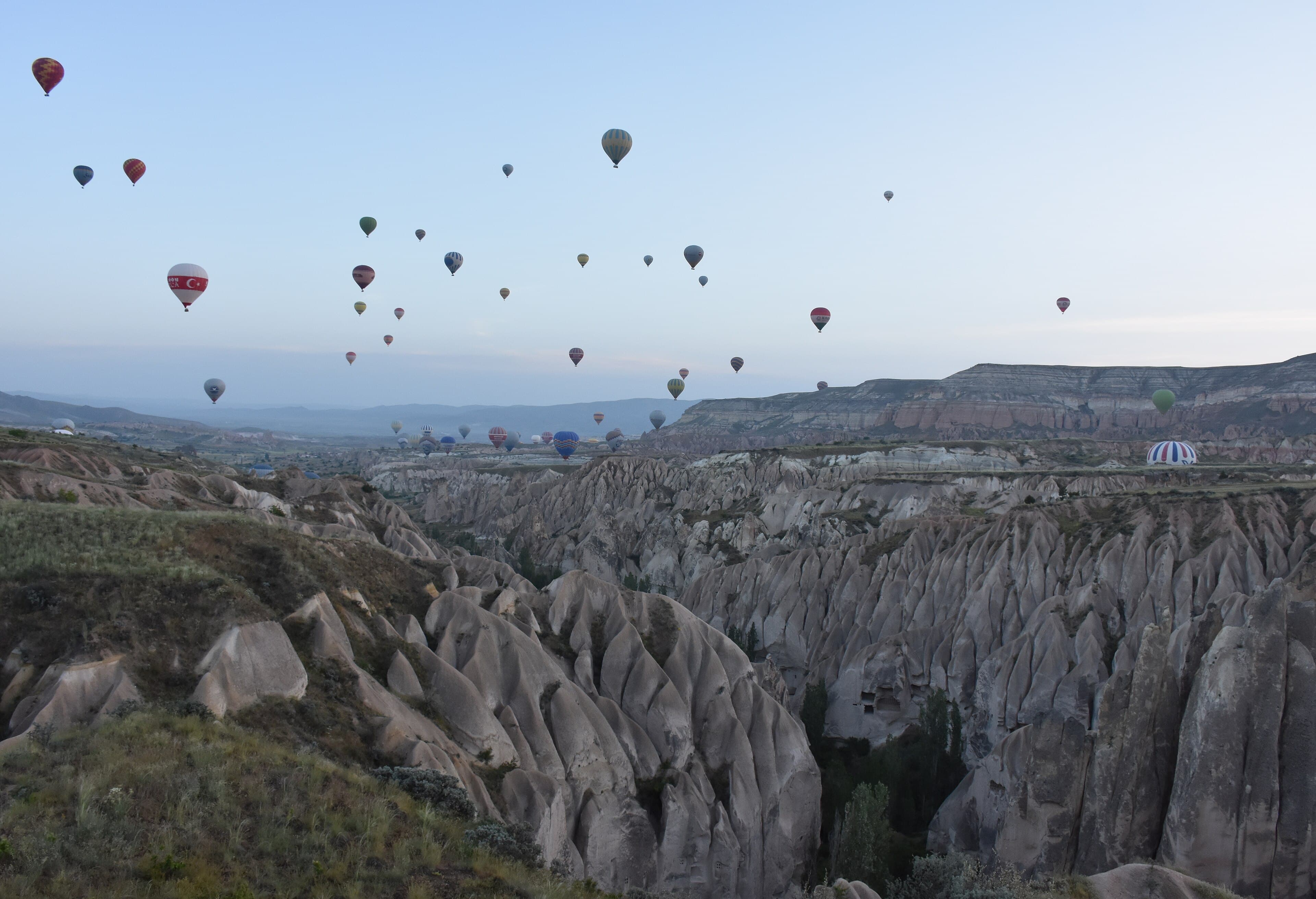
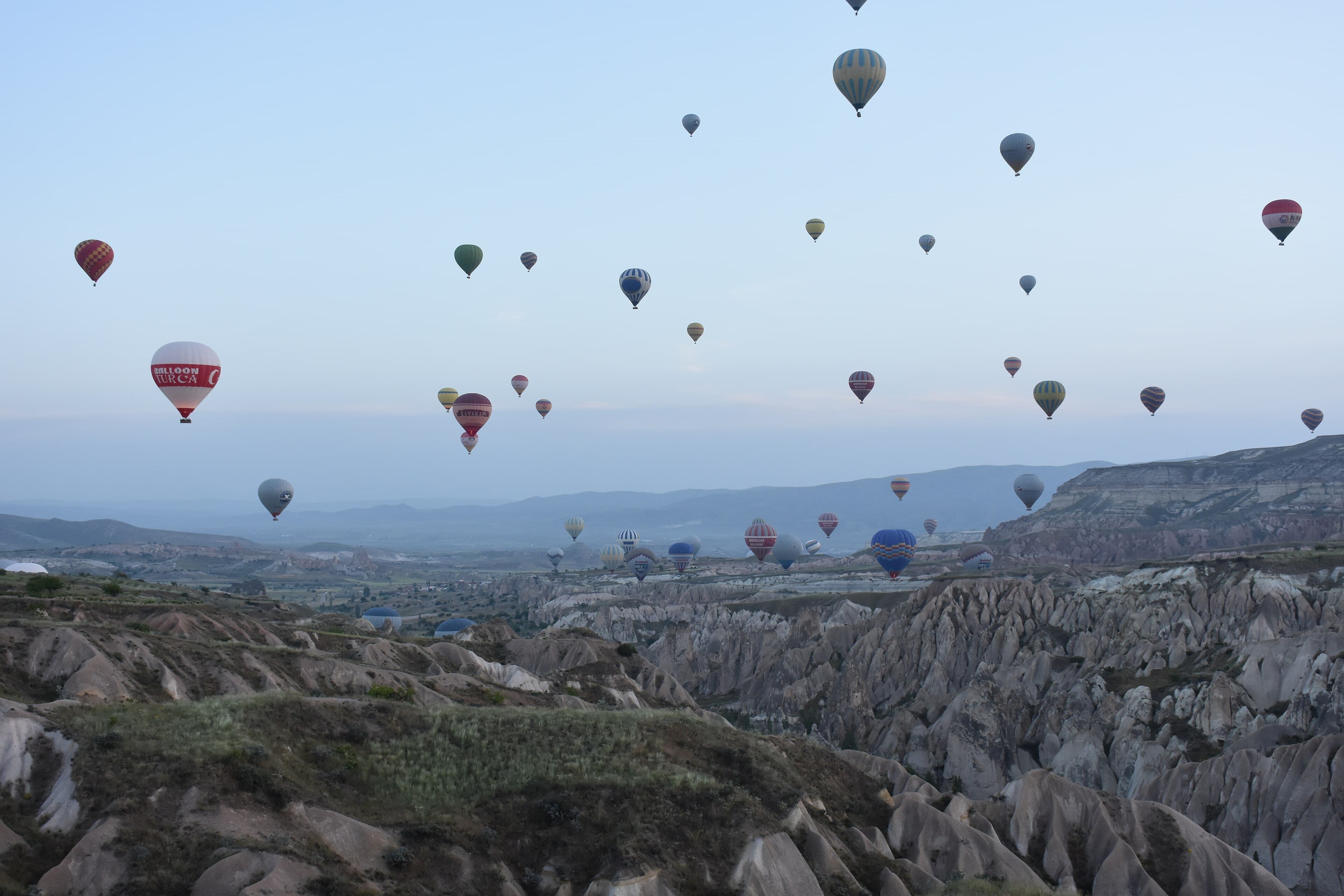
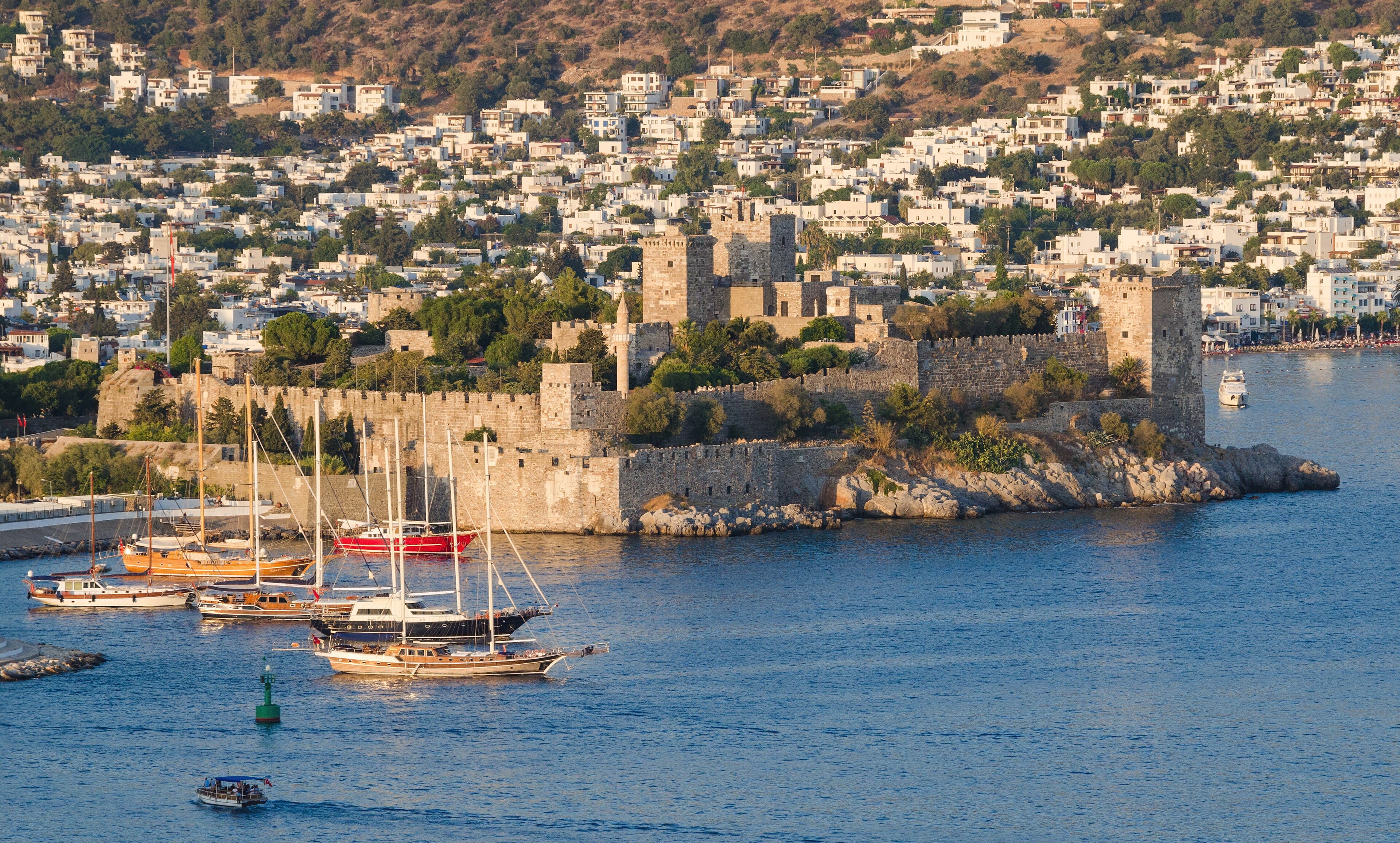
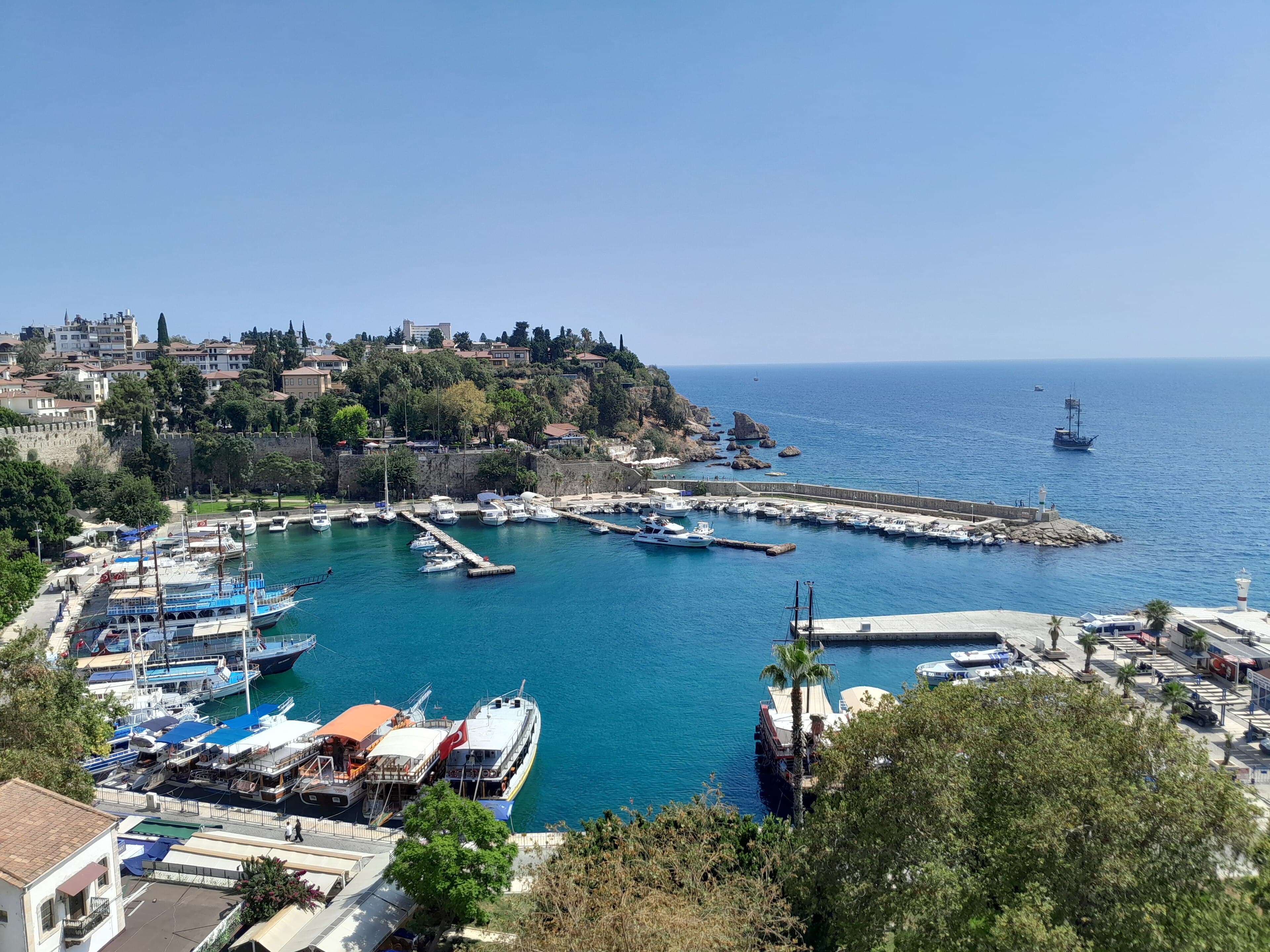
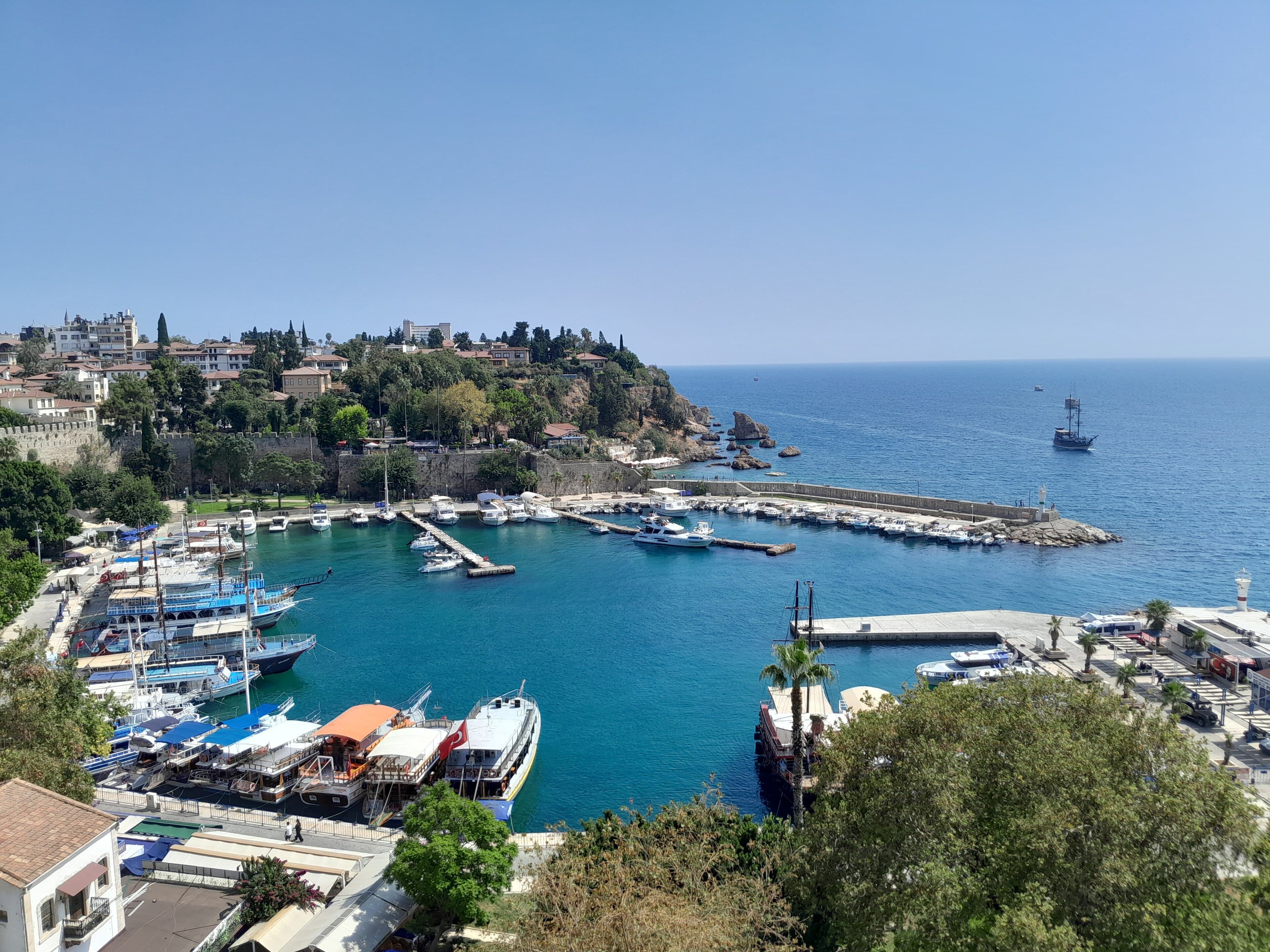
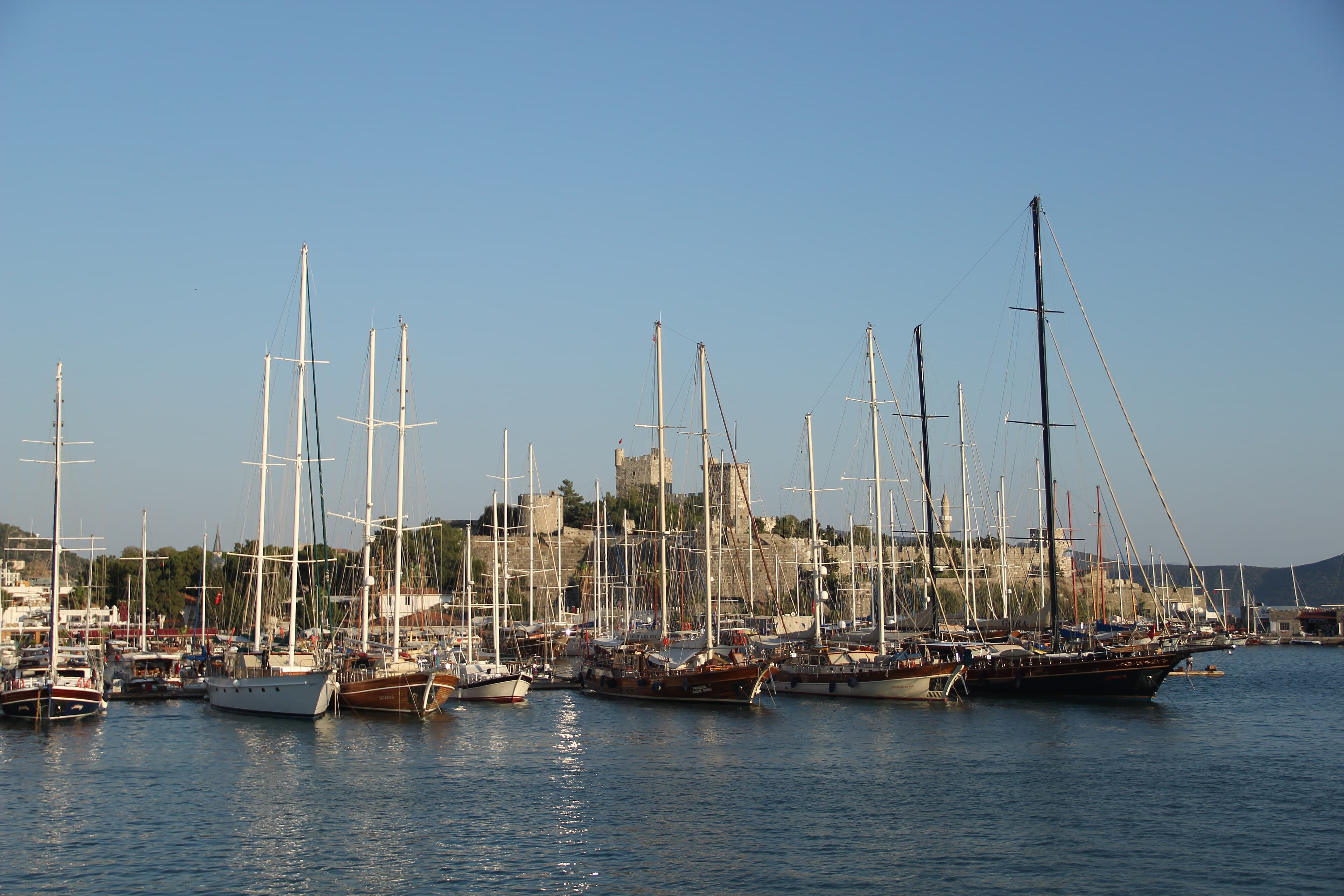
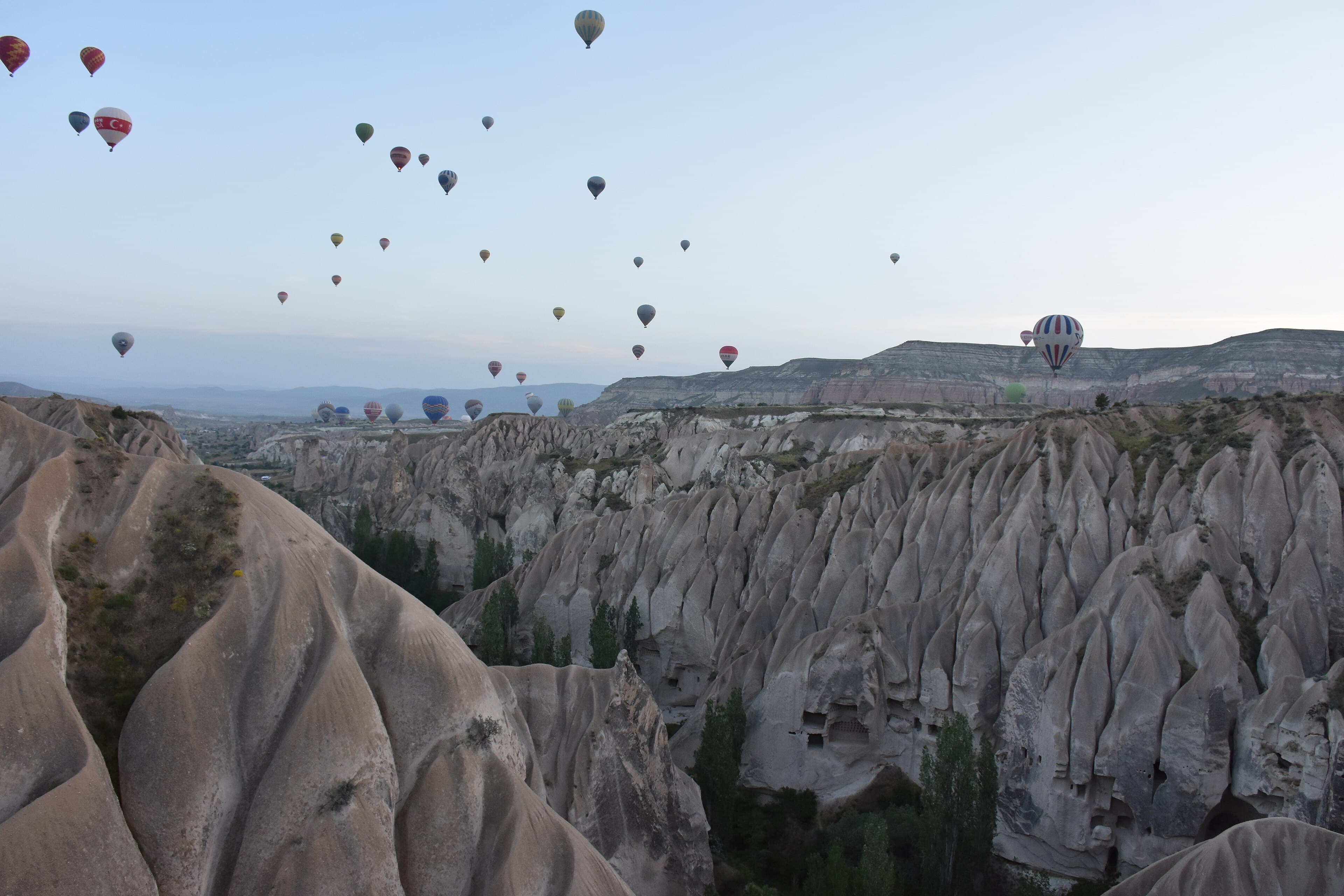
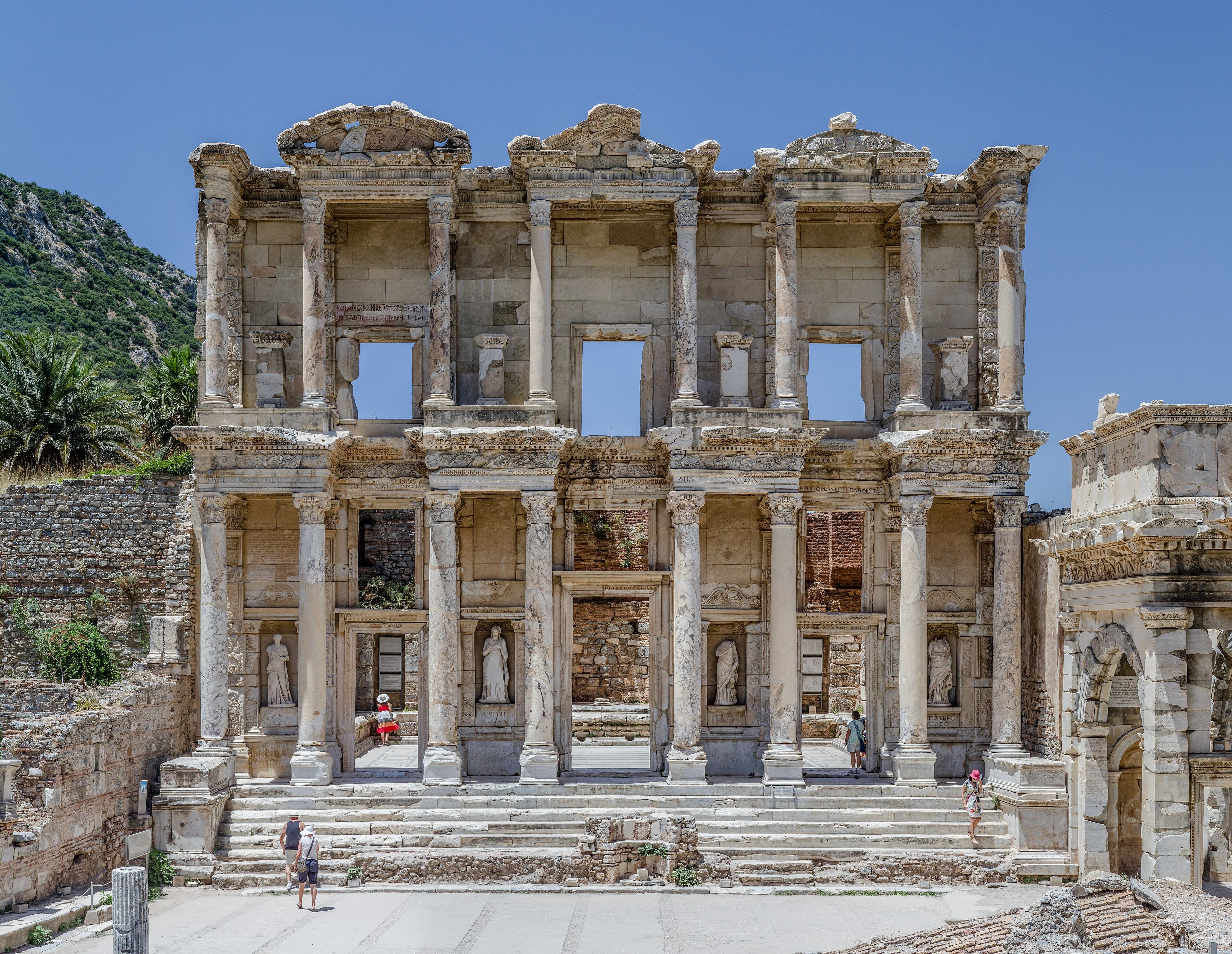
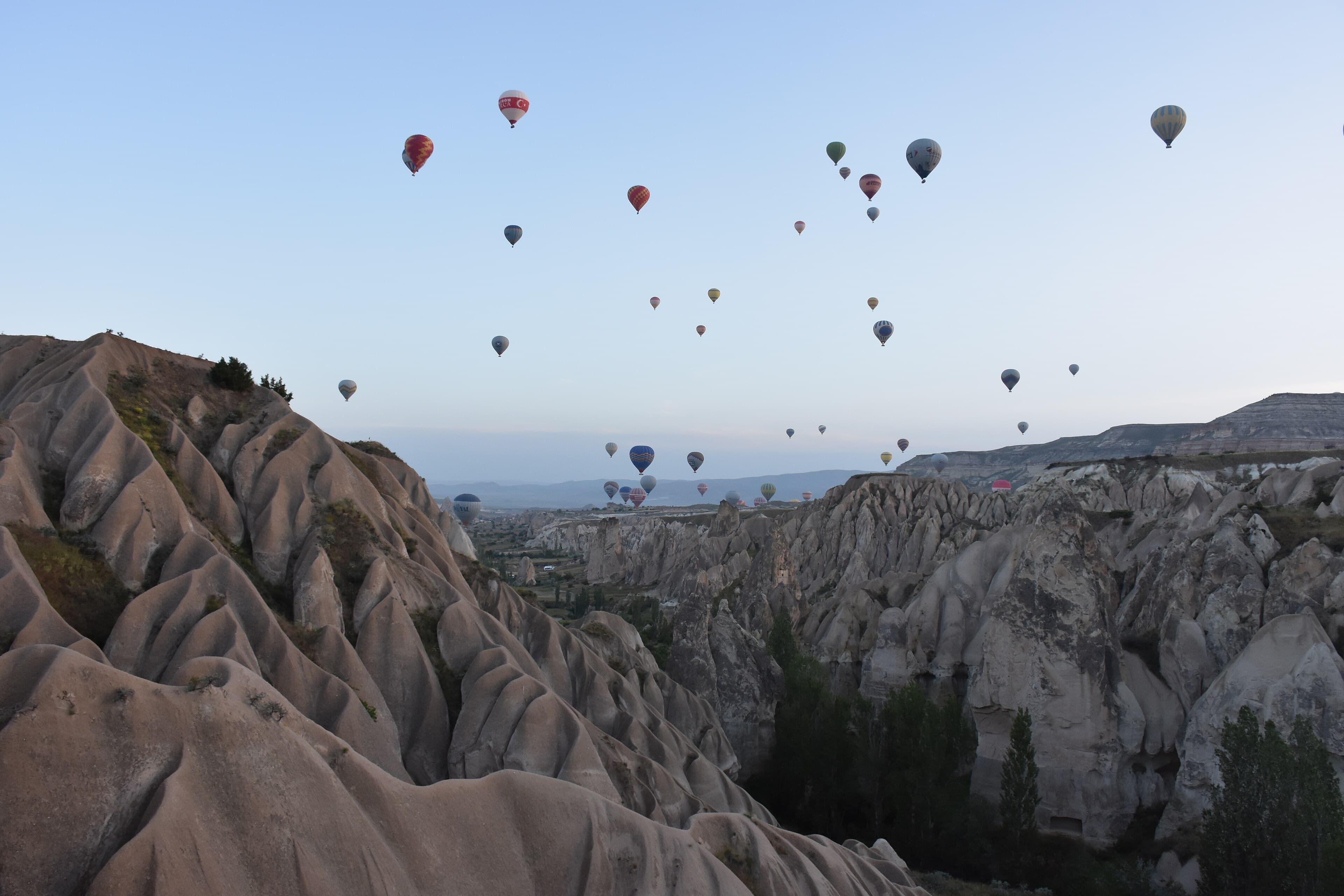
But Turkey is far more than its metropolis. Cappadocia, in central Anatolia, displays a volcanic landscape unique in the world: fairy chimneys carved by erosion, red and pink valleys, Byzantine rock-cut churches dug into tuff, underground cities of Derinkuyu and Kaymakli that could shelter 20,000 people. Sunrise hot-air balloons over Göreme are one of the iconic images of modern travel. The Aegean coast, from Pergamum to Bodrum, lines up exceptional archaeological sites — Ephesus and its Library of Celsus, Pergamum and its altar in Berlin, Aphrodisias and its marble sculptures — while the Turquoise Coast, from Marmaris to Antalya, is a string of beaches, coves and resorts bathed in intensely blue water. All this within a 3-4 hour flight from most European capitals, at a cost of living noticeably below Western Europe.
What we love
- ✅Exceptional heritage density: 19 UNESCO sites, Greek, Roman, Byzantine and Ottoman remains at every step
- ✅World-class gastronomy: mezze, kebabs, baklava, simit, ayran — one of the world's three great cuisines alongside French and Chinese
- ✅Turquoise and Aegean coasts: 8,000 km of coastline, warm sea from May to October, exceptional beaches
- ✅Outstanding value for money: travel budget 30-40% below France or Spain for equivalent comfort
- ✅Diverse landscapes: cosmopolitan Istanbul, Cappadocia balloons, ancient ruins, Mediterranean beaches — all in one trip
What to know
- ❌Intense crowds at Istanbul, Ephesus, Pamukkale and Cappadocia in July-August — experience can suffer
- ❌Chronic inflation of the Turkish lira makes local prices unstable — pay in EUR/USD where possible for big-ticket items
- ❌Very aggressive driving and infernal traffic in Istanbul — avoid renting a car in the city, use tram, metro and ride-hailing
- ❌Persistent terror vigilance in border areas (Syria, Iraq) and on public transport — follow official advice
Explore Turkey
Our itineraries
Regions
Popular spots
Situation
Où se situe Turkey ?
Ouvrir la carte en grand sur OpenStreetMap →Frequently asked questions
Do I need a visa to travel to Turkey?+
When is the best time to visit Turkey?+
What itinerary do you recommend for a first trip to Turkey?+
What currency should I use in Turkey and how do I pay?+
Is Turkey a safe country for travellers?+
Our verdict
Turkey is one of the most complete destinations in the Mediterranean basin — heritage, gastronomy, beaches, nature, all at accessible prices. Few countries on earth let you string together in two weeks a world-city (Istanbul), a unique geological landscape (Cappadocia), some of the best-preserved Roman ruins on the planet (Ephesus) and Mediterranean beaches (Antalya, Bodrum). The density of the experience is such that a first trip is often followed by a more thematic second visit: Aegean ruins, Turquoise Coast cruise, Istanbul immersion, Cappadocia hiking. The frictions — summer crowds, inflation, security vigilance — are real but manageable with preparation. Visit in May-June or September-October to combine ideal weather and contained crowds. And never forget that Turkey is above all a country of legendary hospitality — the Turkish word misafir (guest, host) is sacred, and travellers feel it from the very first glass of tea shared in a bazaar.
Similar destinations

Expert on Turkey · 1 contributions
 Mediterranean Desk — Mowando·Editor