Turkish culture is the product of a unique layering of civilisations: Greek, Roman, Byzantine, Seljuk, Ottoman, then the modern republic founded by Mustafa Kemal Atatürk in 1923. This stratification reads in architecture (Hagia Sophia is Byzantine, the Blue Mosque is Ottoman, yet their silhouettes converse), in language (modern Turkish incorporates innumerable Persian, Arabic and French words), in cuisine (baklava is Byzantine in origin, kebabs Anatolian, böreks Central Asian) and in religious practice — a majority Sunni Islam tinged with Sufism, Anatolian syncretism and the state secularism instituted by Atatürk.
The Ottoman heritage still largely structures the cultural landscape. The Ottoman Empire (1299-1922) ruled for six centuries over a vast space stretching from the Balkans to the Caucasus, from Egypt to Yemen. Istanbul (Constantinople for the Byzantines) was its glorious capital from 1453, and Topkapi Palace — the sultans' residence for 400 years — concentrates the empire's memory: imperial treasury, harem, audience halls covered in Iznik tiles (with floral patterns), relics of the Prophet. Süleymaniye Mosque (1557) by the architect Sinan is considered the peak of classical Ottoman architecture. Istanbul's Grand Bazaar (4,000 shops under Ottoman vaults) and Spice Bazaar (smaller but more authentic) are direct heirs of Ottoman caravan trade.
Traditional music and dance are a strong cultural signature. The whirling dervishes (Mevlevis), a Sufi order founded by the mystical poet Rumi in 13th-century Konya, practice a ritual dance (sema) that symbolises mystical union with the divine — a hypnotically beautiful spectacle still performed every Friday evening in Konya and in several Istanbul ceremonies. Ottoman classical music (Türk sanat müziği), with its complex modes (makamlar) inherited from Persian and Arab music, is performed in Istanbul's conservatories and concert cafes. Contemporary Turkish pop (Sezen Aksu, Tarkan, Müslüm Gürses) is hugely popular across the eastern Mediterranean basin.
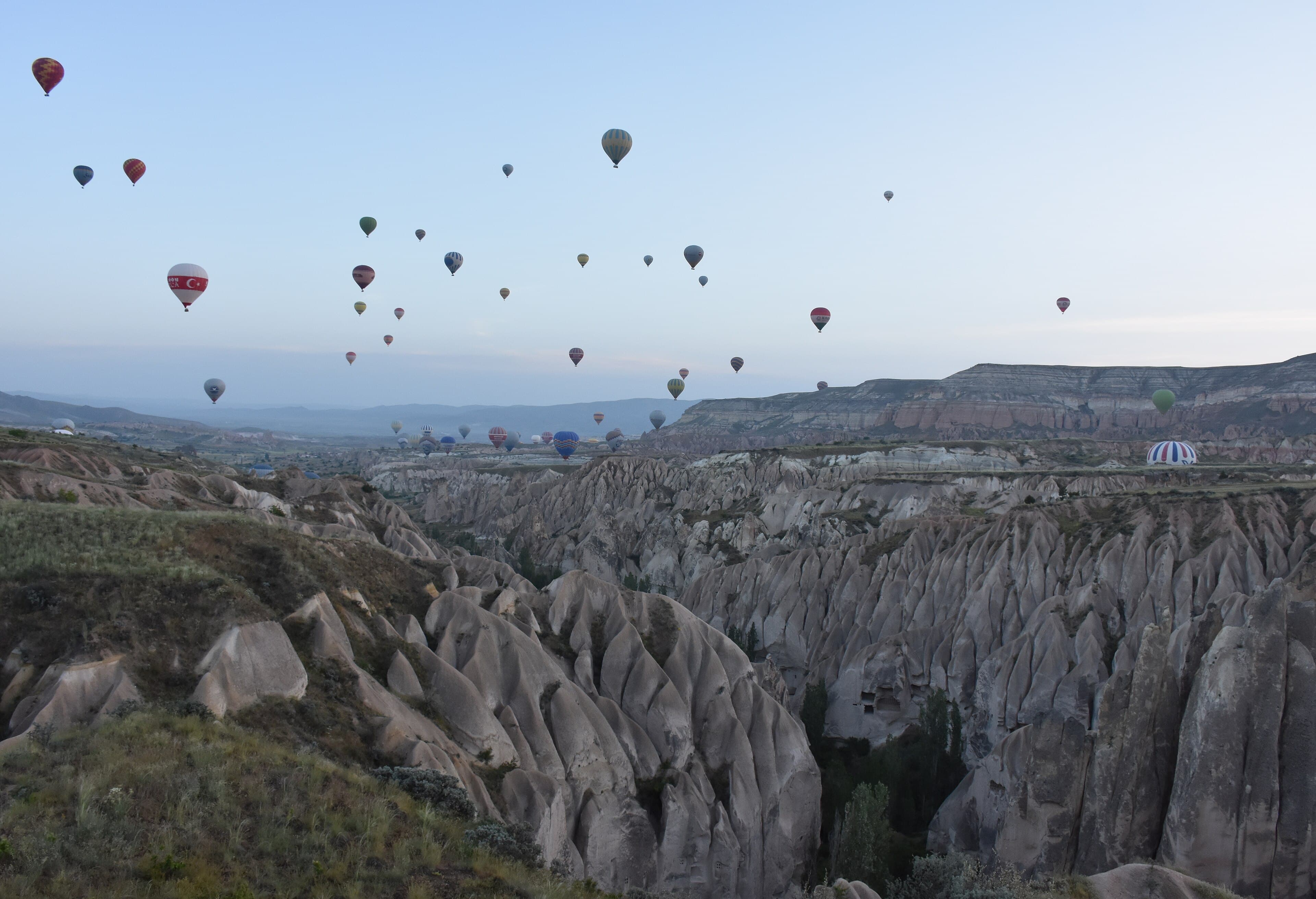
Turkish UNESCO World Heritage includes 19 sites — one of the world's richest portfolios. Among the must-sees: Istanbul's historic peninsula (Hagia Sophia, Topkapi, Blue Mosque, Süleymaniye, Byzantine cisterns), the valleys and rock sites of Cappadocia, the ancient city of Ephesus, the travertines and thermal baths of Hierapolis-Pamukkale, Mount Nemrut and its colossal heads of King Antiochus, the Hittite city of Hattuşa, the Neolithic sanctuary of Göbekli Tepe (the oldest known temple in human history, 12,000 BC), the mosques of Bursa and Edirne, the House of the Virgin Mary near Ephesus. Each site warrants half a day to two days depending on its scale.
The Turkish cultural calendar is paced by religious holidays (Ramazan, Bayram) and national days (29 October, Republic Day; 23 April, Children and National Sovereignty Day instituted by Atatürk). Music festivals (Istanbul Jazz Festival in July, Bodrum Ballet Festival in August) and contemporary art events (Istanbul Biennale every two years in autumn) are of international scale.
Read also
- Istanbul and the Sea of Marmara — The megalopolis on the Bosphorus, its mosques, bazaars and the Princes' Islands within easy boat reach.
- Cappadocia: Fairy Chimneys and Hot-Air Balloons — The unique volcanic landscape of central Anatolia, its rock-cut churches and sunrise balloons.
- Aegean Coast: Ephesus, Pamukkale and Bodrum — Major archaeological sites and seaside resorts along Turkey's western shore.
- Mediterranean Coast: The Turkish Riviera — Antalya, Side, Olympos and the turquoise beaches of Lycia and Pamphylia.
- Istanbul, the City Across Two Continents — Hagia Sophia, Blue Mosque, Topkapi, Grand Bazaar and a Bosphorus cruise.