Region
Central Anatolia
Deep Anatolia, unknown to tourist circuits: Ankara the modern capital, Konya the spiritual (whirling dervishes, Rumi), the high lakes of the Anatolian plateau — a journey off the beaten path.
Central Anatolia is the geographical, political and spiritual heart of Turkey — a vast plateau of 700,000 km² (two-thirds of Turkish territory) located between 800 and 1,200 m altitude, framed by the Taurus range to the south, the Pontic Mountains to the north and the Armenian chain to the east. This region, unknown to tourist circuits (most travellers cross Anatolia by plane between Istanbul, Cappadocia and the coast without stopping), nevertheless conceals exceptional heritage, spiritual and natural treasures.
Ankara, modern capital of the Turkish Republic since 1923, is a metropolis of 5.7 million inhabitants — the country's second city after Istanbul. Chosen by Atatürk as the capital to replace Istanbul, deemed too Ottoman and too exposed, Ankara is above all an administrative, university and political city. Its main attractions are the Atatürk Mausoleum (Anıtkabir, a vast monumental complex dominating the city where the founder of the Republic rests), the Museum of Anatolian Civilisations (Anadolu Medeniyetleri Müzesi, one of the world's best archaeological museums, with Hittite, Assyrian, Urartian and Phrygian collections) and the Ottoman citadel (Ankara Kalesi) dominating the old town. Ankara deserves a day's visit for enthusiasts of modern Turkish history and Anatolian archaeology, but does not constitute a stay destination on its own.
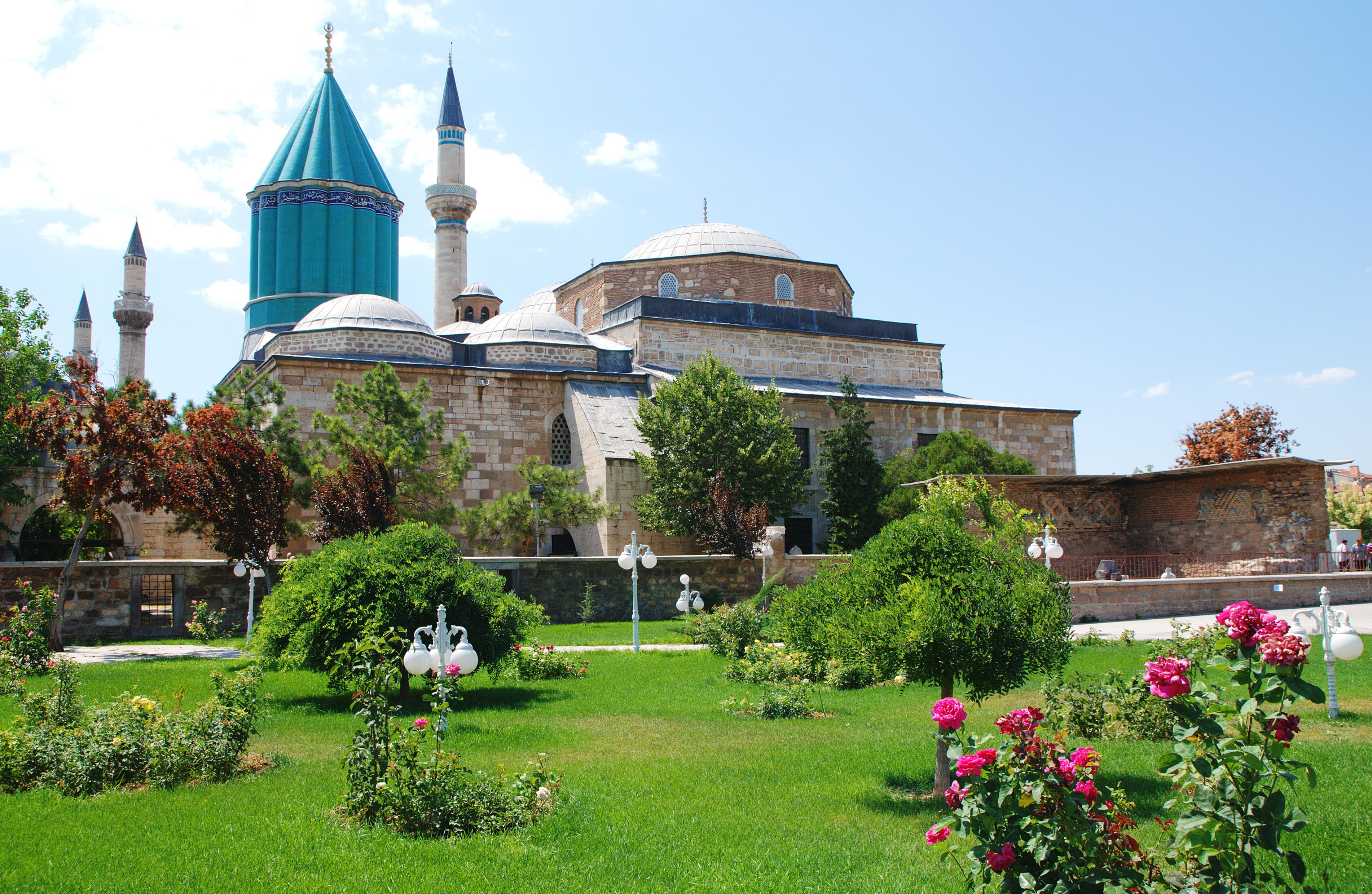
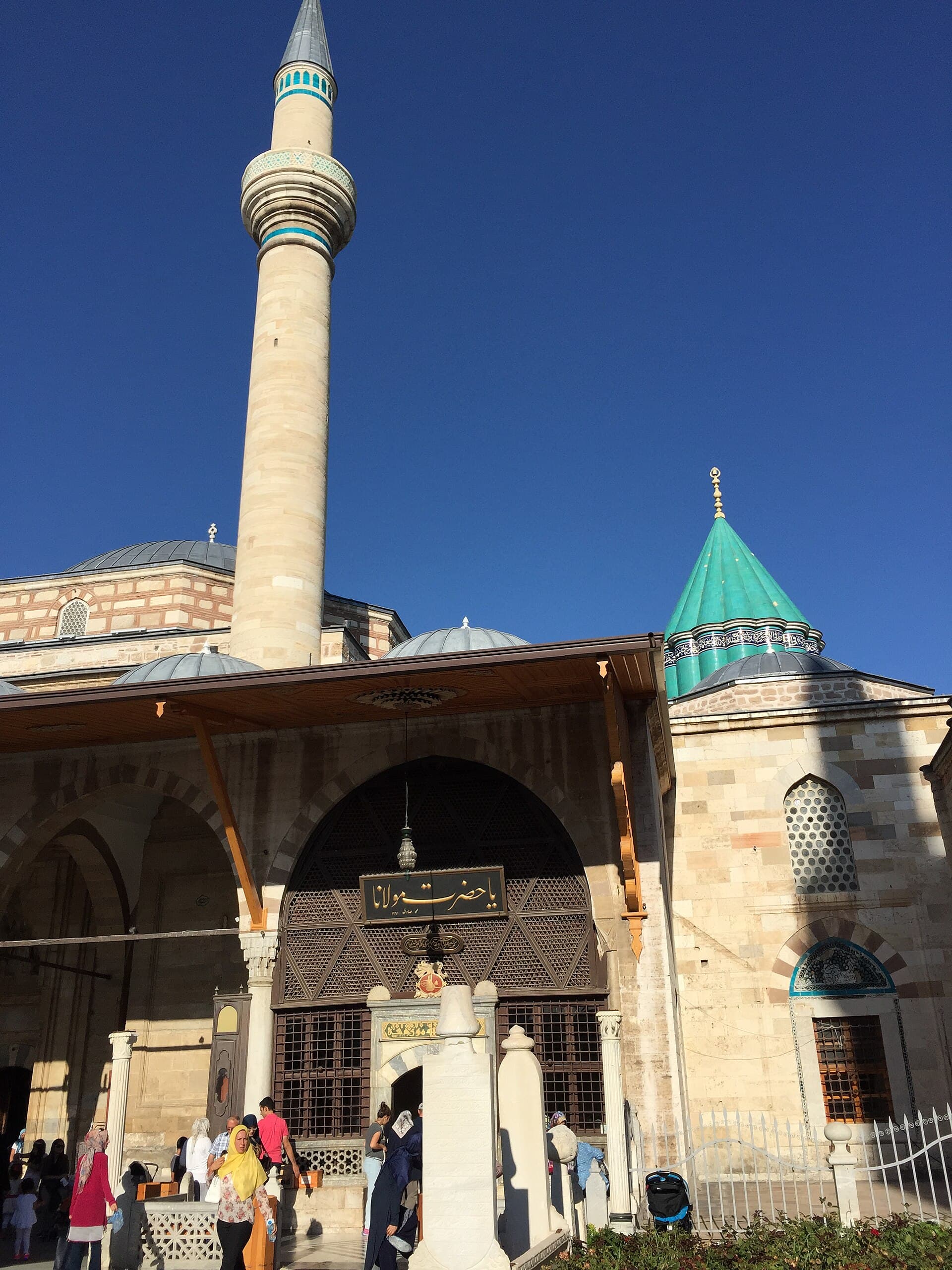
Konya, 260 km south of Ankara, is the spiritual capital of Turkey. It was here, in the 13th century, that Mevlana Celaleddin Rumi (1207-1273) lived, the great Persian mystical poet and founder of the Sufi order of Mevlevis (whirling dervishes). The Mausoleum of Mevlana (Mevlana Türbesi), recognisable by its turquoise dome, is one of the most important pilgrimage sites in the Muslim world — visited by hundreds of thousands of faithful and tourists every year. The whirling dervishes ceremony (sema) — a ritual dance of mystical trance where dancers dressed in white spin on themselves with their arms outstretched, left palm down and right palm up — is inscribed on UNESCO's intangible heritage. Konya organises every Friday evening at the Cultural Center Mevlana a ceremony open to the public, and the Mevlana Festival (10-17 December, anniversary of his death which he called his 'wedding day' with the divine) attracts faithful from around the world.
The Anatolian plateau also conceals natural wonders. Lake Salda (Salda Gölü), at 1,100 m altitude between Antalya and Pamukkale, is a volcanic lake with brilliantly turquoise waters and a white sand bottom — NASA has compared it to Mars (its mineralogical composition, rich in hydrated magnesium, is similar to that of the Jezero crater explored by the Perseverance rover). Nicknamed the 'Maldives of Turkey', it has become a popular attraction but remains preserved (Natura 2000 zone). Lake Van (Van Gölü), in the far east of Anatolia, is the largest lake in Turkey (3,755 km², 6 times Lake Geneva) and houses Akdamar Island and its 10th-century Armenian church. Lake Tuz (Tuz Gölü, salt lake), between Ankara and Cappadocia, is Turkey's 2nd largest lake and one of the largest salt lakes in the world — its surface evaporates in summer to leave a brilliantly white salt crust.
Explore Central Anatolia
Spots in the region
Situation
Où se situe Central Anatolia ?
Ouvrir la carte en grand sur OpenStreetMap →Frequently asked questions
Should you visit Central Anatolia on a first trip to Turkey?+
How does a whirling dervishes ceremony in Konya unfold?+
How many days do you need to visit Ankara?+
How to get from Konya to Cappadocia?+
Is Lake Salda worth the detour?+
What is Hattuşa and should you go?+
What is the best time to visit Central Anatolia?+
Our verdict
Central Anatolia is deep, spiritual and lesser-known Turkey — a region that does not yield at first glance but richly rewards travellers willing to step off the beaten path. Konya and its whirling dervishes are the absolute signature experience — attend at least one sema ceremony in an authentic atmosphere (Cultural Center Mevlana Friday evening). Ankara deserves a day for its Atatürk Mausoleum and Museum of Anatolian Civilisations — two essential stops to understand modern and ancient Turkish history. Lake Salda is a growing photographic destination, to combine with Pamukkale (1h30 by road). For long-stay travellers, Central Anatolia offers weeks of exploration — Hattuşa (Hittite capital UNESCO 200 km east of Ankara), Çatalhöyük (first major Neolithic site, UNESCO, 50 km from Konya), eastern Cappadocia, Lake Van and eastern Anatolia. A destination for deepening rather than first discovery of Turkey.