Region
Aegean Coast
One of the densest concentrations of archaeology in the Mediterranean basin: Ephesus, Pamukkale, Aphrodisias, Pergamum — four UNESCO sites between the Aegean Sea and the Taurus range.
The Turkish Aegean Coast stretches over nearly 400 km between the Gulf of Smyrna (Izmir) to the north and the Bodrum peninsula to the south, facing the Greek islands of the Dodecanese (Kos, Samos, Rhodes visible from the shore). This region concentrates the densest accumulation of ancient sites in the entire eastern Mediterranean — a Greco-Roman heritage of unmatched richness, combined with a magnificent coastline of rocky coves, pebble beaches and bays with turquoise waters.
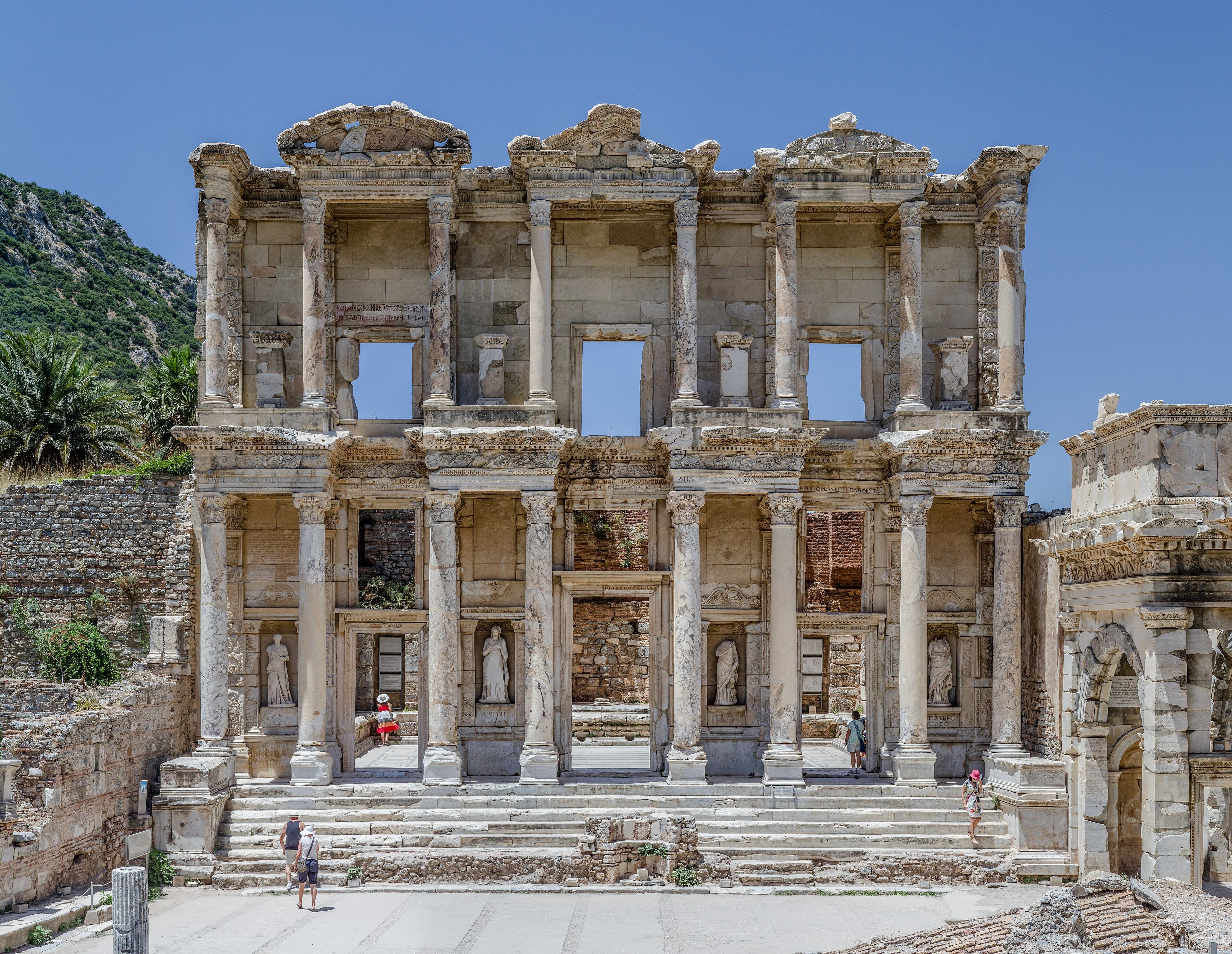
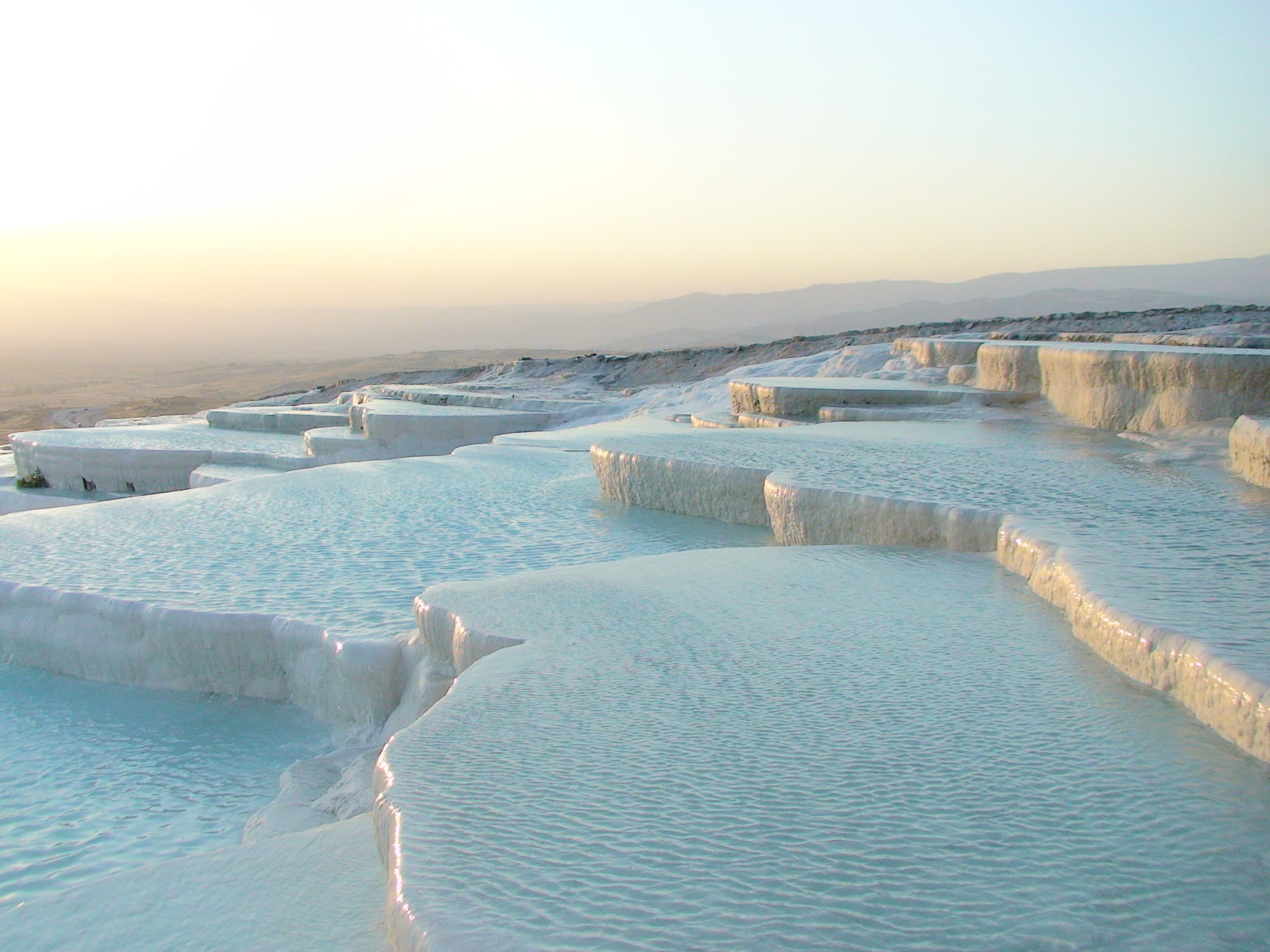
The ancient heritage is the region's main asset. The ancient city of Ephesus (Selçuk), capital of the Roman province of Asia in the 2nd century, is the best preserved in the entire eastern Mediterranean — the Library of Celsus (135 AD) with its two-storey façade, the Great Theatre of 25,000 seats where the Apostle Paul preached, the temple of Hadrian, the marble public latrines, the commercial agora — striking testimonies to Roman urban life. 200 km to the east, Hierapolis-Pamukkale deploys a unique geological landscape: the white travertines (limestone terraces formed by hot springs) cascading down 200 m, topped by the ruins of the Greco-Roman city of Hierapolis with its theatre, baths and necropolis (one of the largest in the world). Further east still, Aphrodisias (UNESCO 2017) is famous for its school of marble sculpture — the monumental statues there rival those of Athens.
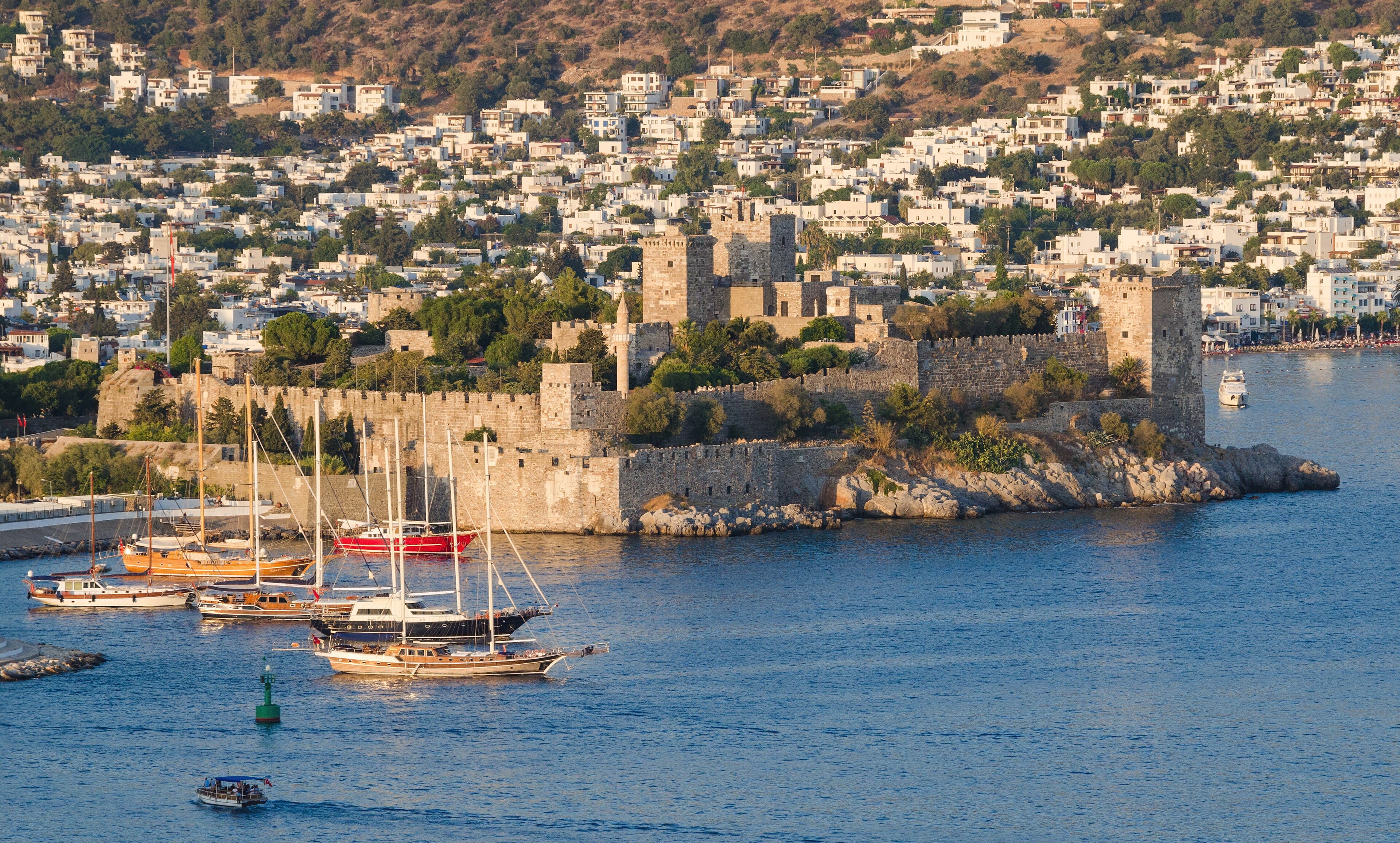
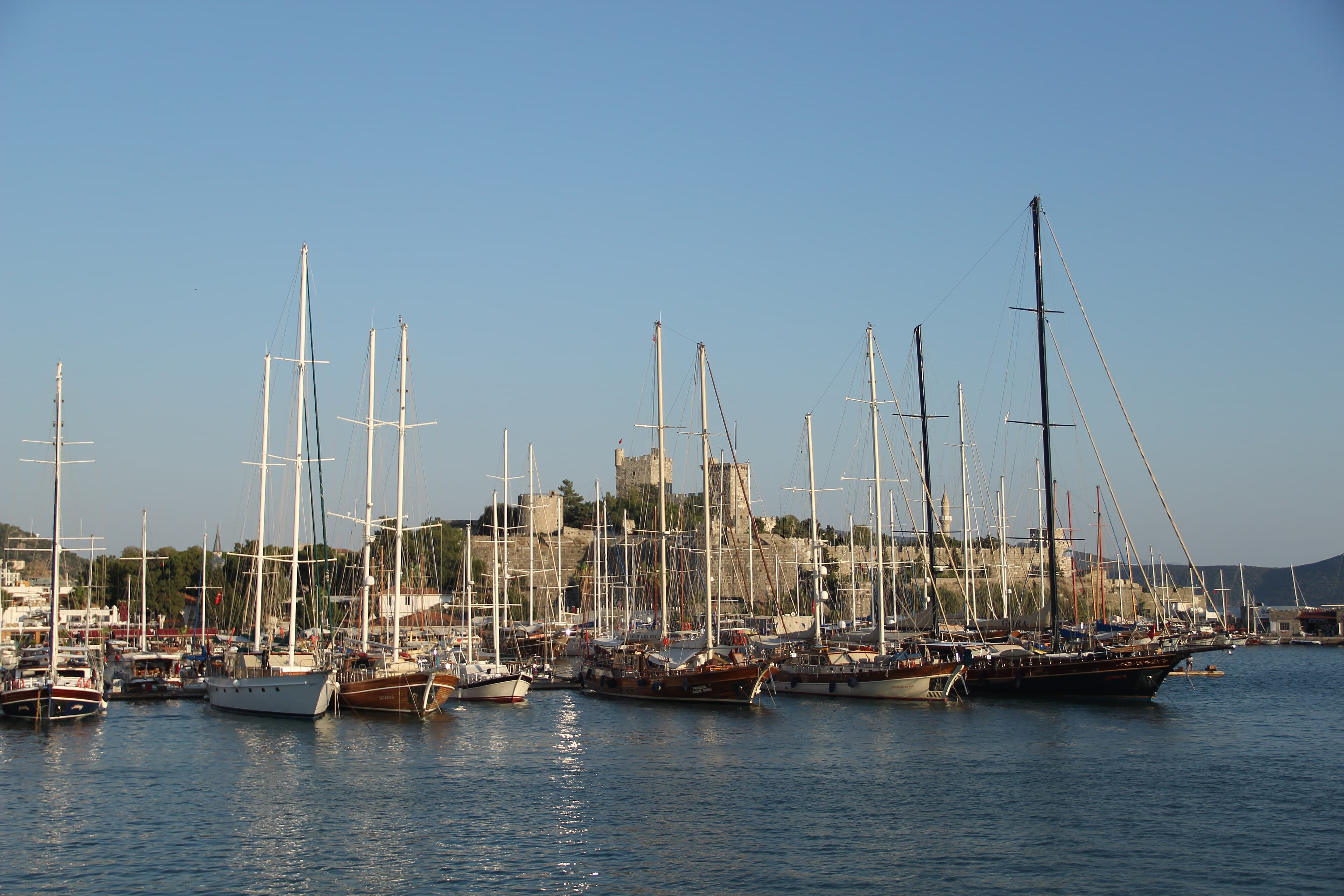
Beyond heritage, the Aegean Coast offers an exceptional seaside experience. Bodrum, former Halicarnassus where the Mausoleum stood (one of the seven wonders of the ancient world, now in ruins), has become the 'Turkish Saint-Tropez' — chic port, castle of the Knights of Saint John, peninsula beaches (Gümbet, Bitez, Türkbükü, Yalıkavak), intense nightlife, marinas hosting superyachts. Kuşadası and Çeşme offer a more family-oriented and affordable experience. Izmir, Turkey's third city, is the modern cosmopolitan metropolis that serves as a regional hub — less touristy but enlivened by its university scene, its bazaars (Kemeraltı) and its old Alsancak quarter.
Explore Aegean Coast
Spots in the region
Situation
Où se situe Aegean Coast ?
Ouvrir la carte en grand sur OpenStreetMap →Frequently asked questions
How many days do you need to visit the Aegean Coast?+
How to get to Ephesus from Istanbul?+
Is it worth visiting Pamukkale in addition to Ephesus?+
Where to stay to visit Ephesus?+
Can you swim in Pamukkale?+
Is Bodrum worth a cultural detour?+
How to get around on the Aegean Coast?+
Our verdict
The Turkish Aegean Coast is one of the most beautiful regions in Turkey — the ideal combination of exceptional ancient heritage and Mediterranean beaches. Five to seven days is the right format for a first stay: 2 days for Ephesus + Pamukkale (based in Selçuk or Pamukkale), 2-3 days in Bodrum for beaches and the peninsula, 1 optional day at Aphrodisias or Pergamum for enthusiasts. Avoid July-August for site visits (unbearable heat, peak crowds) — prefer May-June or September-October. For beaches, summer remains unavoidable but book 2-3 months in advance. The Aegean Coast pairs perfectly with Istanbul (3 days) and Cappadocia (3 days) for a classic 12-14 day Turkey trip.