- Visa
- Not required
- Passport validity
- 6 months
- Safety level
- Vigilance normale
- Recommended vaccines
- Hépatite A, Hépatite B, Typhoïde
Les ressortissants français n'ont pas besoin de visa pour entrer en Turquie pour des séjours touristiques de moins de 90 jours sur une période de 180 jours. Un simple passeport en cours de validité d'au moins 6 mois après la date de retour suffit. La carte nationale d'identité française n'est pas acceptée — seul le passeport permet l'entrée sur le territoire turc.
À l'arrivée à l'aéroport (Istanbul-IST, Sabiha Gökçen-SAW, Antalya-AYT, Izmir-ADB), le passeport est tamponné par les services d'immigration en quelques minutes. Aucun visa préalable, aucune lettre d'invitation, aucune réservation d'hôtel ne sont demandés pour un séjour touristique standard. Les voyageurs en provenance de pays soumis au visa (Royaume-Uni, États-Unis, Canada, Australie) peuvent obtenir un e-visa en ligne sur evisa.gov.tr (35-65 USD selon la nationalité, valide 180 jours pour des séjours de 30 à 90 jours).
La Turquie n'est pas membre de l'Union européenne ni de l'espace Schengen. Aucun contrôle douanier renforcé n'est appliqué pour les bagages personnels, mais la sortie de devises dépasse 10 000 € doit être déclarée. L'importation d'antiquités est strictement interdite — toute pièce archéologique trouvée doit être déclarée et reste propriété de l'État turc.
Côté santé, aucun vaccin n'est obligatoire pour entrer en Turquie depuis la France. Les vaccinations universelles (DTP, ROR, hépatite B) doivent être à jour. L'hépatite A et la typhoïde sont recommandées si vous prévoyez des séjours en zones rurales ou des consommations dans la rue. La Carte Européenne d'Assurance Maladie n'est pas valable en Turquie — souscrivez impérativement une assurance voyage couvrant les frais médicaux et le rapatriement, les soins privés (les seuls réellement accessibles aux voyageurs) étant onéreux.
Turkey is overall a safe destination for travellers, but one that requires moderate vigilance and knowledge of risk areas. Most Western foreign ministries rate the majority of Turkish territory under 'normal vigilance', with the exception of border areas with Syria and Iraq that are formally off-limits.
Classic tourist areas (Istanbul, Cappadocia, Aegean and Mediterranean coasts, Ankara, Bursa, Izmir) are safe day-to-day. The main risk for tourists is pickpocketing, concentrated on Istanbul transport: T1 tram (Eminönü-Sultanahmet-Beyazıt, the most targeted tourist line), M2 metro to Taksim, ferries on the Sea of Marmara at peak hours. The surroundings of the Blue Mosque, the Grand Bazaar and the Spice Bazaar are also vigilance zones. Standard precautions: bag carried cross-body on the front, phone in a zipped pocket, document copies stored separately, no visible cash.
Tourist scams are relatively common in Istanbul and in bazaars. The classics: the 'shoe-shiner' who drops his brush to start a conversation then demands extortionate payment; the 'friendly guide' who offers to take you to a carpet shop with inflated prices (commission to the guide); hostess bars that present an astronomical bill at the end of the night; unlicensed taxis that take detours. Golden rules: always refuse unsolicited services, use official taxis (yellow, with meters) or BiTaksi, never go to a bar suggested by a stranger met in the street.
The terror risk exists but remains diffuse. The 2015-2017 attacks (Istanbul, Ankara, Suruç) marked minds, but the situation has noticeably stabilised since. Turkish security services are very present on transport and at large gatherings. Avoid political demonstrations (illegal without authorisation), the south-eastern border zones (Hatay, Gaziantep, Şanlıurfa apart from Göbekli Tepe) and the Kurdish south-east (Hakkari, Şırnak, rural Diyarbakır). Cappadocia, tourist Istanbul and the coast hold no particular concern.
Natural risks include earthquakes (Turkey is crossed by the North Anatolian Fault — devastating quake of February 2023 in the south-east) — modern tourist buildings respect seismic standards. Health conditions are good — tap water generally non-drinkable (use bottled water), street food best consumed at busy stalls. For emergencies: 112 (single number). The quality of private care is high in Istanbul, Ankara and Antalya — travel insurance with repatriation cover is essential (the European Health Insurance Card is not valid in Turkey).
Read also
- Istanbul and the Sea of Marmara — The megalopolis on the Bosphorus, its mosques, bazaars and the Princes' Islands within easy boat reach.
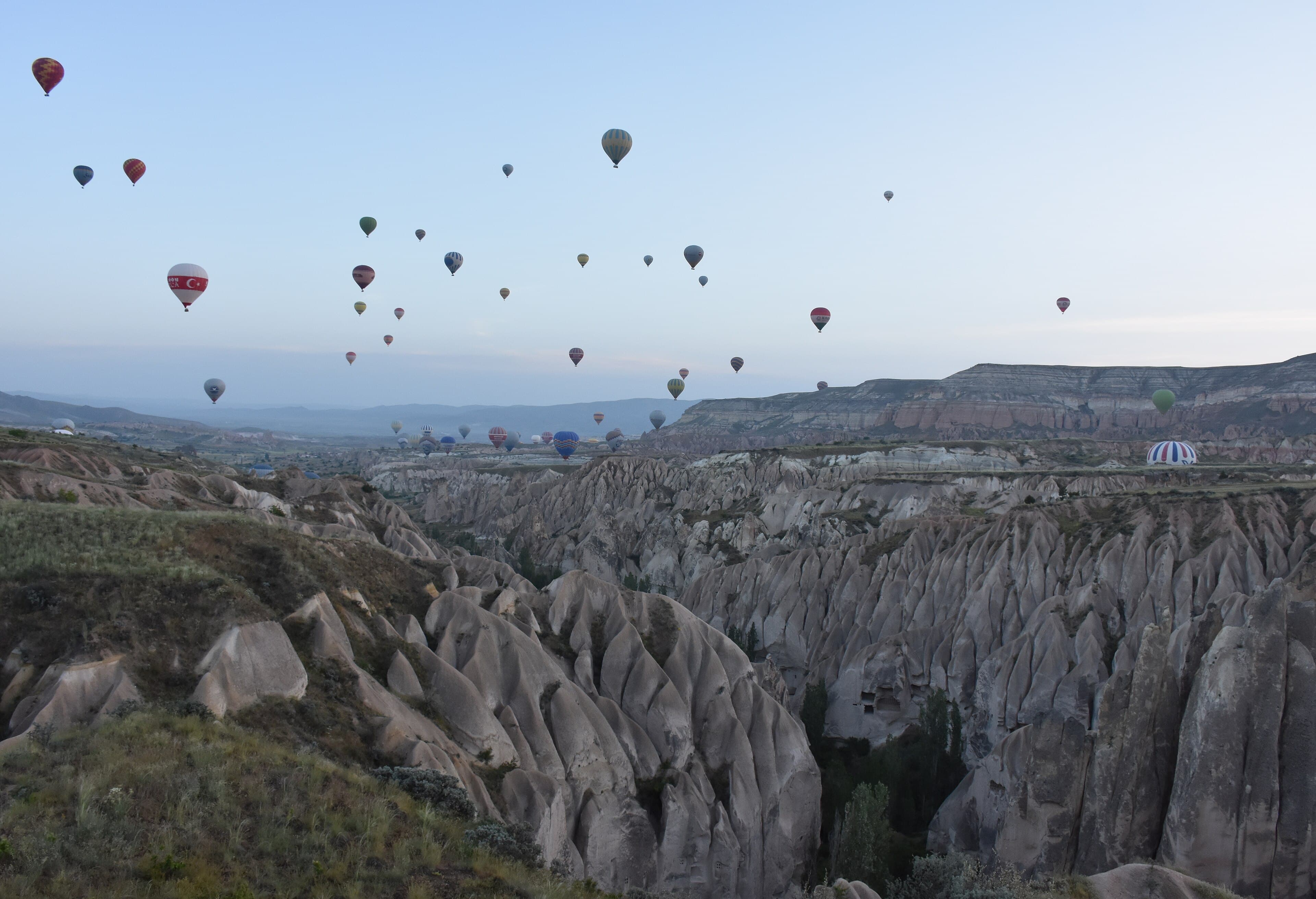
- Cappadocia: Fairy Chimneys and Hot-Air Balloons — The unique volcanic landscape of central Anatolia, its rock-cut churches and sunrise balloons.
- Aegean Coast: Ephesus, Pamukkale and Bodrum — Major archaeological sites and seaside resorts along Turkey's western shore.
- Mediterranean Coast: The Turkish Riviera — Antalya, Side, Olympos and the turquoise beaches of Lycia and Pamphylia.
- Istanbul, the City Across Two Continents — Hagia Sophia, Blue Mosque, Topkapi, Grand Bazaar and a Bosphorus cruise.