
Expert on Turkey · 1 contributions
 Mediterranean Desk — Mowando·Editor
The best periods
The best time to visit Turkey is April to June and September to October.
Printemps — la saison idéale
- ✅Températures parfaites (18-26 °C) à Istanbul, sur la côte égéenne et en Cappadoce
- ✅Foule encore raisonnable avant l'arrivée des grands flux touristiques estivaux
- ✅Floraison spectaculaire en Cappadoce et dans les jardins du palais de Topkapi à Istanbul
- ❌Pluies encore fréquentes en avril à Istanbul et dans le nord du pays
- ❌Mer encore fraîche sur les côtes égéenne et méditerranéenne (16-19 °C)
Été — chaleur intense et haute saison balnéaire
- ✅Côtes égéenne et méditerranéenne au mieux : mer chaude (25-27 °C), ciel sans nuage, plages exceptionnelles
- ✅Festivals de musique et de cinéma à Istanbul, vie nocturne intense à Bodrum et Antalya
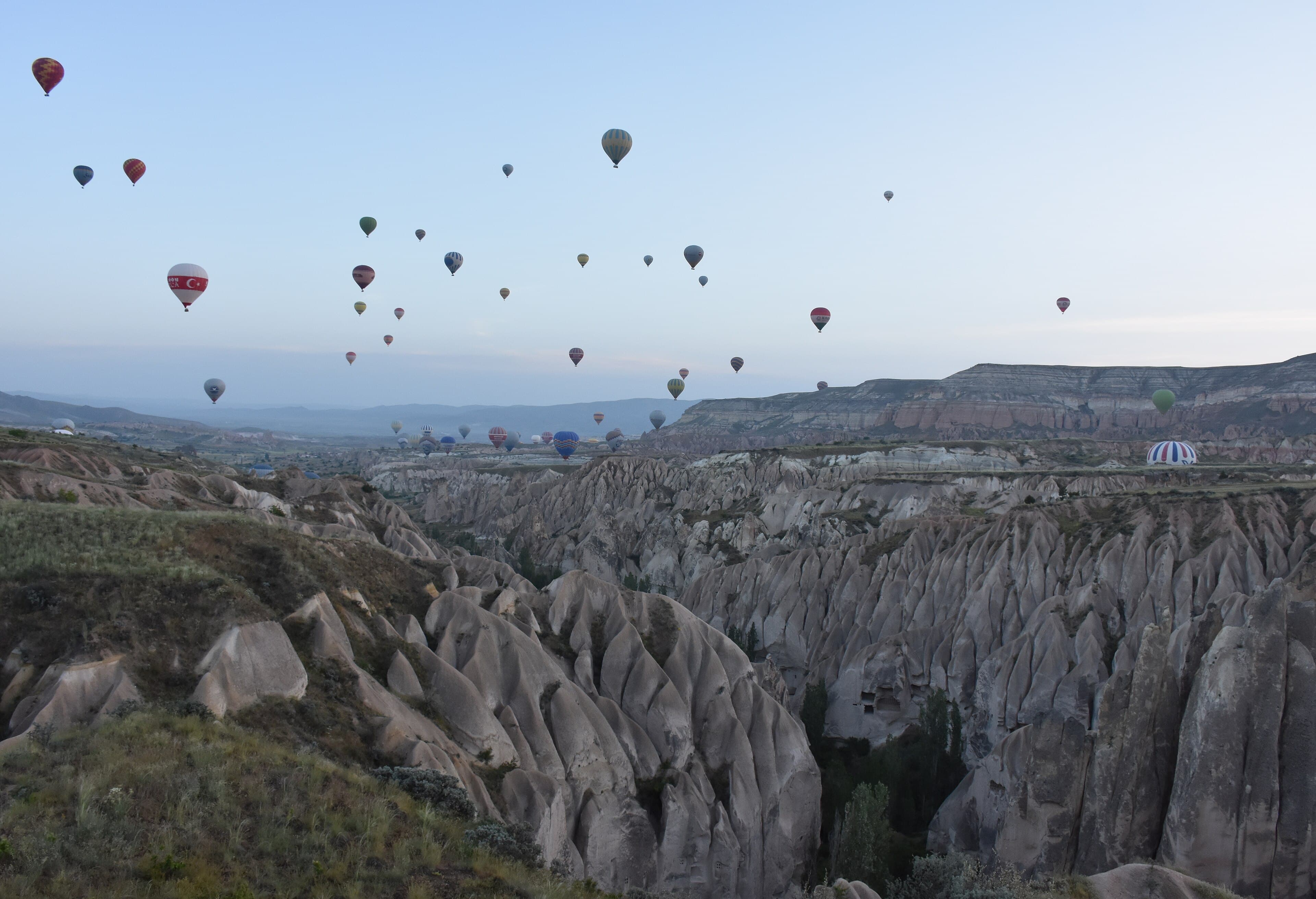
- ✅Cappadoce : montgolfières quotidiennes assurées par météo stable
- ❌Chaleur étouffante à Istanbul (32-38 °C avec humidité) et brûlante en Cappadoce (40 °C)
- ❌Foule maximale sur les sites phares (Éphèse, Pamukkale, Sainte-Sophie), files d'attente de 2 h
- ❌Hébergements et vols à leurs tarifs les plus élevés, réservations impératives
Automne — équilibre parfait
- ✅Températures idéales (20-28 °C), mer encore chaude jusqu'à mi-octobre sur la côte turquoise
- ✅Fréquentation en baisse, prix plus doux, atmosphère sereine dans les sites archéologiques
- ✅Lumière dorée exceptionnelle sur les cheminées de fées de Cappadoce, idéal pour la photographie
- ❌Pluies possibles dès mi-octobre, surtout à Istanbul et en mer Noire
- ❌Certaines structures balnéaires ferment à partir de fin octobre sur les côtes
Hiver — atmosphère intimiste
- ✅Istanbul en hiver : musées calmes, hammams fumants, Bosphore mystérieux sous la brume
- ✅Cappadoce sous la neige : spectacle féérique sur les cheminées de fées, montgolfières par temps clair
- ✅Tarifs hôteliers et vols au plus bas, hors fêtes de fin d'année
- ❌Froid mordant en Anatolie centrale (-5 à 5 °C), Cappadoce parfois enneigée
- ❌Vols de montgolfière fréquemment annulés en janvier-février (vent et neige)
- ❌Stations balnéaires (Antalya, Bodrum) en sommeil, plupart des hôtels fermés
Climate by destination
The climate varies sharply from one region to another. See the month-by-month detail — temperatures, sea, crowds and flight prices — on each destination's 'when to go' page.
Frequently asked questions
Do I need a visa to travel to Turkey?+
When is the best time to visit Turkey?+
What itinerary do you recommend for a first trip to Turkey?+
What currency should I use in Turkey and how do I pay?+
Is Turkey a safe country for travellers?+
Our verdict
Turkey is one of the most complete destinations in the Mediterranean basin — heritage, gastronomy, beaches, nature, all at accessible prices. Few countries on earth let you string together in two weeks a world-city (Istanbul), a unique geological landscape (Cappadocia), some of the best-preserved Roman ruins on the planet (Ephesus) and Mediterranean beaches (Antalya, Bodrum). The density of the experience is such that a first trip is often followed by a more thematic second visit: Aegean ruins, Turquoise Coast cruise, Istanbul immersion, Cappadocia hiking. The frictions — summer crowds, inflation, security vigilance — are real but manageable with preparation. Visit in May-June or September-October to combine ideal weather and contained crowds. And never forget that Turkey is above all a country of legendary hospitality — the Turkish word misafir (guest, host) is sacred, and travellers feel it from the very first glass of tea shared in a bazaar.