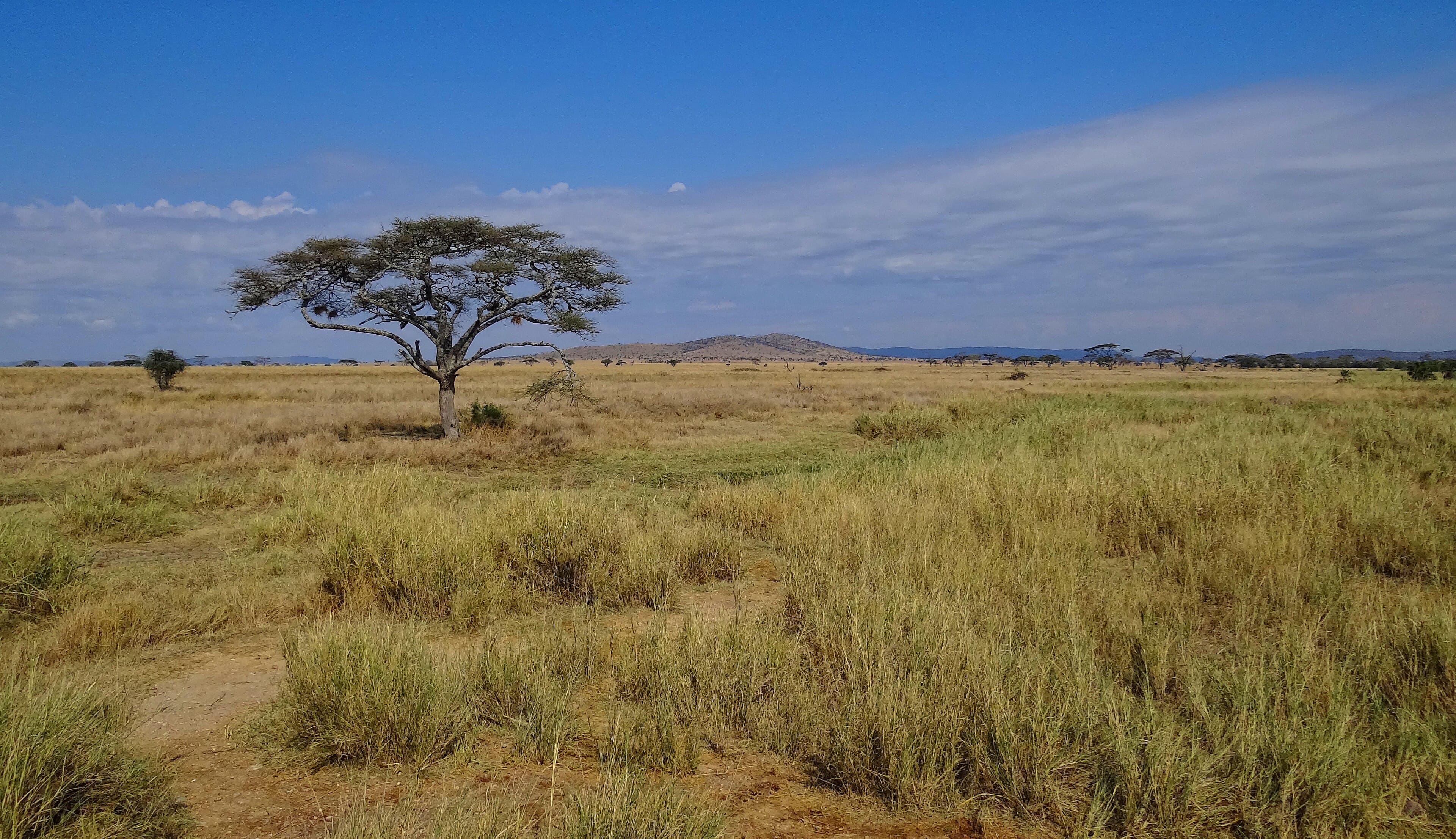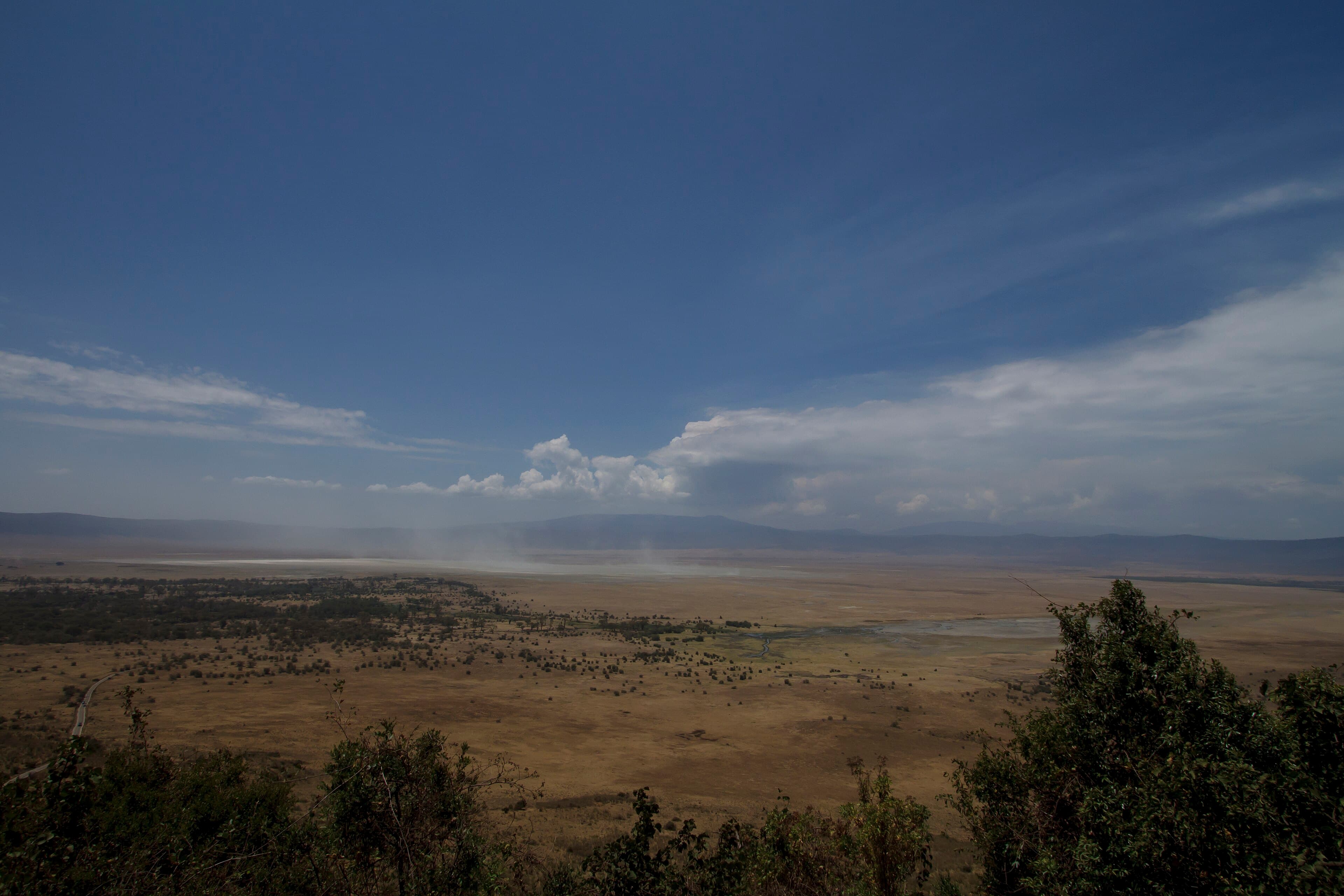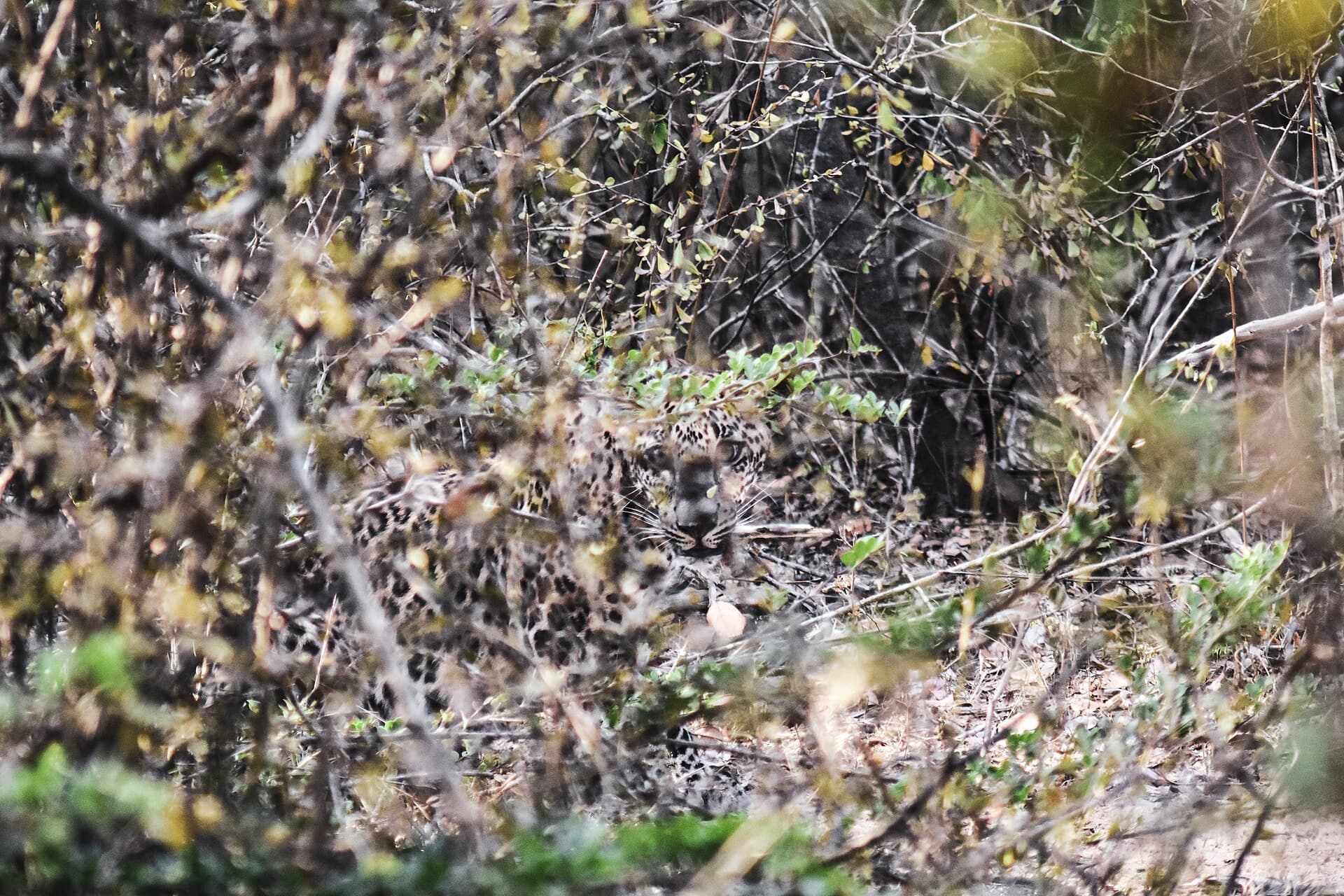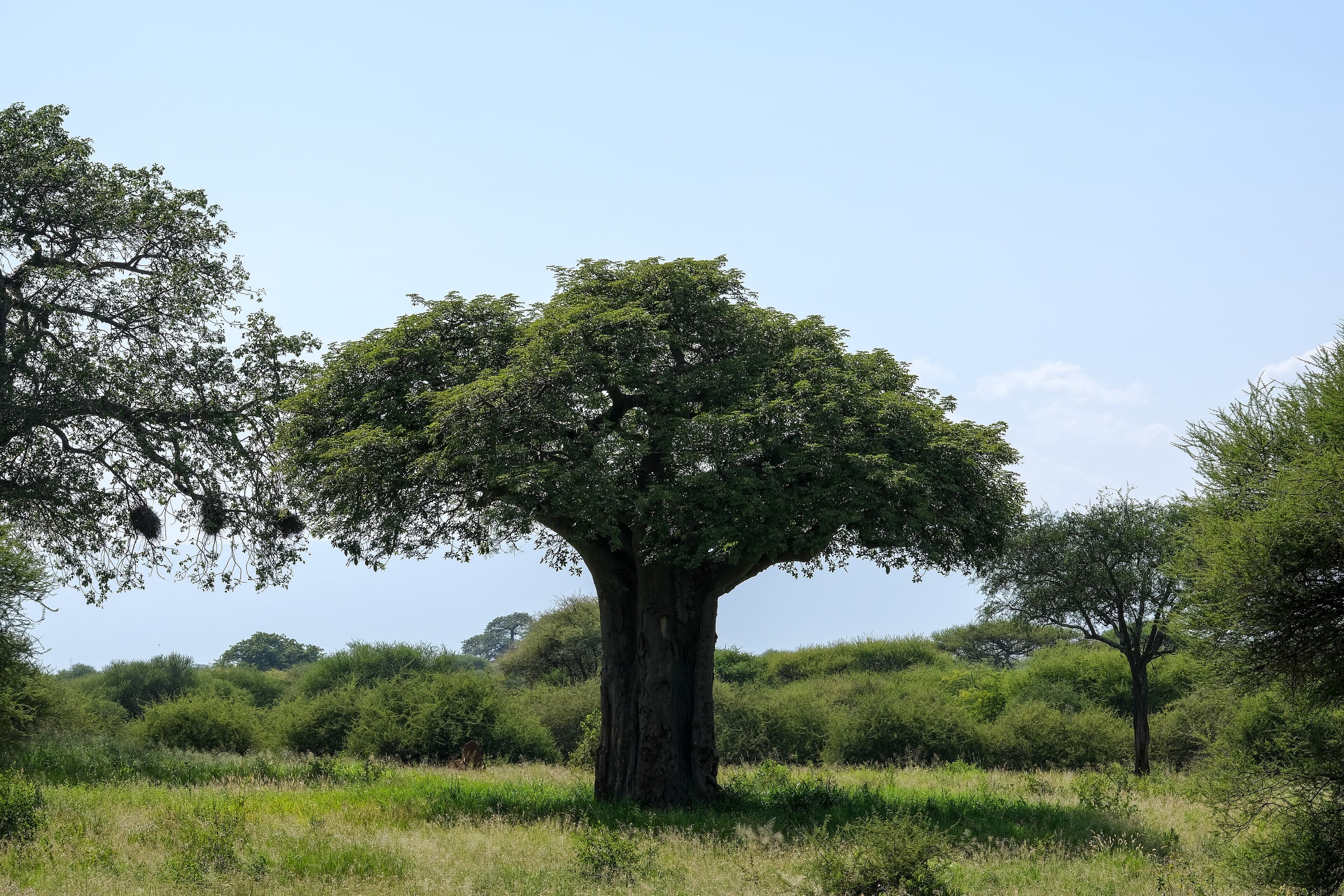

"Janvier : saison verte, paysages verdoyants, mais animaux dispersés (les éléphants migrent dans le Masai Steppe). Excellent pour les oiseaux."
Expert on Tarangire · 1 contributions
 Africa & Americas Desk — Mowando·Editor
The best periods
The best time to visit Tarangire is June to October (dry season, animal concentration on the river). The most recommended months are Janvier, Février, Mars, Avril, Mai, Juin, Juillet, Août, Septembre, Octobre, Novembre, Décembre.
Grande saison sèche — concentration animale maximale
- ✅Concentration extraordinaire d'éléphants : les troupeaux migrent depuis le Masai Steppe pour boire à la rivière Tarangire (seule source d'eau permanente)
- ✅Visibilité maximale : herbe basse, animaux concentrés autour de la rivière
- ✅Climat sec et tempéré (18-29 °C), peu de moustiques, ciel dégagé
- ✅Moins fréquenté que le Serengeti et le Ngorongoro voisins — expérience plus calme
- ❌Chaleur sèche en septembre-octobre (jusqu'à 32 °C en milieu de journée)
- ❌Affluence en augmentation (mais reste raisonnable comparée au Serengeti)
- ❌Tarifs des lodges en hausse en juillet-août (haute saison Circuit Nord)
Saison verte — paysages spectaculaires et oiseaux
- ✅Paysages verdoyants spectaculaires : baobabs en fleurs (octobre-décembre), bush en plein verdissement
- ✅Saison reine pour l'avifaune : plus de 550 espèces d'oiseaux, dont nombreuses migratrices
- ✅Tarifs intermédiaires (15-20 % moins chers qu'en haute saison)
- ✅Aucune foule — expérience safari quasi privée
- ❌Animaux dispersés : les éléphants quittent la rivière pour migrer dans le Masai Steppe (eau partout)
- ❌Visibilité réduite (herbe haute, animaux plus difficiles à repérer)
- ❌Quelques averses tropicales courtes en novembre-décembre et février
Grandes pluies — basse saison
- ✅Tarifs au plancher : -50 % par rapport à juillet-août sur les lodges
- ✅Aucune affluence — expérience safari quasi privée
- ✅Paysages les plus verts de l'année, lumière dramatique
- ❌Pluies intenses, certaines pistes deviennent boueuses
- ❌Visibilité réduite (herbe très haute, animaux dispersés)
- ❌Quelques camps en sous-effectif ou fermés en avril-mai
Month-by-month climate
Temperatures, rainfall and sunshine in Tarangire across the 12 months.
| Jan | Fév | Mar | Avr | Mai | Juin | Jui | Aoû | Sep | Oct | Nov | Déc | |
|---|---|---|---|---|---|---|---|---|---|---|---|---|
| Min | 19° | 19° | 19° | 18° | 17° | 16° | 15° | 16° | 17° | 19° | 19° | 18° |
| Max | 29° | 30° | 30° | 27° | 27° | 27° | 27° | 28° | 30° | 32° | 30° | 28° |
| Mer | — | — | — | — | — | — | — | — | — | — | — | — |
| Pluie | 111mm | 116mm | 131mm | 239mm | 29mm | 5mm | 3mm | 2mm | 3mm | 22mm | 147mm | 146mm |
| Soleil/j | 11.1h | 11h | 10.8h | 10h | 9.5h | 9.4h | 9.4h | 9.6h | 10.1h | 11h | 10.9h | 11.2h |
Tourist crowds
Monthly attendance levels (0 = empty, 100 = saturated).
Average flight prices
Average round-trip Paris → Tarangire by month.
Frequently asked questions
How many days to spend at Tarangire?+
When to see the maximum elephants?+
What is the best lodge?+
Is the Tarangire balloon flight worth its price?+
Can you do bush walks at Tarangire?+
Are the Big Five at Tarangire?+
Is Tarangire suitable for families with children?+
Our verdict
Tarangire National Park is one of the most beautiful stops on the Tanzanian Northern Circuit, and probably the most underestimated. The combination of its largest elephant population in the north (2,500 individuals concentrated on the river in dry season), its millennial giant baobabs and its calmer atmosphere than the neighbouring Serengeti makes for a unique safari experience. Our advice: imperatively plan 2 nights at Tarangire rather than just one (short packages often neglect this park, it's a mistake). Favour June to October for the prime season of animal concentration around the river. Choose a lodge with panoramic river view (Tarangire Safari Lodge, Maramboi Tented Camp) to enjoy iconic sunsets over baobabs. And don't miss the sunrise hot-air balloon — cheaper than Serengeti and just as spectacular over the baobab landscapes and elephant herds.
Similar destinations