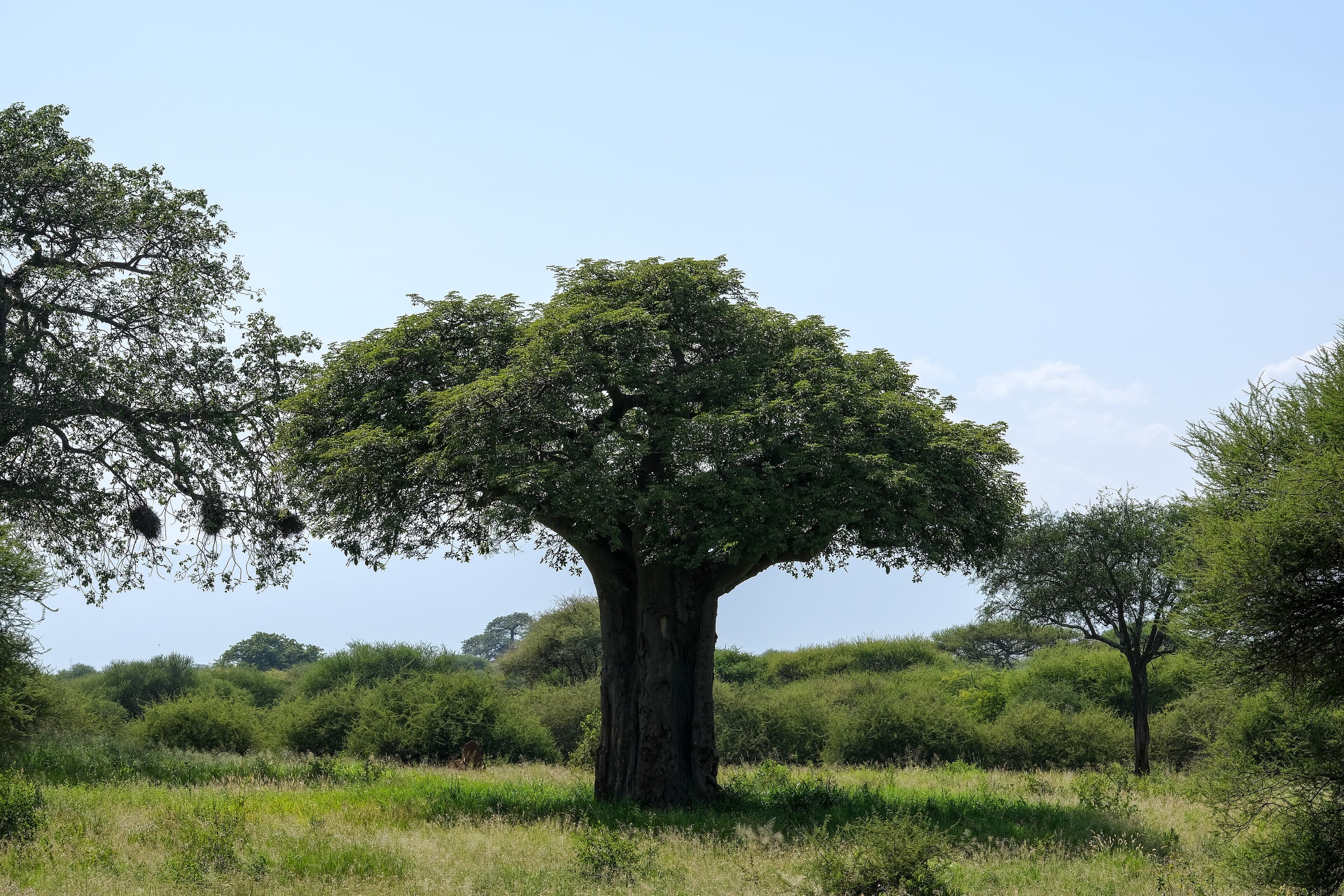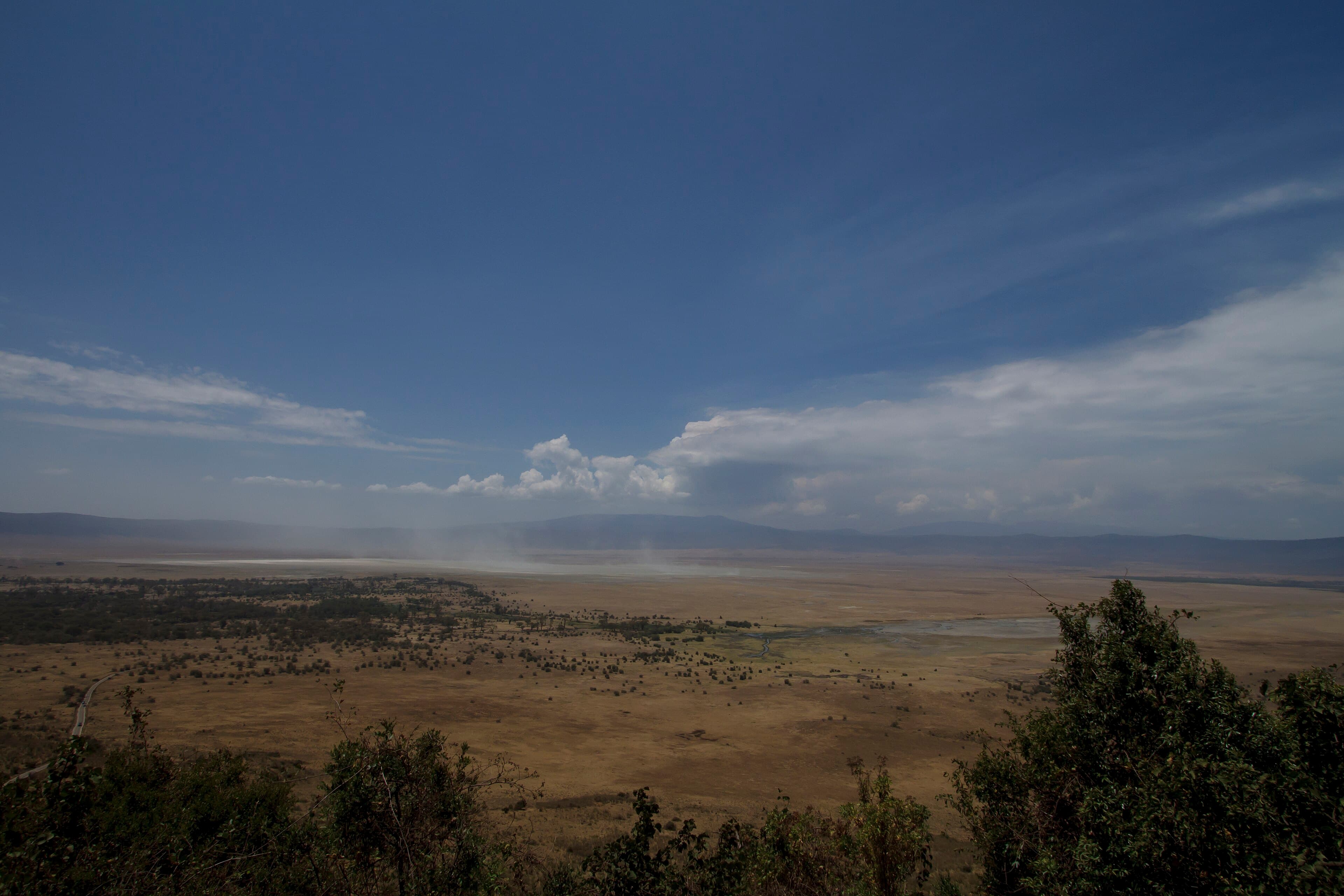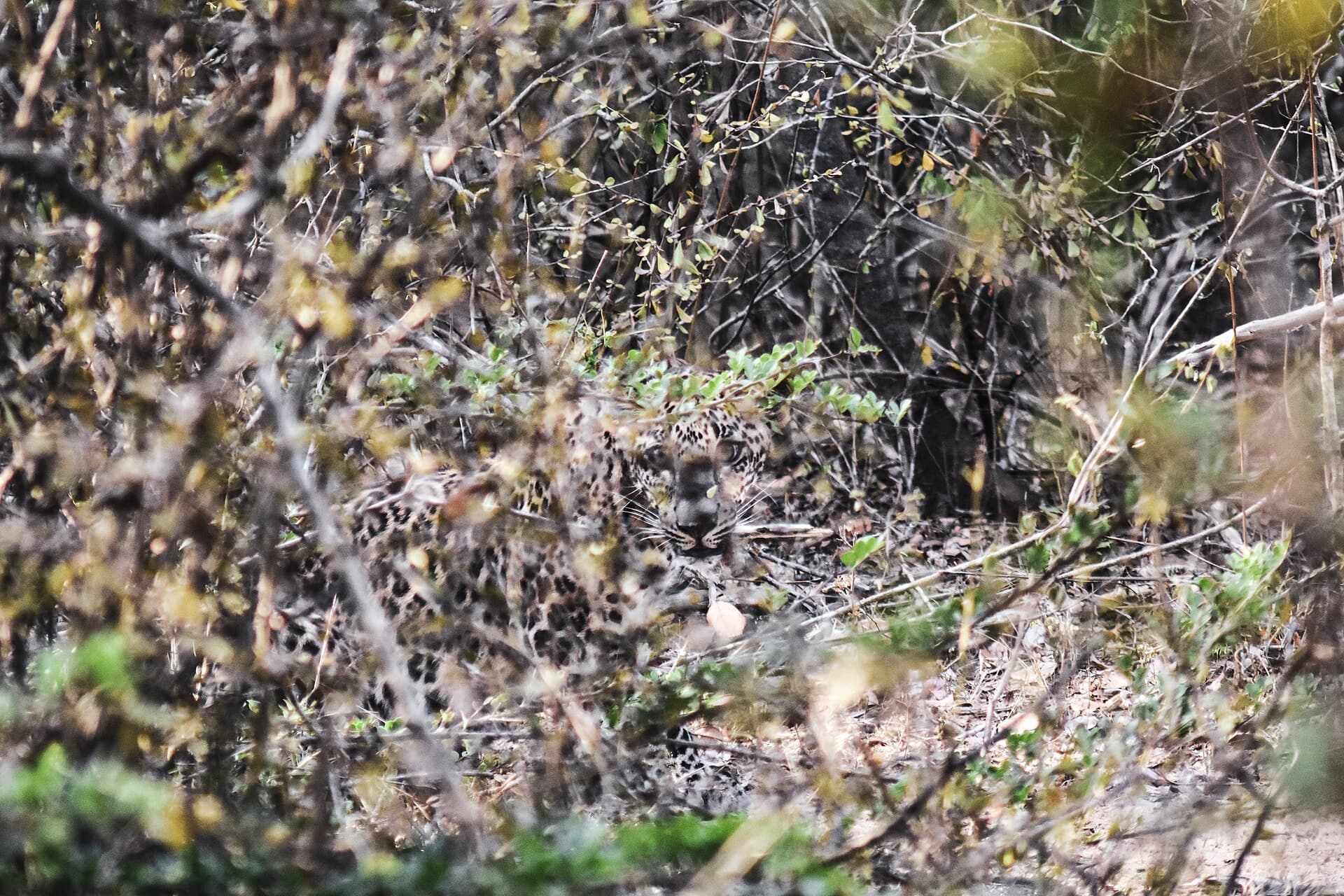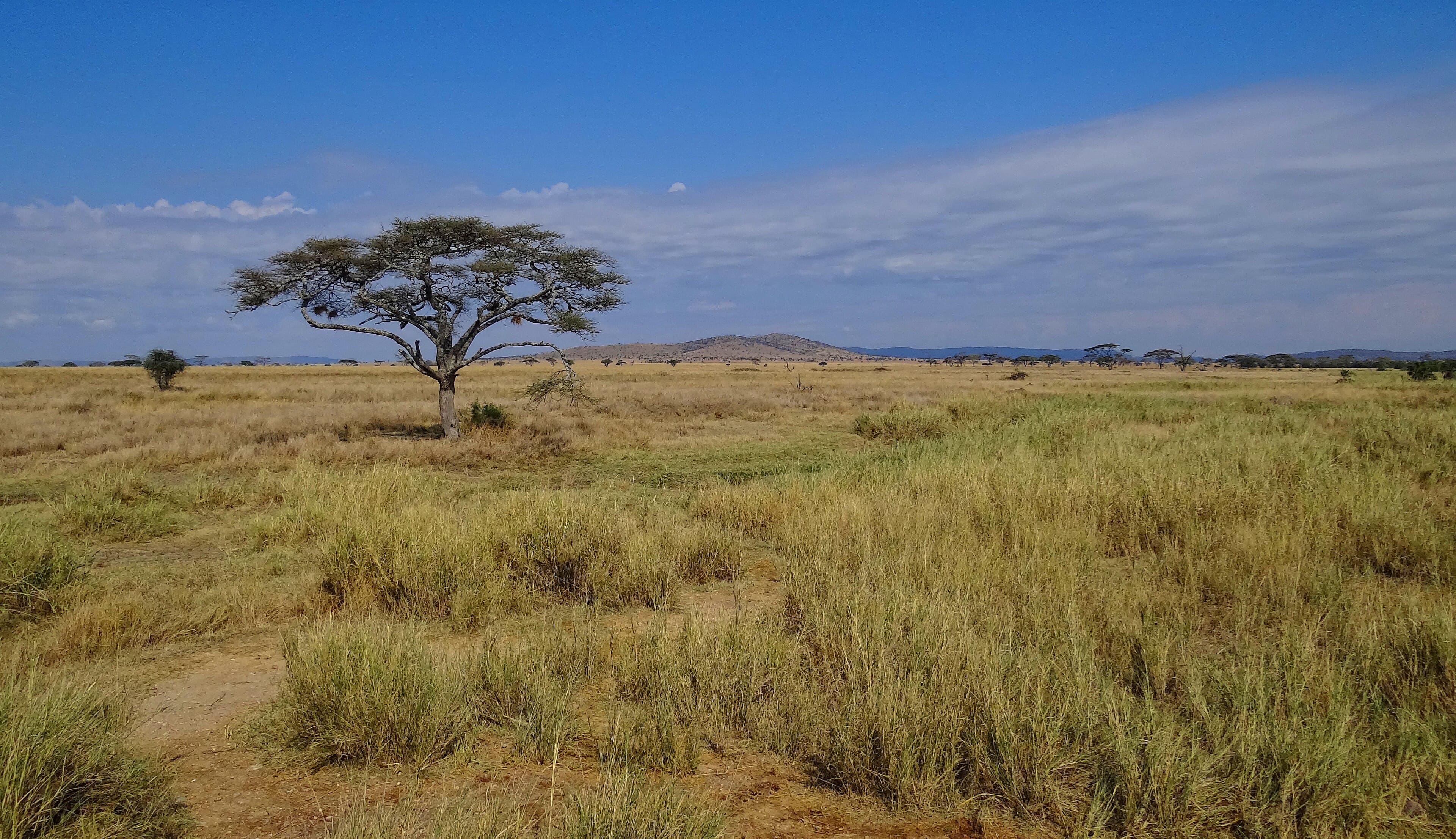

"Saison des naissances dans le sud du Serengeti (Ndutu) — 500 000 gnous naissent en 3 semaines, prédateurs en pleine action."
Expert on Serengeti · 1 contributions
 Africa & Americas Desk — Mowando·Editor
The best periods
The best time to visit Serengeti is July to October for the Great Migration in the north, January-February for the calving season in the south. The most recommended months are Février, Mars, Avril, Mai, Juin, Juillet, Août, Septembre, Octobre, Novembre, Décembre.
Grande Migration au nord — fenêtre reine
- ✅Traversées spectaculaires de la rivière Mara : gnous attaqués par crocodiles, scènes parmi les plus puissantes du règne animal
- ✅Climat sec et tempéré (15-25 °C), visibilité maximale, conditions photographiques exceptionnelles
- ✅Concentration de prédateurs (lions, léopards, guépards, hyènes) sur les troupeaux en mouvement
- ✅Apogée de la grande saison sèche : herbe basse, faune intacte des points d'eau
- ❌Haute saison absolue : camps mobiles du nord complets 6-9 mois à l'avance, tarifs au plus haut
- ❌Affluence sur les principaux points de traversée de la Mara, queues de 4x4 lors des grandes scènes
- ❌Températures fraîches le matin (10-15 °C), couverture chaude recommandée pour les game drives à l'aube
Saison des naissances au sud (Ndutu) — alternative exceptionnelle
- ✅500 000 gnous naissent en 3 semaines dans le sud du Serengeti — concentration record de prédateurs
- ✅Scènes de chasse fréquentes : guépards, lions, hyènes en pleine action sur les jeunes vulnérables
- ✅Tarifs intermédiaires (15-25 % moins chers qu'en juillet-août), affluence raisonnable
- ✅Lumière douce et paysages photographiques verdoyants (herbe fraîche)
- ❌Quelques averses tropicales, surtout vers la mi-février
- ❌Le nord du Serengeti (Mara) est vide de gnous — pas de Grande Migration au nord à cette période
- ❌Camps du sud (Ndutu, Lake Masek, Kusini) à réserver 4-6 mois à l'avance
Grandes pluies — basse saison
- ✅Tarifs au plancher : -50 à -70 % sur les lodges et camps par rapport à juillet-août
- ✅Paysages verdoyants, ciel dramatique, photos exceptionnelles en lumière humide
- ✅Très peu de visiteurs — expérience quasi privée sur les points iconiques
- ✅Migration entamée vers le nord-ouest (couloir Grumeti)
- ❌Pluies intenses, pistes du Serengeti parfois impraticables, certains camps fermés en avril-mai
- ❌Visibilité réduite sur le gibier (herbe haute, animaux dispersés)
- ❌Vols intérieurs en Cessna parfois retardés ou annulés par les orages
- ❌Saison du paludisme la plus active (humidité maximale)
Saisons intermédiaires
- ✅Juin : début de la migration vers le couloir ouest (Western Corridor) — traversées de la rivière Grumeti
- ✅Novembre-décembre : retour des troupeaux vers le sud du Serengeti, concentrations sur les plaines centrales
- ✅Conditions climatiques généralement favorables (averses courtes, soleil dominant)
- ✅Tarifs encore raisonnables avant la haute saison de Noël
- ❌Imprévisibilité météorologique : alternance d'orages et de belles éclaircies
- ❌Fin décembre : retour de la haute saison touristique (Noël/Nouvel An)
Month-by-month climate
Temperatures, rainfall and sunshine in Serengeti across the 12 months.
| Jan | Fév | Mar | Avr | Mai | Juin | Jui | Aoû | Sep | Oct | Nov | Déc | |
|---|---|---|---|---|---|---|---|---|---|---|---|---|
| Min | 16° | 17° | 17° | 16° | 16° | 16° | 15° | 16° | 17° | 17° | 17° | 16° |
| Max | 27° | 29° | 29° | 28° | 28° | 28° | 29° | 30° | 30° | 32° | 29° | 28° |
| Mer | — | — | — | — | — | — | — | — | — | — | — | — |
| Pluie | 100mm | 79mm | 77mm | 149mm | 40mm | 5mm | 4mm | 9mm | 28mm | 24mm | 140mm | 93mm |
| Soleil/j | 10.7h | 11h | 10.9h | 10.4h | 10.7h | 10.5h | 10.3h | 10.4h | 10.7h | 11h | 10.5h | 10.8h |
Tourist crowds
Monthly attendance levels (0 = empty, 100 = saturated).
Average flight prices
Average round-trip Paris → Serengeti by month.
Frequently asked questions
How many days to spend in the Serengeti?+
Where is the Great Migration depending on the season?+
How much does a Serengeti safari cost?+
Which is the best camp or lodge?+
Is the sunrise hot-air balloon over the Serengeti worth the price?+
Can you do a walking safari in the Serengeti?+
Is the Serengeti accessible to children?+
Our verdict
The Serengeti is, without the slightest exaggeration, the ultimate safari experience in the world. The combination of its area (14,750 km²), megafauna density (4,000 lions, 5,000 elephants), annual Great Migration and zone diversity makes it a destination every African wildlife enthusiast must visit at least once. Count on a minimum of 3 nights in the park, ideally 4-5 to explore several zones. Favour July to October for the northern migration (Mara), January-February for the southern births (Ndutu). Imperatively combine with the Ngorongoro Crater and Tarangire for a complete Northern Circuit, then 4-5 nights in Zanzibar for the beach recovery. Choose a serious operator and accept the cost (€4,000-7,000 for 14 days all-in) — it's one of those trips that justifies the financial and logistical effort.
Similar destinations