parc national
Serengeti
14,750 km² of endless savannah, the Great Migration of 2 million wildebeest, and one of the highest densities of big cats in the world — the Serengeti is the absolute archetype of African safari.
The Serengeti is arguably Africa's most iconic national park and one of the planet's greatest wildlife sanctuaries. With its 14,750 km² — roughly the size of Belgium — it occupies north-western Tanzania, extending across the border into Kenya's Maasai Mara to form a transboundary ecosystem of over 30,000 km² known as Serengeti-Mara. The park was created in 1951 and listed as a UNESCO World Heritage Site in 1981, in recognition of its exceptional biodiversity and its role in conserving African megafauna.
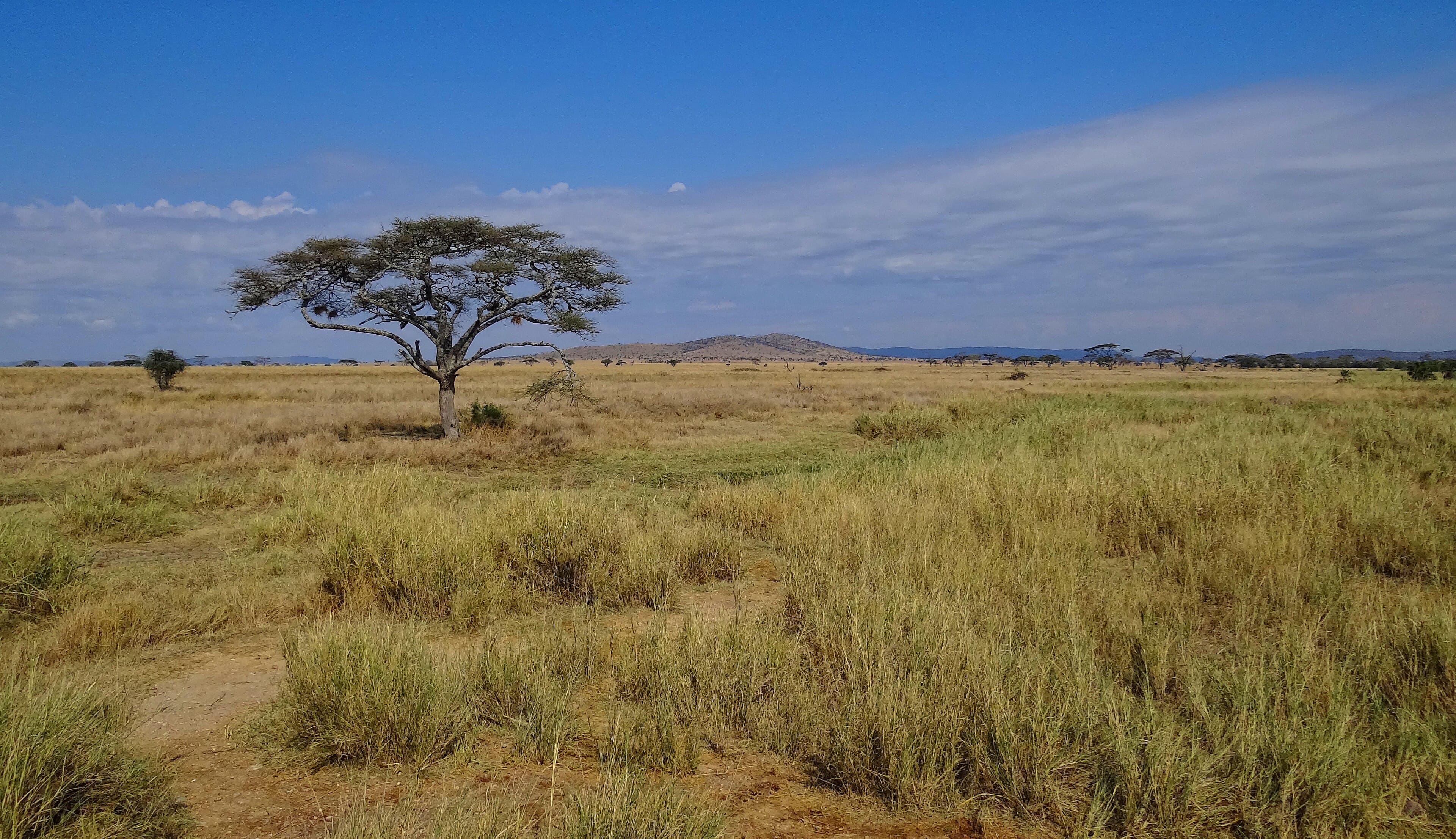
The word 'Serengeti' comes from the Maasai siringet, meaning 'endless plain' — and that's exactly it. An immensity of grass savannahs dotted with kopjes (granite outcrops that serve as refuges for lions and observation points for cheetahs) and crossed by a few rivers (Grumeti to the west, Mara to the north, Seronera in the centre). The park divides into several zones: the south (Ndutu and Salei plains, annual birthplace of the wildebeest), the centre (Seronera region, rich in leopards and resident lions), the western corridor (Western Corridor, followed by the migration between May and July), the north (Mara River region, theatre of the crossings July to October), and the north-east (Lobo, more wooded, resident wildlife year-round).
The event that makes the Serengeti unique in the world is the Great Migration. Each year, around 1.5 million wildebeest, 250,000 zebras and 350,000 gazelles travel a great annual circuit of about 800 km within the Serengeti-Mara ecosystem, searching for fresh grass and water. The cycle is consistent and predictable: birth in the south in January-February (500,000 young born in 3 weeks), migration to the north-west between March and June (with Grumeti River crossings in June), arrival in the northern Serengeti in July, dramatic Mara River crossings between July and October (wildebeest attacked by Nile crocodiles, scenes among the most powerful in the animal kingdom), descent south in November-December. This migration is the largest annual movement of terrestrial mammals in the world.
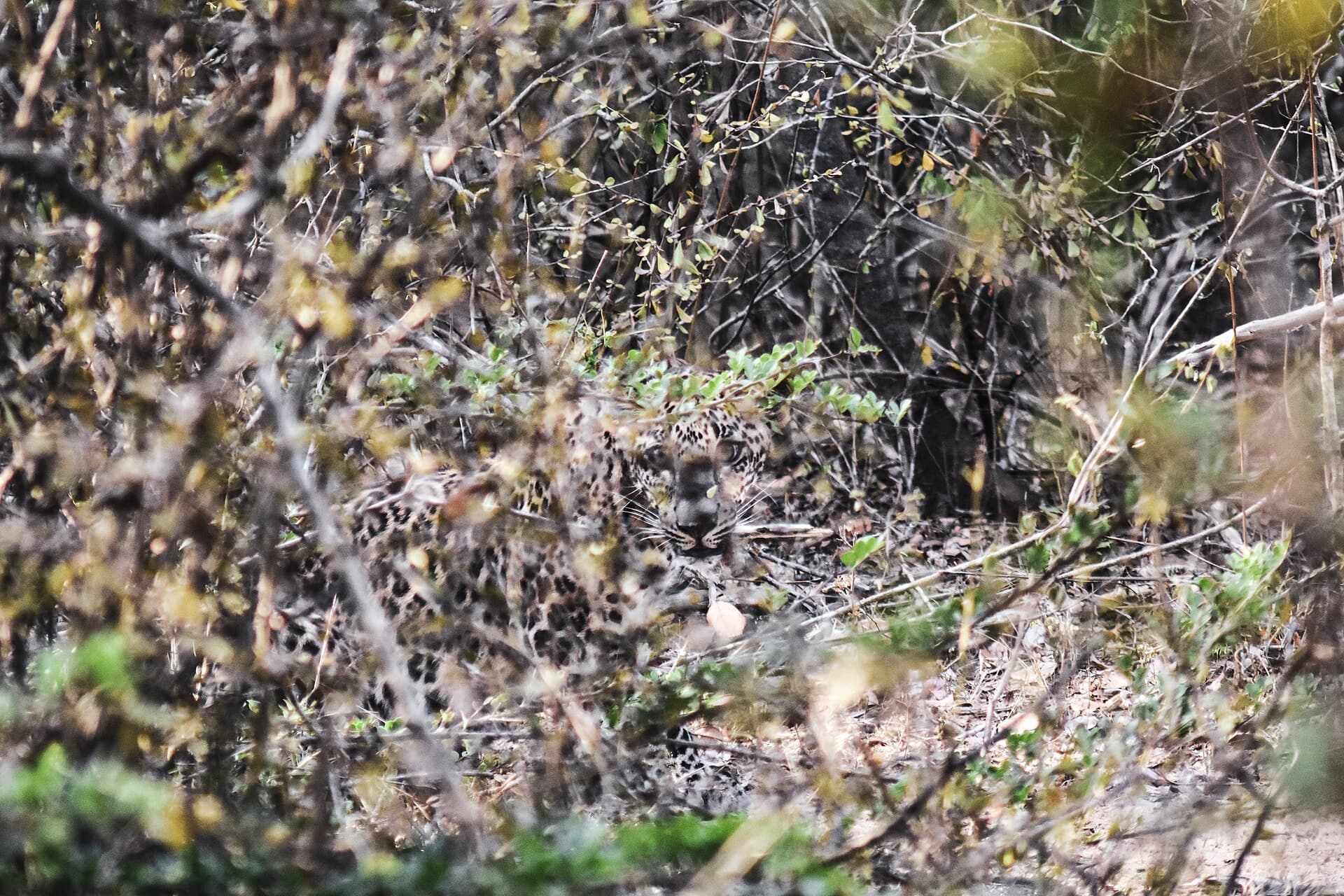
But the Serengeti is not just about migration. The park shelters intact megafauna: around 4,000 lions (one of the largest populations in the world), 1,000 leopards, 250 cheetahs, 7,000 spotted hyenas, 5,000 elephants, 60,000 buffalo, plus 70 mammal species and 500 bird species in total. Lion density in Seronera (centre of the park) is among the highest in the world — you're practically guaranteed to see them on every drive.
What we love
- ✅Greatest wildlife spectacle in the world: the Great Migration of 2 million wildebeest, spectacular Mara River crossings
- ✅Intact megafauna: 4,000 lions, 1,000 leopards, 250 cheetahs, 5,000 elephants — one of the highest concentrations in the world
- ✅UNESCO site since 1981, preserved ecosystem across 14,750 km² — one of Africa's last great wild plains
- ✅Diversity of zones (south, centre, western corridor, north) allowing trip adaptation to season and migration profile
- ✅Lodges and camps across all ranges, from authentic mobile camps to international palaces
What to know
- ❌Very high cost: 70 USD/day entry fee (+18% VAT), high-end mobile camps 1,200-2,000 USD/night
- ❌Affluence at iconic sites (Mara crossing point, Retina hippo pool) in July-August
- ❌Long distances: 4-5 hours of track to cross the park north-south, internal flights recommended
- ❌Long rains season (April-May) makes some zones impassable, several camps closed
Situation
Où se situe Serengeti ?
Ouvrir la carte en grand sur OpenStreetMap →Frequently asked questions
How many days to spend in the Serengeti?+
Where is the Great Migration depending on the season?+
How much does a Serengeti safari cost?+
Which is the best camp or lodge?+
Is the sunrise hot-air balloon over the Serengeti worth the price?+
Can you do a walking safari in the Serengeti?+
Is the Serengeti accessible to children?+
Our verdict
The Serengeti is, without the slightest exaggeration, the ultimate safari experience in the world. The combination of its area (14,750 km²), megafauna density (4,000 lions, 5,000 elephants), annual Great Migration and zone diversity makes it a destination every African wildlife enthusiast must visit at least once. Count on a minimum of 3 nights in the park, ideally 4-5 to explore several zones. Favour July to October for the northern migration (Mara), January-February for the southern births (Ndutu). Imperatively combine with the Ngorongoro Crater and Tarangire for a complete Northern Circuit, then 4-5 nights in Zanzibar for the beach recovery. Choose a serious operator and accept the cost (€4,000-7,000 for 14 days all-in) — it's one of those trips that justifies the financial and logistical effort.
Nearby

"Saison des naissances dans le sud du Serengeti (Ndutu) — 500 000 gnous naissent en 3 semaines, prédateurs en pleine action."
Expert on Serengeti · 1 contributions
 Africa & Americas Desk — Mowando·Editor