Mowando

Region

Southern Tanzania

Africa's largest park (Nyerere/Selous), the Swahili economic capital Dar es Salaam, and Mafia Island to swim with whale sharks — Tanzania off the beaten track.

4.60

The Dar es Salaam and South region is the lesser-known but deeply spectacular face of Tanzania. It revolves around three complementary poles: the economic capital Dar es Salaam (5.4 million inhabitants, the country's largest city and one of East Africa's most dynamic metropolises), the Nyerere National Park (formerly Selous Game Reserve, 30,893 km² — Africa's largest protected area and one of the continent's last wild sanctuaries), and Mafia Island (435 km², a listed marine park, one of the world's best diving sites and epicentre of the annual whale shark migration).

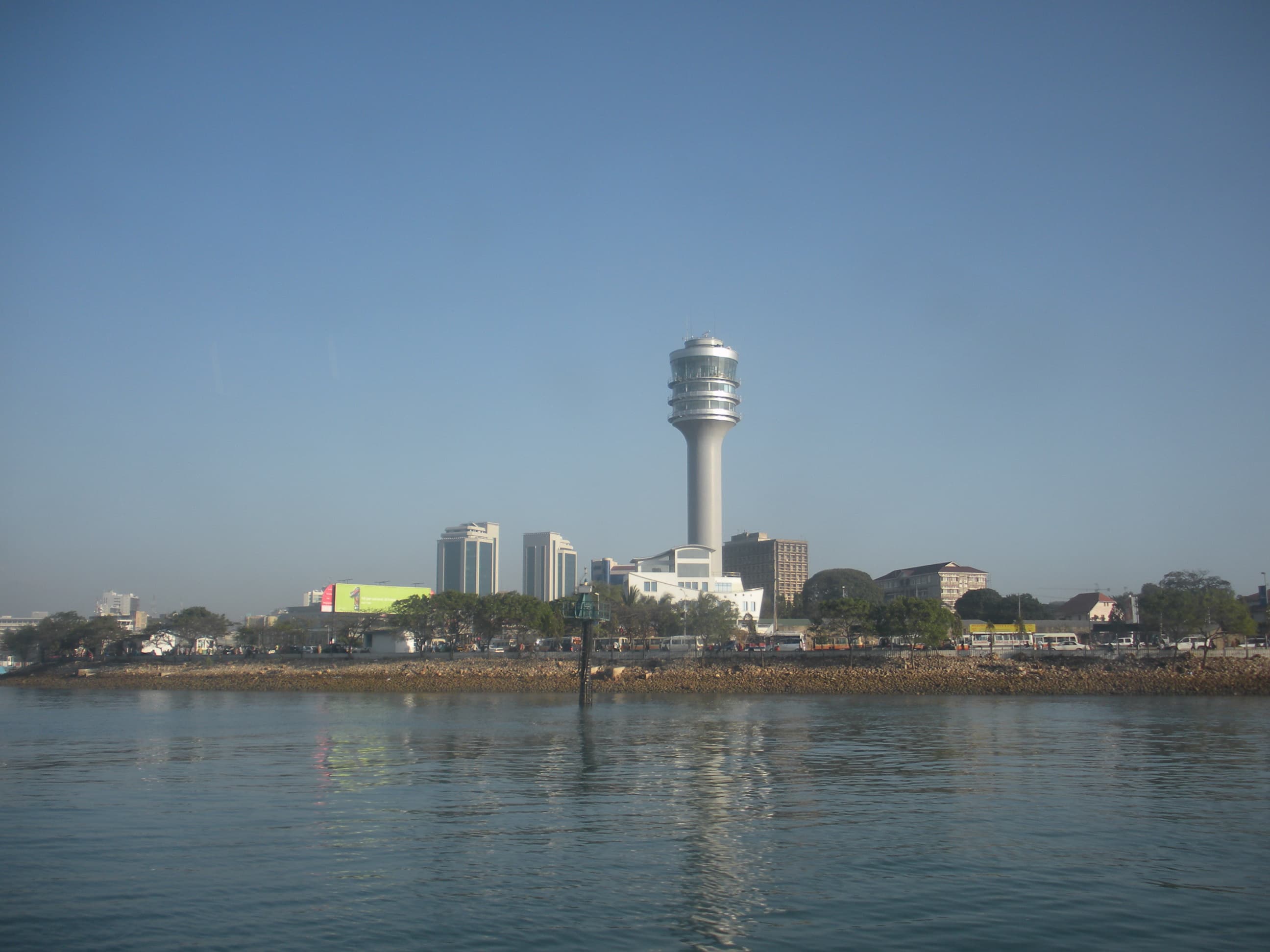
Dar es Salaam (often abbreviated 'Dar') bears an Arabic name meaning 'haven of peace' — a nickname given by Sultan Sayyid Majid bin Said of Zanzibar who founded the city in 1862. It's a dense, noisy tropical metropolis on the Indian Ocean, where Swahili, Arab, Indian, and German then British colonial heritages cross. Economic and financial capital of the country (political capital being Dodoma, inland), Dar is the main international flight arrival point, the central commercial port, and the ferry terminal for Zanzibar.

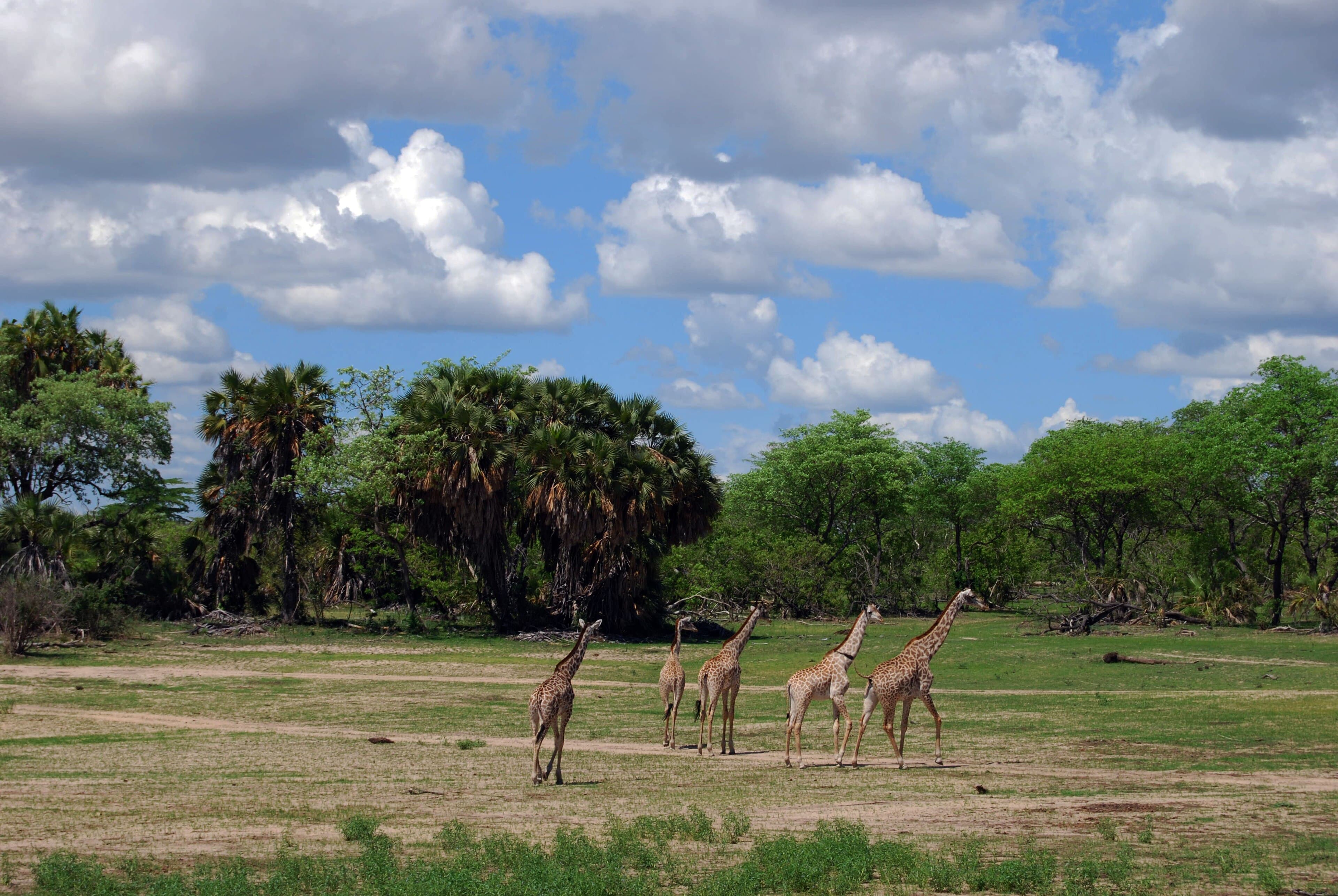
The Nyerere National Park (renamed in 2019 after founding president Julius Nyerere, formerly Selous Game Reserve) is one of African safari's greatest secrets. With its 30,893 km² — more than four times the size of the Serengeti — it's Africa's largest protected area and one of the continent's last great intact ecosystems. The park shelters the largest elephant population (estimated at 15,000 despite poaching cuts of the 2010s), buffalo, and one of the last sanctuaries of African wild dogs. Its particularity: the Rufiji River that crosses the park from west to east creates a system of inland lakes, deltas and marshes that make boat safaris possible — a unique experience in Tanzania, complementary to 4x4 game drives.

Mafia Island (435 km², 120 km south of Dar es Salaam, accessible by 30-min Coastal Aviation flight) is an underrated gem of the Tanzanian archipelago. The Mafia Marine Park (822 km², listed since 1995) protects an exceptional coral ecosystem: more than 380 fish species, 50 coral species, and above all the world's largest concentration of whale sharks (Rhincodon typus) between October and March.

Explore Southern Tanzania

Spots in the region
Situation

Où se situe Southern Tanzania ?

Ouvrir la carte en grand sur OpenStreetMap →

Frequently asked questions

Why is the Southern Circuit less frequented than the Northern Circuit?+
Several reasons. The __Northern Circuit__ (Serengeti, Ngorongoro) has been more publicised for 60 years, benefits from the fame of the Great Migration and offers more mature logistics (circular road from Arusha, numerous lodges). The __Southern Circuit__ (Nyerere/Selous, Ruaha, Mikumi) almost always requires internal Cessna flights to link the parks from Dar, increasing the entry cost. The size of Nyerere (30,893 km²) also means animals are more dispersed — density is less spectacular than at Ngorongoro but the experience is wilder and more 'wild'. It's the destination of second trips and connoisseurs.
How many days to discover the region?+
Minimum 7-8 days to combine Nyerere and Mafia. Typical format: arrival Dar es Salaam (1 night), Cessna flight to Nyerere (3-4 nights in lodge with 4x4 game drives, Rufiji boat safari and bush walk), Cessna flight to Mafia Island (3 nights for diving), return Dar for international flight. With 10-12 days, you can add Ruaha National Park (the country's 3rd largest, remarkable big cats) or Kilwa Kisiwani UNESCO ruins. For very informed travellers, possible combination with Mahale Mountains (chimpanzees, on Lake Tanganyika).
When to see whale sharks at Mafia?+
Mafia's whale shark season runs from __October to March__, with a peak observation between __December and February__. During this period, whale sharks (Rhincodon typus) gather in the shallow waters of Mafia's west coast (notably around Kilindoni) to feed on plankton. Observation trips run by boat from Kilindoni or the lodges (Pole Pole Lodge, Kinasi Lodge, Mafia Island Lodge), duration 2-4 hours, 80-150 USD/person. Swimming with these 8-12 metre totally harmless giants (plankton filter-feeders) is one of the most powerful marine experiences in the world. Book 2-3 months ahead for peak season.
Is Nyerere/Selous Park safe after the poaching episodes?+
Yes. Selous indeed suffered massive elephant poaching in the 2010s (population divided by 4 between 2009 and 2014), but the situation has improved markedly since 2018 thanks to strengthened anti-poaching operations and the creation of specialised units (Tanzania Wildlife Authority, TANAPA). Elephant population is recovering (estimated at 15,000 in 2024), other animal populations (buffalo, lions, hippos, crocodiles, wild dogs) are stable or growing. The park remains one of Africa's great sanctuaries and visitor security has never been affected. Recent controversy concerns the Julius Nyerere hydroelectric dam project (at the heart of the park, commissioned 2024), which concerns some conservationists.
What are the best lodges in Nyerere?+
Nyerere's top includes three historic very high-quality lodges: __Sand Rivers Selous__ (Nomad Tanzania, 8 stone villas on the Rufiji, the most iconic), __Beho Beho__ (historic family lodge on a hill, panoramic views), __Roho ya Selous__ (Asilia Africa, 8 contemporary tents, excellent value). For tighter budget: __Selous Serena Camp__ (24 tents, Rufiji bank), __Rufiji River Camp__ (classic permanent camp). All these addresses practise 4x4 game drives, Rufiji boat safaris and bush walks — three complementary activities unique to the South.
Is it really necessary to spend a night in Dar es Salaam?+
Not absolutely essential if you arrive in the morning and leave in the evening for Zanzibar or a safari. But __Dar deserves 1-2 nights__ for travellers interested in African urbanity and urban Swahili culture. Highlights: __national museum__ (Olduvai fossils), __Kivukoni fish market__ (early morning), __Mwenge village__ for Makonde craftsmanship, __Coco Beach__ for local weekend atmosphere, __dinner__ at an authentic Swahili restaurant (Akemi, The Slipway, Mediterraneo). Recommended hotels: __Hyatt Regency__ (downtown, sea view), __Serena Hotel__ (tropical gardens), __Sea Cliff Hotel__ (Msasani peninsula). Avoid the Kariakoo and Buguruni districts at night (security).
Can the South be combined with a classic Serengeti-Zanzibar trip?+
Yes, but it requires at least 17-21 days and a substantial budget (€8,000-12,000 per person all-in). Typical itinerary: arrival Kilimanjaro, Northern Circuit (7-8 days), Cessna flight to Nyerere (3-4 days), flight to Mafia (3 days), flight to Zanzibar (4-5 days), return Dar es Salaam then international flight. This combination offers the most complete Tanzania possible — north savannah, south savannah, world diving, beaches — but requires excellent logistical preparation and remains reserved for experienced travellers. For most first safaris, better to focus on Northern Circuit + Zanzibar.

Our verdict

The Dar es Salaam and South region is connoisseurs' and second-trips' Tanzania. Its combination of Nyerere Park (Africa's largest, exclusive boat safaris), Mafia Island (world-class diving, seasonal whale sharks) and Dar es Salaam (authentic urban Swahili immersion) makes for an itinerary of great richness for informed travellers. Count on 7-10 days minimum, with Cessna transfers between the three poles imperative. Favour June to October for the optimal safari/diving window, October to March for whale sharks. Ideally combine with a Zanzibar finale (4-5 nights) for a total Tanzanian discovery alternative to the classic Serengeti-Ngorongoro-Zanzibar triptych.

Mowando Letter

Once a month: the right destinations for the right season + the best booking windows.

No spam. One-click unsubscribe. Your data is never shared.