Mowando

Region

Zanzibar

UNESCO-listed Stone Town and some of Africa's most beautiful beaches: Zanzibar combines a millennial Swahili heritage with turquoise lagoons, 25 minutes' flight from Dar es Salaam.

4.70

The Zanzibar archipelago is one of the most iconic beach destinations in the Indian Ocean and the natural complement to any safari trip in Tanzania. Located 40 kilometres off the eastern Tanzanian coast, it groups three main islands: Unguja (the main island, commonly called Zanzibar), Pemba (in the north, wilder and more preserved), and Mafia (in the south, a diving paradise). To these islands are added a multitude of coral islets, including the famous Mnemba Island, one of the best snorkelling destinations in the world.

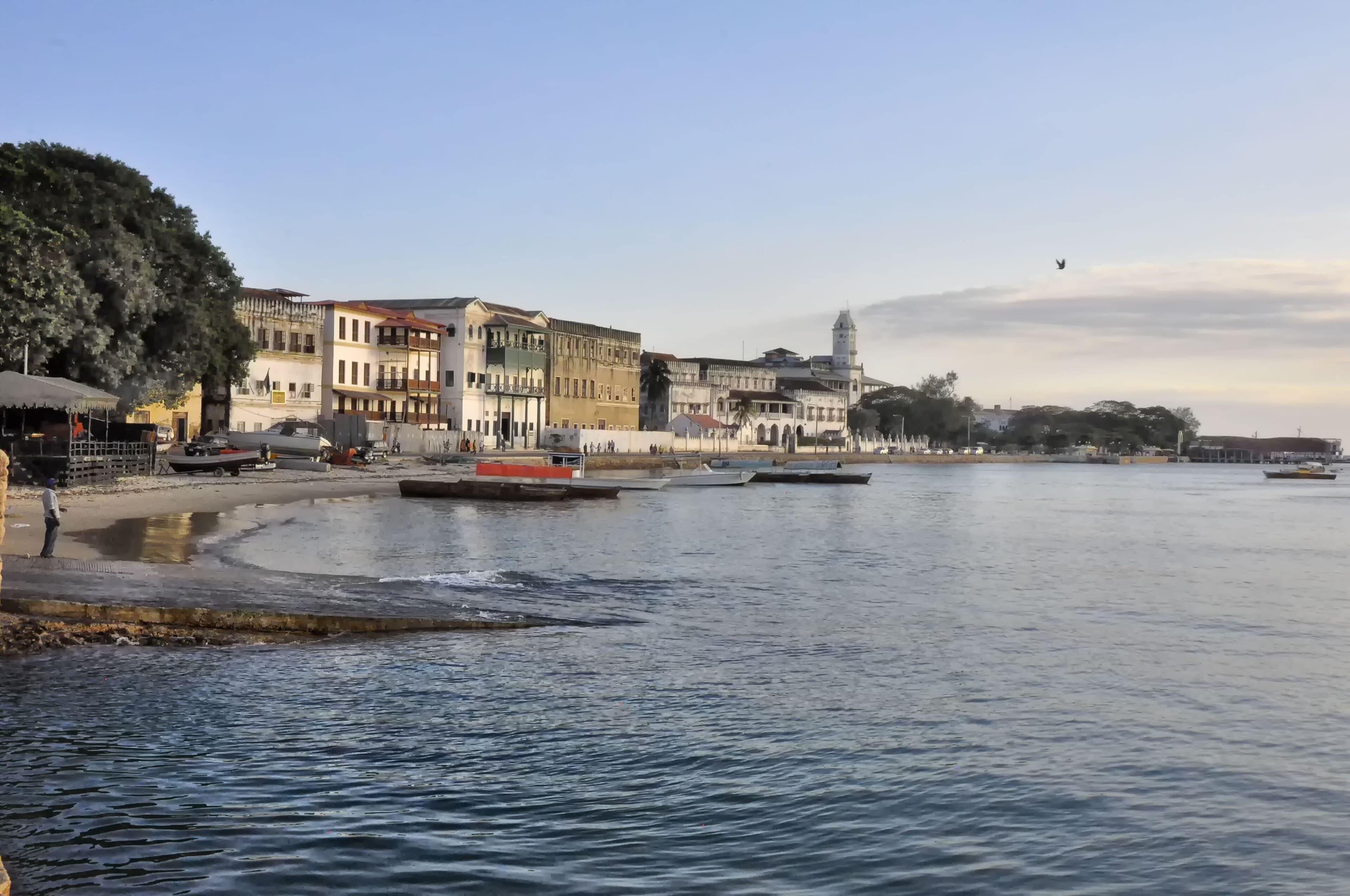
Zanzibar is above all a land of memory and cultural mixing. Since the 8th century, the archipelago was a major commercial crossroads linking East Africa to the Arabian peninsula, Persia, India and later Europe. Omani merchants, Portuguese navigators, Persian traders (Shirazi) and Indian businessmen left a profound imprint — visible today in the architecture of Stone Town (UNESCO-listed since 2000), in the spiced cuisine, in taarab music and in the Swahili language itself, enriched with hundreds of Arabic and Persian words. This history has a tragic side too: the archipelago was, from the 18th to the late 19th century, one of the main hubs of the East African slave trade, before the British-imposed abolition of 1873.

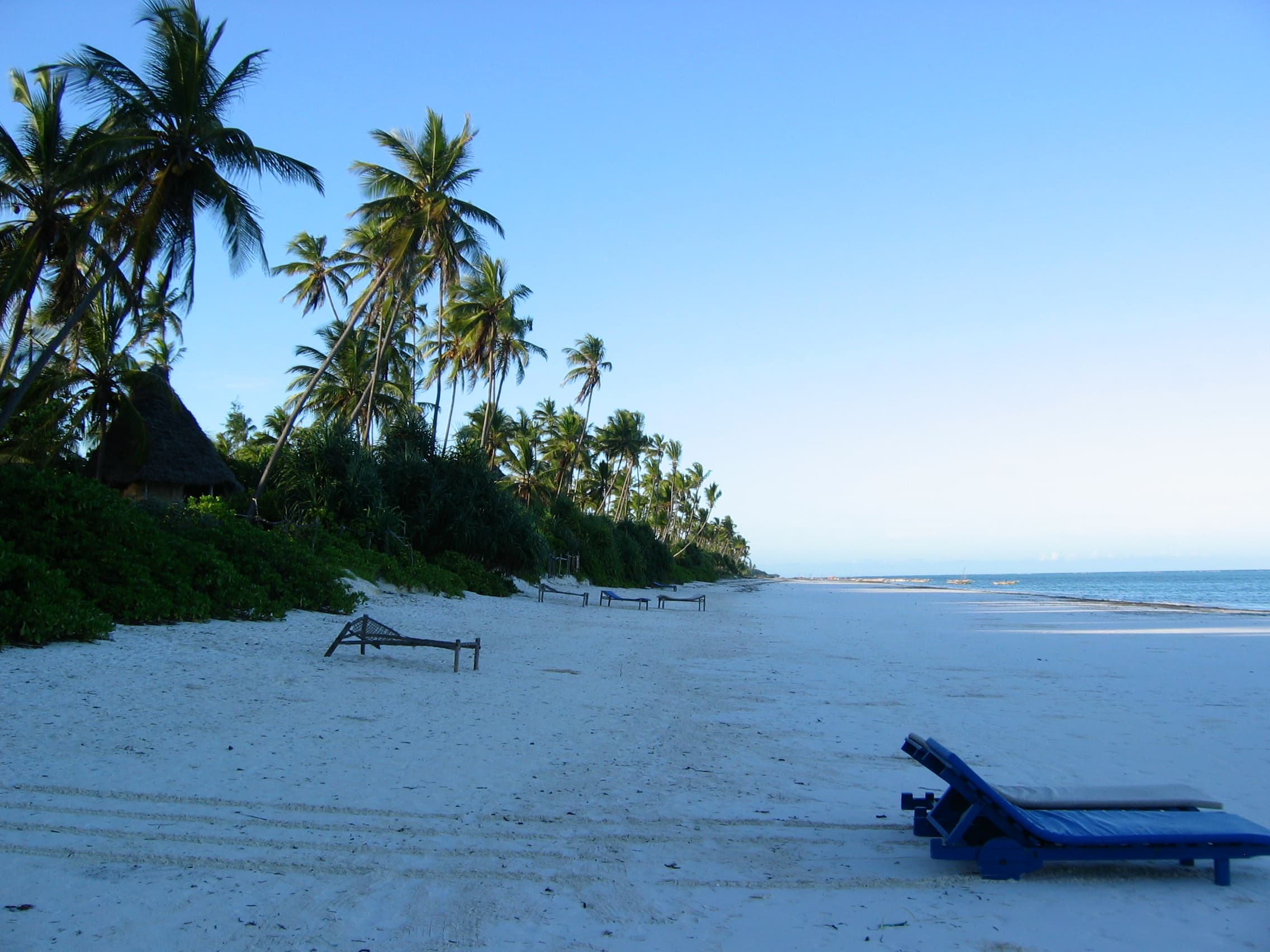
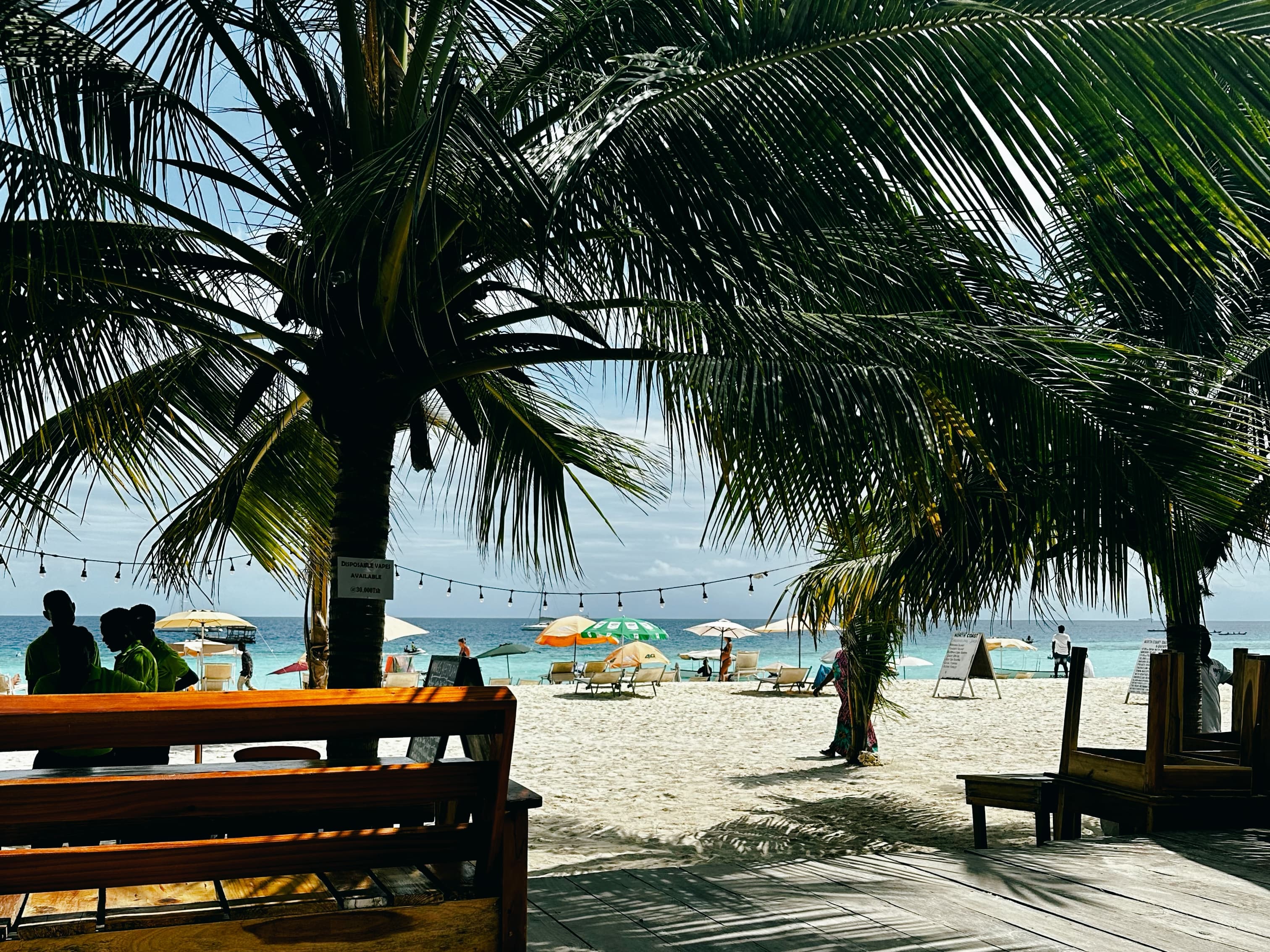
But Zanzibar is also, perhaps above all, a world-class beach destination. The beaches of Nungwi and Kendwa in the north, with their fine white sand, turquoise lagoon protected by the coral reef, and traditional dhows returning to port at sunset, are among the most beautiful in Africa. The beaches of Paje, Jambiani and Bwejuu on the south-east coast offer a more sportive setting, with constant winds making them a paradise for kitesurfing and windsurfing. The archipelago's islands — Mnemba, Chumbe, Prison Island — offer dhow day-trips with snorkelling on pristine reefs.

Muslim culture (98% of the population) permeates everything: calls to prayer five times a day echo through Stone Town's alleys, Friday is the public holiday, restaurants serve mostly halal food, more covered attire for local women (visitors can wear shorts and swimwear on resort beaches but are expected to dress more conservatively in town and villages).

Explore Zanzibar

Spots in the region
Situation

Où se situe Zanzibar ?

Ouvrir la carte en grand sur OpenStreetMap →

Frequently asked questions

How many days for Zanzibar?+
Minimum 4 nights for a coherent discovery: 1-2 nights in Stone Town (culture, history, gastronomy) + 3 nights in a beach resort (Nungwi, Kendwa, Matemwe or Paje). Ideally 5-7 nights to fully enjoy the beach and do the excursions: snorkelling at Mnemba (1 day), spice tour (half day), Stone Town (1 day), Prison/Changuu Island (half day). Beyond 7 nights, you typically extend to Pemba or Mafia for a wilder experience.
Which Zanzibar beach to choose?+
Depends on the profile. __Nungwi and Kendwa__ (northern tip): the most beautiful beaches, white sand, always-bathable turquoise lagoon (low tides), many resorts. __Matemwe and Pwani Mchangani__ (north-east): quieter, access to Mnemba island for snorkelling, family atmosphere. __Paje, Jambiani, Bwejuu__ (south-east): constant wind ideal for kitesurfing, significant tides (500 m beach at low tide), younger and more alternative vibe. __Kiwengwa and Pongwe__ (east): large all-inclusive resorts, decent beaches but affected by tides. For a first trip, Nungwi-Kendwa is the safest choice.
When is the best time to visit Zanzibar?+
__June to October__ is the ideal window: dry season, gentle south-east trade wind (kusi), clear sky, crystalline sea at 24-26 °C, perfect conditions for diving and snorkelling. __December to February__ offers warmer sea (28-29 °C) but with more oppressive heat and humidity — also peak Christmas/New Year season. __Avoid March to May__: long rains (Masika monsoon), several resorts close, diving not recommended. November offers an interesting window (short brief rains, intermediate rates).
How to move between Stone Town, the airport and the beaches?+
__Zanzibar International Airport (ZNZ)__ is 7 km south of Stone Town. All hotels and resorts offer private transfers (20-80 USD depending on distance). To Nungwi/Kendwa (north): 1h30 by road. To Paje/Jambiani (south-east): 1h. To Matemwe (north-east): 1h15. To move around the island, two options: __private taxi__ with driver by the day (50-80 USD/day, negotiable) or __daladala__ (shared minibus, 0.50-1 USD/trip, local experience). For Stone Town from the beaches, count 1-2 hours of road depending on traffic.
Is a wetsuit needed for diving in Zanzibar?+
Depends on the season. From __June to October__ (dry season), the sea is at 24-26 °C — a 3 mm shorty is comfortable. From __December to February__ (austral summer), the sea is at 28-29 °C — a lycra or 2 mm shorty suffices. Diving centres (Spanish Dancer Divers in Nungwi, One Ocean in Stone Town, Mnemba Divers) generally provide full gear. Average visibility: 15-25 metres in dry season, 10-15 metres in wet season. The best spots: Mnemba Island (snorkelling and diving, reserved atoll), Leven Bank (technical diving, big fish), Mafia Island (the absolute best for diving — whale sharks September to March).
What to absolutely see in Stone Town?+
In one walking day: __Forodhani Gardens__ (seafront, evening night market), __House of Wonders__ (Beit-al-Ajaib, former sultan's palace, under restoration), __Old Fort__ (Omani fortress, amphitheatre), __former slave market__ and its memorial (essential visit to understand the archipelago's history), __Anglican Christ Church Cathedral__ (built on the former slave market), __Freddie Mercury's house__ (Farrokh Bulsara born in Stone Town in 1946), __Darajani market__ (spices, fish, local life), and the __labyrinth of alleys__ with their carved doors (over 500 catalogued, floral/Indian motifs). In the evening: dinner at Forodhani night market (seafood grills, Zanzibar pizza).
Is Zanzibar safe for travellers?+
Broadly yes, Zanzibar is safe for travellers respectful of the local context. Serious incidents are rare in tourist areas. Caution recommended in Stone Town in the evening (snatch thefts of phones, bags) — avoid deserted alleys alone after nightfall. On beaches, keep valuables in the hotel safe. Respect the dress code in town (shoulders and knees covered outside resorts) — the archipelago is conservative Muslim. During Ramadan (mobile calendar), avoid drinking/eating/smoking in the street during the day. Public transport (daladala) is safe but crowded. Tap water is not drinkable — bottled water only.

Our verdict

The Zanzibar archipelago is one of the most rewarding possible complements to a Tanzanian safari — a destination that brings together the exceptional (world-class beaches, unique UNESCO heritage) without the ultra-sterilised character of the Seychelles or Maldives. Its diversity of experiences (beach, culture, diving, spiced gastronomy, kitesurfing) makes it a self-sufficient destination for 4-5 nights minimum after a 7-10 day safari. Ideally combine 2 nights in Stone Town (culture, gastronomy, history) and 3-4 nights in a beach resort (Nungwi-Kendwa for beaches, Paje for kitesurfing, Matemwe for tranquillity). Favour June-October for the optimal climate window, avoid March-May (long rains). And don't forget the cultural dimension: Zanzibar is not just a beach, it's a millennial civilisation in its own right.

Mowando Letter

Once a month: the right destinations for the right season + the best booking windows.

No spam. One-click unsubscribe. Your data is never shared.