The Wild South requires careful weather planning, especially for the volcano. The dry season / austral winter (May to November) is the only period really recommended for hiking at Piton de la Fournaise: trails accessible in the vast majority of cases (except ongoing eruption), clear sky early in the morning, cool but pleasant temperatures.
The austral summer (December to April) is frankly to be avoided for the volcano. The cyclone season generates very unstable weather conditions on Pas de Bellecombe and Plaine des Sables: almost permanent fog from 10am, tropical rains, strong wind, sometimes total closure of the forest road for several days. If you come in austral summer, plan your volcano day from the first available morning and be flexible.
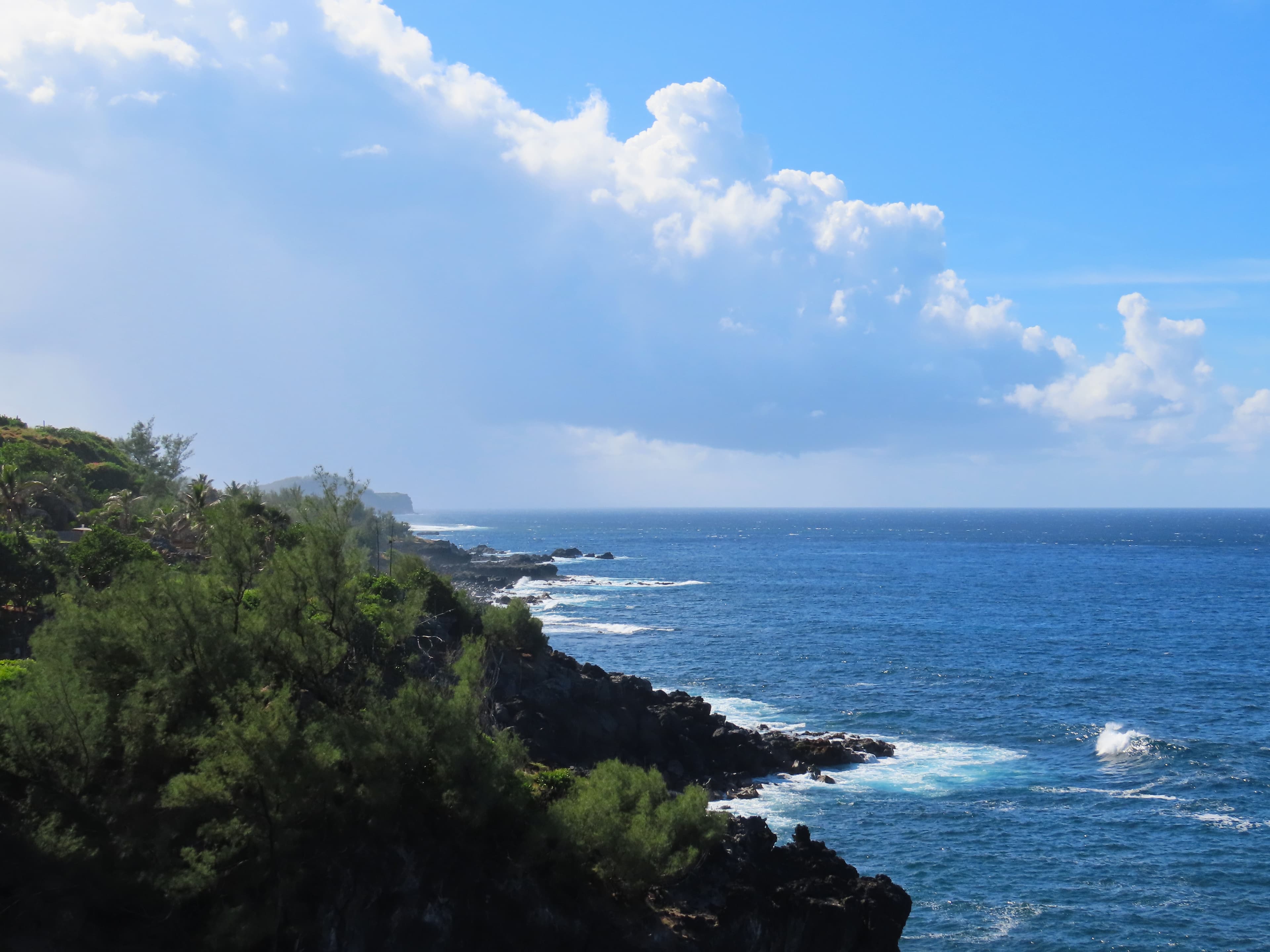
For the south-east coast (Saint-Philippe, Sainte-Rose, vanilla plantations), seasonality is less critical: you can go there year-round, simply avoiding heavy rain days. Vanilla is harvested in June-July, period when the plantations are most lively. Coastal temperatures remain stable (22-30°C year-round), slightly warmer in austral summer.
Read also
- Piton de la Fournaise — One of the world's most active volcanoes: Pas de Bellecombe, Plaine des Sables, hike at the Dolomieu crater.
- The Cirques of Réunion — Mafate, Cilaos and Salazie: the other volcanic side of the island, UNESCO-listed.
- The West Coast — Saint-Gilles, L'Hermitage and the turquoise lagoon: the ideal beach complementarity.
- Réunion — Complete guide of the intense island: formalities, budget, climate, regions to discover.